Amid the
International Women’s Day celebrations at the end of March and few days before
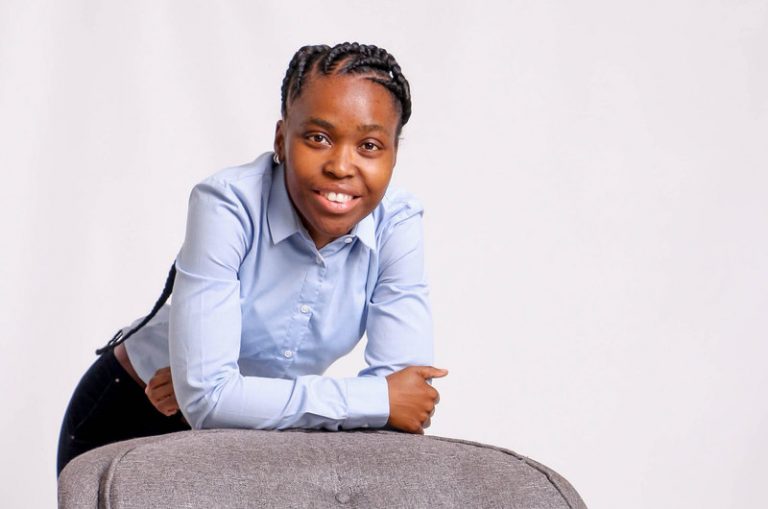
the lockdown, 25 women in sport – including this group from University Sports
South Africa – came together for a countrywide three-day Women in Sport
Leadership Training Workshop.
“We need to be demanding a
seat at the table, and not waiting for someone to put out a chair,” says
University Sports South Africa national committee member Mel Awu.
With the success of female sportswomen in South
Africa ever increasing, it is not only the action on the pitch that has been
receiving much-deserved plaudits and support.
From female student athletes earning three of the
country’s five gold medals at Napoli 2019 and former Universiade star Refiloe
Jane joining AC Milan, to swim sensation Tatjana Schoenmaker being nominated
for the FISU Female Athlete of the Year award and rugby pioneer Babalwa Latsha
becoming the first contracted women’s player abroad, female student-athletes
past and present have been flying the flag high for South Africa over the past
year.
Championing the cause of female sports leaders has
made great strides in South African university sport yet championing their
cause are a number of female sports leaders who have equally made great strides
as they continue to fight their way and make their mark in a male-dominated
environment.
Amid the International Women’s Day celebrations
earlier this month, 25 women in sport from across South Africa gathered in
Johannesburg for a three-day Women in Sport Leadership Training Workshop hosted
by the South African Women and Sport Foundation (SAWASF), facilitated by the
Women Sport Leadership Academy (WSLA) from University of Chichester and the Anita
White Foundation (AWF).
Among the attendees were several female national
committee members from USSA – University Sports South Africa – including Mel
Awu, who apart from her national position, currently works as Sport
Co-ordinator at the University of Cape Town.
A Sports Management graduate from the Nelson
Mandela University, Mel has worked in sports administration at five different
tertiary institutions across the country while serving on the national
committees of USSA Squash, USSA Chess, USSA Athletics and USSA Rugby, where one
of her highlights was donning the coveted green and gold blazer when she
managed Team South Africa at the 2018 FISU World University Rugby 7s
Championships in Swakopmund, Namibia.
The passionate administrator, who has long fought
for gender equality in the sports arena, was thrilled with the informative and
inspiring workshop, which poignantly drew to a close on International Women’s
Day, March 8.
“This was one of the best workshops I have ever
attended,” she claimed, before further explaining, “It was a safe space, and
everything was practical. We were broken into smaller groups, and sometimes
paired randomly, which gave us more of an opportunity to get personal with our
partners, and great friendships were formed. I left there knowing everyone’s
name.”
Topics covered over the three days included
Conflict Management, Networking, Communication, Presenting with Impact, Having
the Difficult Conversations as well as Team Building.
“The practicality of the entire workshop blew me
away,” Mel said. “We did group activities, we role-played, and I learnt so
much. It was a safe space to not be afraid to approach someone and network, ask
for help, or share knowledge.
“Learning with sisters who have the same passion
for development was very special for me – it was all very supportive, the
feedback was given in a structured manner, and we all went away with lessons.”
The workshop has definitely provided Mel with
renewed impetus for her work as she acknowledges the many challenges women in
the sports industry face.
“Besides being thought to only be able to take
minutes at meetings, I feel, as a woman, I have to be at my best game all the
time, meaning I have to work thrice as hard at everything compared to men. And
if I don’t cut it, then it’s ‘these women…’”, she admits, before choosing to
see the bright side. “Having said that, I have enjoyed great encouragement and
respect from some male colleagues and mentors, so I always choose to celebrate
that.”
Within USSA’s structures, Mel reveals that the
association – led by five males and three females in the Executive Committee –
is very supportive and encourages gender balance, no doubt fully supported by
the president Ms Nomsa Mahlangu, who was last year elected as the first female
president of the Federation of African University Sport (FASU).
“She is a hard-worker, she is efficient and she is
a woman!” Mel says of the association’s leader. “She is amazing, and the
wonderful thing about her is that she is so down to earth and willing to teach
others. She is an inspiration; when seeing her, every female believes that ‘we
can do it too’.”
While facing the challenges of being a female
sports administrator on a daily basis, Mel feels a lot needs to be done to
encourage equality, starting with a change in mentality from her male
counterparts.
“RESPECT,” she spells out when asked what can be
improved. “Men need to learn to respect women for who they are, their character
and their abilities – and not just as ‘possessions’, but as leaders. As women
we need to step up, and hold each other accountable. I dream of a day when
there will be a 50:50 gender split across all Sports Committees, which will be
full of competent leaders who want to take the sport forward, not their
personal agenda.”
Mel feels that women should not merely sit back,
but take action themselves.
“As women, it is our responsibility to empower
ourselves – we cannot leave that responsibility to men,” she says.
“As a woman, you have to want to constantly improve
yourself, upgrade yourself and keep opening doors – we need to be demanding a
seat at the table, and not waiting for someone to put out a chair. We have to
empower and uplift each other, while we must also realise that there are men
who are advocates for gender equality, and we need to celebrate them and work
with them in this fight.”
Mel hopes better structures will be put in place to
help women across the board in their daily struggles.
“As a country we need to put systems in place for
the development of women, and demolish destructive patriarchal systems,” she
argues. “Women need to initiate that, because some men see nothing wrong with
the current systems, as they are in a position of privilege. We need to open up
safe spaces for those conversations.”
This month’s successful workshop was indeed one of
those safe spaces, inspiring Mel and her female colleagues to continue the
ongoing struggle for gender equality in sport.
The South African Women and Sport Foundation are
continually doing their part in assisting female sports leaders where possible,
and with their annual sports conference set for August, Mel will no doubt be
joined by many more to continue blazing the trail for South African women in
sport.