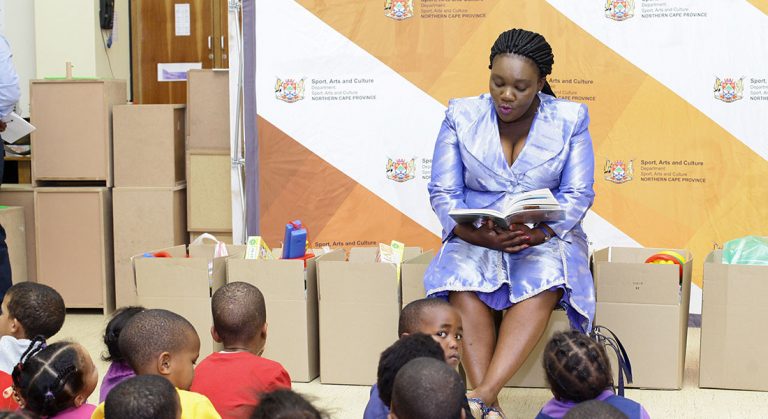
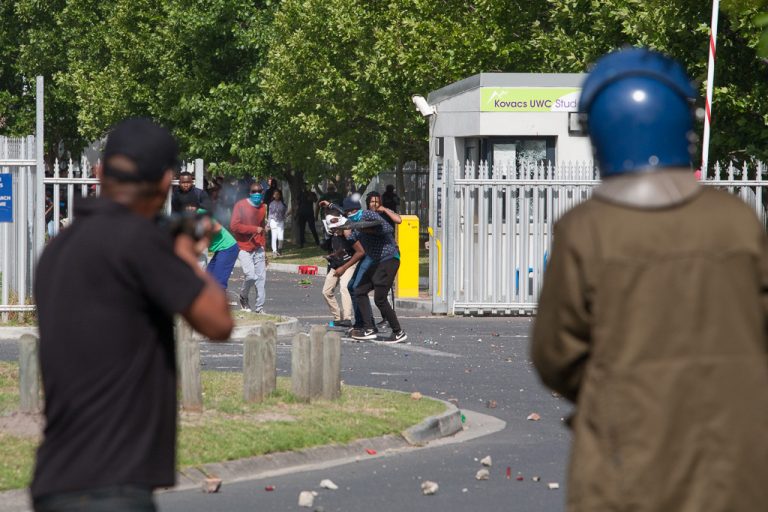
Millions more are in classrooms but don’t get a quality education – here we look at some of the causes of a global learning crisis.
Theirworld’s
vision is to end the global education crisis and unleash the potential of the
next generation. Despite the Sustainable Development Goal to have every child
in school and learning by 2030, there are still 260 million children who don’t
go to primary or secondary school.
Without
urgent action, in a decade 825 million children – half of all young people in
the world – will not have the most basic skills necessary for jobs of the
future.
Theirworld’s
#WriteTheWrong campaign is about raising awareness of the issue and advocating
for big change to tackle the global education crisis.
Here we
look at some of the reasons why so many young people are out of school or being
denied a quality education. Each obstacle is huge to the children trying to
overcome them – so we’ve listed 20 reasons in purely alphabetical order.
Attacks
on education
Hundreds
of schools around the world have been attacked – disrupting or ending the
education of many children. A shocking report last year revealed more than
14,000 attacks on education – including about 10,000 directly on schools – in
34 countries over a five-year period.
The
Global Coalition to Protect Education from Attack said: “Buildings were
bombed, damaged or used by armed forces or groups, sometimes making them
inaccessible to students. Nine countries each suffered more than 500 attacks on
schools.”
Schools
were occupied for military purposes in at last 30 countries. Female students
and teachers in particular were targeted – including through the bombings of
girls’ schools, abduction, rape and harassment at school and on the routes
students take to school.
The Safe
Schools Declaration – a commitment to protect schools from attack and military
occupation – was launched in 2015 and has now been signed by 101 countries.
Child
labour
More than
150 million children aged five to 17 – half of them under 11 – are victims of
forced labour and often miss out on education. Of those, 73 million work in
hazardous jobs, according to the International Labour Organization.
Child
labour is classed as work that is mentally, physically, socially or morally
dangerous and harmful to children – and interferes with their schooling.
Child
labourers work in a variety of roles including in homes, mines, fields and
factories. They can carry heavy loads, work long hours and suffer exposure to
pesticides and other toxic substances.
Many
girls begin working as young as five, mainly in agriculture or in homes as
domestic servants. Child domestic workers are particularly vulnerable to
trafficking, forced labour, sexual violence and many health issues.
Child
marriage
There has
been progress, with 25 million child marriages prevented in the past decade.
But there is still a long way to go.
Each
year, around 12 million girls a year are married before the age of 18 –
including 38% of girls in sub-Saharan Africa – often with devastating
consequences for their health and education. Too often marriage is seen as a
higher priority for girls than going to school.
“Child
marriage violates girls’ rights to health, education and opportunity. It
exposes girls to violence throughout their lives and traps them in a cycle of
poverty,” says the charity Girls Not Brides.
Boys can
be affected but most victims of child marriage are girls. There are child
marriages in every part of the world, including Europe and north America. But
the highest rates of girls under 18 getting married are in Niger (76%), Central
African Republic and Chad (both 68%).
Climate
change
This can
impact children’s education in many ways. The obvious one is an increase in
extreme weather such as flooding or typhoons, which leaves schools damaged,
destroyed or being used as shelters.
Around 37
million children have their education disrupted each year because of
environmental threats. In South Asia, 18,000 schools were shut in 2017
following damage or destruction in the region’s worst flooding in years.
Academic
research published last year by the US National Academy of Sciences found that
extreme climate changes in the global tropics can make it hard for children to
attain a secondary school education.
Families
affected by droughts, heat waves and crop failures often remove their children
from school to work at home or because they cannot afford fees.
Conflict
Almost
one in five children live in countries affected by conflict – and many of them
are denied an education as a result.
The
long-term effects of growing up in a conflict zone are devastating and UNICEF
estimates that 48.5 million children worldwide are missing school because of
wars and conflicts.
Children
in conflict-affected countries are 30% less likely to complete primary school
and half as likely to complete lower-secondary school.
Girls are
almost two and a half times more likely to be out of primary school and 90%
more likely to miss secondary schooling if they live in conflict-affected
countries, according to the emergencies fund Education Cannot Wait.
Disabilities
Children
with disabilities are more likely to miss out on school than other children.
Even if they go to school, they are more likely to leave before finishing their
primary education. For children who are already marginalised, such as girls and
children living in rural areas, a disability creates an additional barrier to
accessing education.
Of the
100 million or so children around the world with a disability, 80% of them are
in developing countries. In these countries, 40% of children with disabilities
don’t go to primary school and 55% are not in secondary education.
Beyond
those stark facts are millions of other children with disabilities who are in
classrooms but are left feeling excluded, intimidated and unvalued by the
failings of school systems.
The UN’s
2018 Disability and Development Report said: “Among the countries with
data, persons with disabilities … are less likely to attend school, they are
more likely to be out of school, they are less likely to complete primary or
secondary education, they have fewer years of schooling and they are less
likely to possess basic literacy skills.”
Funding
Lack of
funding at a local, national and international level has a huge effect on the
numbers of children who are in school – and on the quality of education.
Some of
the poorest countries in the world struggle to finance an education system for
all their children. Some systems have to charge fees to survive, which leads to
families unable to afford education.
Three-quarters
of the world’s out-of-school population are in over 70 developing nations,
which need to increase their own spending on education while continuing to
receive help from the international community.
Until
recently, funding for education during humanitarian crises was less than 2% of
the aid total. Things are changing thanks to the 2016 launch of the Education
Cannot Wait fund, which is reaching millions of children in emergencies.
Gender
The UN
estimates that 130 million girls between the age of six and 17 are out of
school and 15 million girls of primary-school age – half of them in sub-Saharan
Africa – will never enter a classroom.
Girls are
four times more likely to be out of school than boys from the same background.
Often, girls are marginalised and are out of school simply because they are
girls and it is not the cultural norm for them to be educated. Their chances of
getting a quality education are even smaller if they come from a poor family,
live in a rural area or have a disability.
Between
2000 and 2015, the gender gap in literacy narrowed dramatically and the number
of girls going to primary school rose significantly. But it hasn’t been enough.
Fewer
than two in three girls in low-income countries complete primary school and
only a third finish lower secondary school. Only about 40% of girls in
sub-Saharan Africa complete lower secondary school.
Hunger
Lack of
daily, nutritious meals can mean children dropping out of school or not being
able to concentrate in the classroom.
“Every
day, countless children across the globe turn up for school on an empty
stomach, which makes it hard to focus on lessons,” says the UN’s World
Food Programme. “Many simply do not go, as their families need them to
help in the fields or around the house.”
The offer
of a daily meal is a strong incentive for families to consistently send their
children to school.
Lack of
food has been a major driver behind three million children in Venezuela dropping
out of school during the economic and hunger crisis.
Journey
to school
A simple
walk to school can be extremely unsafe or intimidating for some children. Many
parents refuse to send their children – particularly girls – to school in case
they are harassed, exploited or sexually abused.
Many
children in remote communities also have to make the most unimaginable and
dangerous journeys every day to access education.
Some walk
along treacherous cliff edges. Others trek into the mountains for miles or
cross broken bridges to be at school on time. For children living in rural or
poverty-ridden areas there is no quick solution and often it is easier to quit
school.
During
violent conflicts, girls are deliberately targeted by armed groups and
government forces. They often suffer sexual violence, abduction, intimidation
and harassment. A study in India in 2016 found that half of all girls were
sexually harassed on the way to school – including being leered at, pinched or
groped.
Lack of
teachers
When the
Sustainable Development Goals were launched in 2015, the UN said the world
would need 25.8 million additional primary school teachers by 2030.
But that
isn’t the only issue. Too many teachers don’t have the training or
qualifications needed to deliver a quality education. Only 85% of primary
school teachers globally have been properly trained – in sub-Saharan Africa
it’s just 64% (and only 50% of secondary teachers).
Many
existing teachers, especially in the least developed countries, are untrained,
underpaid and working with scarce resources. Some drop out because they are
poorly paid or spend too much of their time on non-teaching duties. In many
countries affected by conflict, there can be a lack of teachers because they
have been become targets for attacks and intimidation.
The lack
of female teachers can make school a daunting experience for girls. In many
African countries, such as Liberia and the Central African Republic, only about
one in five primary teachers are women.
Language
Millions
of children, particularly in rural locations, are much more likely to drop out
of school if they are not being taught in their mother tongue.
About 500
million children get school lessons in a language they don’t speak at home with
their families.
In the
developing world, children are more likely to enrol and succeed in school if
they are taught in their own language.
In
particular, girls and rural children with less exposure to a dominant language
stay in school longer and repeat grades less often if they learn in their
native tongue.
Natural
disasters
The South
Asia floods of 2017 destroyed or damaged 18,000 schools and put 1.8 million
children out of school – but natural disasters are happening all the time and
disrupting education around the world.
Natural
events such as earthquakes, cyclones, floods and landslides can derail
schooling for millions of children. They can damage or destroy schools or force
them to be used as temporary shelters.
Even if
the schools survive, it can take months or even years for them to be repaired
and for education to return to normal. Families whose livelihoods have been
destroyed may no longer be able to afford to send their children to school.
In the
Asia Pacific region, it is estimated that climate change will lead to around
200 million children a year will have their lives severely disrupted by natural
disasters over the coming decades.
Periods
Periods
are a natural part of life for girls – but also a major reason for them missing
out on education.
They
often don’t have access to sanitary products or separate toilets. They face
discrimination, stigma and bullying during their periods, sometimes even from
their teachers.
In many
parts of the world, girls simply drop out of school for several days every
month. That can lead to them quitting education altogether.
UNICEF
estimates that one in 10 girls in Africa miss school because of their periods
each year. In India, as many as one in five girls drop out of school after
their periods start.
Pregnancy
In many
countries, girls who are pregnant – regardless of their circumstances – can be
excluded from school and not allowed back even after they give birth.
That
picture is improving, especially since 26 African countries adopted policies by
2018 to ensure girls can return to school after having their baby.
But even
where they are allowed to return, many young mothers stay away due to stigma,
fees, lack of childcare and the unavailability of flexible school programmes.
About 16
million girls aged 15 to 19 and one million girls under 15 give birth every
year – most in low- and middle-income countries, according to the World Health
Organization.
Recruitment
There are
an estimated 250,000 child soldiers in the world today in at least 20 countries
About 40% of child soldiers are girls, who are often used as sex slaves and
taken as “wives” by male fighters.
Recruitment
forces children to miss out on education for years or to drop out of school for
ever.
In the
past five years, children have been recruited by armed groups in the vicinity
of schools in at least 15 countries, according to the Global Coalition to
Protect Education from Attack.
Despite
efforts to free child recruits, there are still about 19,000 child soldiers in
South Sudan alone.
Refugee
crises
Conflicts
like those in Syria, South Sudan and Yemen have led to the biggest refugee
crisis since the Second World War.
More than
half the world’s school-age refugees are excluded from education as host
nations struggle under the weight of growing humanitarian emergencies.
Of the
7.1 million refugee children of school age, 3.7 million do not go to school,
according to the UN refugee agency UNHCR last year.
Only 63%
of refugee children are at primary school – compared to 91% of all children
across the world. Just 24% of adolescent refugees attend secondary school,
compared to 84% globally.
Sanitation
Basic
drinking water and sanitation is taken for granted in high-income parts of the
world. But nearly half the world’s schools lack clean drinking water, toilets
or handwashing facilities.
Almost
900 million children have to contend with a lack of basic hygiene facilities
during their education, putting their health at risk and meaning some have to
miss school.
In poorer
countries only 53% of upper secondary schools have drinking water. Globally,
only 66% of primary schools have handwashing facilities but the average across
the poorest countries is 43% – and much lower in some nations.
In the
least developed countries, only 57% of schools have single-sex toilets, which
can lead to problems particularly for girls such as period stigma and sexual
harassment.
Violence
Conflict
and military occupation aren’t the only violence that children face at school
or on the way there.
Gang
violence, bullying and various forms of discrimination can lead to students
dropping out of school.
An
estimated 246 million girls and boys are harassed and abused on their way to
and at school every year – with girls particularly vulnerable. In Africa, half
of all children said they had been bullied at school.
18
million girls aged 15 to 19 are victims of sexual violence – often leading to
them leaving school and reinforcing cultural practices such as early marriage.
And
that’s not all…
These are
just 20 reasons why children drop out of school or miss out on quality
education. We haven’t even included overcrowded classrooms, a lack of learning
materials, no schools nearby – sadly the list goes on and on.
SOURCE: THEIRWORLD