The Department of Basic Education (DBE) says its noted with concern the continued “misrepresentation of facts” regarding some of the content in the sexuality section’ of Life Orientation subject.
The Department said it has on a number of occasions clarified the matter, and went further to provide details of what is contained in the ‘sexuality section’ of the curriculum.
“The core aim of the CSE is to ensure that we help learners build an understanding of concepts, content, values and attitudes related to sexuality, sexual behavior change as well as leading safe and healthy lives,” said Elijah Mhlanga, Head of Communications at the DBE.
"They take things out of context and creating panic and anxiety among parents."— Elijah Mhlanga, Spokesperson – Department of Basic Education https://t.co/GxBYYQsk4e
“In seeking to find a comprehensive and all-encompassing curriculum that seeks to address real world challenges and issues faced by learners in their day-to-day lives, the Department has through various consultation platforms allowed for the evolution of the content within both the Learner and Teacher Guides.”
The Department added its approach is informed by comprehensive research, Mhlanga added.
He said the 2016 rigorous scientific review of International Technical Guidelines on Sexuality Education found that:
– CSE does not sexualise children – Sexuality education does not increase sexual activity, sexual risk- taking behaviour or STI/HIV infection rates. On the contrary, CSE delays sexual debut and promotes safe sexual behavior; – Increases knowledge of different aspects of sexuality and the risks of early and unintended pregnancy, HIV and other STIs; – Decreases the number of sexual partners; – Reduces sexual risk taking; – Increases use of condoms and other forms of contraception.
The Department consulted extensively on CSE, and remains open to further consultation and engagement on this matter. Curriculum development is an ongoing process and inputs are always welcome, said the DBE
The commission also reported that one in 20 of those students said their experiences had led them to abandon their studies.
Meanwhile three in 20 of the members of staff who responded to the commission’s survey said that their experience of racism – ranging from isolation to outright abuse – had caused them to leave their jobs, with many more saying it had made them contemplate doing so.
Many, including Fope Olaleye, the National Union of Students’ black students officer, have also commented that the focus given to “anti-white sentiments” displays a lack of understanding of the structural racism faced by racialised students and staff in higher education.
However, none of the information outlined in the report is groundbreaking. In fact, it merely reiterates what many have been saying for many years.
Just in the past decade, the NUS Black Students’ Campaign’s Race for Equality report, published in 2011, highlighted the myriad issues facing students of colour in further and higher education.
This was followed up in 2015 by the Runnymede Trust’s Aiming Higher report, which outlined the challenges faced by both students and staff.
In 2016, UCU Black Members released Witness, which highlighted the abuse, dismissal and isolation faced by black and brown staff in further and higher education.
And in the last few years alone, several books and edited publications on the topic of racism in higher education have been released by academics and colleagues.
In addition, student and staff demands on these issues continue to rise. From the Why is My Curriculum White campaign to the recent evolution of movements to decolonise the curriculum, we have seen students and staff articulate their demands for a reformed higher education system that is free and accessible to all.
“Through Students not Suspects and Educators Not Informants, we saw a network of resistance to the implementation of the government’s draconian Prevent duty, which requires academics to inform on students they believe may be prone to radicalisation.”
Indeed, through the Goldsmiths anti-racist occupation, we saw just what can be achieved through community building and organising, with far-reaching demands and commitment to ongoing action.
Yet universities, on the whole, have been largely resistant to change. There now appears to be widespread agreement on the need to tackle the attainment gap that has existed for as long as there have been non-white students in education.
But this institutional commitment to action was hard won by student activists and students’ unions working with staff. Similarly, nascent discussion on race pay gaps seem motivated more by a fear of future legal requirements than a desire to ensure an equitable campus.
“Yet universities, on the whole, have been largely resistant to change… Few want to risk reputational damage by instigating honest, public conversations about racism.”
Underlying all this is the uncomfortable truth that marketisation is eating away at universities’ core values. Increasingly within higher education, nothing is more critical than the bottom line.
This presents the challenge that we have seen universities grapple with over the past few years, with few wanting to risk reputational damage by instigating honest, public conversations about racism. And commitment to any actions appears to be superficial, embraced only when doing so has a potential market value.
The truth is that universities have never been meritocratic or liberal. Many were created with the sole purpose of enabling people of wealth and prestige to accumulate further wealth and prestige.
Their legacy includes training the next generation of people to run the British Empire, accepting funding from slave traders and intellectualising eugenics.
In the modern context, the student experience for students of colour has racism woven into it from start to end and for staff the barriers of progression and promotion continue to keep staff of colour in a visible position in public, yet invisible institutionally.
This has to end if we want to move forward. Racial injustices will go on being perpetrated unless staff and students are better informed about the past and uncomfortable conversations take place that strike to the heart of the issue of what a university is for.
Universities can continue to resist calls to change by hiding behind their reputations, or they can finally confront and get beyond the myth of the liberal, tolerant institution, creating a progressive, democratic alternative.
What we don’t need is to wait for another report or publication. What we do need – and demand – is action.
Ilyas Nagdee is the former black students’ officer at the National Union of Students and works on race equality in education.
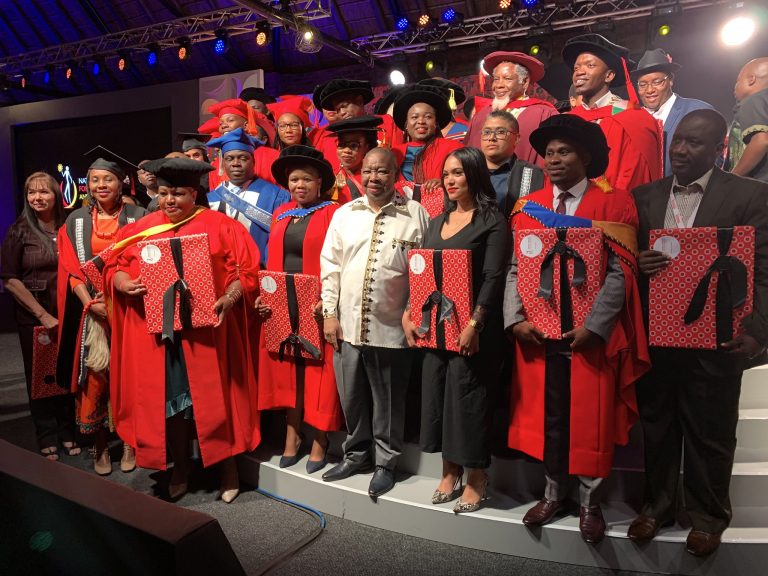
Higher Education Minister Blade Nzimande has lauded the National Institute for Humanities and Social Sciences (NIHSS) for producing its 3rd cohort of doctoral graduands, and “your milestone achievement of your 200th doctoral graduand in only 5 years.”
Delivering the keynote address at the NIHSS Annual Doctoral Conference Gala evening, Nzimande said he was pleased to see “first-hand, the efforts, impact and change that the Institute is making to the higher education landscape and in the humanities and social sciences in particular.”
The minister’s spirited address belied the fact that he had landed from the US only two hours before his appearance at the OR Tambo Centre at the Birchwood in Ekurhuleni.
“Whilst we do indeed need to strengthen the STEM disciplines throughout our schooling and higher education system, we dare not allow humanities and social sciences to decline.”
Emphasising and re stating the need for “high standards” in all areas of academia, Nzimande pointed to the NDP which calls on the higher education sector to produce more than 100 doctoral graduates per million per year by 2030.
In line with the dictates of the current and envisaged technological advancements under the rubric of the Fourth Industrial Revolution (4IR), the minister said his Department has established a Ministerial Task Team on the 4IR to provide “critical policy advice and interventions” required to ensure that our post-school education and training system is able to “effectively respond and also take a lead in many of the envisaged technological advances.”
The NIHSS Graduates’ Gala Dinner honored more than 60 new doctoral graduates, the 3rd cohort of graduates. Data confirms that 71% of the graduates are African and 50% are women; as such, they are contributing to diversity and gender equity in the higher education system. pic.twitter.com/xcFRMByYZU
— Minister Dr Blade Nzimande (@ministerdrblad1) October 29, 2019
Nzimande said the transformation of race and gender should extend beyond the demographics of students, academics and researchers.
“Our humanities and social sciences must also always assist us in understanding contemporary challenges we are facing in society and seek to assist in advancing solutions to those problems.”
The challenge, he added, “is how do we do this without sacrificing depth and rigour in the work that we do.”
Another related subject is that of the identification and promotion of black and women South African academics in our university system.
— Minister Dr Blade Nzimande (@ministerdrblad1) October 29, 2019
The Higher Education, Science and Technology Minister said the findings of a study into what is retarding the production of South African black women academics is imminent, and that he intends to make the results public.
Nzimande said its important to “open the much needed dialogue and debate on how to accelerate transformation in our academia and research communities in our universities.”
He acknowledged that a lot has been done, but added that there is also a clear need and urgency to significantly accelerate transformation in the racial and gender profile of our academic and research communities.
“Both curricula and the nature of research questions must be framed such that they help overcome patriarchy and racism in broader society, including in the very halls of academia and research,” Nzimande added.
NIHSS Graduates signed The Pledge which will be presented to Dr Blade Nzimande, Minister of Higher Education, Science and Technology at The Gala Dinner#ANDC2019pic.twitter.com/3HZ1pqO91w
Nzimande said the gains made by the fees must fall campaign to increase funding for undergraduate students has had the “unintended consequence of taking all of student funding into undergraduate at the expense of post-graduate student funding.
“Yet the very increase in undergraduate students and throughput is soon going to increase the demand for postgraduate student funding, on top of the very existing reality of inadequate funding in this regard.”
“Higher education is the major driver of the knowledge system that must be linked to economic development.”
“I therefore would like to challenge you today as graduates that you must continue on your path to be producers of new knowledge and high-level skills,” he told the doctoral graduands.
In reference to the mandate of the NIHSS,NDP,directs that South Africa needs to increase the percentage of PhD-qualified staff in the higher education institutions to over 75% by 2030.The current proportion is 47%,up from 34% at the time the NDP targets were determined in 2012.
— Minister Dr Blade Nzimande (@ministerdrblad1) October 29, 2019
“You must continue to assist our country as experts in finding new local and global applications for existing knowledge and innovation that will change our country for the better.”
And while an organization like the NIHSS should foster freedom of choice in the research that is funded, Nzimande underlined that it “must catalyse a social science that seek to foster and support the building of a more just society.”
This, the minister added, is also closely linked to the debates around the “necessity of the decolonization our academic and research institutions, their institutional cultures and curricula.”
A key objective of the higher education ministry is to tackle the institutional inequalities in our university system, Nzimande added, especially that between historically advantaged and disadvantaged institutions,
“But I do not see this task as simply that of less advantaged institutions catching up with the more advanced ones.
“The Historically disadvantaged institutions must develop their own niche areas and make new contributions in knowledge and innovation as part of their own upliftment. But of course this will require focused government support, as well as inter-institutional support and cooperation.”
Again underlining the need for maintaining high standards, Nzimande took a swipe at what he termed “so-called analysts who get their analysis from newspapers.”
He further bemoaned the trend where those ‘analysts’ morph into ‘professors.’
“What are they professing,” Nzimande asked animatedly, much to the delight of the audience.
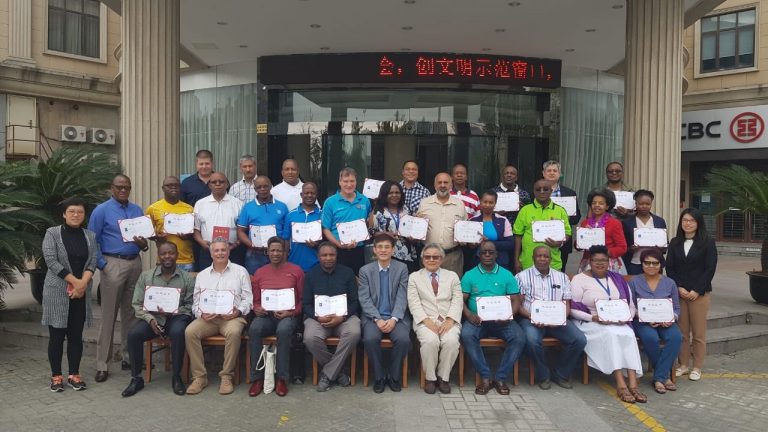
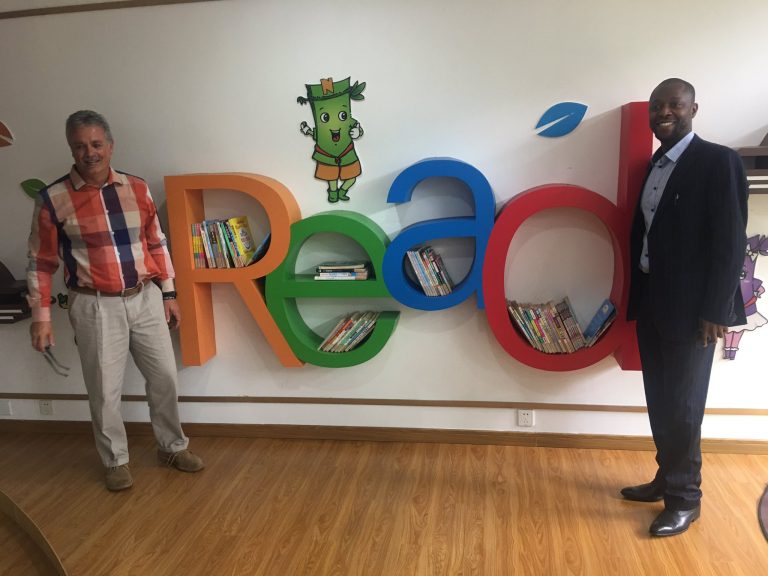
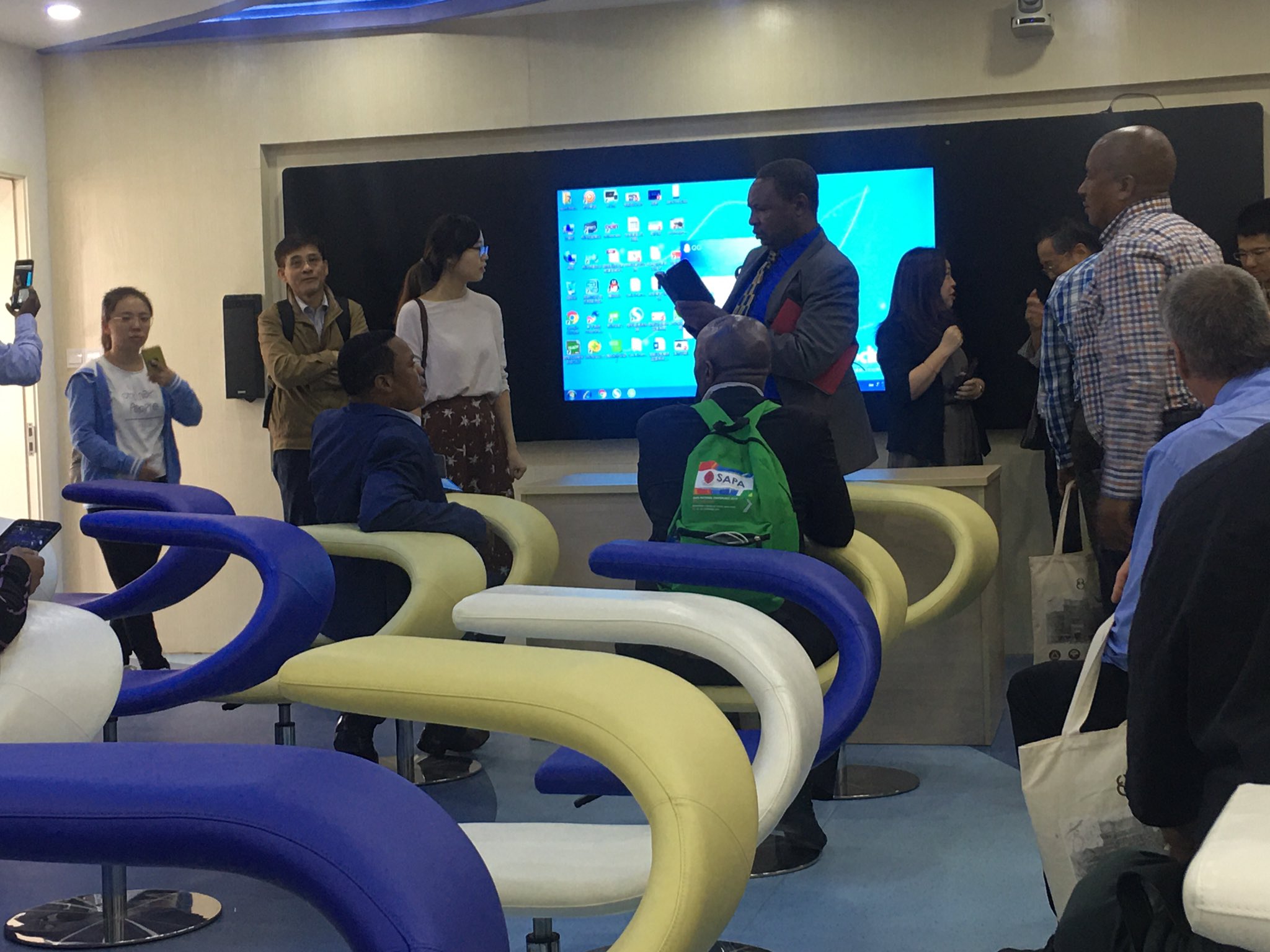
Twenty-five South African school principals, who spent two weeks in China to broaden understanding of the work by educational leaders at a global level, have returned home.
They were accompanied by officials from the Department of Basic Education (DBE).
The principals spent 15 days in Shanghai as part of the DBE’s empowerment initiative for school managers in partnership with the government of China.
The principals were selected from the leadership of the South African Principals’ Association, and forms part of the DBE’s commitment to support professional associations in the field of leadership and management, in line with the National Development Plan (NDP).
Professor Peng Liping of the International Centre for Teacher Education said education needs continuous research and exploration, which requires the exchange of ideas and inspiration.
Peng said the exchanges would certainly assist in the attainment of the objectives of ensuring inclusive and equitable education and life-long learning for all.
“Your presence in the seminar and visit to Shanghai has also promoted bilateral cooperation between China and South Africa, and the friendship has enhanced and facilitated more opportunities for our partnership for years to come,” he said.
The Director for Education Management and Governance Development at DBE, James Ndlebe, said the department needs to expose principals to innovation that can be used to improve school performance, irrespective of rural or suburban setting.
“We talked about discipline, punctuality, respect and the different strategies that can be applied to make schools effective. We were able to identify some other ideas that we can use in our own situations.
“We have seen how to run successful schools using new approaches, how to create and sustain a culture of excellence in a school,” he said.
“The school visits, lectures and the sharing of ideas have made all of us want go back home to make our ordinary schools extraordinary,” said one principal.
The visit to China is part of a agreement between Beijing and Pretoria more than six years ago.
The National Student Financial Aid Scheme (NSFAS) says the strike action set to get underway today will not affect funding applications for next year.
“The 2020 application cycle will not be affected by the planned strike. All applications are submitted online via smart phone, computer, NYDA centres, local libraries, GCIS Thusong centres, and the Department of Basic Education District Teacher Development Centres.
“All the required business continuity and contingency plans are in place to manage the impact of the potential industrial action,” said NSFAS.
The financial aid scheme said it received a notice for strike action from the National Education Health & Allied Workers Union (Nehawu).
NSFAS says that the 2020 application cycle will not be affected by the planned workers’ strike. All applications are submitted online. https://t.co/Ej10lzFzAT
The current issue of contention, which is the Performance Management System, is one of many legacy issues that have negatively affected the performance of the scheme.
“NSFAS management is committed to working with the union through the National Bargaining Forum to reach agreements on any outstanding matters.
“The terms of reference of the Administrator [Randall Carolissen] included managing the day-to-day work of the entity, which focuses on the strengthening of structures, systems and policies that will ensure good governance and effective management of the core operational mandate,” said NSFAS.
According to NSFAS, the scheme has not been allocated any funds for bonuses for the 2018/19 financial year.
“Therefore, the entity is not in any position to adhere to the demands of the union of ex gratia payment.
“We are disappointed that while we are trying to fix the entity under serious government challenges, the very same employees who need assistance seem to not appreciate the intervention government has brought to bring stability,” NSFAS said.
Section 17 of the Constitution recognises the right to assemble, demonstrate, picket and present petitions.
NSFAS urged its employees to comply with the picketing rules in order to ensure that they are protected.
“We have taken precautionary measures to ensure the safety of all our employees, striking and non-striking during this time.
“The ‘no work no pay’ rule will be applied for the duration of the strike,” it said.
Police Minister Bheki Cele, university vice-chancellors and the Private Security Industry Regulatory Authority (PSiRA) have established a task team to ramp up safety on campuses.
Cele met with vice-chancellors from the country’s 26 universities and PSiRA to discuss interventions following the recent spate of violence and murders on and off campus in recent weeks.
“The violence on and off campus extends to more than gender-based violence (GBV). We are now seeing that there are attacks and violence against the overall student community,” a joint statement said.
PSiRA CEO PSiRA, Manabela Chauke, said all universities must have minimum standards of security and that all security officers deployed on campuses must be vetted and trained specifically for the student environment.
Universities of South Africa CEO, Professor Ahmed Bawa, said students must be an integral part of the safety changes they want to see on campuses.
“We cannot do this alone. We may have the capacity to do some things but we need the buy in from students, the communities around the institutions and the SAPS [SA Police Service], the criminal justice system and other relevant governmental operations. This is an issue that has to be dealt with holistically. It is a social crisis,” said Bawa.
The statement added that all parties agreed to establish a working committee that will look at short- and long-term security solutions on and off campuses.
The committee will comprise representatives from the Police Ministry and Secretariat, PSiRA, as well as members of Universities South Africa, tasked with looking at some of the proposals.
“These include the establishment of victim friendly facilities that will speedily assist students who have fallen victim to crime, especially those who have been affected by gender-based violence.
“It is hoped these facilities will provide the necessary care and services to students with the assistance of the Family Violence, Child Protection and Sexual Offences unit of the SAPS,” read the statement.
Students’ socio-economic challenges were also discussed.
“The issue of socio-economic challenges will also be investigated by the team to see how students can be better assisted to avoid them falling prey to criminal networks.
“Student transport and accommodation will also be further interrogated by the working committee. It will, amongst other things, engage landlords about the security measures in place to ensure the safety of students living in off campus accommodation,” the statement continued.
The committee is expected to engage further with the Departments of Higher Education and Training and Social Development Department to extend student safety to TVET colleges and schools.
The vice-chancellors indicated a strong willingness to collaborate with the Minister and his team and pledged to bring the strong research capacity of universities to bear on the issue of social violence.
Cele urged the student population to also come on board to find solutions.
“Students shouldn’t feel that we as the police are creating police states around them. We want a dialogue with them and for them to be part of the fight against crime.
“We know that alcohol is a big contributor to students coming under attack and also attacking each other. This is why we will be going hard on illegal drinking holes that fuel crime, especially on weekends,” Cele said.
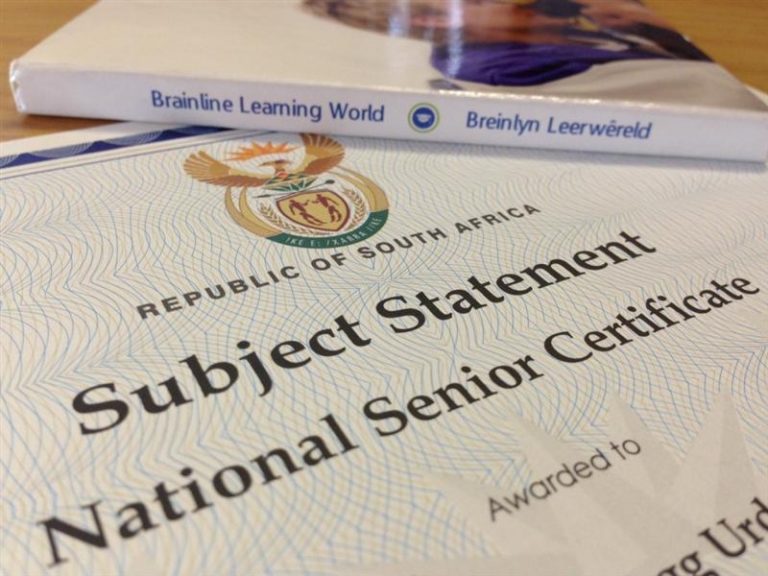
The Department of Basic Education (DBE) say the 275 matric exam candidates, who had their sitting disrupted by community protests in the North West, have all completed their examinations.
The affected matrics were from Valuveer, Gaopalelwe, Thuto Lore and Bloemhof Combined.
This happened as 790 405 National Senior Certificate (NSC) candidates wrote their first major exam, English Paper 1, across 7416 examination centres nationwide.
North West Education MEC Wendy Matsemela has given the assurance that all the learners were successfully evacuated Wednesday and managed to write their exam from various examination centres.
“We have contacted the police, who are quick to intervene on matters that threaten learners from writing their exams,” DBE said.
In other provinces, however, exams proceeded smoothly with no major disruptions, despite threats of service delivery protests in some parts.
The department said there had also been isolated cases of schools allegedly stopping some learners from writing their exams.
“These reported cases are dealt with immediately. The department strongly condemns any form of prejudice towards learners and is committed to ensuring that all learners stand a chance at obtaining their matric certificate,” the department said.
It reiterated its commitment to a fair, incident-free and credible examination process.
The DBE further appealed to members of the public to refrain from disrupting learners from sitting for this most important examination towards obtaining their matric certificate.
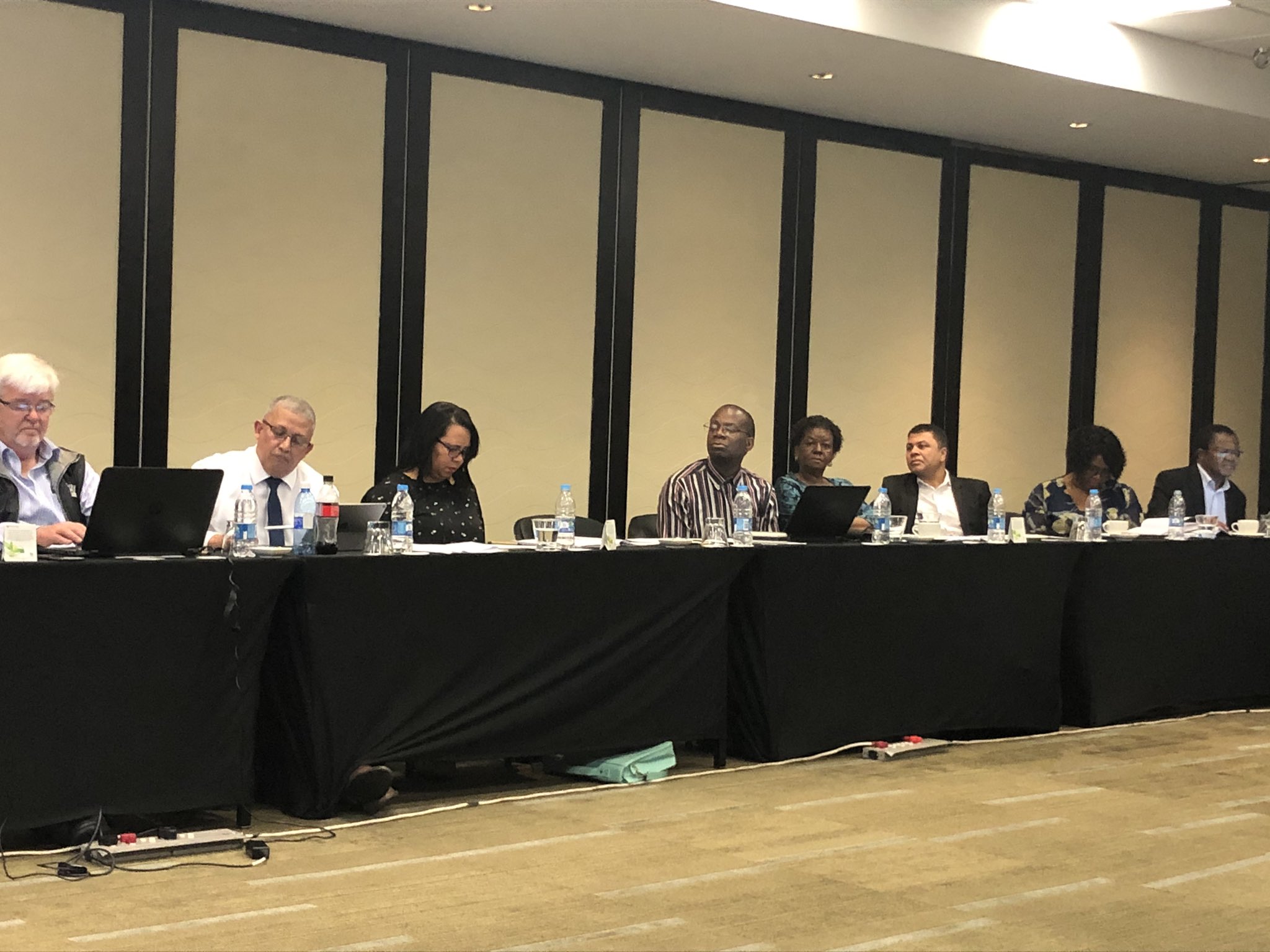
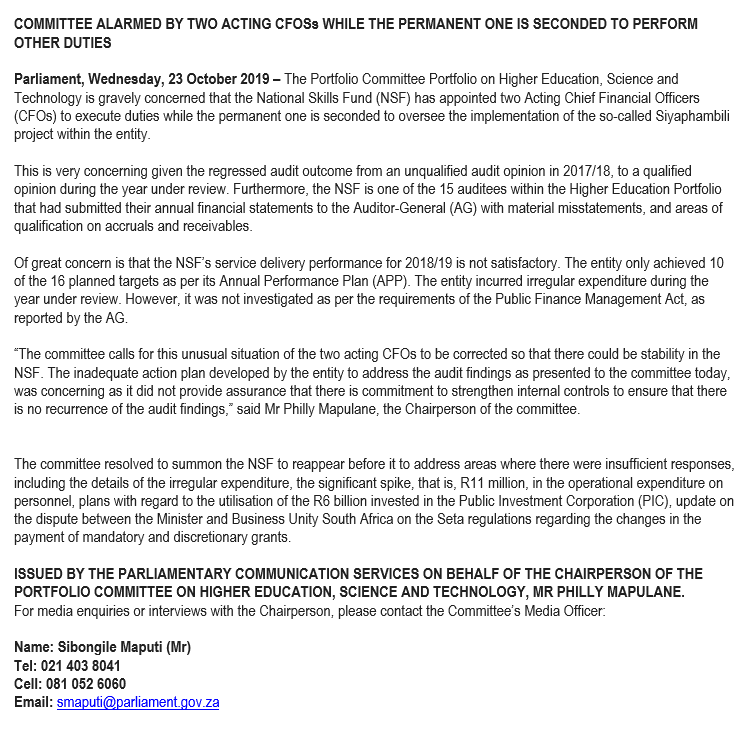
Parliament’s Portfolio Committee on Higher Education has expressed alarm that the National Skills Fund (NSF) has appointed two acting Chief Financial Officers, while the permanent person in the post is seconded to oversee the implementation of the Siyaphambili project within the entity.
“This is very concerning given the regressed audit outcome from an unqualified audit opinion in 2017/18, to a qualified opinion during the year under review,” Committee Chairperson Philly Mapulane said.
“Furthermore, the NSF is one of the 15 auditees within the Higher Education Portfolio that had submitted their annual financial statements to the Auditor-General (AG) with material misstatements, and areas of qualification on accruals and receivables.”
The Committee said of “great concern” is that the entity only achieved 10 of the 16 planned targets as per its Annual Performance Plan (APP).
The National Skills Fund faced tough questions from MPs yesterday, with lawmakers unimpressed by its failure to meet a third of its performance targets https://t.co/rUgFZ5xvIb via @BDliveSA
The NSF incurred irregular expenditure of R11mn during the year under review.
However, it was not investigated as per the requirements of the Public Finance Management Act, as reported by the AG.
“The committee calls for this unusual situation of the two acting CFOs to be corrected so that there could be stability in the NSF.
“The inadequate action plan developed by the entity to address the audit findings as presented to the committee today, was concerning as it did not provide assurance that there is commitment to strengthen internal controls to ensure that there is no recurrence of the audit findings,” said Mapulane.
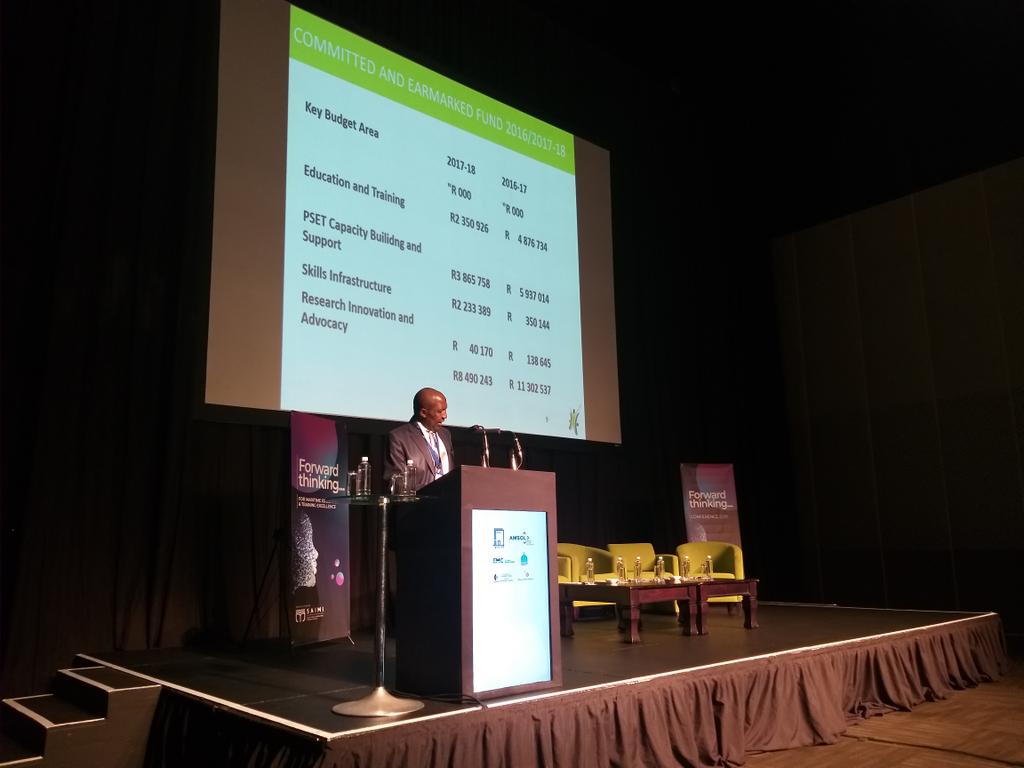
The committee intends to summon the NSF to reappear before it to further elaborate on areas where there were insufficient responses, including the details of the irregular expenditure, the significant spike, that is, R11 million, in the operational expenditure on personnel, plans with regard to the utilisation of the R6 billion invested in the Public Investment Corporation (PIC).
The higher education committee is also seeking an update on the dispute between Minister Blade Nzimande and Business Unity South Africa on the Seta regulations regarding the changes in the payment of mandatory and discretionary grants.
SHANGHAI – This week marks the beginning of the second week of the study tour to China involving 25 school principals from South Africa.
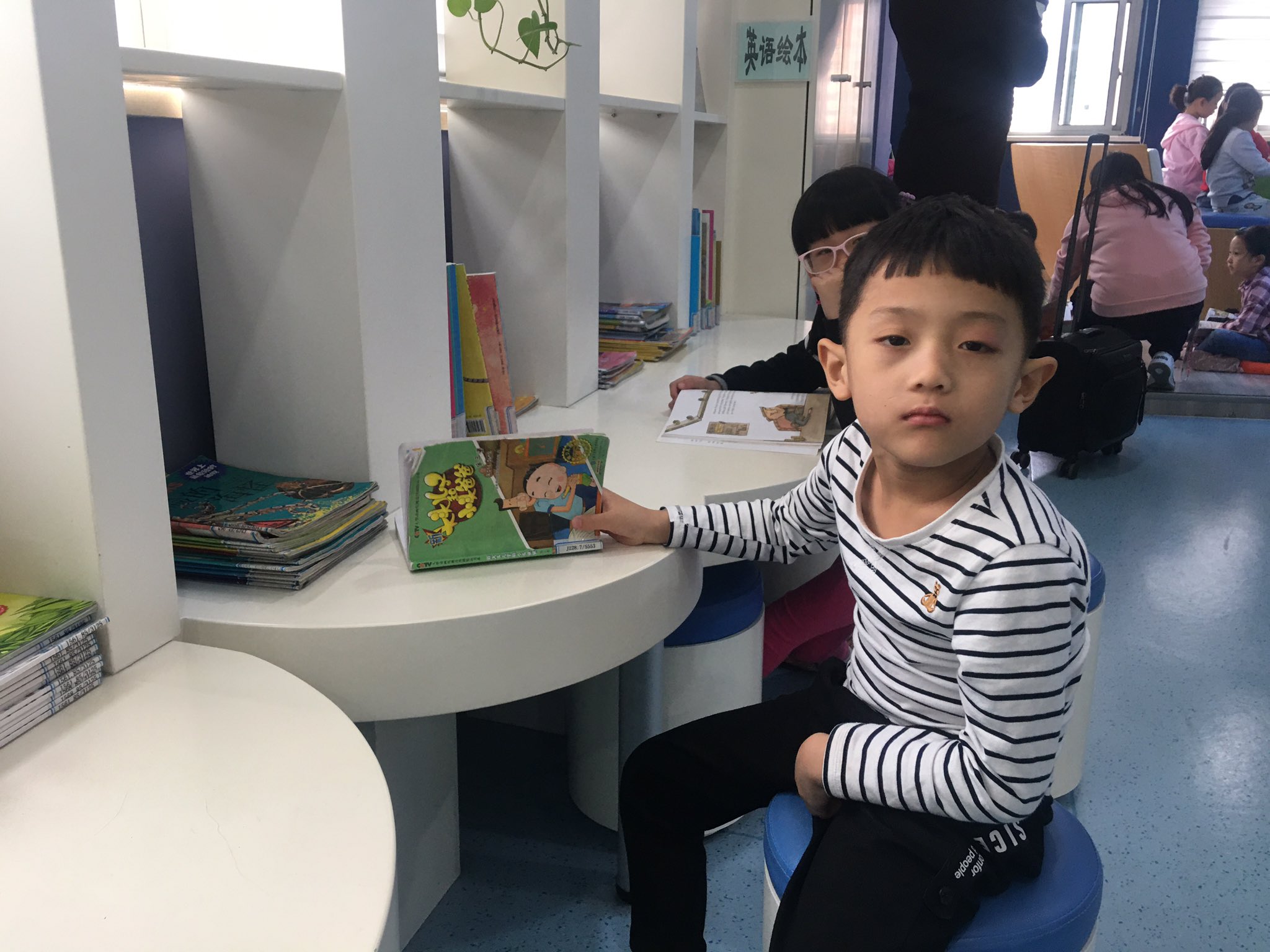
It promises to be another busy week ahead starting with a session at the Chongming Institute of Education in the morning and a visit to a rural primary and secondary school in the Chongming District of Shanghai.
The 25 principals are in Shanghai as part of the Department of Basic Education’s empowerment initiative for school managers in partnership with the government of China through the East China Normal University’s (ECNU) International Centre for Teacher Education.
Dr Peng Liping of the ECNU said that the presence of the school principals from South Africa in China would further promote the bilateral relationship and cooperation between the two countries and the friendship will enhance more opportunities in the future.
“The discussions on topics such as ‘how to be a school principal today, teacher professionalisation and quality assurance shall enable you to better understand what we have learned about China and its basic education and facilitate dialogue and discussions with your counterparts in school in Shanghai, said Peng.
“You will also share ideas on how to be better school principals.”
The schools principals from South Africa represent all provinces and were selected from primary and secondary schools in rural areas as well as urban regions of the country.
The Deputy Principal of New Forest High in Durban, Linda Shezi, said principals in China set the climate for their schools.
“This was evident in every school we have visited. The culture of the school requires the relentless pursuit of the what else factor, the school brand that distinguishes your school from another.“
“To set up and run a values-based school does not require any money, it does however require vision, adaptability, courageous leadership strength and leadership, strength of conviction and an unapologetic pursuit of doing the right thing educationally for children under our care,” Shezi said.
Dr George Motsoeneng, the principal of Embonisweni Primary School in the Free State, said that principals needed to remember that they have a difficult task of developing learners who were going to contribute to the growth of the country.
“The Principal should be a serving leader working to unify thoughts within the school. Curriculum delivery must not be compromised, instead all teachers must work to assist the school to ensure that the learners develop emotionally, intellectually, historically, cultural and that they are patriotic.”
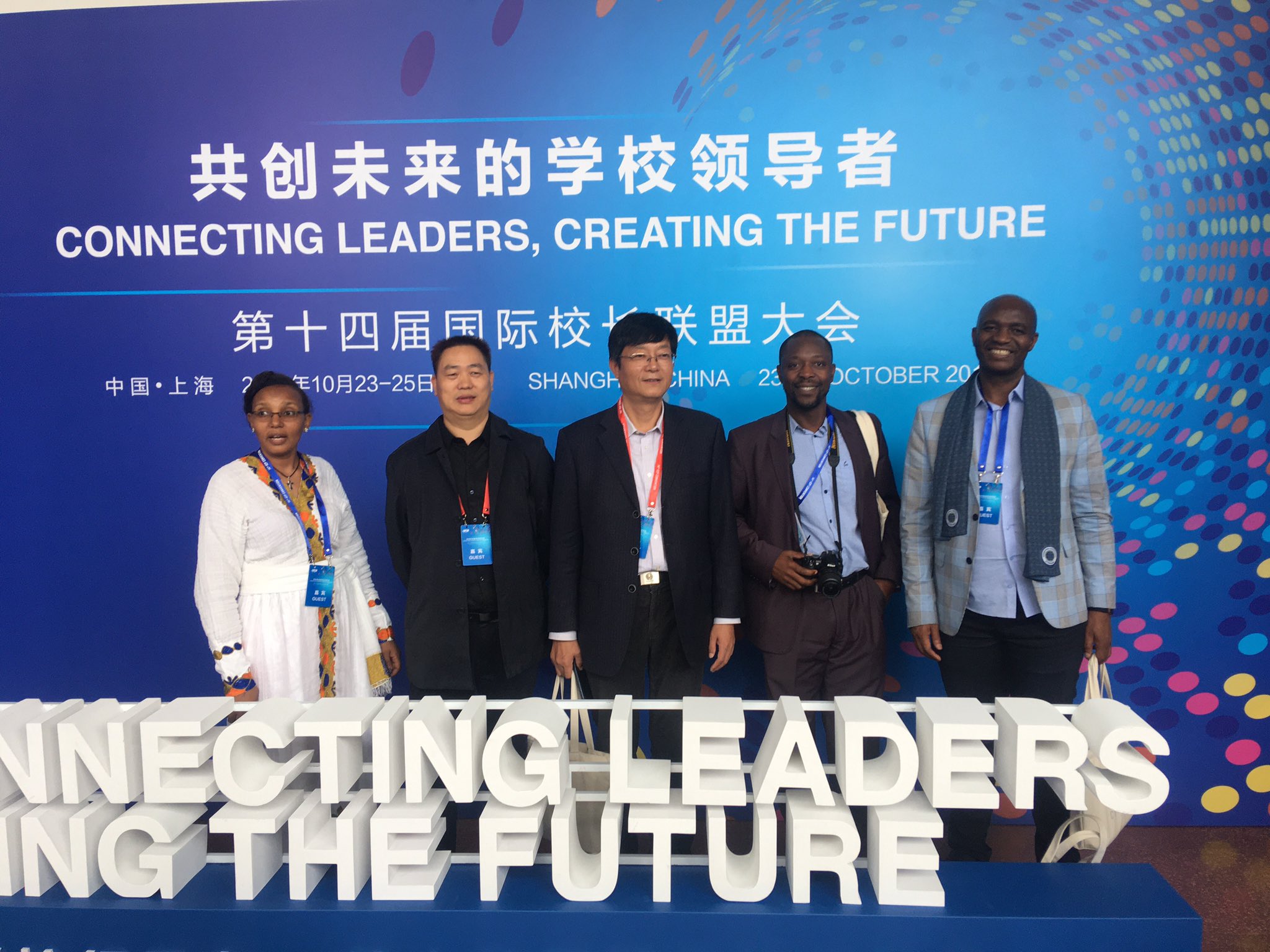
The school principals and the DBE officials will this week also attend the Biennial Conference of International Confederation of Principals from 23 to 25 October in Shanghai.
The Director-General of the Department of Basic Education Mathanzima Mweli will address the conference during the three-day programme.
The leader of the delegation James Ndlebe said that the first week had been a busy one and beneficial to all.
This was echoed by the rest of the principals as they individually gave positive reports on the success of the engagements and the lessons learned.
“The international conference coming up this week will add to an already hectic schedule but it will be extremely beneficial because we will have principals from around the world gathering under one roof to discuss issues affecting them and the work they do,” said Ndlebe.
More principals from South Africa together with provincial officials will join the conference when it commences on Wednesday.
“We are grateful for the sponsorship provided by the Chinese government,” he said.
The visit to China by the DBE officials and school principals is part of a country level agreement entered into between China and South Africa more than six years ago.
Elijah Mhlanga is the Chief Director, Media Liaison, at the Department of Basic Education