Home Blog Page 444

Celebrating Our Heritage Through Indigenous Languages

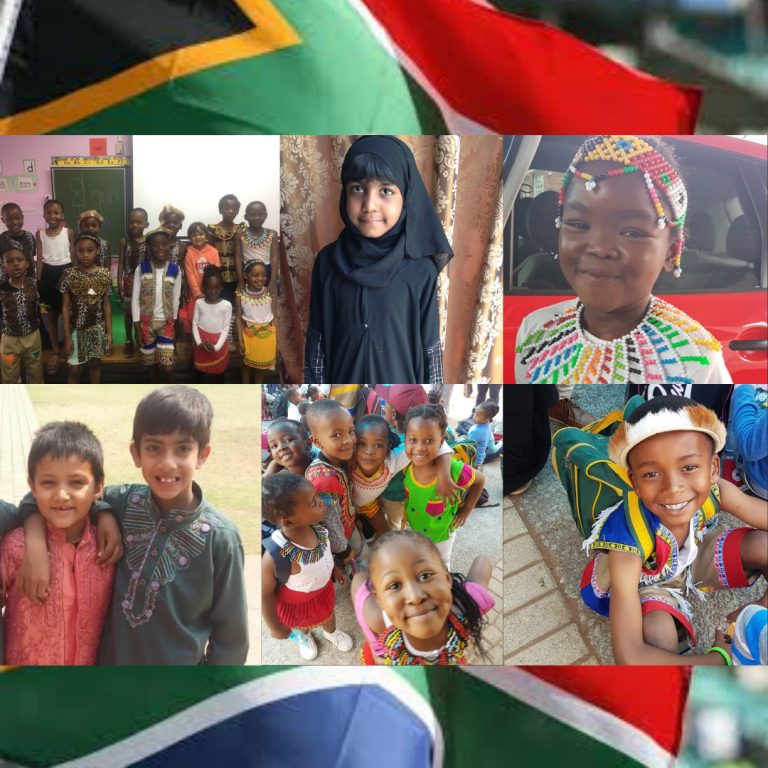
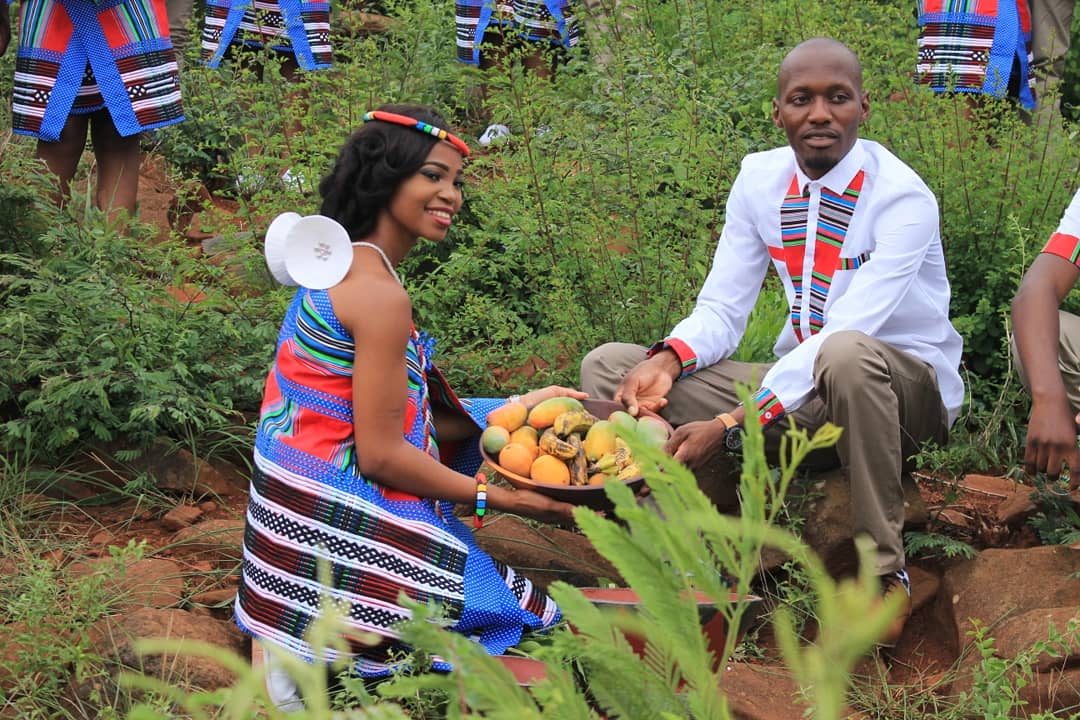
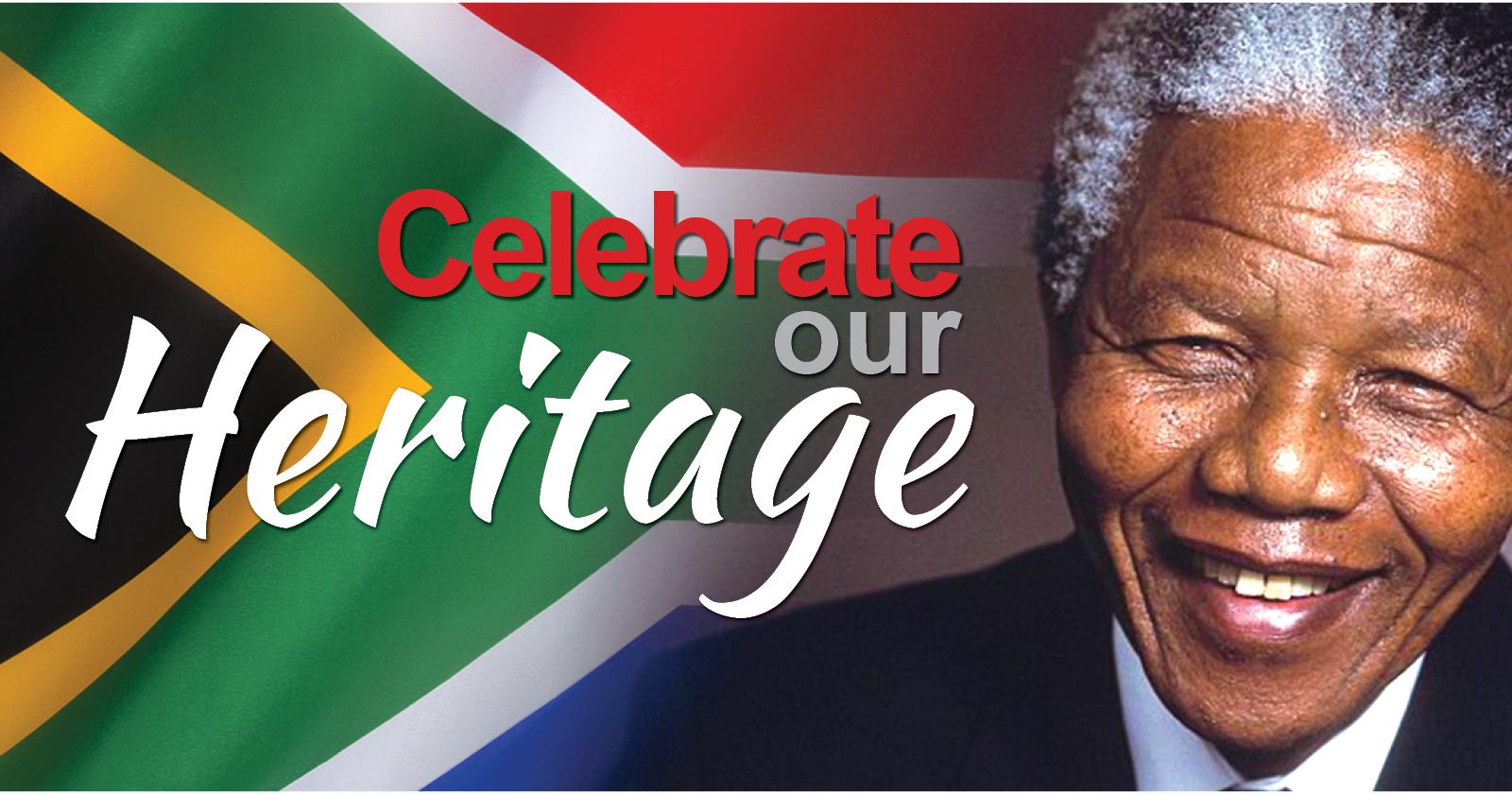
As South Africa marks Heritage Month this September, government will host a number of activities to give citizens an opportunity to embrace their cultures and those of others.

The theme for this year’s Heritage Month is: ‘25 Years of Democracy: Celebrating South Africa’s literary classics in the year of Indigenous languages’.

“During this Heritage Month, we celebrate, honour and pay special tribute to the authors of South Africa literary classics and our indigenous languages. The United Nations General Assembly proclaimed 2019 as the International Year of Indigenous Languages, based on a resolution of the UN Permanent Forum on Indigenous Issues.

“All South Africans should join forces to celebrate, preserve and promote our languages. This month should remind us as South Africans to celebrate our languages, our national identity and our unity in diversity.

“It is through multilingualism that we can truly aspire to achieve social cohesion. Let’s showcase the richness of our African languages. Our languages are our heritage, our present and our future. This culture should be one that goes on beyond the Month of Heritage,” government said in a statement.

The National Heritage Month 2019 kicked off with an activation on 2 September 2019 at the National Library of South Africa.

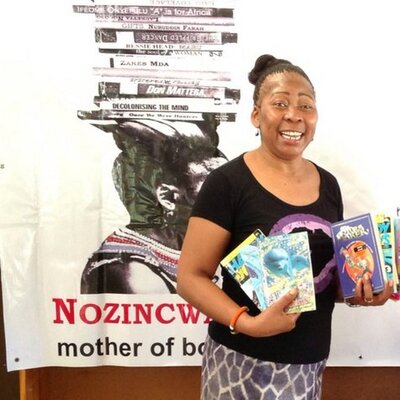
An exhibition was held to showcase different literary classics books. This was done towards the activation and support of this year’s theme.

During this month, Government will host build up activities, engaging with communities and track programmes that have been underway ahead of the celebration of National Heritage Day on 24 September 2019 in Upington at Northern Cape.
National, provincial and local libraries are hosting exhibitions where readers can be drawn to the wealth of literature in indigenous languages.

All learners and members of communities must join their local libraries, celebrate South African writing, and form book clubs to encourage a culture of reading and sharing of ideas.

The Department of Arts and Culture encourages artists and authors to take part in readings during this month and beyond. All South Africans are encouraged to buy a book and read a book during this month and beyond, celebrate literature and the wisdom contained in languages.

Build up to 24 September

The month kicked off with an activation on 2 September at the National Library of South Africa. An exhibition was held to showcase different literary classic books.

From 22 to 27 September, an indigenous games festival will take place in Polokwane.

A Heritage Month dialogue will precede the national commemoration on 23 September at 18h00 in Upington in the Northern Cape.
The 24th of September (Heritage Day Commemoration) will begin with a legacy project handover in Upington.

An official handover of a newly built library will take place prior to the formal programme. The programme will be led by the Deputy President.

The community will be entertained by a diverse cultural performance showcasing heritage as South Africans. Government services will also be provided on site prior and post the formal event at Mxolisi D. Jacobs Stadium in Upington. – 
Mpumalanga Education HOD Fired Following Feeding Scheme, Textbook Corruption – DA

The Democratic Alliance (DA) has welcomed the dismissal of the provincial education department head, Mahlasedi Mhlabane, following allegations of misconduct and tender irregularities involving the shortage of textbooks and the Mpumalanga Schools Nutrition Scheme.

Mhlabane has been under suspension since March this year after it emerged that she altered figures in the department’s annual report to cover her misconduct in connection with the shortage of school textbooks.

She is also facing allegations of corruption involving the multi-million rand Provincial Schools Nutrition Scheme.

Mpumalanga Premier Refilwe Mtshweni-Tsipane confirmed that Mhlabane’s contract will not be renewed as a result of the misconduct and the corruption levelled against her during a provincial legislature sitting, the DA said.

The premier, according to the DA, said her office took charge of the investigation against Mhlabane and with the probe finalised, it was decided not to renew the HOD’s contract.

Mhlabane’s troubles started in March 2017 when 9 Companies took her to court accusing her of irregularly awarding multi-million rand tenders to 17 Companies for the Provincial School Nutrition Scheme, the DA said.

As a result, the Provincial Department of Education is currently facing a lawsuit of over R100 million from the affected companies, the DA added.

By The Book

The DA said it lodged a complaint with the SA Human Rights Commission (SAHRC) against Mhlabane In October 2017, after becoming aware there were severe shortages of textbooks in Mpumalanga schools.

After a lengthy investigation, the Auditor General found that Mhlabane deceived the department by reporting (in an official report) that 63 percent of learners in the Province received study materials, only to discover that only 36 percent had actually received learning materials.

The DA said it planned to write to the Premier requesting all documents and information regarding the full investigation against Mhlabane.

Joint Sitting Of Education And Police Committees Discuss School Safety

A joint sitting of the portfolio committees of Basic Education and the Police in Parliament have been briefed on measures to address violence in schools.

Basic Education Minister Angie Motshekga said: ” Our main problem is learner on learner violence, which is taking place inside the classroom.”

She added that “The rate of bullying is high in terms of international standards and poorly managed schools tend to have more incidents of violence.”

The minister said community involvement was key to stem the violence in schools.

“Studies have shown that where communities take ownership of their schools, the rate of violence is low. School violence most often occurs on school premises, but it also takes place on the way to and from schools. Bullying is increasingly taking place online and with the use of mobile devices,” she added.

In the latest incident of school violence, a grade 10 learner was stabbed to death by a fellow pupil at the Tokelo Secondary School in Evaton over a cell phone.

https://insideeducation.co.za/lesufi-shocked-by-fatal-school-stabbing-over-cell-phone/

Basic Education Deputy Director-General, Dr Granville Whittle, said the National School Safety Framework remained the primary strategic response to school violence.

“It is based on a social ecological systems model, which locates the school within its broader community; it relies on collaboration and partnership. South Africa joined the Safe to Learn global campaign to end violence in schools, in partnership with UNESCO and UNICEF,” he said.

President Cyril Ramaphosa has declared school safety as one of six apex priorities for the sixth administration.

The joint committee sitting heard that two protocols were introduced to address the challenge.

These include the Management of sexual abuse and harassment and Management of Corporal Punishment in 2018; and the Collective Agreement which simplifies and consolidates prosecution of teachers accused of sexually abusing learners.

Several other interventions have been identified, MPs heard, through collaborations between the Department of Justice and the Department of Social Development,

Image result for police in schools south africa

These include the vetting of teachers and other staff and identification of hotspots for most at risk schools.

Learner Support Agents (LSAs) will be provided to all hotspot schools together with the provision of counselling services to victims (and perpetrators) of violence and abuse, the Basic Education department said.

Other measures include considering learner safety when planning school infrastructure, as well as taverns and liquor outlets in close proximity to schools, in partnership with the Department of Trade and Industry, SAPS and South African Local Government Association (SALGA).

Measures also include search and seizures in partnership with the SAPS and the provision of security guards to schools at risk.

Motshekga reiterated that community involvement was critical and that parents needed to play their part and support schools.

The issue of security guards and the police are welcomed, but the key challenge is what learners do to each other,” the minister said.

The SAPS said school based crime prevention would be intensified and that the collaborative agreement with the DBE would be revised in order to make it more effective, the MPs heard. 

Lesufi Shocked By Fatal School Stabbing Over Cell Phone

Gauteng Education MEC Panyaza Lesufi has expressed shock after a grade 10 learner was stabbed to death by a fellow pupil at the Tokelo Secondary School in Evaton.

It’s understood that two boys got into a fight over a cell phone, which resulted in the 14-year-old suspect stabbing the 17-year-old with a knife in the chest.

Police spokesperson Captain Mavela Masondo confirmed the arrest of the 14-year-old, adding that he was facing a charge of murder.

“It is alleged that the deceased and the suspect were fighting over the phone when the suspect took out the knife and stabbed the deceased on the upper body. He was certified dead on the scene,” Masondo said.

The Gauteng Education Department dispatched officials from its psycho-social unit to render counselling services to the learners, teachers and all affected by the incident.

2020 NSFAS Online Applications Now Open

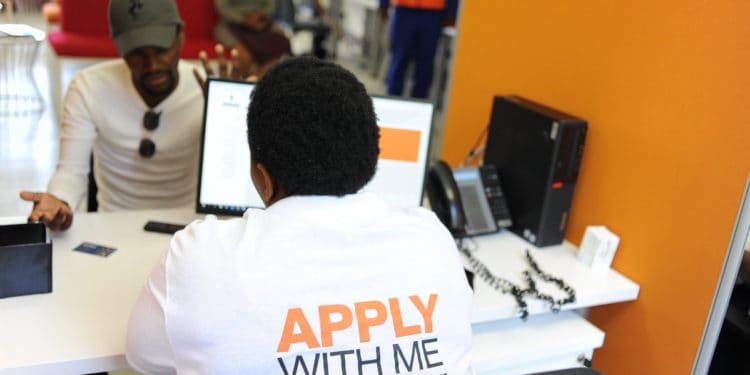
Higher Education, Science and Technology Minister Blade Nzimande has urged students who qualify to be funded by the National Student Financial Aid Scheme (NSFAS) to submit their applications for 2020 on time.

The application cycle will run for a period of three months, with the closing date being 30 November 2019 at midnight.

Nzimande said NSFAS funding is key to government’s support for students in higher education and training.

“We know that adequate funding and support are crucial factors in assisting students to succeed in their studies, and the support is provided specifically to ensure students have access to enable success in their studies.”

Image result for nsfas

“Our own studies in the Department of Higher Education and Training have shown that NSFAS students, on average, perform significantly better that students in the overall population,” Nzimande said.

This year, NSFAS has funded nearly 600 000 students at Technical Vocational Education and Training (TVET) colleges and universities.

Nzimande said the department is committed to ensuring that student funding system is effectively managed and implemented across universities and TVET colleges, and that students are able to fully access the funding that government has made available.

Over R80 billion set aside for prospective students 

The Minister announced that government has set aside more than R80 billion for the next three years to ensure that prospective students from poor and working class families, with a combined household income of R350 000 or less per annum have access to higher education and training.

“This is a massive investment in student support and an important policy of government to support and transform our higher education and training system and society,” Nzimande said.

He said the department’s bursary scheme providing fully subsidised fee-free higher education and training to students from poor and working class backgrounds started being phased in from 2018 over a period of five years.

Nzimande announced the approval of a second phase of NSFAS Administration from August 2019 to August 2020. Dr Randall Carolissen has also agreed to continue as the administrator to fulfil the responsibilities of management, governance and administration of NSFAS during this period.

“Despite a number of areas that require improvements in the management of NSFAS and the student funding system, Dr Carolissen has done a tremendous job in improving the functionality of the system,” the Minister said.

Nzimande reiterated the qualifying criteria for NSFAS funding: 

  • Be a South African citizen;
  • Intend to enrol at any of the 26 public universities or 50 TVET colleges in 2020;
  • Come from a family with a combined annual household income of not more than R350 000 per annum;
  • If you are a student with a disability and come from a family with an income of not more than R600 000 per annum; and
  • Agree to the terms and conditions of the NSFAS per annum. 

DBE Piloting Gender Based Violence Education Programme In 5 Provinces

Scripted lesson plans (SLPs) aimed at making learners more conscious of issues of Gender Based Violence (GBV), are currently being rolled out in over 1000 schools, the Department of Basic Education (DBE) has announced.

The SLP’s are being tested in five provinces, with the twin aims of strengthening the Life Skills curriculum while seeking to make learners more conscious on issues around GBV.

“The Scripted Lesson Plans (SLPs) have been designed to assist educators to teach scientifically accurate, evidence-informed, incremental, age appropriate and culturally appropriate sex education within the Life Skills and Life Orientation (LO) Curriculum Assessment Policy Statement (CAPS) in the classroom,” the department said.

These are currently being tested in 1572 schools across five provinces: Free State, Gauteng, KwaZulu-Natal, Mpumalanga and Western Cape ahead of full implementation. 

The DBE said the SPLs uses a “human rights approach which allows adolescents and young people to develop appropriate life skills to support healthy choices and promote gender equality.” 

The SLPs are additional resources for educators and learners to enhance learning and teaching in the classroom.

Additional resources to engage stakeholders within school communities have been developed in preparation for the provision of sexuality education in schools.

These include School Governing Body Orientation Manuals, School Management Team Orientation Manuals, Teacher Training Manuals and Parent Engagement Manuals. 

The DBE said it scripted the lessons plans to ensure standardised and quality delivery of Sexuality Education (SE) in schools.

The department’s HIV prevention and sexuality education curriculum and co-curriculum programmes have been part of the broader National Response in the fight against the HIV Epidemic, with key programmes such as the ‘She Conquers’ Presidential Campaign and the DREAMS Programme.

As a result of these joint efforts, the department said it’s “pleased to note a steady decrease in the new infections amongst adolescent girls and young women (from 2000 to 1300 infections per week), early and unintended pregnancies (from over 99 000 in 2013 to 82 00 in 2017 pregnancies among learners).”

“Through the provision of sexuality education, the department endeavours to equip learners with the knowledge and life skills that will empower them to make informed decisions and choices to ensure that they live healthy lives and realise their full potential,” the DBE said.

People Are Key To Unlocking SA’s Potential, Says Thabo Mbeki Unveiling His Foundation’s Report On Education And 4IR

Riyaz Patel

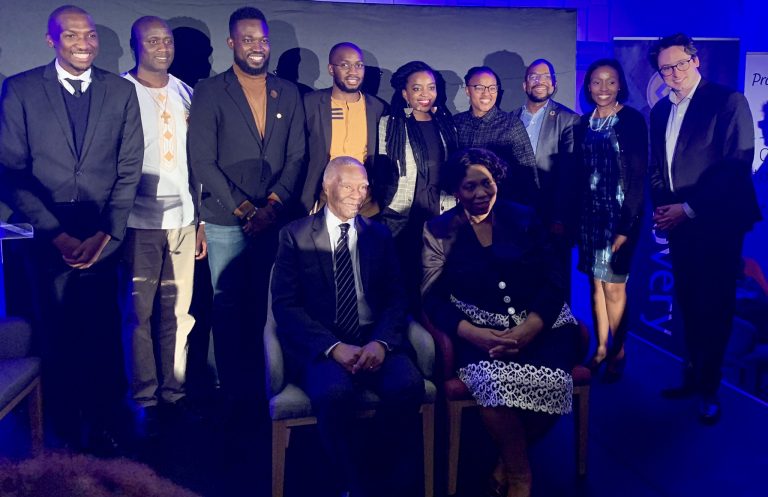
Thabo Mbeki and Minister of Basic Education Angie Motshekga are studying a report into education and the fourth industrial revolution compiled by researchers at the Thabo Mbeki Foundation (TMF).

TMF convenor, Lukhanyo Neer, said the 200-page research included four pilot studies on: a decolonised curriculum, examining existing online resources, emulating global best practice in the fourth industrial revolution, and bringing the teaching profession into the fourth industrial revolution.

Mbeki described the research as “a refreshing, positive development during South Africa’s trying times.”

“In the end, it’s not your platinum deposits or whatever else this country has, or the gas that was found by Total in the oceans. It’s not those things that will change South Africa for the better. It’s people,” said Mbeki.

Motshekga said the corporate sector offered great ideas and it was vital for government to enter into partnership opportunities which can be piloted on a smaller scale and benefit the sector and inform the bigger system.

“We have more than 12 million children in the system in total and the lessons we get from these children help us with great knowledge that we can potentially use to serve all of the other schools,” Motshekga said.

The report includes briefs of 50 schools across the country where digital learning programmes were piloted.

The Basic Education minister welcomed the report and said having an organisation that deals intellectually with the matter of education was very enriching.

President Cyril Ramaphosa announced during his State of The Nation Address in June, that education would figure prominently in the programme of the current administration.

Read All About It… South African Book Fair Launched At Constitution Hill

Storytellers, poets and books stacked to the rafters – a reader’s dream – that aptly describes the hive of activity at the launch of the South African Book Fair.

Launched at Constitution Hill Friday, The Book Fair will run until Sunday, which coincides with UNESCO’s International Literacy Day on 8 September 2019.

The day will bring to a close week-long activities that kicked off on 2 September as South Africa marked National Book Week.

The annual National Book Week is an initiative of the South African Book Development Council (SABDC), in collaboration with the Department of Arts and Culture.

Image result for ramaphosa reading book

National Book Week seeks to encourage the nation to value reading as a fun and pleasurable activity, and to showcase how reading can easily be incorporated into one’s daily lifestyle.

A 2016 South African PIRLS study revealed 78% of grade 4 learners could not read for meaning in any language.

And according to the SABDC, 58% of homes in South Africa do not have a single leisure reading book. 

National Book Week serves as a precursor to campaign by government and President Cyril Ramaphosa to instil a culture of reading in the country. 

In response to President Ramaphosa’s call to inculcate a culture of reading in the country, the National Education Collaboration Trust, together with the Department of Basic Education’s Read to Lead campaign, launched the National Reading Coalition (NRC).

The National Reading Coalition brings together leaders in education, community, non-profit, government, and the private sector to improve children’s literacy.

Image result for ramaphosa reading book

Within the NRC, a Presidential outreach programme known as the President’s Reading Circle has been established to instil the love of reading which will be launched in September.

The President’s Reading Circle will also have a web page where President Ramaphosa will update and engage the public on books he is reading.  

Through the book week and fair, the SABDC brings together poets, authors, storytellers and readers gather to encourage a culture of reading amongst the young and old.

Image result for Gcina Mhlophe

Renowned multilingual storyteller and poet Gcina Mhlophe was among the storytellers at the book fair who urged South Africans to grab a book and get lost in a world of adventure offered by reading.

“I’m encouraging all South Africans to please take the time to grab a book read a book, sit down and read especially if you can read in your own mother tongue. Readers are great leaders,” said Mhlophe.

With much of Friday dedicated to the school kids programme, the weekend programme will have talks, workshops, topics and activities for visitors from all walks of life. 

Authors such as Chris van Wyk of Mr Hare Meets Mandela, Tlalane Mofokeng of Sex talk with Dr T, Adekeye Adebajo of The Pan African Pantheon will engage in discussions with readers.

The book fair is open to all at a general admission fee of R10.

Learners Display Maturity At Limpopo Youth Parliament

A voice boomed over the PA system in the mayoral chamber of the Polokwane Local Municipality.

“I now call upon a member from the Women and Children’s Association,” the chairperson’s voice echoed through the chamber.

Instead of the usual figure of a grey haired adult, a little girl in white shirt and black skirt rose confidently to take up her place on the podium.

A warm round of applause accompanied her short little strides.

This wasn’t a normal council sitting. It was a sitting of a different kind, by a different kind of leader.

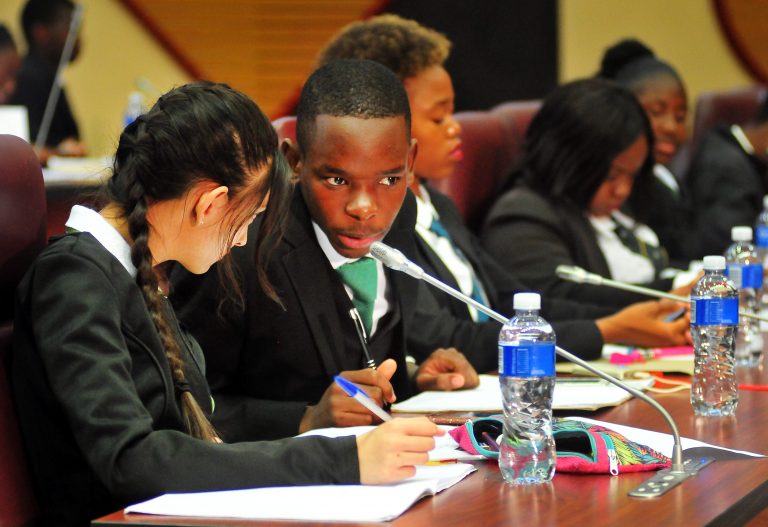
A total of 60 learners nominated from different schools around Polokwane were participating in the Youth Parliament.

A learner makes a submission during the Youth Parliament which formed part of the Polokwane Literary Fair. Photo: Lucas Ledwaba

The sitting formed part of the Children’s Fair programme of the Polokwane Literary Fair.

Now in its eight year, the Fair is described as “multi-disciplinary and concerned with the preservation of South African and continental history and heritage, particularly through a concerted effort in exploring and ensuring prominence of indigenous languages and knowledge systems.

This year’s highlights include an exhibition of the life and times of Hugh Masekela, the music icon who died of natural causes last year.

It also includes music, live poetry, book launches and a writers in conversation dialogue.

Sepedi literary giants Prof Maje Serudu, Dr Herbert Lentsoane and the late OK Matsepe will be conferred honorary awards while Thabang Tabane, who continues the legacy of his late father Dr Philip Tabane the founder of Malombo music, will deliver a musicians in conversation piece.

The Children’s Fair which started Monday included story-telling, Spelling Bee and Wordathon and writing workshops targeted at learners from various schools drawn from around the Polokwane local municipality.

It also included as one of the highlights the Mayoral Trophy Debate Grand Finale in which learners debated the municipality’s plan to Polokwane into a smart city.

The Youth Parliament debate pitted those who are in support of the use of English as the official language of business and those opposed to the idea.

The learners tackled the subject with a maturity and intellect and the debate is all the more relevant as UNESCO has declared 2019 the ‘International Year of the Mother Tongue.’

Unesco says approximately 600 languages have disappeared in the last century, and paints an even grimmer picture, saying that languages continue to disappear at a rate of one language every two weeks.

Unesco says 90 percent of the world’s languages are likely to disappear before the end of this century if current trends continue.

Image result for Polokwane Literary Fair

However the vigour with which the Youth Parliamentarians tackled the issue offered much hope that at least a seed has been planted to ensure that indigenous languages do not disappear.

They argued that although English is a universal language that helps South Africans to communicate with the world and opening opportunities in business; many local people are at a disadvantage because it’s not their mother tongue.

They argued further that learners struggle in school because they are taught in English, a language they hardly understand – which puts them at a disadvantage especially when it comes to scientific languages.

Polokwane executive mayor Thembi Nkadimeng said the Polokwane Literary Fair is an important asset and instrument that facilitates nation building, intra-generational and cultural dialogue, and the preservation of aspects of the history and heritage.

University VCs To Engage Ramaphosa On Gender Violence

All 26 vice-chancellors (VCs) of South Africa’s universities will engage President Cyril Ramaphosa over the scourge of gender violence playing out on campuses across the country.

This after the 19-year-old University of Cape Town student Uyinene Mrwetyana was found raped and murdered this week, allegedly by a South African Post Office employee, and the killing of 19-year-old theology student Jesse Hess from the University of Western Cape.

The news comes as thousands gathered at the gates of Parliament to vent their anger over gender violence.

Ramaphosa accepted a memorandum from the protestors and announced that he will address the nation on efforts to combat gender-based violence.

The VCs, under the banner of Universities South Africa (Usaf), stated that universities were experiencing an “epidemic of incomprehensible violence.”

We have every right to be angry

Our people are angry – angry about the violent abuse of women that happens daily, angry about not being heard, angry about the irrational violence that robs people of their lives, angry about the lawlessness in our country, angry about the wanton destruction of infrastructure and angry about the empty promises and lack of political leadership on these matters. “ the VCs said.

Usaf said while political leadership and a practical agenda that works through national laws and the Constitution are needed to find a long-term solution to eradicate the scourge, there is also a need for all of society to work together to eradicate gender-based harm in society.

“It is imperative to hold those who are guilty of perpetrating gender-based harm to account and we should do so through the channels and processes developed to address gender violence.”

“All complaints of gender-based harm should be referred to the respective Gender Equity Offices at the universities who have committed to investigating all complaints expeditiously,” said Usaf.