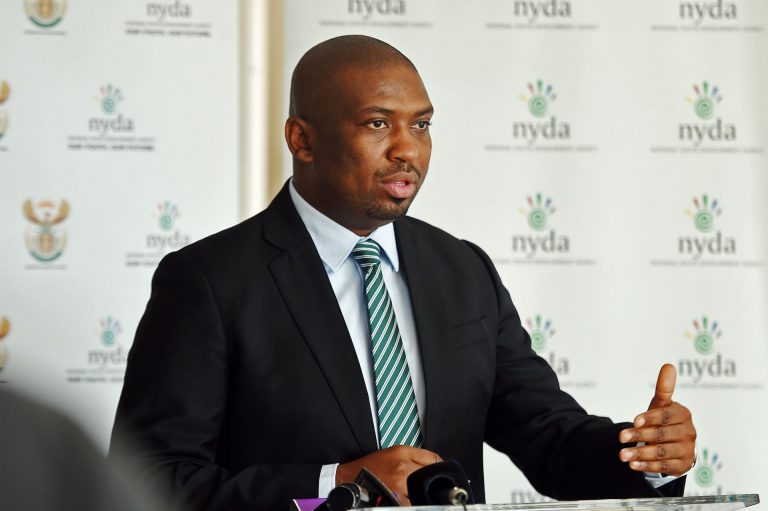
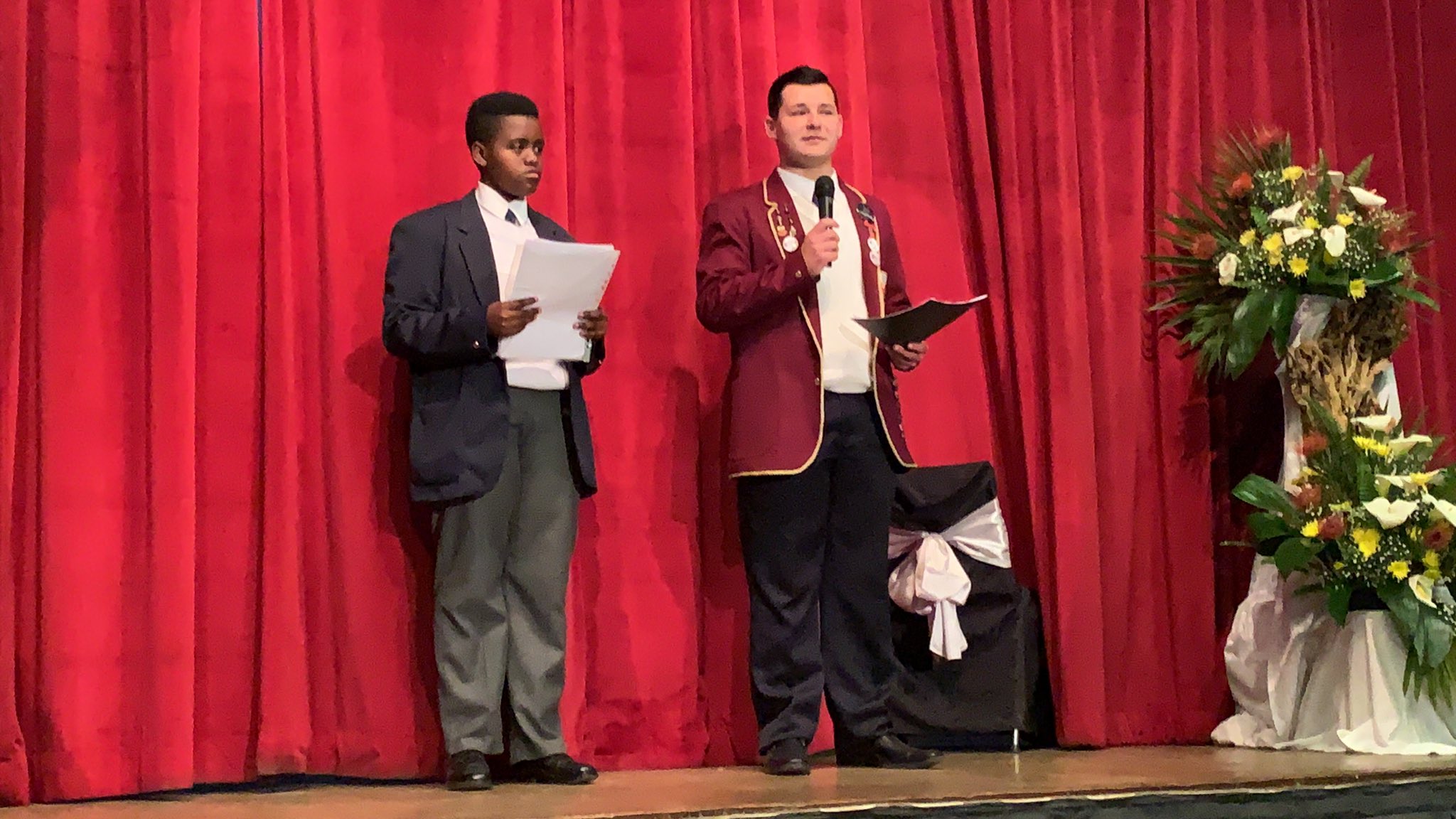
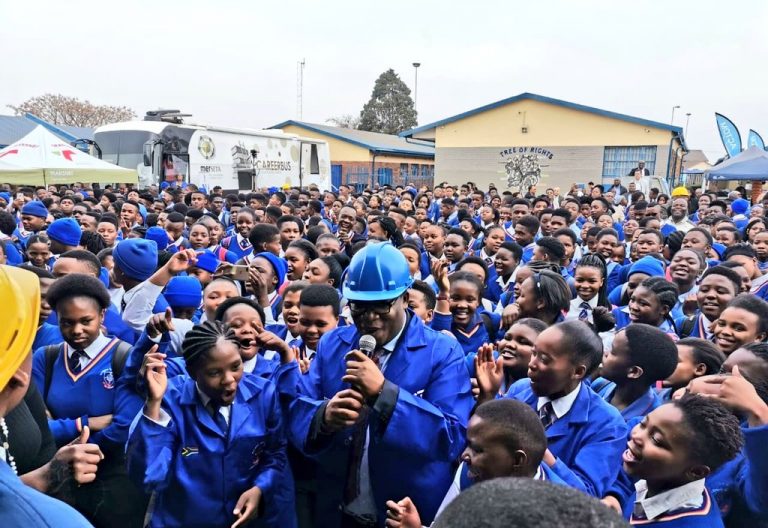
The launch of St Barnabas and UJ Metropolitan Mathematics specialist Science, Technology, Engineering and Mathematics (STEM) schools is set to ignite a new level of hunger in these areas, Gauteng Education MEC Panyaza Lesufi said Friday.
The two Schools of Specialisation (SoS) will focus on high tech and innovation.
The SoS will offer a highly specialised curriculum and seek to nurture the development of top talent in South Africa across key disciplines, breeding the country’s future generation of leaders.
“This will enable learners opportunities to build exciting technology and science-focused careers in the future, making a positive impact in our country and the world we live in,” said Lesufi.
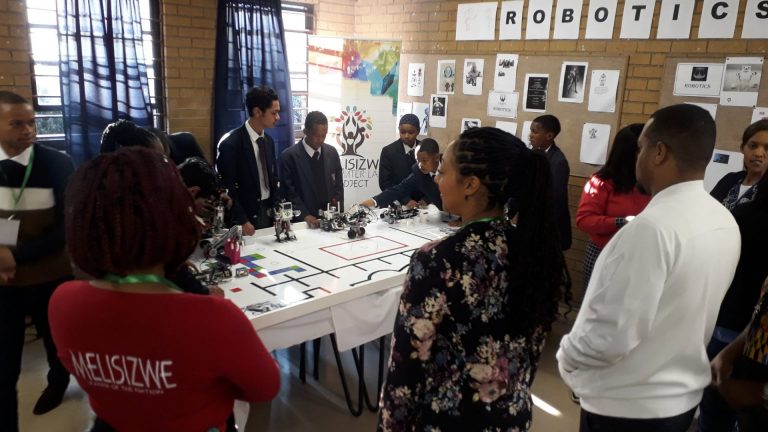
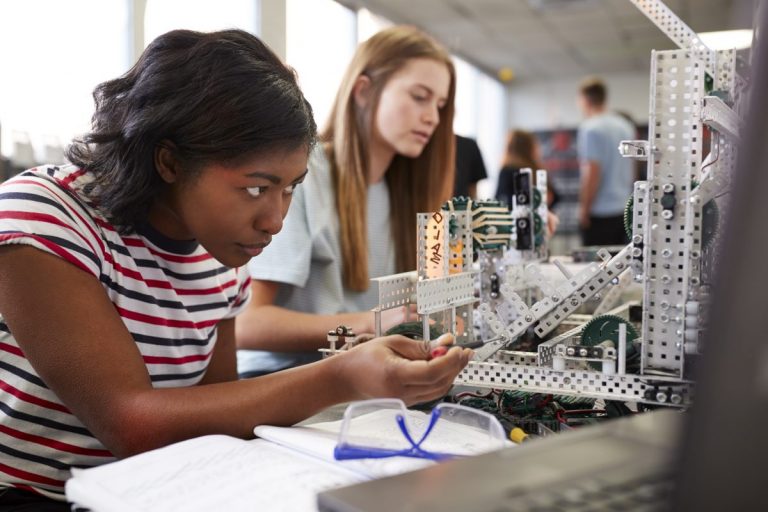
St Barnabas High School and UJ Metropolitan High School are Mathematics, Science and ICT will offer a series of courses in basic IT literacy, computer programming and robotics.
The schools are part of a wider initiative by the GDE to drive interest among learners in Science, Technology, Engineering and Mathematics (STEM) and ICT subjects, giving them skills needed to avail of the wide range of technology careers being created by the 4th Industrial Revolution.
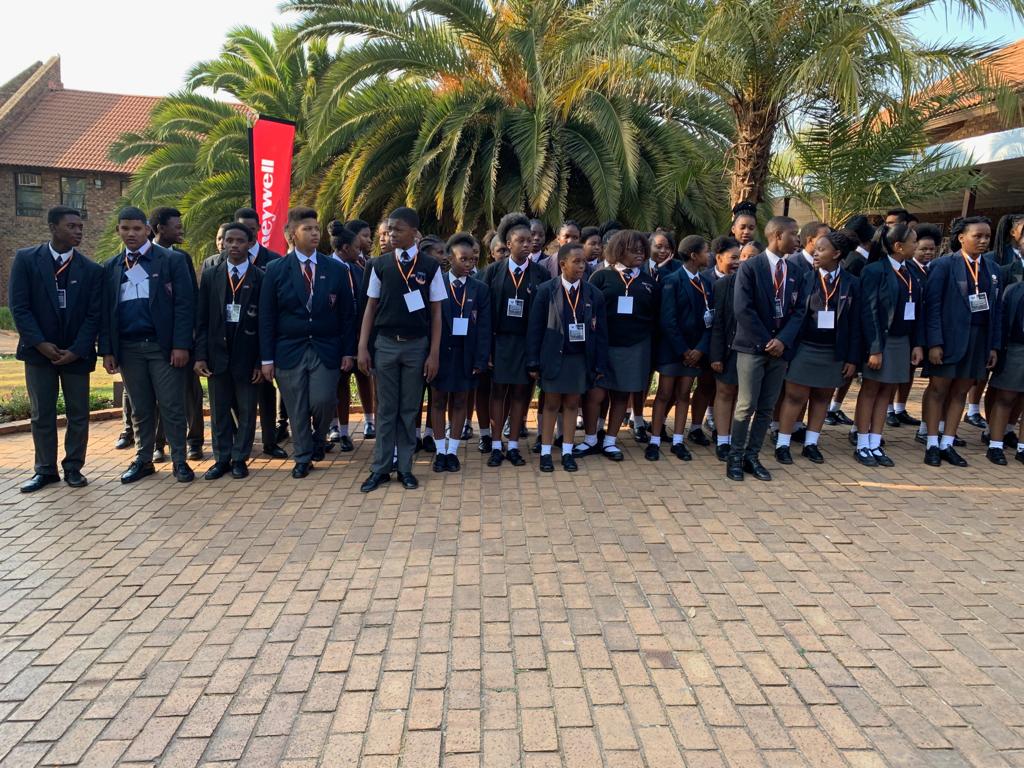
Through the department’s partnership with Honeywell and Melisizwe Computer Lab Project, 197 Grade 8 learners from both schools will be equipped with software programming and other ICT skills.
“Industry 4.0 is shaping the future of how the world works and Honeywell’s innovations sit right at the forefront of this revolution,” said Honeywell Africa President Sean Smith.
“By investing in courses such as the Melisizwe Computer Lab Project, we are ensuring that young people in South Africa have the best possible start to their future technology careers so that they too can go on to help shape the way the world works through innovation,” Smith added.
These specialist schools aims to assist in addressing skills shortages in Gauteng by creating skilled labour for the economy that will respond to the re-industrialisation strategy of the Gauteng City Region.
“A generation of children risk being denied the right to learn,” UNICEF has warned in a new report detailing the effects of violence across West and Central Africa.
A surge in “deliberate attacks” against students, teachers, and schools in the regions have led to a tripling in school closures in the last year and “left almost two million children robbed of an education,” the UN Children’s Fund (UNICEF) said.
“With more than 40 million 6 to 14-year-old children already missing out on their right to education in West and Central Africa, it is crucial that governments and their partners work to diversify available options for quality education,” said UNICEF Regional Director for West and Central Africa Marie-Pierre Poirier.
Many areas in West and Central Africa are witnessing increased hostility towards education by warring factions, with more than one quarter of the 742 verified attacks on schools globally in 2018 taking place in five countries across West and Central Africa.
“It is important to highlight those challenges, to highlight the struggle of those people. They need us, they need our attention,” Muzoon Almellehan, UNICEF’s youngest ever Goodwill Ambassador, told journalists in Geneva.
From Burkina Faso to Nigeria, more than 9000 schools shut.
UNICEF
As of June 2019, 9,272 schools closed across eight countries in the region, affecting more than 1.91 million children and nearly 44,000 teachers.
UNICEF data (to June 2019) indicates that over 9000 schools have been closed in Burkina Faso, Cameroon, Chad, Central African Republic, the Democratic Republic of the Congo, Mali, Niger, and Nigeria as a result of insecurity – three times the number at the end of 2017.
“Over the past two years, the number of schools that have been shut down has tripled; over 9,000 schools due to the insecurity have been attacked,” said UNICEF Deputy Executive Director, Charlotte Petri Gornitzka.
The UNICEF report noted how increased insecurity across north-west and south-west Cameroon has left more than 4,400 schools forcibly closed.
In Burkina Faso, more than 2,000 schools are shut, along with more than 900 in Mali.
In the central Sahel region, the figures are more disturbing. Burkina Faso, Mali, and Niger have witnessed a six-fold increase in school closures as a result of attacks and threats of violence in just over two years, from 512 in April 2017, to more than 3,000 by June this year.
Some 1000 school remain shut in the four countries affected by the crisis in the Lake Chad Basin – Cameroon, Chad, Niger, and Nigeria.
Almellehan, back from visiting a camp for people displaced by violence in central Mali said it’s a tragedy that children are being denied a future, and something she takes personally.
“I had to flee my homeland in Syria in 2013 and I also had to live in refugee camps,” she explained.
“It wasn’t easy for me and also I can feel like those children who can’t go to school, because education is something really, really important to me, myself.”
Almellehan pointedly said: “One direct result of children not getting an education is that they are more vulnerable to recruitment by extremists or abuse at their hands such as forced marriage.
In a broader context, the lack of schooling “is casting a foreboding shadow upon children, their families, their communities and society at large,” UNICEF said.
The UN agency said it’s working with education authorities and communities to support alternative learning opportunities including community learning centers, radio school programs, technology for teaching and learning, and faith-based learning initiatives.
It is also providing tools for teachers who work in dangerous locations, and psychosocial support and care for schoolchildren emotionally scarred by violence.
“Now more than ever, governments must reaffirm their commitment to education and protect spending on education for their youngest citizens,” the UNICEF report emphasized.
“Now is the time for renewed efforts to make sure the potential of a generation of young people is not wasted,” it further underlined.
Children in conflict-affected areas of West and Central Africa account for 1 in 4 children globally who need humanitarian support – including education and other services critical to learning.
Yet, as of 5 August there is a funding gap of 72 percent of the $221 million to provide humanitarian assistance in education for these children.
South Africa’s Deputy Minister for Higher Education, Buti Manamela, has secured agreement on high-level research cooperation, including mutual recognition of various academic qualifications, during a visit to India.
Manamela, in discussions with India’s Minister of State for Human Resource Development Shri Sanjay Dhotre, also reached consensus on the formation of a Joint Committee on Education to streamline coordination between Pretoria and New Delhi.
Dhotre underlined the historic connection between the two countries, pointing out that South Africa is one of the countries covered under the Indian government’s Scheme for Promotion of Academic and Research Collaboration (SPARC).
SPARC is geared towards enhancing the global research ecosystem by facilitating academic and research collaborations between Indian institutions and other renowned universities across the world.
Since its launch in 2018, four research project proposals from South African institutions have been accepted under the scheme.
In addition, 17 reputed South African academics are on teaching assignments at Indian institutions under the Global Initiative of Academic Networks (GIAN) program
GIAN taps the talent pool of foreign faculty to teach higher education courses in India.
It’s expected that a comprehensive Memorandum of Association covering different facets of mutual cooperation in the field of education will be hammered out during Manamela’s visit.
In a move to improve learner outcomes and foster social cohesion, the Gauteng Education Department (GDE) has officially launched the twinning of Hoerskool Bastion (Krugersdorp) and Madiba Secondary Schools.
Launched Wednesday, the Twinning Programme is part of the Gauteng Department of Education’s wider strategic framework and its “Re-organisation of Schools” strategy.
Amongst other schools that were paired are Mikateka Primary School (Ivory Park) and Halfway House Primary (Midrand), Unity Secondary (Daveyton) and Wordsworth High School (Benoni).
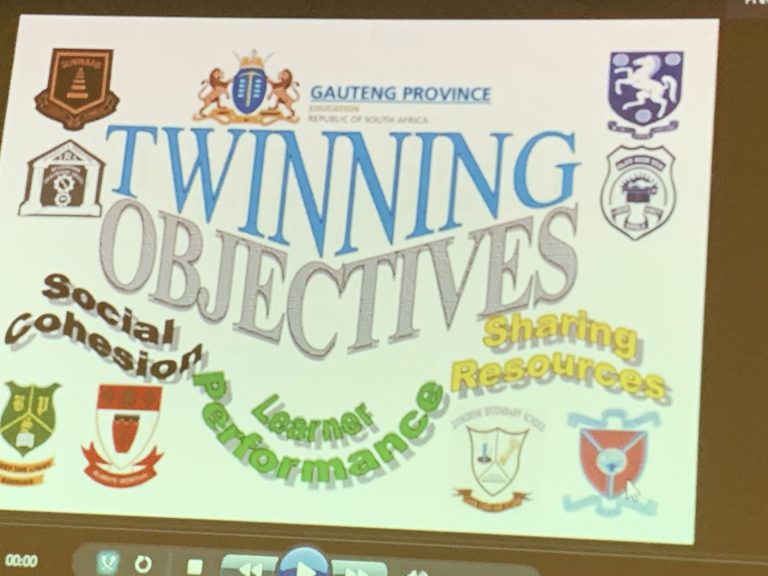
Through the program, the department pairs suburban and township schools to nurture holistic learner development by creating an environment for cultural exchange through sharing expertise and resources.
The program also ensures that learners are exposed to peers from diverse socio-economic backgrounds, improve equality of access to high-quality education, and strengthen the quality of education delivered compared to global best practice.
“We are proud of the outcomes witnessed from the first phase of the twinning program and grateful for the support received from the four pairs of schools, which opted for Section 17GB status during the pilot phase.“
“Our greatest respect goes to our first pair of schools, Bovet Primary, and Lyndhurst Primary School. We have witnessed improvements and the schools benefited from our partnership with Honeywell, which exposed their teachers to the Aviation world in America,” said GDE MEC Panyaza Lesufi.
Alexandra Secondary and Sandown High Schools, Cultura Secondary and Zithobeni Secondary Schools, Reiger Park Secondary and Sunward Park High School were twinned in the first phase of the program in 2017.
“These pairs of schools have demonstrated that through twinning, the resources can be shared between schools, learners and educators can participate in shared teaching and learning activities, including social cohesion the teaching expertise in the subject content and achieving improved learner performance,” said Lesufi.
The department has also developed an implementation plan to support schools during and after twinning to ensure achievement of potential benefits, such as:
– Cultural exchange as learners integrate; – Improved cultural awareness; – Sharing of resources and resultant efficiency gains, and – Embedding Social responsibility.
Lesufi dismissed notions that the twinning of schools initiative would result in the more affluent school being disadvantaged.
“It is important to note that, this program offers opportunities to School Governing Bodies to re-think the opportunities for change embedded in the Twinning, as the future is now to increase private partnership investment to the benefit of our schools.”
The MEC said the program has been carefully structured to benefit all of the flagship schools. He added that the department has prioritized the provision of resources, assistance, and support to these schools.
“Ultimately, the program provides a potential benefit, as opposed to a burden, for the schools, its learners, parents, and the education system as a whole,” said Lesufi.
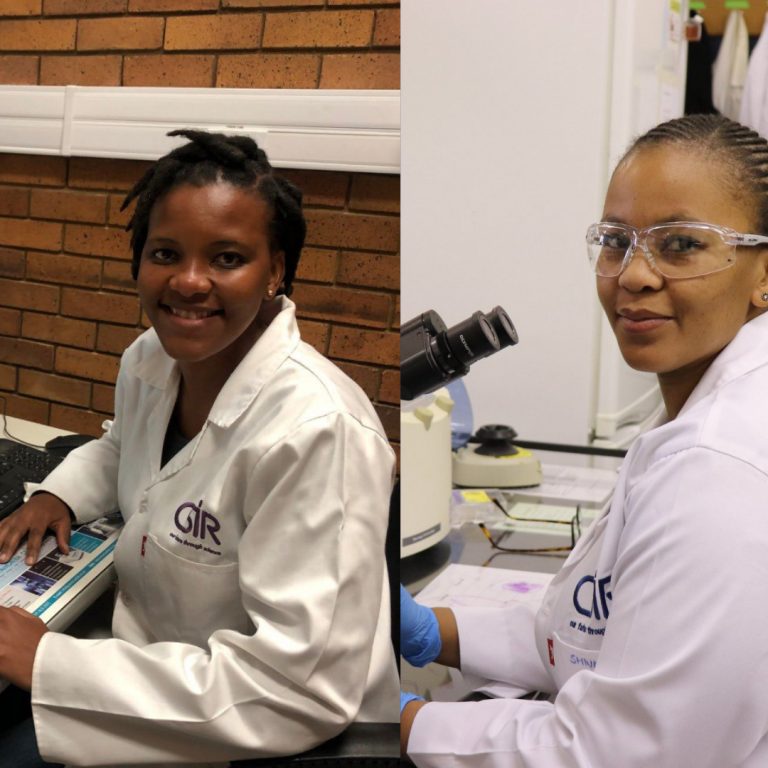
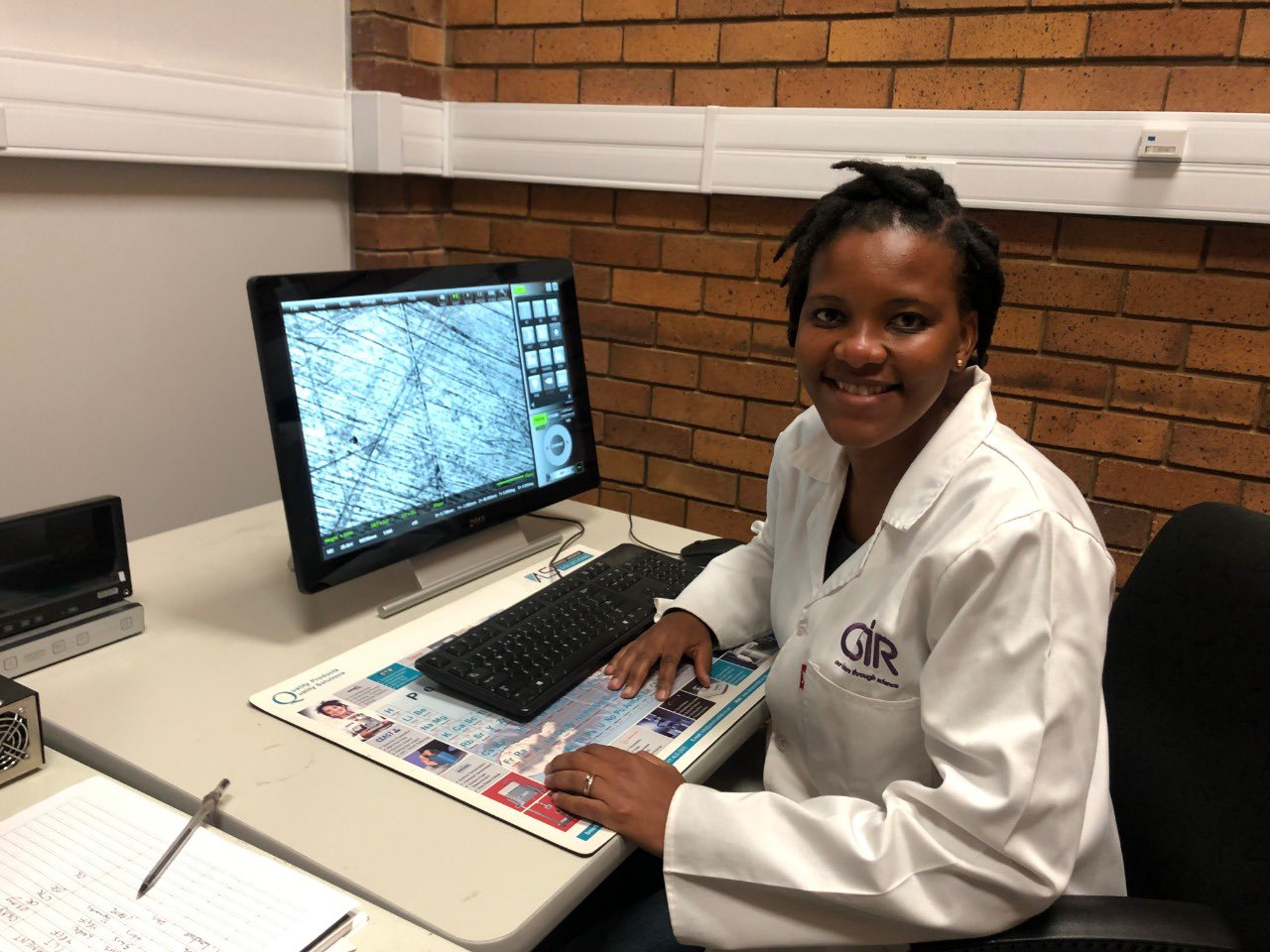
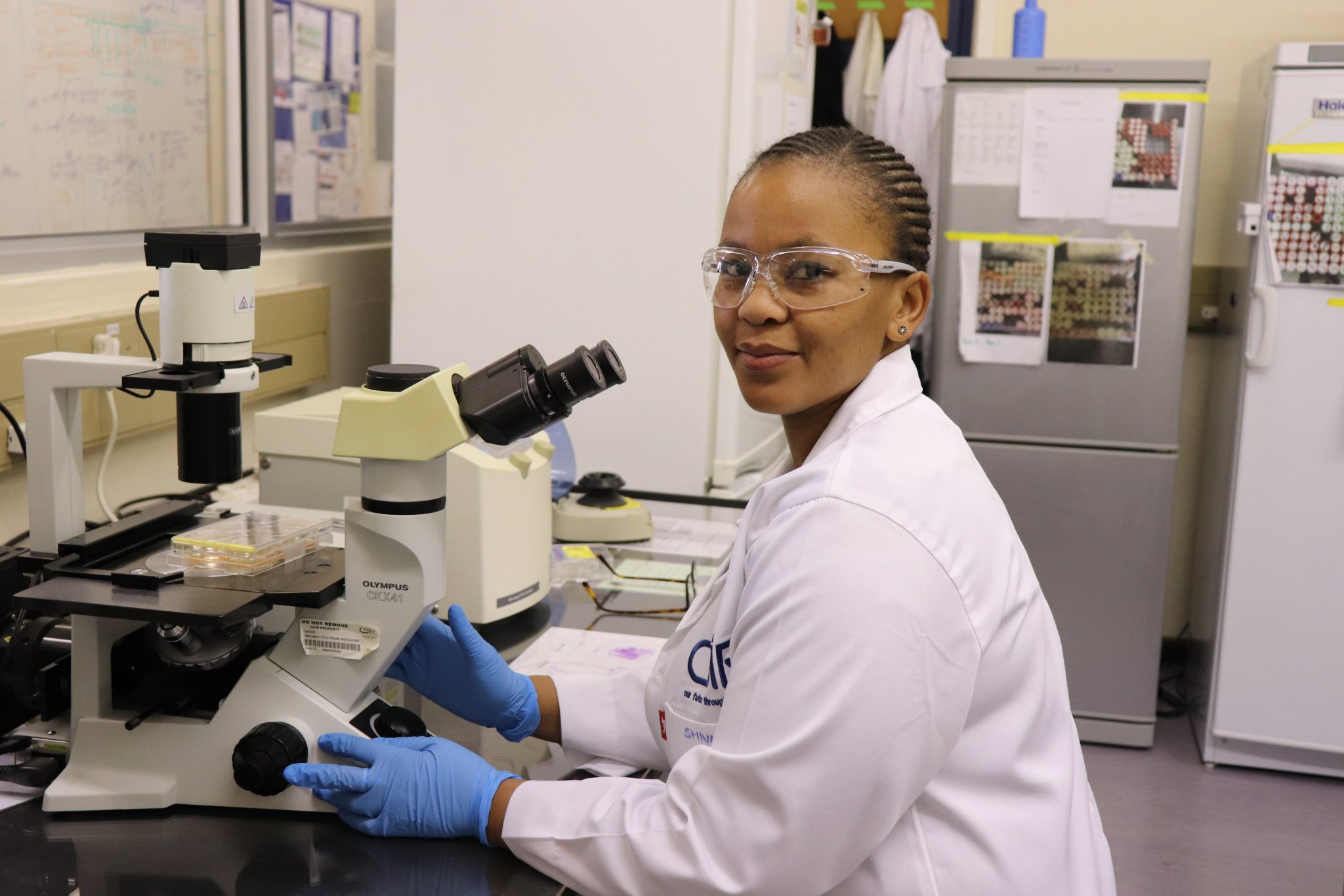
Female researchers at the Council for Scientific and Industrial Research (CSIR), working in additive manufacturing and stem cell reprogramming, have announced some of their research breakthroughs.
Dimakatso Gumede and Londiwe Motibane are involved in Additive Manufacturing and its applications and Stem Cell reprogramming, respectively.
With only a handful of researchers in South Africa having mastered Stem Cell reprogramming, Gumede is among the select few.
Gumede said her research seeks to address adverse drug reactions observed in the African population due to genetic diversity.
“Using pluripotent stem cells, we are able to make liver cells and screen the prescribed drugs for liver toxicity to make dose recommendation or alternative medication for African individuals who develop adverse drug reaction to commonly prescribed drugs,” Gumede said.
She added that the African population is known for its genetic variation, which often affects the way in which an individual responds to particular medication.
“For example, while an aspirin may work effectively for 70% of the population, it is possible that the remaining 30% may experience adverse effects,” she said.
CSIR Materials Engineering Masters candidate, Motibane, an engineer by profession, said engineering has always been a space full of men and that has to change.
“I was previously working in mining and I must say that it was difficult to compete as a female. Women should be allowed to showcase their talents at all times because they are very capable,” she said.
Motibane said additive manufacturing, also known as 3D printing, is a transformative approach to industrial production that enables the creation of lighter, stronger parts and systems. It is yet another technological advancement made possible by the transition from analog to digital processes.
“We are able to show that we can do just as well as our male counterparts and even better sometimes. But mostly this shows that science and engineering can be and should be done by anyone regardless of background, gender or race,” said Motibane.
PhD scholar Gumede studied the role of a gene mutation that causes skin and lung fibrosis, using a scientific method called induced pluripotent stem cells.
Gumede intends to use the stem cell and genome engineering platforms to find new approaches to eliminate HIV reservoirs in infected persons and, hopefully, also contribute in finding key therapeutic strategies that resolve excessive scar formation in heart and lung conditions.
Dr Ntombi Mathe, a CSIR senior researcher, says that “women are no longer restricted by obstacles that restricted them in the past. One is only restricted by one’s own imagination. You can dream as big as you want, as long as you’re willing to put in the work. It’s high time we stop downplaying ourselves. There is no industry that is a ‘man’s industry.‘”
A seminar to discuss the impact of digital transformation and challenges faced by women in the ICT sector has heard that only 13% of SA graduates in the STEM (science, technology, engineering and mathematics) fields are women.
This trend is what spurred Tuesday’s dialogue, convened by Gauteng MEC for Finance and e-Government Nomantu Nkomo-Ralehoko, and is expected to develop 15 points which will be implemented through the province’s Department of e-Government.
“Many women out there still fear technology and are not exposed to opportunities. However the advent of the Fourth Industrial revolution doesn’t give us that opportunity to be in doubt. Technology doesn’t wait for you, it will definitely not wait for us, we need to be ready for it and tackle it head on.” said Nkomo-Ralehoko.
The discussions around women in the ICT sector comes as German multinational Siemens said digitalisation offers Africa the opportunity to accelerate growth and rapidly expand struggling economies.
The company added that decision-makers must get strategies in place quickly in order to succeed.
“Experts say the urban population in Africa is expected to grow to 56 percent in 2050 from 35 percent in 2010, and this rapid urbanisation will require robust infrastructure to ensure expanding cities are hubs of growth and commerce,” Siemens said.
The event will be attended by women representing stakeholders in the ICT sector and is part of the department’s Women’s Month programmes which seek to equip women with information and skills to be active participants in the sector.
“And I don’t know why we are not in the forefront of digital transformation because women have been a vanguard of any process that has transformed society. Even during the times where we didn’t have a voice, we would always find a way to make a statement. And when we do everybody listens,” Nkomo-Ralehoko told delegates.
She said Rwanda is an apt example of successful emancipation on the continent from which South Africa can draw lessons.
She added: “However we are not here to complain, by now we know what are the problems are, we seek solutions and action.”
Anxious parents affected by the closure of 20 unregistered schools in Ivory Park, Ekurhuleni, are urging Gauteng Education MEC Panyaza Lesufi to speed up the process of securing alternate schooling accommodation for their children.
It emerged last week last week that three Ivory Park schools, Star Combined School, Four Comprehensive and Our Legacy Combined were operating illegally.
During the ensuing probe, GED officials then discovered that there were 17 other schools operating illegally in the area. The schools start from grade R up to grade 9 and parents were paying between R400 and R450 a month.
It’s understood that some 400 learners are now seeking placements.
“We understand that you might have been misinformed. However, I have spoken to all the principals from government schools in the area to absorb these children. They will all be shared to all our schools. We are going to deal with the interest of the child,” Lesufi said.
I am very much disturbed about what is happening in Ivory Park, where people decided to play with the future of Our children. You can't take children to the school which is not registered. We are really gambling with the future leaders of our Country. Community wake up.@Lesufi
Agnes Khumalo said her child has been at Star Combined School for three years. “She is now in grade 3 and all along I was not aware that the school is not registered with the department. I am worried about the future of my child.”
GED Spokesperson Steve Mabona said the so-called “independent schools” become the last resort for parents whose children were not admitted to public schools.
Some of the children who attend illegal schools happen to be foreign children without the necessary documentation, he added.
Mabona said one of the schools has been operating for at least five years.
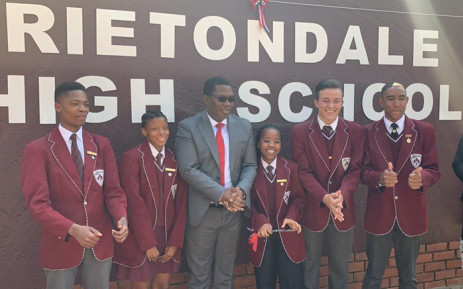
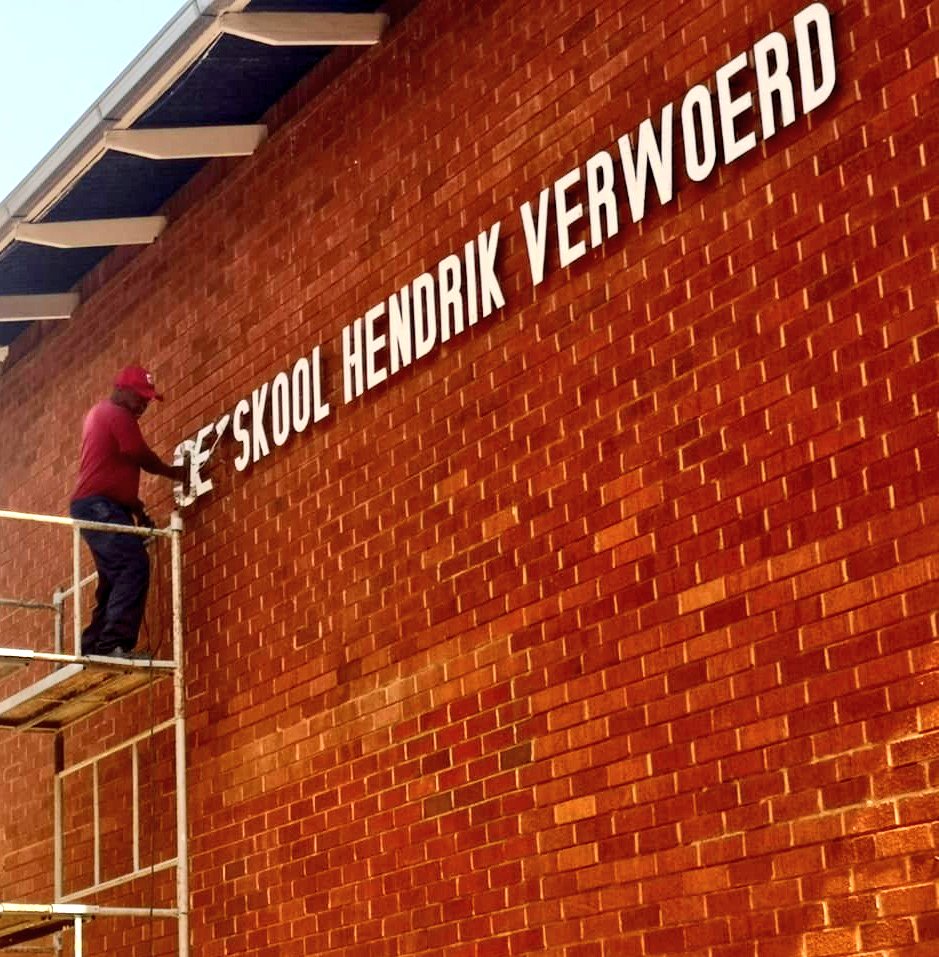
Gauteng Education MEC Panyaza Lesufi officially renamed Hoërskool Hendrik Verwoerd to Rietondale High School Friday.
Lesufi said the renaming of the school was part of the department’s mission to remove offensive symbols of apartheid at institutions of learning.
“Before I am accused of targeting Afrikaans, I wish to declare today that we will embark on a campaign to change offensive school names, including schools named after former Bantustan leaders. This is not a revenge mission,” Lesufi emphasized.
He said Verwoerd presided over the Bantu education system, which aimed to keep the black child uneducated.
“We might speak different languages, but that does not exclude the possibility to sing one song. But one day I will stand in front of you to rename this school from another Hendrik to Rietondale Secondary School,” he said.
The announcement was made earlier this year that the school would be renamed Rietondale Secondary School.
Friday’s renaming coincided with UNISA also officially unveiling name changes. The university said it hoped that renaming its buildings after struggle icons and black academics would show previously excluded students that they belonged at the institution.
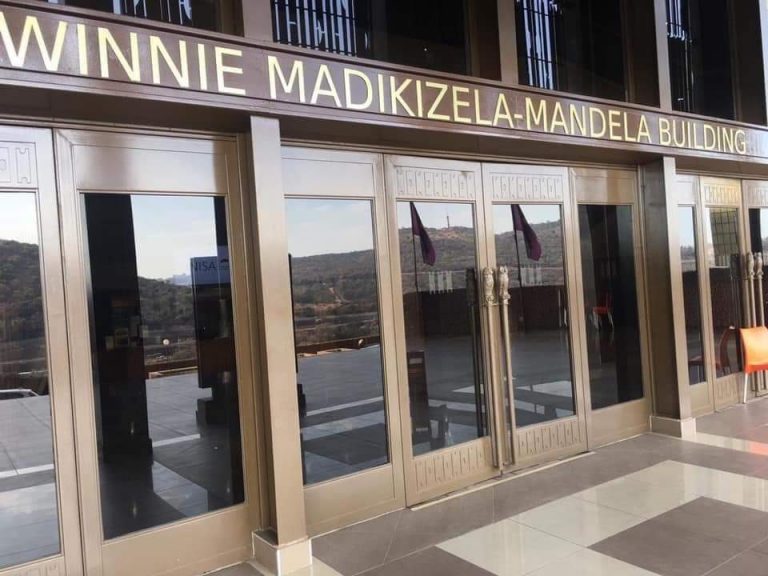
Three buildings at the campus have been named after Winnie Madikizela-Mandela, Professor Nkoana Radipere and Anton Lembede.
Unisa hopes that renaming its buildings after struggle icons and black academics would instill a sense of belonging and dignity in previously disadvantaged students.
Unisa has renamed three buildings at its Muckleneuk campus.
Vice-chancellor Professor Mandla Makhanya said the renaming was part of its transformation process intended to instill dignity in all students.
The Theo van Wijk building will now be known as the Winnie Madikizela-Mandela building.
Makhanya said that Madikizela-Mandela could have lived a comfortable life but chose instead to sacrifice for the country.
“Her association with our university is a very exciting one because she supported young people who were pursuing their education.”
“As a champion of youth empowerment, Madikizela-Mandela has a long and intimate association with Unisa and she spoke at the institution on many occasions. Working with the Mandela Legacy Foundation, we have been able to ensure that her contribution is institutionalised to reflect this relationship,” UNISA Spokesperson Tommy Huma said.
He said that the AJH Van Der Walt building had been renamed after Professor Nkoana Radipere, a business academic who passed away in 2017.
“What is amazing to us is that the day he met his untimely death he decided to be at the university regardless of the fact that he was ill.”
And the library will now be called the Anton Lembede Building.
Makhanya said this would show previously excluded South Africans that they owned the university.
Gauteng Education MEC Panyaza Lesufi today launched the Katlehong Engineering School of Specialisation which will focus on manufacturing, transport and logistics.
“If we fail to change the education landscape, we will never succeed on empowering our children with necessary skills to improve our economy,” Lesufi said.
“We are excited about our partnership with different companies in the private sector, among others they will also support the school with training services and material,” Lesufi added.
“For the first time in the history of township education, we will be launching a School of Specialization in Manufacturing,” he said.
The Gauteng Department plans to open 35 Schools of Specialisation by 2022. Over the past three years, Lesufi said, “we have launched about eight of such schools.”
The Katlehong Engineering School of Specialisation has partnered with MerSeta, Samsung Electronics, Hatfield VW, Fury Ford Group, Komatsu Mining, the Austrian Education Department and the Tshwane IDC.