Home Blog Page 498

The long and short of South African school commutes: a case study

Julia de Kadt and Alexandra Parker

Education enables social mobility. This is particularly true in a context of high inequality and high unemployment, such as South Africa. This is one reason why some parents choose to send their children to schools further away from home – often at considerable financial and social costs.

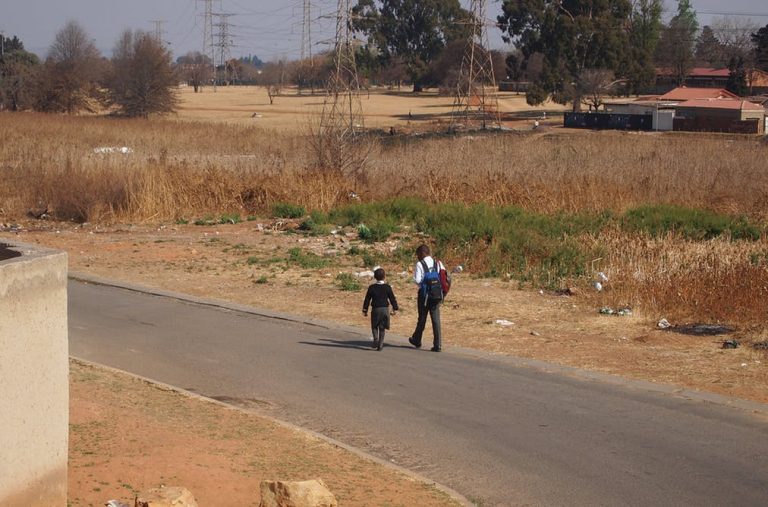
Research about pupils’ commutes in Africa is still limited. But we do know that the journeys young people make to urban schools on the continent – and elsewhere in the world – can be quite long and complicated.

In research we’re doing at the Gauteng City-Region Observatory, which works with data to inform policy, we’re working to understand pupils’ daily commutes in Gauteng, South Africa’s most populated province. Apartheid’s legacy entrenched inequality in the geography of Gauteng, meaning that poorer families typically live further from high-performing schools.

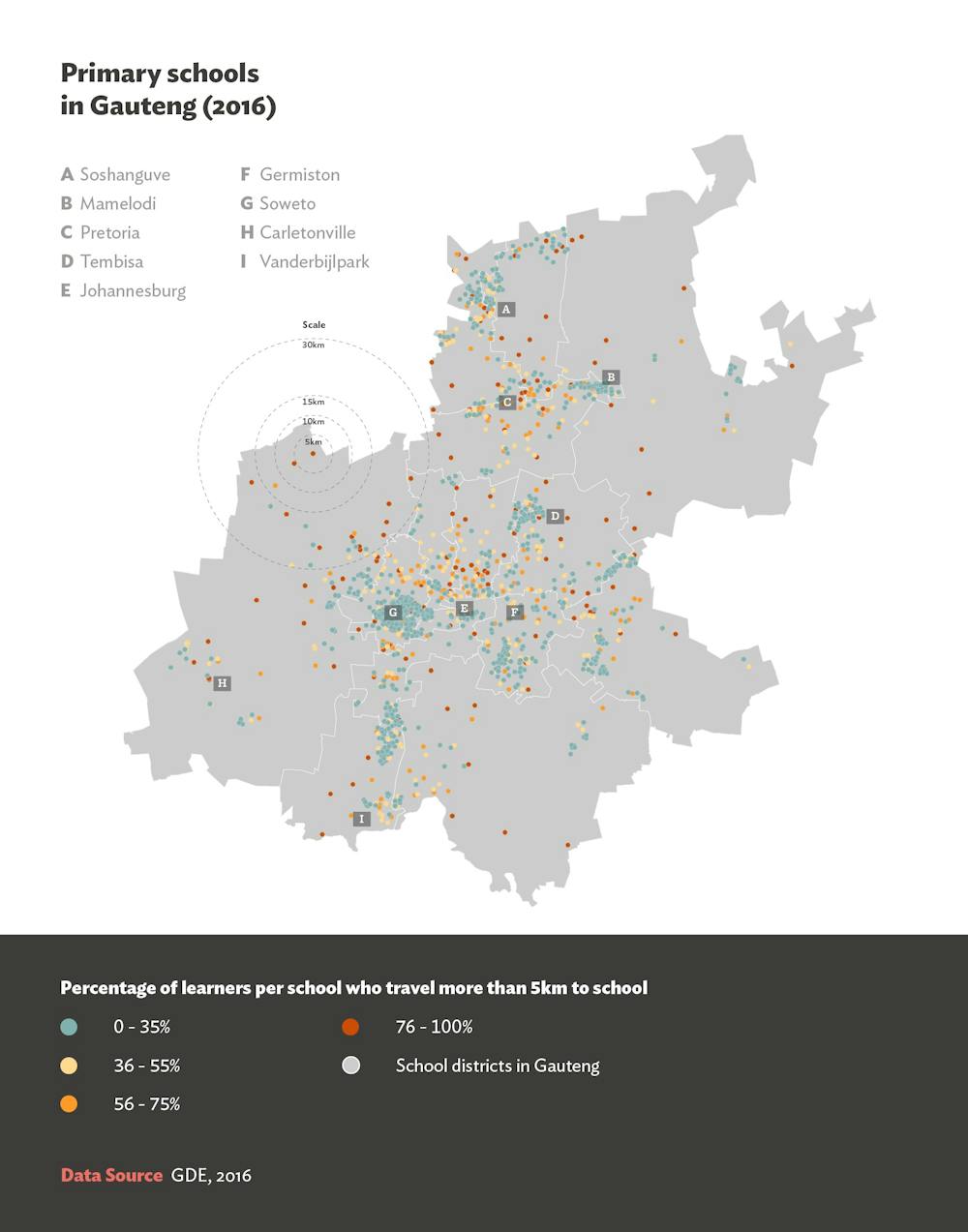
Using 2016 data from the Gauteng Department of Education, we mapped the percentage of pupils at each public school (primary and secondary) in Gauteng who travel more than 5 kilometres to their school. We foundthat pupils’ commutes were highly variable across schools.

Among our findings were that over a third of pupils still travel more than 5 kilometres to school. And the province’s peripheral areas have the highest percentage of children per school who are travelling long distances.

Unpacking key findings

Gauteng has an admissions policy which demarcates a default feeder zone of a 5 km radius around each school. The policy, which is currently being reworked and reviewed, prioritises pupils who reside within the 5 km zone or those whose parents’ place of work is within the feeder zone.

But the quality of education – both actual and perceived – is highly variable across the province, and remains strongly shaped by the geography of apartheid. The current default 5 km feeder zones substantially replicate apartheid geography.

These maps show that the proportions of pupils travelling more than 5 km vary greatly across schools, ranging all the way from 0% to 100% of a school’s student body.
GCRO

Some of this variation certainly relates to population density in the areas around a school. For example, outlying areas around Carletonville and Vanderbijlpark feature a number of schools where almost all pupils live more than 5 km from the school. By contrast, in densely populated areas, such as Pretoria, Tembisa, central Johannesburg and Soweto, schools have large numbers of pupils living within the 5 km radius.

These are the key trends we identified from our mapping:

  • There is extensive and interesting variation within residential areas, and in many instances neighbouring schools appear to draw pupils from very different areas.
  • Over a third of pupils (37%) still travel more than 5 kms to school. For some pupils on the outskirts of the city-region their nearest school is more than 5 kms from where they live. For others this suggests the ability to exercise a level of school choice.

GCRO
  • Many schools in more affluent suburban areas have high proportions of pupils travelling further than 5 km to reach school, but it’s in peripheral areas where the highest percentage of children per school are travelling long distances. In lower-income township areas, most schools draw their pupils from the surrounding community.
  • At the provincial level, there is no clear relationship between schools with high proportions of learners travelling more than 5 km, and measures parents may use to assess school quality, such as matric pass rate, historical department of education, or school fee status.

Many factors at play

There are complex dynamics behind these patterns. They reflect decisions being made at many different levels by families and schools.

Families weigh multiple factors when choosing schools, and often do so in the face of incomplete or imperfect information. These factors include a school’s teacher-pupil ratio, its ethos and reputation, its facilities, the language of instruction, racial composition, and its proximity to their home or work.

And of course, different families may weigh the same factors differently. A school’s ethos may be more important for some parents and learners, while for others the language of instruction is more significant. The reality is that we simply don’t know how Gauteng’s parents make these crucial decisions – and what this means for the provision of equitable access to quality education.

That’s one of the questions we’re asking in our new research project, in which we’ll gather data from parents and pupils around Gauteng about their reasons for choosing particular schools.

There are many costs to travelling further to school. However, the disadvantages of not accessing quality education may be greater. For many families in Gauteng there is much at stake.

Parents and pupils in Gauteng can send messages or voice notes about their school choices and commutes via WhatsApp on 078 047 7272. All stories will remain anonymous but may be quoted in research related publications in the future.

This article was co-authored by Christian Hamann, a junior researcher at the Gauteng City-Region Observatory.

Alexandra Parker is a Researcher of urban & cultural studies, Gauteng City-Region Observatory

Julia de Kadt is a Senior Researcher, University of the Witwatersrand.


Private, private partnerships: Transforming lives through sport

Mosibodi Whitehead

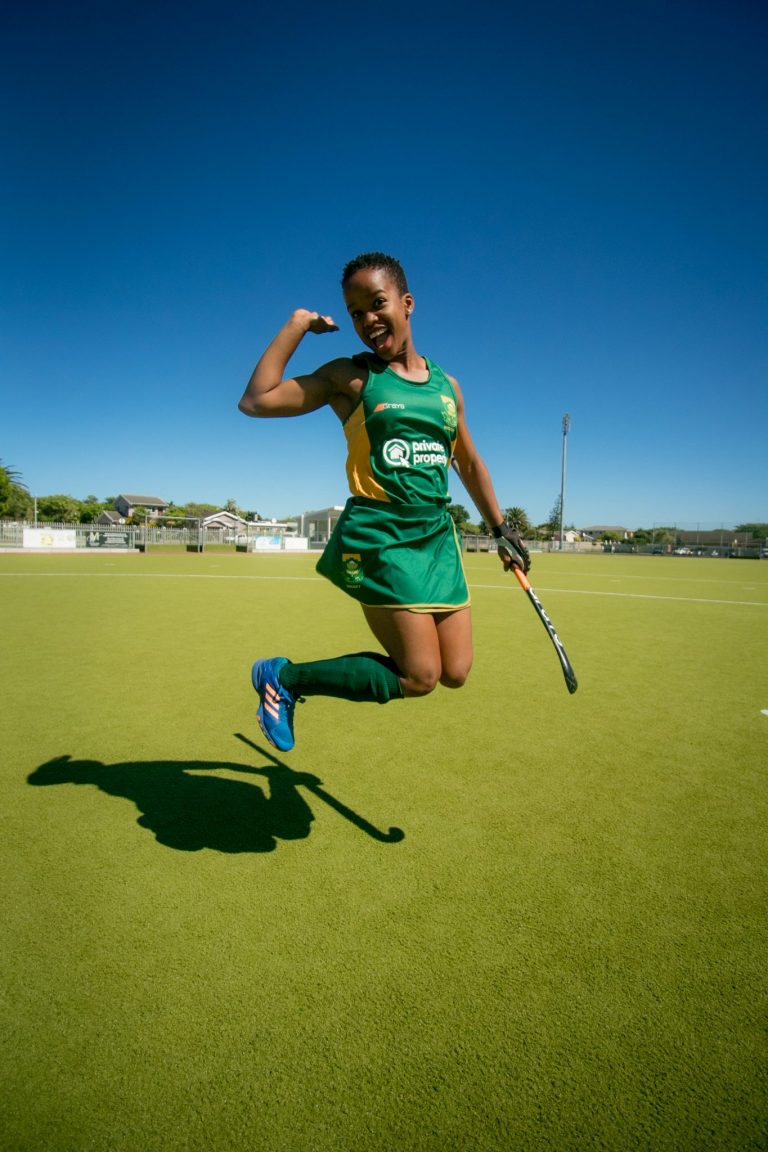
Ongeziwe Mali was introduced to hockey after visiting a friend. She was 10 years old and in grade 4.

“A friend of mine invited me to play and her mom gave me the equipment. I started making the Eastern Province teams,” says the 19-year old from Zwide Township in Port Elizabeth.

Mali would go on to win countless awards including the junior player of the tournament at the Premier Hockey League (PHL).

The turning point in her life came in 2016 when the 16-year-old shone at the St. Mary’s Hockey festival. She was voted player of the tournament earning a bursary to the Investec Hockey Academy.

One might say Mali’s success in Hockey was in part a result of the 2013 White Paper on Sport and Recreation detailed the Department of Sport and Recreation (SRSA) policy.  A central part of the vision was supporting grassroots sport through a functioning school sport programme and transforming representative national teams at all levels to more accurately reflect the demographics of post—Apartheid South Africa.

In making this vision a reality, SRSA under the leadership of Minister Fikile Mbalula adopted priority sporting codes. The argument was that many of the historically white sporting codes required targeted intervention to make the sports more accessible at grassroots level and to produce more players of colour that could one day play for South Africa.

Hockey was one of those initial 16 sporting codes and in 2016 the Premier Hockey League was launched. The four week tournament in September was comprised of six men’s teams and six women’s teams who converged on the Randburg Astroturf in Johannesburg for R50 000 and the right to be crowned national champions.

Mali who was at  Pearson High School in Port Elizabeth at the time played in the PHL.

The bursary she received from Investec Hockey Academy placed Mali under the mentorship of Proteas Shelley Russell.

Mali improved and was a surprise addition to the national team that took part at the Commonwealth Games in Australia earlier this year.

“I got an email telling me that I made the SA Women’s hockey team to play at the CWG. I wasn’t expecting the call-up at such a young age but I thank God for the talent and it was an amazing experience,” said Mali.

She has now been selected for the SA team that will take part in the Hockey World Cup in London in July. Mali has also earned a hockey scholarship to further her studies at James Madison University in Virginia in the United States.

Mali’s rise gives us an example of a model that can be used to unearth talent in some of the less well-resourced sports. Because hockey is not a professional sport, the targeted government intervention through the creation of the PHL provided an enabling environment for players to hone their skills. Skills that then attract private funds in the form of corporate sponsorship. This is simply an example of a public private partnership without a contract.

Government has created an environment for talent to shine and for that talent to then attract sponsorships from the likes of Investec and Brutal Fruit. This was done by government’s ability to articulate and implement their vision for a transformed South African sporting landscape and targeting sports such as hockey and netball,

This model provides a blueprint on how we can move South Africa forward to create generation of Mali across all of the country’s sporting codes.

Listen to Mali’s PODCAST.

Whitehead is a sports broadcaster and writer.

Ashwin Willemse receives master’s degree

Staff Reporter

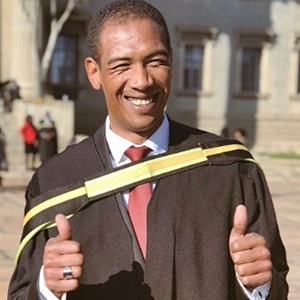
Former Springbok rugby star Ashwin Willemse graduated with a Masters of Management in Entrepreneurship and New Venture Creation, with Distinction on Wednesday.

His wife Michelle Willemse also graduated with a Philosophy degree on Tuesday

Speaking at the Great Hall stairs of Wits University on Thursday, Ashwin emphasised the importance of education.

“Our human dignity is embedded in education because, through education, we get to know ourselves. Once you know yourself, you can give the world your authentic self.

“Education is the path to wherever your heart desires, to wherever your courage will take you; it is the path to the true liberation,” said Willemse.

He spoke of the transformative power of education, following his and his wife’s graduations at the University of Witwatersrand.

The university tweeted a photograph of the couple outside the Great Hall, along with hashtags including “#CoupleGoals”.

Meanwhile, Sport24 reported on Thursday that Naas Botha was set to return to the SuperSport studio for the first time since an incident in May, when Willemse walked off a live Super Rugby production.

Willemse walked off of the SuperSport set last month after he accused co-hosts Mallett and Botha of patronising him. SuperSport initially denied that there was significant animosity between them, but announced that all three would be pulled off the air while an independent mediator looked into the issue.

Willemse said at the time, he had “consistently told SuperSport about the behaviour of the two individuals” adding that the idea to refer the SuperSport matter to the Human Rights Commission was theirs

Willemse said he was “undermined” and “patronised” by Botha and fellow pundit Nick Mallett.

An independent investigation, ordered by Supersport, did not find evidence of racism in the matter, but Willemse has said he will take the matter to the Equality Court.

Read original article here.

Rwanda’s pre-school reading programme improves reading culture

Jean d’Amour Mbonyinshuti

They sat under a tree, hurdled in a group, book pages making flapping sounds, thanks to the breeze that morning.

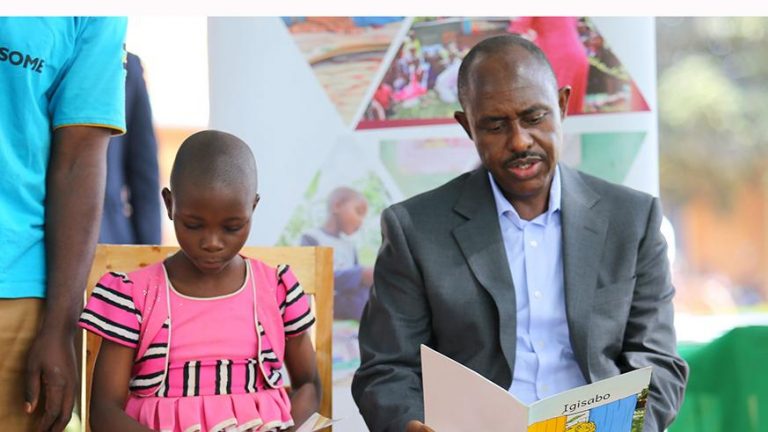
When we arrived at Karenge in Rwamagana District, it was business as usual. Some children were busy in classrooms while about thirty others sat under the tree in the nearby Nyabubare Cell also reading.

A man and a woman sat beside them on the mat helping the young ones read from Kinyarwanda books, a normal routine where at least twice a week, children are taken outdoors and taught how to read in their local language.

Experts urgue that it is scientifically proven that children can do better in various subjects when they learn how to read in their native language.

Seraphine Nyirabagenzi is one of the reading facilitators at the school. She says that this routine has yielded positive results.

“As parents, we joined hands with schools to train our children how to read early enough. We have got books and other materials and there have been positive changes since we started,” she says.

Nyirabagenzi is contributuing to the Early Grade Reading project; ‘Mureke Dusome’,a community project started by the ministry of education in partnership with USAID’s strategy to establish and support a culture of reading throughout the country.

The programme builds school-community partnerships and family engagement in children’s education.

It is being implemented by Save the Children throughout the country benefiting over one million children, according to the officials.

It is part of the three USAID funded early grade reading programmes.Others are ‘Itegure Gusoma’ which is a pre-primary programme and ‘Soma Umenye’ which targets P1 to P3 children.

All the projects work together to ensure that children are reading in Kinyarwanda in and out of school.

‘Mureke Dusome’ also works to increase the quality and quantity of Kinyarwanda children’s books and increase opportunities for students to read outside of school.

Nyirabagenzi, a mother of two says that since the project started, parents in the area have seen a positive impact from it.

“We teach twice a week, engaging children between three and nine years. We teach them how to read in Kinyarwanda and ensure that they learn something new every time we meet. This really helps because they are likely to learn other languages easily and since we encourage them to take books home, parents are happy that the children are not idle,” she says.

She added that despite not having any higher education qualification as reading trainer, she has acquired training that helps her with other colleagues to perform better.

Schools upbeat

According to the Headmaster of GS Karenge; Jean Bidugu, thanks to the programmes; children are prepared from the pre-school level and can be able to read all Kinyarwanda materials as early as in Primary Three.

“Children are prepared from nursery to get ready to read. Thanks to this programme, we have received over 500 books that are going to significantly improve the reading culture here. Besides teachers, parents and head teachers were trained and we hope that a lot will change,” he said.

The programme should sustain

The US Ambassador to Rwanda, Peter Vrooman, who officially handed over the first-edition copy of a new Primary One level textbook, said USAID and its partners support the culture of reading Kinyarwanda books adding that it’s important for young children to study in a native language since this helps them to grasp English and other languages a lot easier.

The first-edition copy of a new P1 level textbook created by the Rwanda Education Board, in partnership with USAID, will be distributed to all public school students countrywide.

He also commended the initiative by parents to promote a reading culture in their communities.

“Parents are very important in this exercise because it is them that will encourage children to pick up books and read. It is important that at home, school and in general life for children to know how to read and this will help Rwanda to become a knowledge based country,” he added

The Minister of Education Dr. Eugene Mutimura, hailed the programmes for complementing each other expressing optimism that they will prepare the children to become future leaders.

“If children are trained to read, it helps them know more and keeps them busy and away from unnecessary distractions. We will keep working with our partners to ensure the programme becomes successful and sustainable,” he said.

Read original article here.

Agriculture as business: 20 year-old green pepper farmer

Frank Maponya

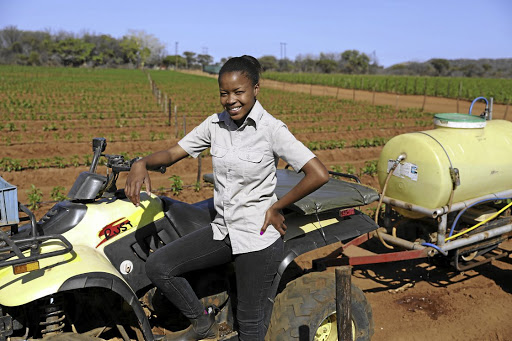
Mahlatse Matlakana is a 20 year-old young woman with a passion for green pepper farming.

She describes her love for farming as a “bitter-sweet love story”.

At the tender age of 15, Matlakana began working on the farms neighbouring Arrie village in Senwabarwana, Limpopo, during school holidays to support her unemployed mother and two younger siblings.

Five years later she now leases a eight-hectare farm and produces green peppers for four national food wholesalers.

When she completed her matric in 2016, Matlakana was conflicted between following her passion for farming and pursuing a law degree. “Applying for a law degree seemed like the right thing to do, so I did and was accepted. However, I decided to take a gap year and farm green peppers for fun,” she said.

The “fun” resulted in a one-hectare farm filled with ripe green peppers. There was no going back. Matlakana bought more seeds from the income she accumulated and extended her farm by one more hectare.

“I then decided to put my law degree on hold to pursue farming full-time. I registered my company and, with the support of some good Samaritans in my community, I managed to lease a bigger plot at a cheaper rate. And they also allowed me to use their farming equipment at no cost at all,” Matlakana said.

She now has an eight-hectare farm and employs four people from her community.

As word spread about the dynamic young farmer, big brands started knocking on her door to offer assistance. Construction engineering company Basil Read donated an irrigation system and a water pump, a donation that has assisted Matlakana to keep her farm nurtured.

She now harvests weekly and distributes her green peppers in the community and to wholesalers such as Boxer stores, Goseame Wholesalers in Polokwane, the Johannesburg Fresh Produce Market, as well as a fresh produce market in Musina.

Matlakana will form part of the next group of young entrepreneurs who will receive mentorship through the De Beers Zimele incubation programme. Through the programme, Matlakana will receive skills development training aligned to the farming industry, financial training and mentorship, and personal development skills as a businesswoman.

“I am very confident about the future and I hope one day I’ll be able to open a training centre for the youth in my community and teach them about farming.”

Read original article here.

Sindisiwe Buthelezi: From rural poverty to PhD graduate

Pertunia Mafokane

Despite starting her education at a rural school in eMondlo, 30km south of Vryheid northern KZN, Dr Sindisiwe Buthelezi was so determined to reach her dreams that she knocked on every door to move forward.

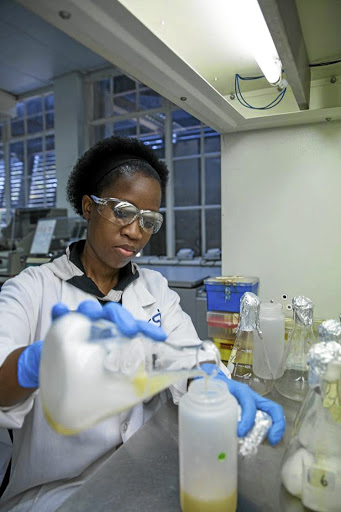
Buthelezi, who holds a PhD in protein engineering, researches medical treatment options that will see people receiving safe and effective medicine at the Council for Scientific and Industrial Research (CSIR) in Pretoria.

She said the desire to become a role model to the youth in her community has kept her going.

“I want young people in my community to look at me and see that it is possible to go beyond what is in front of you. The world is big and full of possibilities. Hopefully [I can] inspire them to dream big,” she said.

Buthelezi began her schooling at Silindekahle Primary before she was later accepted into a private Catholic missionary school that was dedicated to rural learners.

“I worked extra hard throughout my high school years and got elected as head girl and Grade 12 prefect.” After completing her matric, the mother of one registered for a BSc in microbiology and biochemistry at the University of KwaZulu-Natal.

“My parents could not afford the fees [but] I was fortunate enough to get financial aid from the university. Coca Cola also contributed towards my tuition.

“Having completed my degree, I got accepted at Wits University for honours in biochemistry and cell biology. My parents helped me apply for a loan to pay for registration. I later got a bursary from NRF. It helped supplement my fees.”

After completing the honours degree, Buthelezi worked for four months at SA Bioproducts before scoring a one-year internship at the CSIR- Biosciences.

In 2010 she got a CSIR studentship for an MSc degree, in medical biochemistry, at the University of Cape Town.

On completing in May 2013, she went on to receive the National Research Foundation professional development program grant. She then enrolled for a PhD in biochemistry at Wits University, completing in November 2017. She began her stint as a post-doctorate fellow at CSIR-Biosciences in January this year.

“I am currently working on a breast cancer project that aims to identify new drug targets for the South African population. I also mentor students and our group also supports various projects focusing on protein analysis, so I find myself also involved in other projects,” she said.

Buthelezi said a career in science had unlimited possibilities but admitted as well that getting funding for projects was among the challenges in her field. She encouraged the youth to work hard on their dreams despite challenges.

Her dream is to lead her own research group in future. Apart from her hectic professional life, she still finds time to have fun with friends.

“I love dancing, so I usually go out with my girls. I am [also] obsessed with superhero movies so, yes I am one of those people who are always waiting for the next Avengers movie. I [also] love writing.”

Read original article here.

Nigeria: Only 1% of Nigerian population in universities

Azeezat Adedigba

The National Universities Commission (NUC) on Tuesday said only one percent of Nigerian population form the total enrollment of students in the 164 universities across the country.

The Executive Secretary of the Commission, Abubakar Rasheed, said this while fielding questions from journalists in Abuja.

According to Rasheed, the 75 private universities in the country account for 5.31 per cent of the total enrollment in the universities across the country.

He described the situation as “unhealthy”, saying there is need for more access either by creating more universities or expanding existing ones.

‎”If you look at the population of 198 million which is close to 200 million and bear in mind the total enrolment in our universities today, all the 164 universities, is slightly less than two million. It is 1.961 million, which translates to roughly 1 per cent of the population.

“One percent of the population are in the university and I think it’s not healthy,” he said.

Rasheed said it will be difficult for the commission to regulate the fees of private schools.

Director of the civil rights group Socio-Economic Rights and Accountability Project (SERAP) Adetokunbo Mumuni said the authorities must ensure that indirect costs do not become a barrier to access university education

He said while expanding access to university education is a good thing, it’s absolutely important that the authorities ensure that quality is not compromised.

He said every initiative must aim to improve quality in our universities across the country.

Similarly Public Affairs Analyst Ola Adeosun said there is a need for the emergence of new universities in the country.

“The question to ask in the present circumstances is this: How do you start building new universities when there is not a single one amongst the existing universities that is up to the standard of a university in the real sense of it,” said Adeosun.

He said the existing ones lacks the infrastructural, material and manpower deficit while noting that no single university in Nigeria that is amongst the world’s best 800.

He said it is important for the government to position the existing universities in what “universities” are, globally, before building or approving more universities.

“Instead of continuing with the ideas of building glorified secondary schools and branding them about as universities, just like we currently have across the country,” he said.

But National Coordinator of the Education Rights Campaign Hassan Soweto said the statistics confirms that government investment in public education sector has been declining at an alarming rate.

“Despite the increase in population, the provisions for education is relatively low at all levels, primary, secondary and tertiary,” he said.

Soweto said the Nigerian government has not been able to meet the huge demand of education despite the proliferation of private universities.

“It is essential for the vast majority of the population regardless of the status and economic conditions to be able to access free quality education. Moreover most Nigerians can’t afford to pay the tuition fee for private universities,” he said.

Presently, there are 164 universities in Nigeria, 42 are federal universities, 47 are state owned while 75 are privately owned.

Read original article here.

Tanzania: Remove VAT on sanitary pads to improve girls’ health, education

Staff Reporter

For a long time, non- governmental organisations (NGOs), activists, some Members of Parliament and government officials have been campaigning for tax exemption on sanitary towels.

Tanzania Gender Networking Programme (TGNP) is among NGOs that have been in the frontline to campaign for tax exemption and safe learning environment for girl students.

According to United Nations Educational, Scientific and Cultural Organisation (Unesco) report, it is estimated that one in ten girls in sub-Saharan Africa misses school during their menstrual cycle.

By some estimates, this equals as much as twenty per cent of a given school year. Many girls drop out of school altogether once they begin menstruating.

Young women miss 20 percent of school days in a given year due to a lack of facilities or a lack of information or a lack of sanitary products.

Most girls end up not going to school, because they cannot afford to buy sanitary pads. Some schoolgirls, especially in poor rural areas, miss their studies every time during their menstruation period.

Girls from poor families cannot afford sanitary pads, and lack of decent changing washrooms contributes to their poor class attendance during their monthly periods. Last week, the government scrapped Value Added Tax (VAT) imposed on sanitary towels.

According to Minister for Finance and Planning, the move aimed at enabling women to access sanitary towels at affordable prices.

The government decision to scrap VAT on sanitary towels means a lot to women across the country .The decision is a remarkable step that has been appraised by many stakeholders.

Activits said they will continue to press for towels as it is the case for (free)condoms, contraceptives and other stuff.

As a starting gear towards availability of free materials, Tanzania Women Parliamentary Group (TWPG) advised the government to issue incentives for investors to make majority introduce sanitary towel factories in the country.

The Group Chairperson Margaret Sitts said the move will lead in to quantity of the products and enables manufacturers and suppliers to reduce prices in the name of competing for the markets while at the same time favouring the girls.

On the other hand, TWPG is holding talks with the government and other stakeholders on the possibility of conducting a survey to identify girls in schools who deserve free sanitary materials.

Sitta went on that the time will come for Tanzania to offer free sanitary materials because all countries which have already embarked on free provision of sanitary towels started with tax exemption.

She added that apart from tax exemption and free towels, girls also need special toilets and rooms for changing. Ms Sitta affirmed that TWPG members have embarked on public campaign to advocate for availability of model toilets in every constituent.

Special Seats MP (Chadema) Catherine Ruge commended stakeholders who initiated the towel tax exemption campaign saying they have contributed a lot in convincing the government to make right decision. She mentioned TGNP as among vibrant NGOs that have tirelessly campaigned for the matter.

She said TGNP provided supporting materials to TWPG which helped MPs to table and defend the idea in the August House.

She said that TGNP offered materials that showed how other countries have managed to help girls through tax exemption on sanitary towels. She mentioned some of the countries as South Africa, Kenya and Rwanda.

The activist from TGNP Grace Kisetu commended the government for the positive response to the matter. She said the government decision will help girls especially those in school to attend classes and record good performance without problems.

According to Kisetu, TGNP has already initiated the programme for free sanitary materials through awareness and capacity building campaigns in some areas.

The idea, according to Kisetu has already materialised in Mbeya, Kisarawe and Kishapu districts. It is in record that some town councils have been setting aside budget for free sanitary towels in schools.

She affirmed that TGNP will continue with capacity building programmes county-wide, to make sure all girls are reached.

Soon after the government 2018/19 was tabled in the House, TGNP Mtandao through the Kijiwe cha Kahawa 2018, was caught in celebrations after the Minister Mpango announced the scrapping of VAT on sanitary pads.

TGNP Executive Director, Lilian Liundi commended the government’s effort in ensuring girls are safe and cared during their monthly periods.

“From the minister’s announcement, this is a huge result for TGNP Mtandao and other human rights actors since the issue of sanitary pads and menstrual hygiene management has been a cry for a long time.

We are glad to see our government addressing issues of women and girls, she said.

Read original article here.

Student who received R14m Nsfas payout case postponed

Jenni Evans

Sibongile Mani, a student who was arrested after about R14m worth of National Student Financial Aid Scheme (Nsfas) money was accidentally paid into her bank account, made a brief appearance in the East London Magistrate’s Court on Monday.

Sibongile Mani’s case was postponed to July 24, National Prosecuting Authority Eastern Cape spokesperson Tshepo Ndwalaza said.

At her next appearance, the case could be transferred to a regional court.

Mani, who is out on bail, blew around R810 000 of the money over about three months until the Walter Sisulu University got wind of it.

She faces charges of theft and so far, is the only person charged. The university also considers her liable for any of the money she spent that was not due to her.

READ: WSU student to start career with R818k ‘loan’ debt

In September last year, News24 reported that Walter Sisulu University, the NSFAS and student cash payment service IntelliMali told MPs on the Portfolio Committee of Higher Education that no error had been made on their side.

IntelliMali CEO Michael Ansell said their systems showed that the right transaction of R1 400 was made to Mani on the date in question, and there was no “oversight, error or negligence” on their par.

Read original article here.


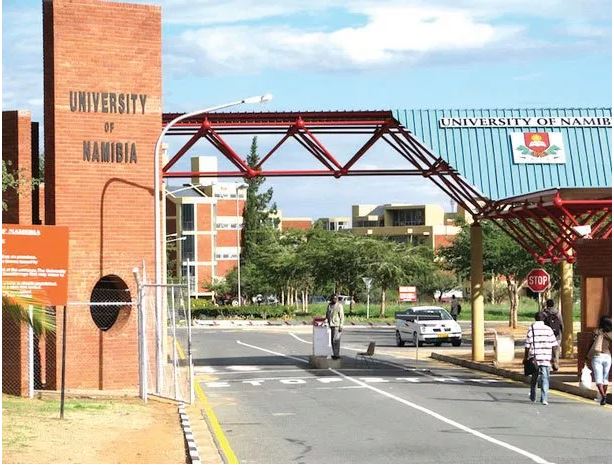
Namibia university appoints youngest Vice-Chancellor ever

Albertina Nakale

The University of Namibia (Unam) council has appointed Associate Professor Kenneth Matengu as the university’s new Vice-Chancellor, who in history also becomes the youngest person to occupy that top job.

Matengu, 40-years-old was appointed on Friday, following the retirement of Professor Lazarus Hangula, who served the institution for 25 years in various academic roles.

Matengu emerged the successful candidate among the four candidates who last week provided – in front of a curious and likely interrogative mob of public members – their vision for the University of Namibia.

The other two candidates that are all currently employed at Unam who contested the top job are Associate professors Elizabeth Amukugo and Frednard Gideon, as well as Professor Lucius Botes, a South African citizen.

New Era was unable to get hold of Matengu yesterday, to engage him on his new appointment as he is currently out of the country.

Unam’s Director for Communications and Marketing Edwin Tjiramba, on Friday said Unam council has unanimously appointed Matengu as the university’s third vice chancellor.

He said Matengu’s appointment is effective from August 1 and is set for a period of six years.

Matengu who previously served as Unam Pro-Vice Chancellor for Research, Innovation and Development succeeds Hangula whose office tenure ends on July 30.

Hangula took over as Vice-Chancellor of the university in 2004 at the age of 56. He replaced the current Speaker of the National Assembly, Prof Peter Katjavivi, who served as Vice Chancellor at the age of 51 from 1992 to 2003.

Tjiramba described Matengu as “a Unam alumnus, and Associate Research Professor at the university as well as honorary visiting Professor at Cardiff University in Wales, a distinguished researcher with global interrelations and a wide experience of leadership in academia.”

The core responsibility of the vice chancellor is to provide executive leadership and implement the policies of the university council and to ensure the university’s resources are used in ways that most effectively advance the approved mission and the strategic plan of the university.

Tjiramba said the entire selection process from an eight-week applications invitation that ended on December 8 last year, eligibility and contacting of only shortlisted candidates, undergoing psychometric assessments, conducting interviews, public presentations and recommendations are handled by a search committee as prescribed by council.

The final point in recruitment process, Tjiramba added, is that the university council appoints the vice-chancellor after consideration of a report by the search committee.

The search committee members were Sam Shivute, Dr Maggy Beukes-Amiss, Kadiva Hamutumwa, Professor Maruis Hedimbi, Dr Christina Swart-Opperman and Dr David Uirab.

Read original article here.