Home Blog Page 65

Minister Manamela deploys stabilisation team to address College of Cape Town governance crisis

By Levy Masiteng 

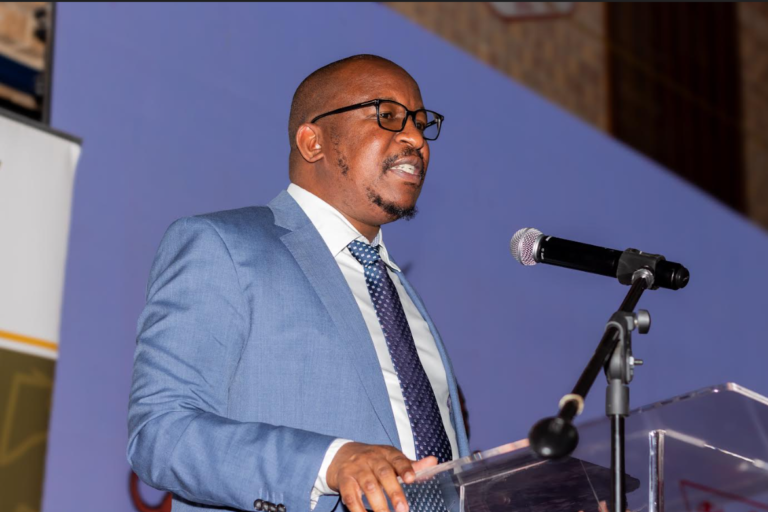
The Minister of Higher Education and Training (DHET), Buti Manamela, has assured the Portfolio Committee on Higher Education that his department will address governance and management disputes at the College of Cape Town (CCT).

In a statement, the DHET said the stabilisation team is aimed at restoring order and protecting the institution.

Manamela said the team’s mandate includes conducting a fact-finding process into governance and leadership disputes, mediating between the council, principals and deputy principals, and recommending corrective steps to his office. 

“This intervention is not about taking sides. It is about restoring order, protecting the institution, and ensuring that students are not the collateral damage of leadership conflicts.

“Our priority is to stabilise governance, safeguard teaching and learning, and build confidence in the College’s future,” Manamela said.

The duty of ensuring CCT is brought to order, will be assigned to a respected retired judge or senior advocate with support from experts in labour relations and higher education governance. 

The team is expected to begin its work within seven days and conclude within 45 days.

During this period, all new disciplinary processes involving CCT’s principal, the council chairperson, and the deputy principals will be suspended to prevent further escalation.

The intervention follows persistent tensions among senior managers, resulting in weak governance, low staff morale, and disruptions to academic programmes. 

Committee spokesperson, Tebogo Letsie welcomed the department’s interventions under Section 46 of the Continuing Education and Training Act, 16 of 2006. 

During the committee meeting, members said they were alarmed by CCT’s challenges, after it was revealed that divisions within management escalated after the appointment of the principal, sparking a prolonged power struggle.

“The ongoing instability at CCT cannot be allowed to compromise the academic success of students,” said Letsie.

The director-general of the DHET, Nkosinathi Sishi, clarified that the principal is facing 21 charges, not 300 as alleged. 

 “We welcome the decisiveness on this matter, as it was evident that the principal regarded this institution as his own until we called him to order. Such attitudes have no place in government institutions that are funded by the taxpayers of this country,” Letsie said. 

Manamela said his department will report back to the committee within two months on the progress and outcomes of the stabilisation team. 

“As the committee we are hopeful that the Minister will remain firm in his decision and report back within two months on the progress and outcomes of the stabilisation team, as promised”, Letsie said. 

INSIDE EDUCATION

TUT wins top international prize for Solar Car Project

By Phumla Mkize

The Tshwane University of Technology (TUT) Solar Car Project Team has been awarded the prestigious International Council of Academies of Engineering and Technological Sciences (CAETS) Communication Prize for 2025. 

TUT was announced as the winner on 10 September 2025 at the annual CAETS Conference underway in Brisbane, Australia, for the submission that captured innovation and excellence in TUT’s Solar Car Project, dubbed SunChaser.

 TUT’s entry titled “Sustainable Automotive Technologies: a TUT Case Study” stole the hearts of the judging panel to scoop the US$5 000 prize, beating finalists from China, India, the US, the Netherlands, the UK, Australia, Poland, Mexico and Uruguay.

The inspirational five-minute video is not only a spectacle of engineering and technological feats used in SunChaser models including the latest model, SunChaser 4, but also highlights the role of science and technology in solving societal challenges. It is also a masterclass in building student capacity while engaging communities and inspiring future engineers and technologists. 

Produced by Dr Christian Oosthuizen, Senior Mechatronics Engineering Lecturer and Prof Ben van Wyk, Deputy Vice-Chancellor for Teaching, Learning and Technology, it won by a unanimous decision of the judging panel comprising CAETS members from Australia, China, India, the Netherlands, Nigeria and Uruguay. 

According to Prof Van Wyk, the Solar Car Project is a story of resilience, innovation and engineering excellence. “It is a call to the next generation to push boundaries, embrace sustainable technology and reimagine the future of mobility,” he said.

The winning video features Prof Van Wyk; Dr Oosthuizen, who is also Co-Manager of the Solar Car Project; Cleo-Ann Manamela, third-year mechanical engineering student and Solar Car Project member; Johannes De Vries, Electrical Engineering Technologist and Co-Manager of the Solar Car Project; and Andile Dlamini, Solar Car driver and third-year mechanical engineering student. 

“It is a proud moment for TUT and a demonstration of the power of science, technology and engineering to inspire,” said Prof Mxolisi Shongwe, Executive Dean of the Faculty of Engineering and the Built Environment.  

Prof Tinyiko Maluleke, Vice-Chancellor and Principal, said the TUT Solar Car is testimony to the University’s commitment to environmental sustainability. 

“Four models and several national as well as international accolades later, we can say, without any fear of contradiction, that the TUT Solar Car model is an engineering masterpiece. And the accolades do not come bigger and better than the International Council of Academics of Engineering and Technological Sciences (CAETS) Communication Prize,” he said.

“My chest swells with pride when I consider that for a decade at least, TUT engineers and their students have been meticulously constructing and improving the SunChaser. Congratulations to the team of staff and students!” said Prof Maluleke.

The CAETS Communication Prize is awarded to “the most outstanding audio-visual communication of excellence and innovation in engineering and technological science”. Entries for the prize are accepted through member country academies. TUT’s entry was submitted by the South African Academy of Engineering. 

Explaining the role of the award, CAETS said it aims to encourage technological scientists and engineers worldwide to communicate in a simple and engaging way with general audiences, particularly young people and students. 

“This is done through a competitive selection of short videos, each under five minutes, explaining the societal significance of technological advances and engineering achievements. Such videos have the dual aim of inspiring students to follow careers in engineering and technological sciences, and educating the general public on the impact that engineering and technological sciences have on their lives and future,” said the Council in the entry criteria. 

Tshwane University of Technology

Western Cape government supports matric learners in preparation for 2025 final exams

By Palesa Nguqu

With just 40 days remaining before the start of the 2025 National Senior Certificate (NSC) exams, thousands of matric learners across the Western Cape are preparing for their final exams.

The Western Cape education department (WCED) has implemented a range of support initiatives, from intensive revision classes during winter and spring holidays to innovative digital learning resources to help students succeed. 

WCED spokesperson, Kerry Mauchline said, “Our dedicated teachers and officials have worked tirelessly to ensure our matric learners are fully prepared for the upcoming exams, with extensive revision classes and support booklets to empower our students to excel in their final exams.”

A key part of these preparations was the WCED’s #BackOnTrack Winter School, which saw nearly 22,000 matric students attending during the mid-year holidays.

These intensive revision sessions, held across eight districts in the province, provided learners with valuable opportunities to strengthen their understanding of key subjects and concepts. 

The winter school was aimed at giving students a head start before the final exams, boosting their confidence and readiness for the challenging exam season ahead.

WCED also provided a comprehensive range of digital learning resources with study guides and online learning platforms, to support learners beyond the classrooms.

These tools are designed to enhance self-study and allow students to access revision materials anytime, anywhere.

As the exams approach, the department emphasised the importance of supporting students’ wellbeing alongside academic preparation recognising the stress that comes with the period.

The WCED said they’ve offered wellness programmes and counseling services to enable learners to manage pressure and stay focused.

“The success of our matric candidates depends not only on their knowledge but also on their mental and emotional resilience, and the collective effort of teachers, parents and communities remains vital in guiding them through this crucial time,” Mauchline said. 

INSIDE EDUCATION

A partnership that nourishes children and builds futures

0

By Johnathan Paoli

When children arrive at school hungry, the simple act of learning can feel like an impossible task.

Across South Africa, malnutrition and stunting remain among the most pressing challenges facing young learners, stripping them of opportunities and leaving long-term cognitive gaps that are difficult to repair.

It is against this backdrop that two faith-based non-profit organisations, The Love Trust and Soul Food, have renewed their commitment to a powerful partnership that addresses both sides of the equation: education and nutrition.

Soul Food CEO Thabo Maluleke confirmed that his NPO has always believed that proper nutrition is a human right.

“It is shocking that 1.7 million children in South Africa, about 27%, are already stunted. Many of them were never given a fair chance at proper nutrition. By narrowing our focus to children between 0 and 10 years old, we are targeting the crucial window where we can make the biggest difference,” Maluleke said.

The collaboration, which began in 2019, has been given fresh momentum following Mandela Day 2025, when Soul Food pledged to provide daily breakfast meals indefinitely to learners at The Love Trust’s Nokuphila School in Thembisa.

The commitment reflects a shared belief that food and education are inseparable in the fight to break the cycle of poverty.

Soul Food has grown into one of the largest hunger relief organisations in South Africa, distributing between 1.5 and 1.7 million meals every month.

Through its network of more than 1,000 centres, the organisation feeds over 70,000 children daily.

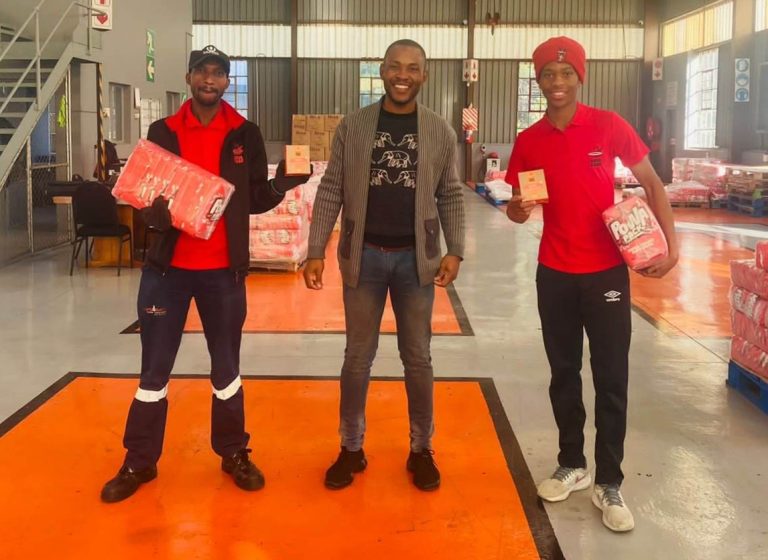
Central to this approach are Soul Food’s flagship meal products, designed specifically to tackle childhood hunger and malnutrition.

The POWA Pack, a sorghum-based porridge rich in protein and nutrients, delivers 25 meals from a single 1kg bag and can be prepared as porridge or a shake.

Complementing this is the POWA Loda, a soy-based lunch meal with rice and spices, providing children with a hearty, balanced midday option.

Both products were developed through extensive research and collaboration with food scientists, manufacturers, and academic partners.

In addition to producing its signature meals, Soul Food plays a crucial role in reducing food waste.

Working with retailers such as Woolworths and Checkers, as well as farming partners, the organisation rescues surplus consumable food that is close to expiration.

Trained food pickers ensure that only safe, quality food is redistributed, preventing millions of kilograms of food from being wasted each year.

For The Love Trust, which operates the Nokuphila School in Thembisa and runs a teacher training programme, the renewed partnership with Soul Food represents more than just food provision.

By ensuring that learners receive consistent, nutritious meals, the organisation can redirect resources to other pressing needs such as STEM education, classroom resources, and safe transport.

“Our partnership with The Love Trust is a no-brainer. They are giving children the gift of education, and we ensure that they are nourished enough to learn. Together, we can go over and above a bowl of food and offer children a real future,” Maluleke said.

Founded in 2009, The Love Trust has established itself as a cornerstone of community-driven education in South Africa.

Its Nokuphila School offers quality Christian education to vulnerable children from grades 000 to grade 8, while its teacher training programmes empower disadvantaged women to qualify as early childhood development educators.

The organisation’s vision is to nurture future generations of service-oriented leaders who combine academic excellence with moral and spiritual integrity.

Looking forward, Soul Food is continuing to invest in innovation that could further transform nutrition for South Africa’s children.

The organisation is currently developing POWA Baby, a meal designed for infants aged six months to two years to combat malnutrition from the earliest stages of life.

It is also rolling out NUTRI TRACK, a system that will monitor children’s health and nutrition in real-time, allowing for targeted interventions and improved outcomes.

For both organisations, the mission extends beyond immediate relief to long-term empowerment.

“If we can keep a child in school, learning with energy and dignity, then we have done more than feed them; we have invested in South Africa’s future,” Maluleke said.

INSIDE EDUCATION

South Africa’s student debt trap: two options that could help resolve the problem

By Michele Van Eck

Education is widely regarded as the road to a better life. Yet the rising cost of tertiary education means many students can only go to university if they get financial aid, bursaries or loans.

South Africa’s National Student Financial Aid Scheme (NSFAS) offers students bursaries or loans which provide allowances for tuition and registration fees, books, travel and accommodation. But this type of funding applies only under specific and limited conditions. Many students fall outside its scope.

Students who are not enrolled for a qualification that is approved by the Department of Higher Education, or who wish to study for a second undergraduate qualification, or who are studying at private institutions, don’t qualify to get the funding.

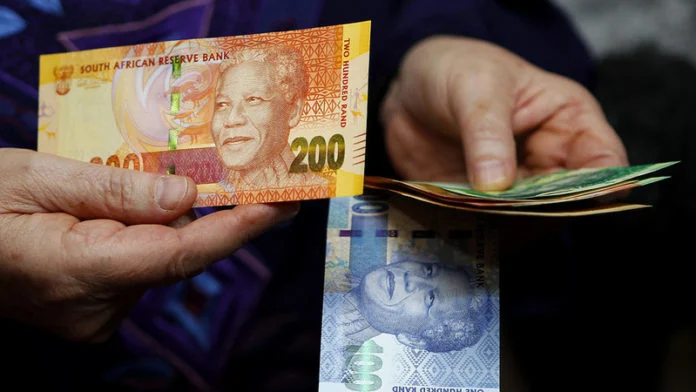
The result is that many students can’t keep up with paying their university fees. In 2025 South African universities collectively held about R9.3 billion (US$528 million) in student debt that had remained unpaid since 2023.

Universities have been trying different methods to pressure students and graduates to pay outstanding student debts. This has included withholding of degree certificates, academic transcripts and marks.

Universities require funding to operate effectively, pay staff and maintain infrastructure. But withholding academic documents from indebted students may prevent them from securing employment – the very means by which they could repay their debts. These practices, while commercially defensible, often have the opposite effect. According to Unesco, “student loans generally have catastrophic effects for students and families across the world”.

It seems reasonable to conclude that student debt collection practices may entrench poverty and make it harder for graduates to get jobs.

From recent court cases, it appears that this issue is especially pronounced in the legal profession. Law graduates face additional scrutiny, as admission to the profession requires not only academic qualifications but also proof of moral character. The Legal Practice Act 28 of 2014 mandates that candidates be “fit and proper” individuals, embodying values such as honesty, integrity and reliability. Outstanding debt may be seen as a contrast to the values of honesty and integrity.

Fulfilling financial obligations can indeed have a bearing on ethics (a field I study as a legal scholar). But as I argue in a recent paper, it’s necessary to distinguish between graduates who are unwilling to pay and those who are genuinely unable to.

I also propose a couple of ways this could be achieved so that universities get their money and graduates get their start in working life.

How universities collect debt

Unlike South Africa, some countries have taken steps to deal with the impact of student debt.

My paper highlights that, in the United States, several states don’t allow universities and colleges to withhold degree certificates and transcripts (records of academic activity) over unpaid fees. They recognise that those debt-collection practices hinder employment and make inequality worse. Instead, they promote other strategies, like repayment plans related to income, or policies for how to treat students who are experiencing hardship.

In the United Kingdom, universities are advised not to use academic sanctions to recover non-academic debts, such as accommodation fees. Consumer protection laws treat students as consumers, allowing them to challenge unfair contractual terms. If a university’s contract includes provisions to withhold degrees for unpaid fees, students may contest these clauses as unjust.

South Africa lacks similar legal safeguards. Each university sets its own rules. These range from students not being able to graduate unless all fees are paid, to the withholding of certificates from students not in good financial standing, and even preventing students from viewing their examination scripts if they owe money. Some examples may be found at the University of the Free State (page 27), University of Pretoria (page 16) and University of the Witwatersrand.

Law students face additional hurdles

In the legal profession, financial responsibility is often tied to ethical conduct. Lawyers manage trust accounts, client funds and sensitive legal matters. Integrity is non-negotiable.

However, the inability to pay student debts is not inherently dishonest. Some students fall into debt due to circumstances beyond their control, like family obligations, socio-economic conditions, unemployment or the sheer cost of education.

South African courts have grappled with outstanding student debts when it comes to admitting law graduates to the profession. The courts’ approach has been inconsistent.

In Ex Parte Tlotlego the court emphasised that poverty should not bar entry into the legal profession. It said courts should not require proof of debt repayment arrangements, which would be unfair to students from disadvantaged backgrounds.

But in Ex Parte Makamu the court found that a law graduate must still demonstrate how they intend to settle their debts to satisfy the ethical standards of honesty and integrity.

More recently, Ex Parte Galela reinforced this view. The court declined the application for admission because it wasn’t clear why the law graduate hadn’t paid off their debt. It suggested that financial irresponsibility could reflect poorly on the graduate’s character.

The courts’ approach and general student debt-collection practices often fail to differentiate between students who cannot pay and those who choose not to. This distinction is vital. A student who ignores their debt without justification may raise ethical concerns. But a student who is willing to pay yet lacks the financial means should not be penalised.

Solutions

The solution lies in balancing the financial interests of universities with the socio-economic realities of students. Student debts must be repaid, but repayment mechanisms must also be fair and sustainable.

There have been attempts to find a solution, such as the draft Student Relief Bill, which proposes setting up a Student Debt Relief Fund. But that might place unsustainable pressure on the economy.

I have another proposal: allowing graduates to receive their degree certificates regardless of outstanding debt, along with two legislative interventions. These are:

  1. Automatic garnishee orders: upon graduation, an automatic garnishee order (a court order directing an employer to deduct a certain amount from an employee’s income) could be placed on future salaries of a graduate. This would ensure that student debt is repaid over time.
  2. Amendment to the Prescription Act 68 of 1969: This could exclude student debt from prescribing (becoming too old to collect). Normally, such a debt would prescribe after three years. An amendment would allow universities to recover debts for the duration of graduates’ employment, not just within three years.

These measures would uphold the financial sustainability of universities while protecting the dignity and future employment prospects of graduates.

The Conversation

UWC to battle UJ in Varsity Women’s Football final

By Akani Nkuna

The University of the Western Cape (UWC) and the University of Johannesburg (UJ) are set to battle it out in the final of the Varsity Women’s Football this month. 

The current holders of the title, UWC, defeated Wits on Monday by a one-goal margin and have their eyes set on clinching the title when they face UJ. 

Following an intense and tight game on Monday, it was substitute Thembelihle Zulu’s 66th minute header that sent UWC into the final. While the UWC goalkeeper had a relatively quiet day between the poles, she was stellar when called upon, serving brilliant saves to keep Wits at bay. 

UJ eliminated TUT during a semi-final match played on Monday at UJ stadium with a dominant performance, scoring unanswered goals from Thato Mafolo and Sthembile Msomi, with player of the match Shannon Macomo rounding off the scoring. 

The win serves as sweet revenge after TUT eliminated UJ in the same stage last year in penalty shoot-outs; however, this year’s display by UJ was nothing short of dominant, characterised by relentless attack and controlled aggression. 

Meanwhile, newcomers UNIVEN Women’s Club received a rude awakening, exiting the campaign without a win — marking a tough debut season. Their last straw was a 4-0 defeat at the hands of CPUT where Zilungile Mathiya opened the scoring in the second minute. UNIVEN trailed by three goals before halftime.

In another exciting playoff match, UP-Tuks edged off NWU by two goals to one. Despite going into the halftime break with a one-goal lead, NWU equalised shortly when play resumed. Tuks restored their advantage when Rose Mashishi netted in the 64th minute, a strike which proved to be the winning goal.

 In what is expected to be a blockbuster final, UWC and UJ will face off at UJ Soweto Stadium on Friday, 19 September. UJ will be expecting to ride on the home-ground advantage wave.

INSIDE EDUCATION

Africa feeding 20 million more children with school meals, WFP says

0

Governments in sub-Saharan Africa have provided school meals to roughly 20 million extra children over the past two years, the World Food Programme (WFP) said on Wednesday, showing a move away from dependence on foreign aid and a stronger commitment to education.

The region saw the biggest rise in school feeding of any region, by nearly a third to 87 million in 2024. Ethiopia, Rwanda and even severely impoverished Madagascar and Chad all managed to feed six times as many over the period.

“Government investments in school meals … (signal) a significant shift from reliance on foreign aid to recognising school meals as a strategic public investment in children’s education (and) health,” the report said.

It was a welcome bright spot on a continent plagued by rising numbers of hungry people as a result of extreme weather linked to climate change, armed conflict and food inflation.

A U.N. report at the end of July found that more than one in five Africans, 307 million, were chronically malnourished, meaning hunger is worse than two decades ago.

It predicted the continent would have 60% of the world’s hungry people by 2030.

Poor countries face falling aid from their rich counterparts, with U.S. President Donald Trump’s administration gutting its aid arm and some European nations slashing assistance to reallocate spending to defend themselves against Russia.

The WFP report found that local farmers had also benefited from the school feeding.

The government of Benin’s buying local food for these programmes contributed over $23 million to the economy in 2024, it said. More than a third of school meals in Sierra Leone came from food produced by smallholder farmers.

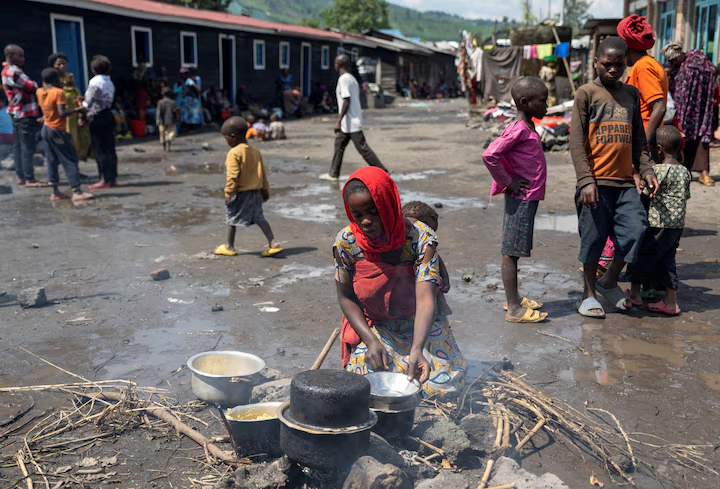
It warned, however, that millions of children, especially in some of the lowest income African countries like the Democratic Republic of the Congo (DRC), Somalia, and South Sudan, still lacked access to school meals, as donor support continued to fall.

REUTERS

Gauteng education MEC condemns rape of schoolboys, calls for values to be instilled

0

By Charmaine Ndlela

Gauteng’s education MEC has condemned the alleged drugging and rape of eight primary school boys as an “unspeakable” act, urging parents to instil values of respect in their children.

Matome Chiloane expressed shock over the Sept. 1 incident at Khomani Primary School in Diepsloot, Soweto.

“Such an unspeakable act should never happen to any learner in Gauteng,” Chiloane said in a statement.

“We sympathise dearly with the affected learners and families, assuring them of our full support during this time.”

The attack, in which a grade 7 boy allegedly stole and drugged a cold drink before giving it to the victims, who were then raped at gunpoint by an adult, has highlighted vulnerabilities in school safety.

“This incident is a reminder of the importance of our collective duty to ensure the safety of our children in and outside of school,” Chiloane added.

“We once again call on parents to play an active role in the lives of their learners, to instil values of respect and integrity that will form the foundation of the education we provide them with.”

Department spokesperson Steve Mabona said the grade 7 pupil has been suspended, with a disciplinary hearing scheduled for September 17.

The adult perpetrator was arrested, and police investigations are ongoing.  

Psychosocial support has been provided to the victims and families, including assessments by the Teddy Bear Clinic for injuries and well-being.

The condemnation comes as South Africa’s schools grapple with rampant violence and bullying.

The South African Human Rights Commission has found that in primary schools, daily incidents of fighting, intimidation and vandalism are turning learning spaces into places of fear, contributing to emotional trauma and dropouts, particularly among girls.

South Africa also faces one of the world’s highest rape rates. According to police statistics for the final quarter of 2024/25, there were 13, 452 reported sexual offences, with rape cases increasing to 10,688.

The Democratic Alliance (DA) said in 2024 that over 106,000 child rape cases and 22 000 sexual assault cases involving children had been reported in the six years to 2023/2024.

The information was provided via a parliamentary question. “On average, this equals approximately 1,472 child rape cases per month,” the party said at the time.

Education officials have called for stronger community involvement and implementation of the National School Safety Framework to combat these issues.

While the department of basic education has said it is implementing the framework across schools, it also said this year it has experienced “serious” capacity constraints such as “staff shortages in district safety directorates, financial limitations, and external environmental challenges such as high crime rates and infrastructure vandalism in certain communities”. 

Gwarube faces renewed pressure over school infrastructure backlogs

By Johnathan Paoli

Basic Education Minister Siviwe Gwarube came under renewed scrutiny as Parliament’s Portfolio Committee on Basic Education probed persistent backlogs in school infrastructure and uneven learner outcomes across provinces, despite billions of rand being allocated annually to the sector.

Responding to findings from the Financial and Fiscal Commission (FFC), Gwarube acknowledged that infrastructure remains one of her department’s most pressing challenges.

While progress has been made in eliminating pit latrines, 206 schools continue to operate in unsafe or “inappropriate structures,” with the Eastern Cape, Western Cape, and Northern Cape worst affected.

“This remains a massive Achilles heel for the department. We are inching closer to the 100% mark on eradicating pit toilets, but progress is slower than desired,” Gwarube admitted.

The pressure came after the FFC highlighted entrenched disparities in school resources, inefficiencies in spending, and weak learner performance in underfunded communities.

Gwarube defended her department’s efforts, citing improvements in mathematics and science through the Mathematics, Science and Technology (MST) grant, but stressed it is only one intervention among broader reforms.

“It would be misleading to judge the entirety of our effort on the basis of one grant,” she said.

She also assured MPs that the department is reviewing its funding norms to better balance equity, fiscal realism, and sustainability.

FFC chairperson Nombeko Mbava presented stark findings, noting that South Africa’s basic education system—serving over 12.5 million learners—remains marked by unequal resource distribution.

Public schools, particularly in poorer quintiles, face overcrowding, weak infrastructure, and poor matric results. In 2024, only 44.4% of learners in quintile one schools achieved a bachelor pass, compared with 60.3% in quintile five schools.

“Equity in education is not just about allocating funds. It is about ensuring that every learner, regardless of where they are born, has access to the same quality of education, infrastructure, and opportunities,” Mbava warned.

The FFC report highlighted further gaps: more than 82% of schools lack laboratories and computer centres, 74% have no libraries, and 40% are without sports facilities. Even where libraries exist, many are poorly stocked.

Conditional grants showed mixed results.

The Education Infrastructure Grant (EIG) reported high expenditure, yet provinces such as the Eastern Cape and North West failed to meet half their maintenance targets.

The ASIDI programme, tasked with eliminating unsafe structures, continues to lag behind schedule.

While the evidence underscored systemic problems, MPs targeted Gwarube personally. EFF MP Mandla Shikwambana criticised her for leaving committee meetings early.

“We cannot continue with a minister who is either absent, leaves early, or doesn’t engage. It is abnormal, and we cannot normalise it,” he said, noting that departmental spending is often reported without baseline data, making it hard to track progress on toilets, classrooms, and laboratories.

ActionSA’s Lerato Ngobeni added that simply “throwing money at the problem” is insufficient and insisted accountability must rest with the minister.

“We cannot allow ministers to evade responsibility by leaving their deputies and DGs to answer tough questions,” she warned.

Committee chair Joy Maimela defended the committee’s oversight role but encouraged members to formally escalate attendance concerns.

“If the minister’s availability is a challenge, this should be raised with the Speaker,” she said.

INSIDE EDUCATION

Artisans shine as TVET students win over R180k at Allan Gray makers awards

By Levy Masiteng 

TVET college students walked away with more than R180,000 in cash prizes at the Allan Gray Makers Competition and South African National Artisan Awards (SANAA), a celebration of innovation and entrepreneurship held this week at the Birchwood Hotel and OR Tambo Conference Centre in Boksburg.

Hosted by Allan Gray Makers in partnership with the Department of Higher Education and Training (DHET), the event recognised and celebrated the contributions of artisans across diverse fields of craftsmanship in South Africa.

The winners included Oratile Sibanyoni from Tshwane North TVET College, who won the Business Idea category and walked away with R50,000.

Rashaad Sambaba from False Bay TVET College won the General Business category and was also crowned Overall Winner of the Year, earning R30,000 for the category and an additional R50,000 from the National Youth Development Agency (NYDA).

Siphokuhle Mcotshana from the College of Cape Town placed second, receiving R30,000 plus another R50,000 from the NYDA.

The Department of Higher Education and Training (DHET) noted that this year’s SANAA theme was “Changing Artisanal Identity and Status.”

“These awards highlight the skills, creativity, and cultural significance of artisans who excel in traditional crafts such as welding, motor mechanics, carpentry, and other high-demand trades,” the DHET said in a post.

The celebration was attended by Higher Education Minister Buti Manamela and Deputy Director-General for TVET Colleges, Sam Zungu.

Manamela stressed the central role of artisans in the economy.

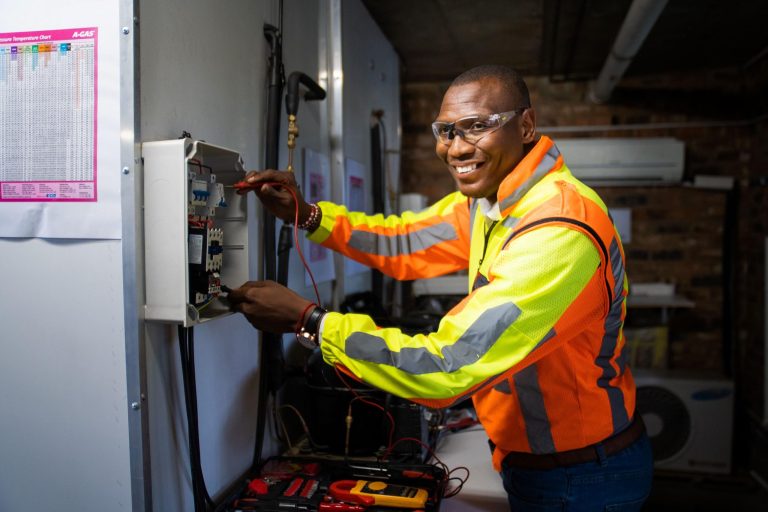
“Artisans are the backbone of our nation. They are the electricians who power our homes and industries, the mechanics who keep our economy moving, the plumbers who protect public health, and the welders and millwrights who build the infrastructure of tomorrow. As we transition to a green economy, artisans are not a luxury but a necessity,” he said.

He added that SANAA should not just be an event, but a movement that celebrates excellence, nurtures talent, and affirms the dignity of work.

“Because when we invest in artisans, we invest in the soul of our nation.”

Zungu echoed this, praising artisans as vital to the economy and communities.

“We are here to proudly declare that artisans matter to our economy, our communities, and the future of South Africa,” he said.

False Bay TVET College expressed pride in their students’ achievements: “These victories are more than individual accomplishments — they are a testament to the quality of education, training, and mentorship at False Bay TVET College.”

The College of Cape Town also thanked supporters of Mcotshana, saying: “We truly appreciate your support, colleagues.”

The Allan Gray Makers Competition is funded by Allan Gray Philanthropies and supported by the DHET, Absa South Africa, Future Managers, and SAB.

Sambaba, the overall winner, took to Facebook to express his gratitude.

“This award is more than just a trophy; it’s a validation of my mission to create sustainable change through entrepreneurship, education, and youth development. My journey is just beginning, and this moment fuels my commitment to continue building a legacy that uplifts communities and empowers the next generation of leaders,” said Sambaba.

Manamela called for greater recognition of artisans.

“Let us recognise the value and dignity of artisanal work. Let us celebrate the men and women who build, create, and innovate. They are the pillars of our economy, and they deserve our respect and appreciation,” said Manamela.

INSIDE EDUCATION