Learners at Makgori Primary School in North West were expected to return to class on Wednesday after teaching was disrupted by protests over dilapidated infrastructure and a shortage of teachers, the provincial education department said.
The department said a high-level delegation met concerned parents and community members in Makgori Village, in the Ratlou Local Municipality, on Tuesday to address the crisis at the school.
It said measures were being put in place to fill a vacant teaching post, particularly for Natural Sciences and Technology, to help stabilise teaching in the first term of 2026. It also said the school would implement a catch-up plan, including extra classes, to recover lost learning time.
Parents and community members had raised concerns about deteriorating infrastructure and staff shortages, which they said were undermining teaching and learning conditions. Parents shut the school for about a week over the issues.
The department said a maintenance contractor had already been appointed and would be formally introduced to the community at the start of the 2026/27 financial year to begin major renovations.
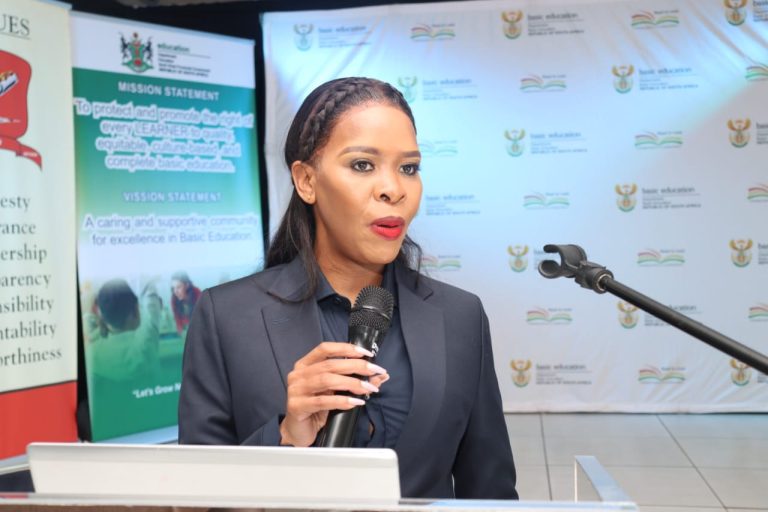
North West Education MEC Viola Motsumi said the department was aware of the community’s concerns and had assigned officials to intervene.
“We are fully aware of their challenges, and I have delegated a team of officials to address these issues,” Motsumi said.
Forty learners from Ekwazini Secondary School in Mpumalanga were taken to hospital on Tuesday after developing symptoms consistent with food poisoning after eating snacks known as Krunchy Nax, the provincial education department said on Wednesday.
“Initially, three learners reported stomach cramps, prompting school authorities to act swiftly and request medical assistance,” the department said.
As more learners developed similar symptoms, 40 were transported to the hospital for further assessment and observation.
The department said all affected learners were in a stable, non-critical condition and had since been discharged.
It said health inspectors had been deployed to investigate the incident and that samples of the suspected snacks, as well as other food items and water sources, had been collected for laboratory testing.
While the investigation is under way, the department urged parents and guardians to warn children about the dangers of buying and eating food from unverified and informal shops.
“Parents and guardians are urged to have ongoing conversations with their children about food safety, the risks associated with unregulated products, and the importance of making responsible choices,” the department said.
The department also praised the response of school management, educators and health officials, saying their swift action helped protect learners and contain the situation.
It said it would continue to monitor developments at the school and provide updates as more information becomes available.
Irregular appointments and procurement practices are two of the biggest problems at the College of Cape Town, and addressing these will go a long way towards stabilising the institution.
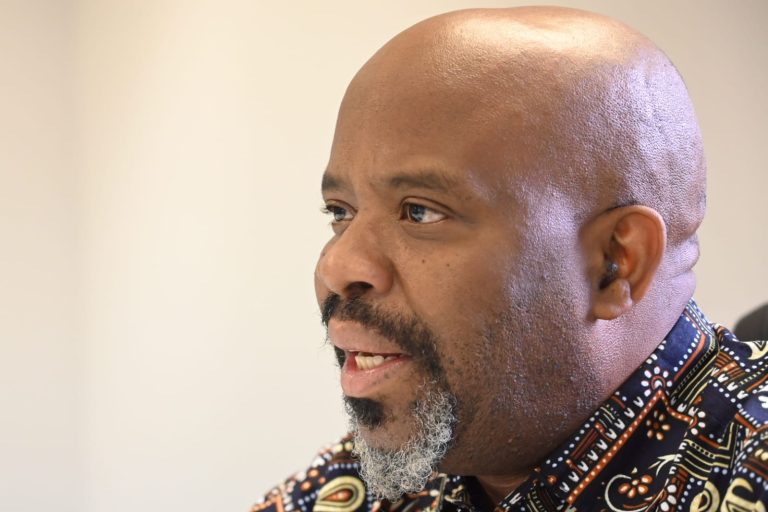
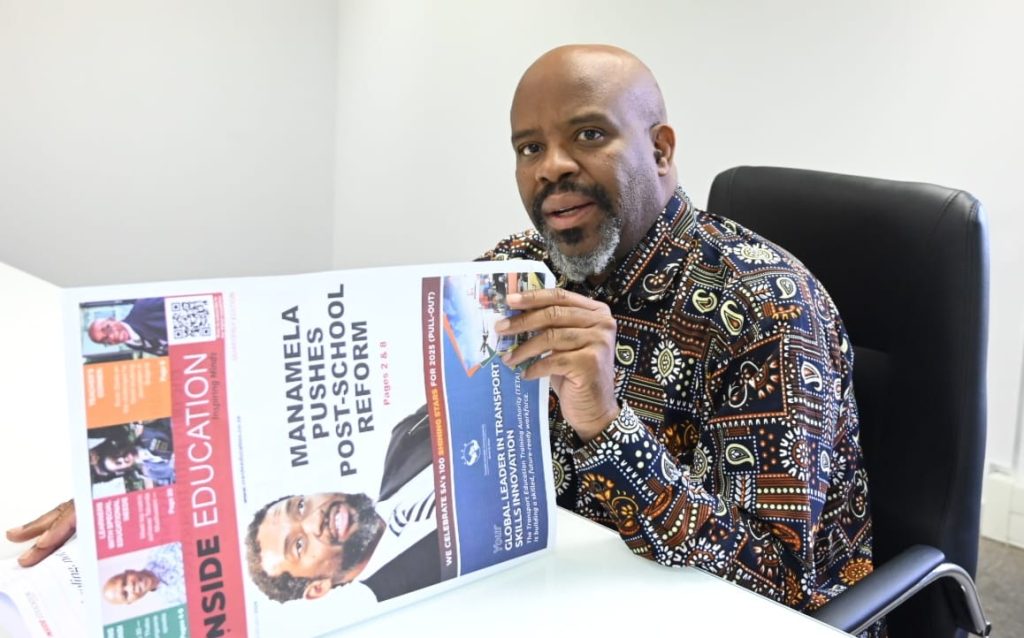
This is according to Dr. Robert Nkuna, the recently appointed administrator for the institution, who spoke exclusively to Inside Education.
Nkuna was appointed by Higher Education and Training Minister Buti Manamela for a period of two years.
“Incorrect appointments and procurement practices are the biggest challenges facing the institution,” said Nkuna, adding that, in the case of appointments, he would have to review the institution’s operational structure and needs and, where appointments were irregular, correct or reverse these.
Part of Nkuna’s brief is to oversee the appointment of a new council and principal, as well as five vice-principals in areas including finance, human resources and information technology.
Since taking up the post a month ago, Nkuna has met all stakeholders, including all eight campus managers, labour through all four trade unions — the National Professional Teachers’ Organisation of South Africa (NAPTOSA), the South African Democratic Teachers’ Union (Sadtu), the Public Service Association (PSA) and the National Education, Health and Allied Workers’ Union (Nehawu) — as well as the Student Representative Council (SRC).
Nkuna said one of the key outcomes of the engagements has been unanimous support by all unions for him to implement the forensic investigation commissioned by Manamela.
On procurement practices, Nkuna said: “Emergency procurement is the most abused practice in the public sector”.
He said he intended to review and overhaul procurement systems at the college and make decisions such as whether to centralise procurement and streamline bid evaluation committees to service all campuses.
Nkuna said he viewed his role as administrator as more than addressing governance challenges. He would like the institution to address challenges including infrastructure, which is uneven across campuses based on location, with historically disadvantaged areas such as Gugulethu and Athlone having relatively poor infrastructure, he said.
Gugulethu has had a new building unveiled, but Nkuna said more was required.
He said he would also oversee a review of the college’s content and the programmes it offers.
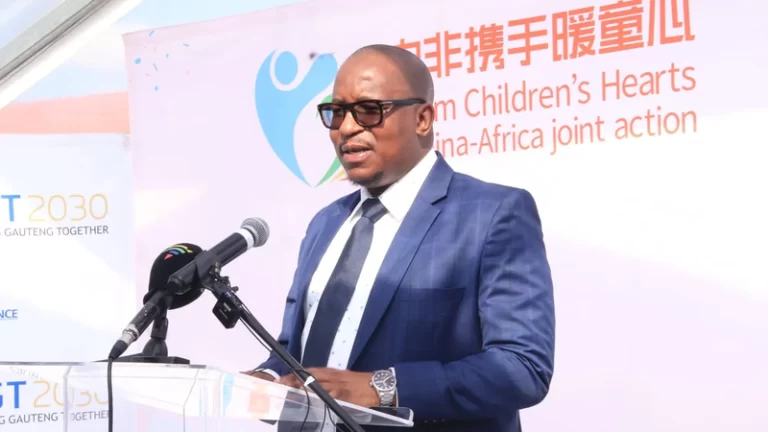
Gauteng Education MEC Matome Chiloane is set to introduce a law firm appointed to investigate the circumstances surrounding the death of a Grade 5 learner at Reagile Primary School in Tembisa.
The introduction will take place on Wednesday, where the MEC will formally present the legal team to the school community and outline the terms of reference guiding the independent investigation.
The learner, 10-year-old Milton Neo Mokgoatsane, died on Monday, 16 February 2026, following an incident on the school premises.
According to the Gauteng Department of Education, the incident occurred during the second break when a group of learners were playing near soccer goal posts.
“It is reported that a group of learners, including the deceased, were playing around the soccer posts when a goal post fell on the learner, resulting in severe injuries,” the department said.
Paramedics were immediately called to the scene and arrived approximately 20 minutes later. Despite efforts to resuscitate him, the learner was declared dead at the scene.
The Department of Basic Education (DBE) urged parents and guardians to remain vigilant after videos circulated showing pupils inhaling chemical fumes through improvised devices.
The department said it condemned the behaviour and warned that inhaling chemical substances in this way posed serious and potentially fatal health risks, including brain damage, respiratory failure and sudden death.
“Schools are meant to be safe environments dedicated to learning and the development of our children,” the DBE said.
“Any activity that endangers the lives and wellbeing of learners undermines this responsibility and will not be tolerated.”
The department called on parents to speak to their children about the dangers of substance abuse and harmful social media trends. It also urged them to watch for behavioural changes, unusual objects brought home or other signs that pupils may be involved in risky activities.
The DBE said schools should immediately strengthen and strictly enforce safety protocols.
This included random inspections, monitoring items brought onto school premises, strengthening life orientation education on substance abuse, peer pressure and risky behaviour, and ensuring prompt intervention by educators.
It also called for closer collaboration between schools, school governing bodies, parents and local authorities to prevent such activities.
“Provincial education departments are also encouraged to intensify awareness campaigns on the dangers of substance abuse and other harmful trends affecting learners,” the department said.
“The safety and well-being of students remain a top priority.”
World Social Work Day, on 17 March, offers an opportunity to reflect on a profession that quietly but powerfully shapes the lives of individuals, families, and communities across the globe.
In a world increasingly divided by conflict, inequality, displacement, and ecological crises, the 2026 theme “Co-Building Hope and Harmony” is both a reminder and a challenge that the only sustainable way forward is through cooperation, solidarity, and co-creation.
This reflection becomes especially meaningful when considered alongside the values celebrated on Human Rights Day (21 March).
Human rights are not abstract ideals; they are lived realities that must be actively protected, nurtured, and realised. Social work sits at the very heart of this effort.
At the Oprah Winfrey Leadership Academy for Girls (OWLAG), the quiet power of social work becomes particularly visible.
OWLAG was founded on the belief that girls — especially those from disadvantaged backgrounds — can become transformative leaders when given the right support, education, and environment. Yet access to education alone is not always enough.
Many young women arrive at our door carrying the weight of complex personal histories shaped by poverty, trauma, gender inequality, or exposure to violence.
Social workers operate in spaces where personal challenges intersect with opportunity. They listen, guide, and advocate. They create safe environments where young women can process their experiences, rediscover their confidence, and begin to see themselves not through the limitations imposed by circumstance but through the possibilities of their potential.
Poverty may have limited access to resources. Gender-based violence may have shaped their understanding of safety and trust. Inequality may have narrowed their sense of what is possible.
Yet with the right support structures, mentorship, and advocacy, these same young women begin to reframe their narratives. They move from surviving to thriving, and eventually to leading.
The student who once doubted her abilities begins to participate more confidently in class discussions, lead student initiatives, or support her peers through similar challenges.
This process reminds us that leadership is often nurtured in the quiet spaces of encouragement, reflection, and care, not just formal spaces.
Social workers also play an essential role in advocating for the broader systems that support women and girls.
Whether working within schools, community organisations, or policy environments, social workers are critical to informing programmes addressing education, safety, and social support.
Investing in social work isn’t just an act of compassion — it is a strategic investment into the very fabric of society.
When women and girls are empowered, communities become stronger, institutions more inclusive, and economies more resilient.
Research consistently shows that when women lead — whether in education, governance, business, or community life — societies experience greater social stability and improved development outcomes.
At OWLAG, the vision is to nurture young women who will go on to become leaders across diverse sectors of society.
Social work forms a vital part of that journey, operating through a quiet power. It doesn’t always command headlines or public recognition, yet its impact is profound and far-reaching.
Each young woman who discovers her voice, overcomes adversity, and steps forward to lead, carries with her the influence of those who quietly supported her along the way.
On World Social Work Day, it is important that we pause to recognise the impact of this critical function. Social workers are not only service providers — they are advocates, mentors, and catalysts for change.
If we are serious about building a future where women lead boldly and societies flourish with justice and compassion, we must continue to value and invest in the profession of social work.
Because sometimes the most powerful leaders are shaped not in moments of visibility, but in the quiet, patient work of those who believe in their potential long before the world does.
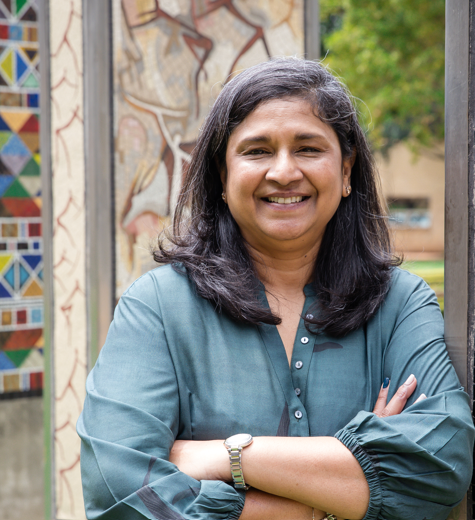
Managa Pillay is Head of Student Affairs, Oprah Winfrey Leadership Academy for Girls.
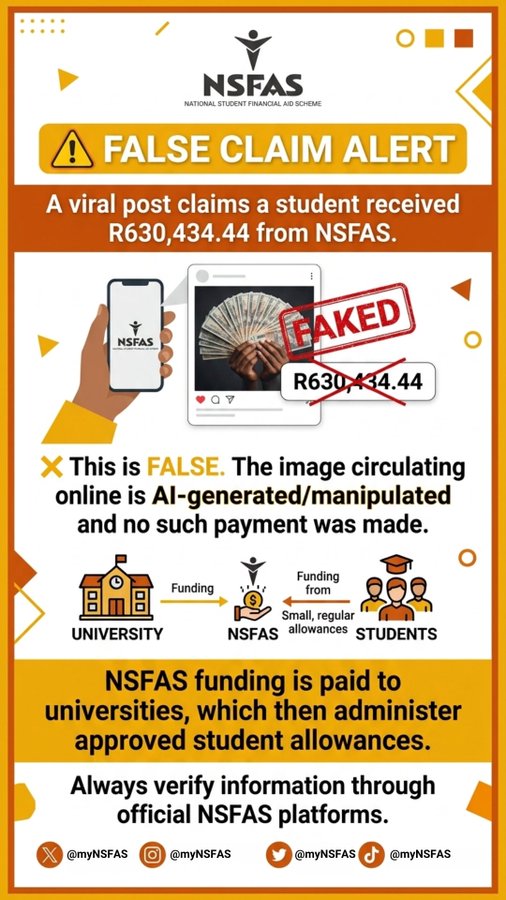
The National Student Financial Aid Scheme (NSFAS) has warned the public against “false and misleading” information circulating on social media claiming that a student received a payment of R630,434.44 from the scheme.
NSFAS said preliminary verification indicates that the image being shared online about the payment was manipulated, possibly AI-generated, and did not correspond with any legitimate NSFAS transaction.
The claim stems from a viral social media post alleging that a South African student was accidentally paid R630,434.44 instead of an expected R6,000 allowance.
Screenshots circulating online show a bank balance displaying the amount as “Today – Salary,” alongside a mirror selfie reportedly taken by the student in a public bathroom.
The viral post further claimed that the student returned the full amount immediately. The story drew widespread public attention, attracting thousands of views and shares, with some social media users comparing it to the 2017 Sibongile Mani case, in which a Walter Sisulu University student was mistakenly credited with R14 million, spent some of the money, and later faced theft charges.
The scheme said it does not make large lump-sum payments directly to students. Instead, funding allocations are paid to universities, which then administer student allowances in line with approved funding guidelines. NSFAS said these processes are governed by strict financial controls and oversight mechanisms.
“No such payment has been made by NSFAS. The student in question created this content for social media purposes, likely to gain traction as part of content creation opportunities on platforms,” the scheme said in a statement.
NSFAS reassured students, institutions and the public that its systems remain secure and that no irregular payment or breach had occurred in relation to the claim.
The scheme also stressed that the creation and distribution of false or misleading information that misrepresents its operations is taken seriously. NSFAS said it reserves the right to pursue legal action against individuals who deliberately spread misinformation that could harm its reputation and integrity.
Members of the public have been urged to rely only on official NSFAS communication platforms for accurate and verified information.
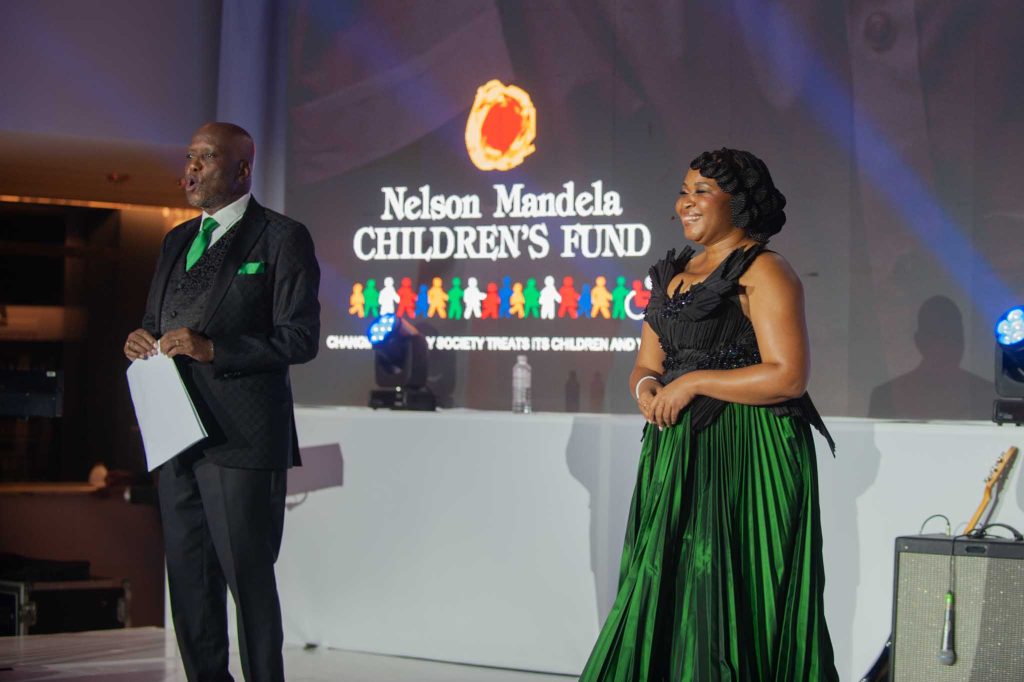
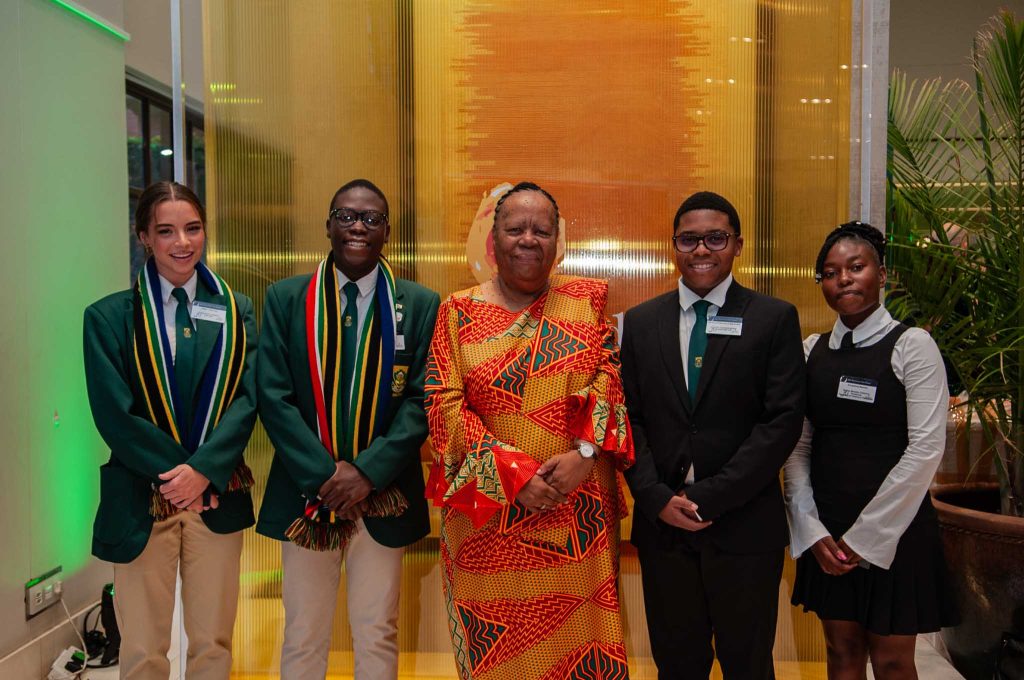
The Nelson Mandela Children’s Foundation said South Africa is paying a steep economic price for child poverty, warning at its 30th anniversary gala dinner that the country loses as much as R1.3 trillion a year in unfulfilled child potential.
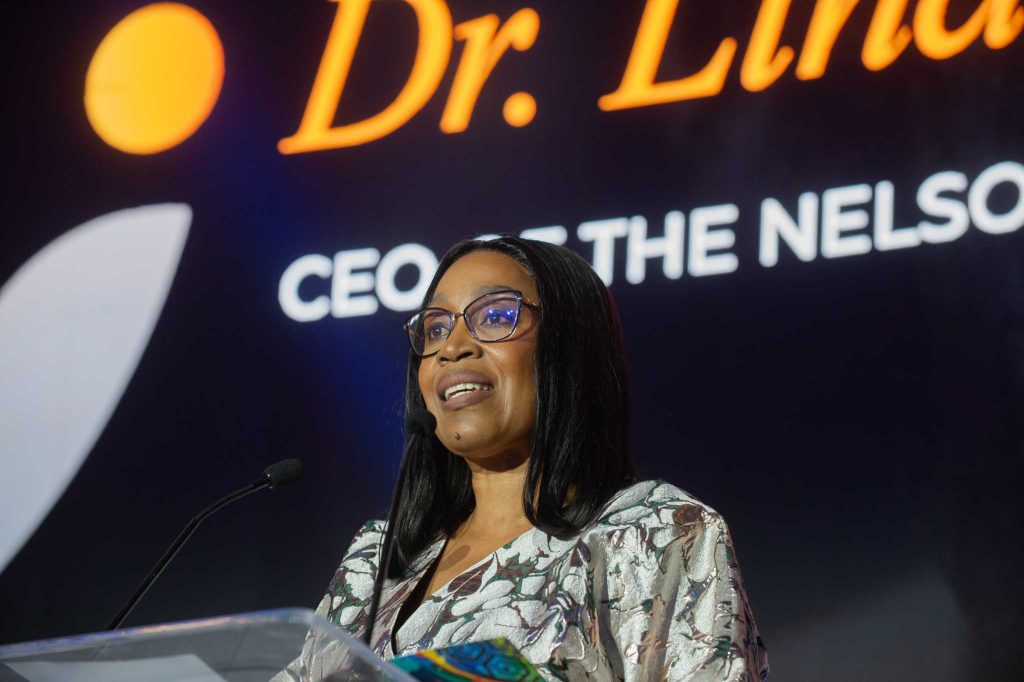
Speaking in Bryanston, the foundation’s chief executive, Linda Ncube-Nkomo, said a 2024 report found that South Africa spends between R660 billion and R700 billion a year — about 9.8% of gross domestic product — on tackling child poverty, but without achieving meaningful change.
The foundation’s chief executive, Linda Ncube-Nkomo
“If we were to invest the same amount of money differently, ensuring that it reaches the vulnerable children that it should and they were to become economically active in one way or another, they could contribute R1.3 trillion to the economy annually,” Ncube-Nkomo said.
“The hidden cost of unfulfilled child potential is R1.3 trillion, approximately 18% of GDP, each year. This is no longer just a social crisis; it has become an economic one.”
She said the organisation is focusing on reducing poverty in the communities where it works, improving children’s health outcomes, tackling violence against children and strengthening children’s participation in decisions affecting their lives.
“We’ve been able to move children into the upper poverty line because when they are in that space, we know that they are at least getting three nutritious meals a day,” she said.
“We want to be able to ensure that there is economic activity in the household. What are the assets we have as a community that can actually be able to benefit us all, as well as we want to be looking at elevating the voices of children?”
She said South Africa was confronting a bleak reality in the treatment and protection of children, citing high levels of violence and widespread vulnerability.
“I think it’s very clear that the mirror that we’re looking at is showing us a very dark and dreary picture of how children are, and the state of children’s well-being,” she said.
“We approximately have 13 million children that don’t have the hope of being able to live up to their potential unless there’s a change of trajectory.”
Ncube-Nkomo also said the foundation was operating in a tougher funding environment, with more than 276,000 registered non-profit organisations competing for shrinking resources, and donor confidence declining.
“We have seen that in the past decade, the Fund did not exceed R20 million in unrestricted fundraising in a single year. This is not a confession of failure, but rather a diagnosis,” she said.
Even so, she said the foundation had developed a new roadmap for the next 30 years through its Legacy 2.0: Khuluma Mntwana, Sikuzwe strategy and its 2026-2031 plan, which aims to move beyond protection and voice to ensuring children grow up safe, healthy, educated and economically included.
“Our priorities are clear: Alleviation of child poverty and ensuring that, in the communities where we work, at least 5% of the children below the food and intermediate poverty line move into the upper bound poverty line,” she said.
“We also want to ensure that in those same communities, there is an increase in the number of children below the age of six who meet their cognitive and physical developmental milestones so that they can have a fighting chance of being in the R1.3 trillion contributors.”
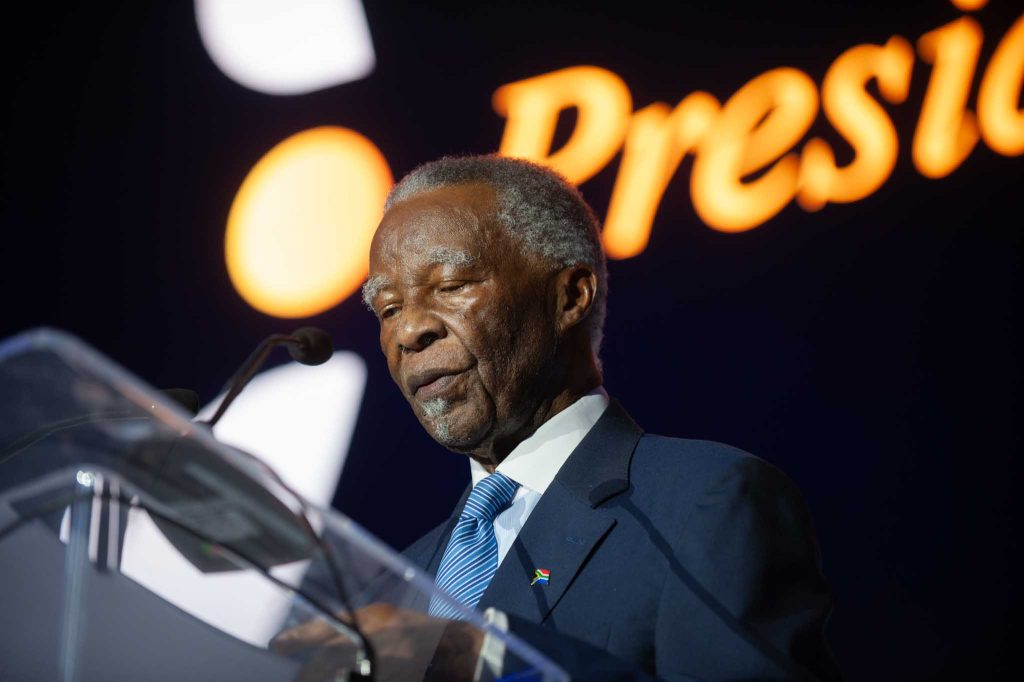
Former president Thabo Mbeki, delivering a keynote address, said the scale of child poverty called into question the country’s commitment to ubuntu and social justice. Citing Statistics South Africa data, he said 62.1% of children were identified as multidimensionally poor.
Former president Thabo Mbeki
“Obviously, it would be difficult to claim that the soul of the nation is informed by the philosophy of ubuntu when it still has so many millions of children living in poverty,” Mbeki said.
“Of course, it is obvious that we cannot seriously consider the situation of the children in South Africa outside the context of society as a whole.”
He said South Africa needed to return to the original goals of the democratic struggle, including liberation from poverty and underdevelopment.
“In this regard, it is important that, as has been said, we must go back to basics,” he said.
“To do this means that we must fully internalise the understanding that millions of our people engaged in a protracted struggle to achieve political emancipation as well as realise liberation from poverty and underdevelopment.”
Mbeki added that children’s rights, as protected in Section 28 of the Constitution, should remain central to state policy and public life.
“Our constitution fundamentally aspires to be a caregiving document,” he said.
“It does not just prohibit cruelty to children; it also imposes a positive obligation – on the state, on institutions, and on all of us – to ensure that every child is held, nourished, and protected.”
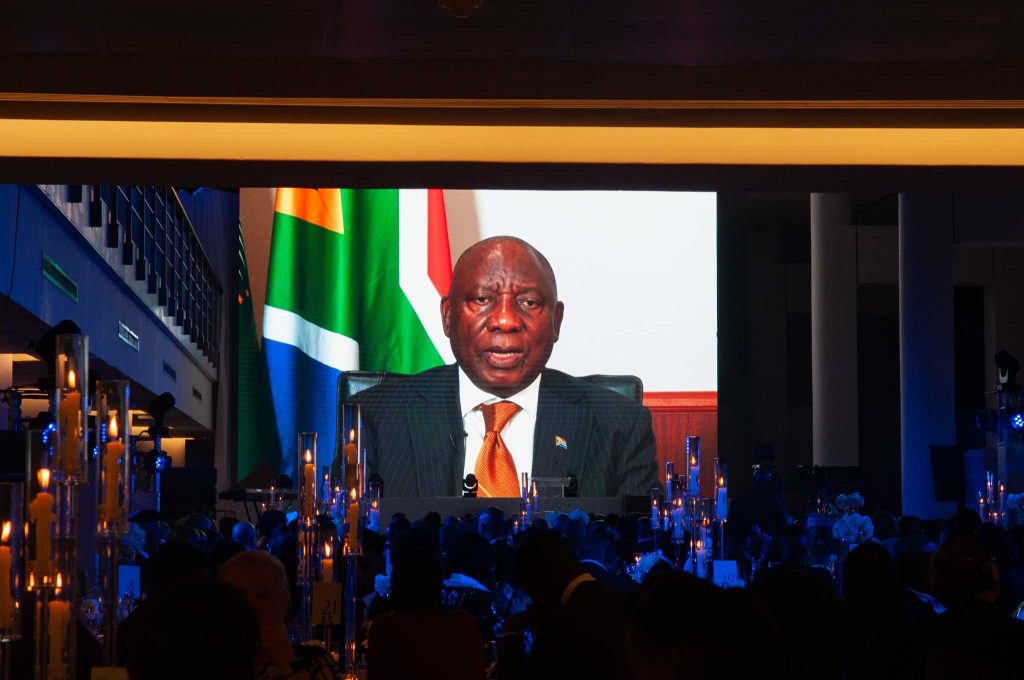
President Cyril Ramaphosa said South Africa had made significant progress since apartheid through investment in early childhood development, education, nutrition and child healthcare, but acknowledged that too many children still faced poverty and hunger.
President Cyril Ramaphosa
“As a democratic nation, we have invested substantially in Early Childhood Development in Basic Education in child nutrition and in health care for children, and all of these processes are continually upscaling on an ongoing basis,” Ramaphosa said.
“We have an extensive social welfare net that today reaches more than 13 million children from impoverished families.”
He said the foundation had helped amplify children’s voices and translate compassion into action, but urged broader cooperation to deepen the impact of those efforts.
“As a government, we cannot walk this journey alone. The success of the Nelson and Mandela Children’s Fund reminds us that lasting change is worth the part to the donors, to the educators, to activists, to community leaders and to young advocates gathered this evening,” he said.
Ramaphosa said the country needed to keep building a society in which every child, whether born in a rural village, informal settlement or city, had a fair chance to succeed.
“We need to continue to build a South Africa and an Africa where every child is empowered to realise their true potential, because when we care for our children, we are not only shaping their future, but safeguarding the future of a nation.”
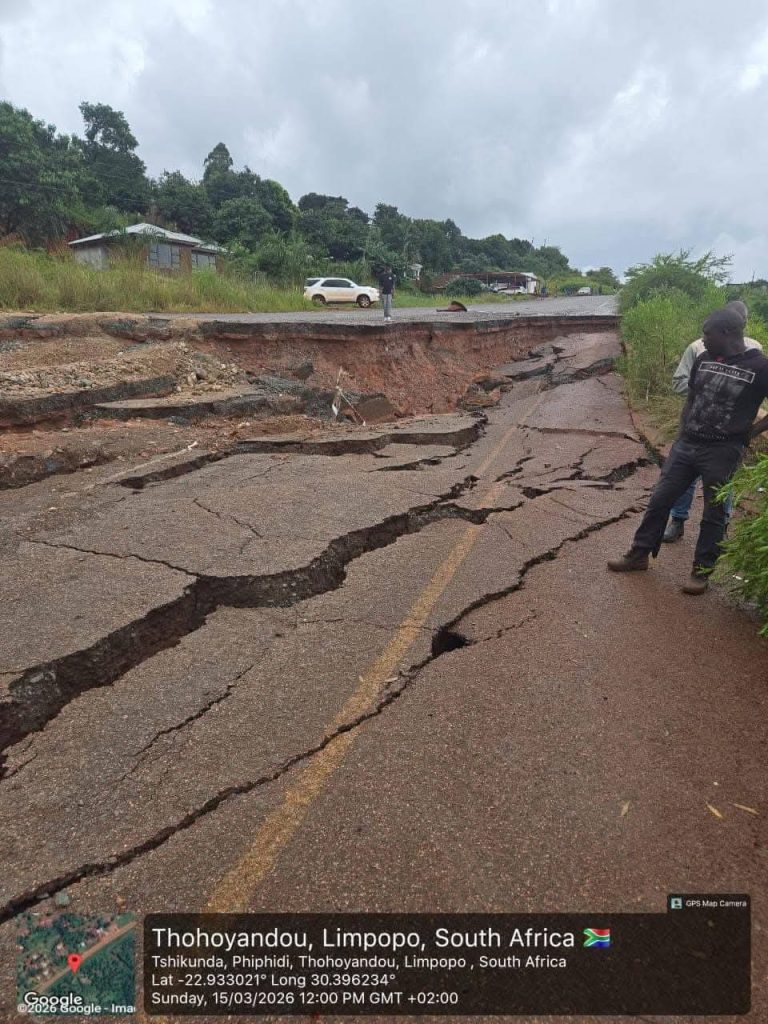
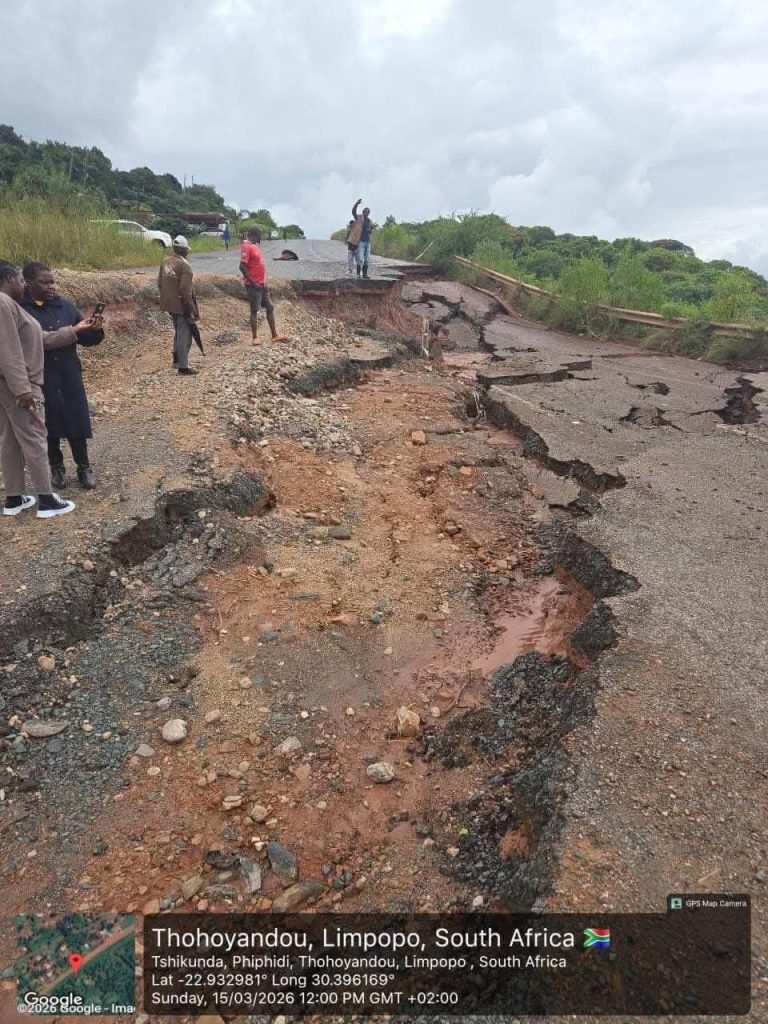
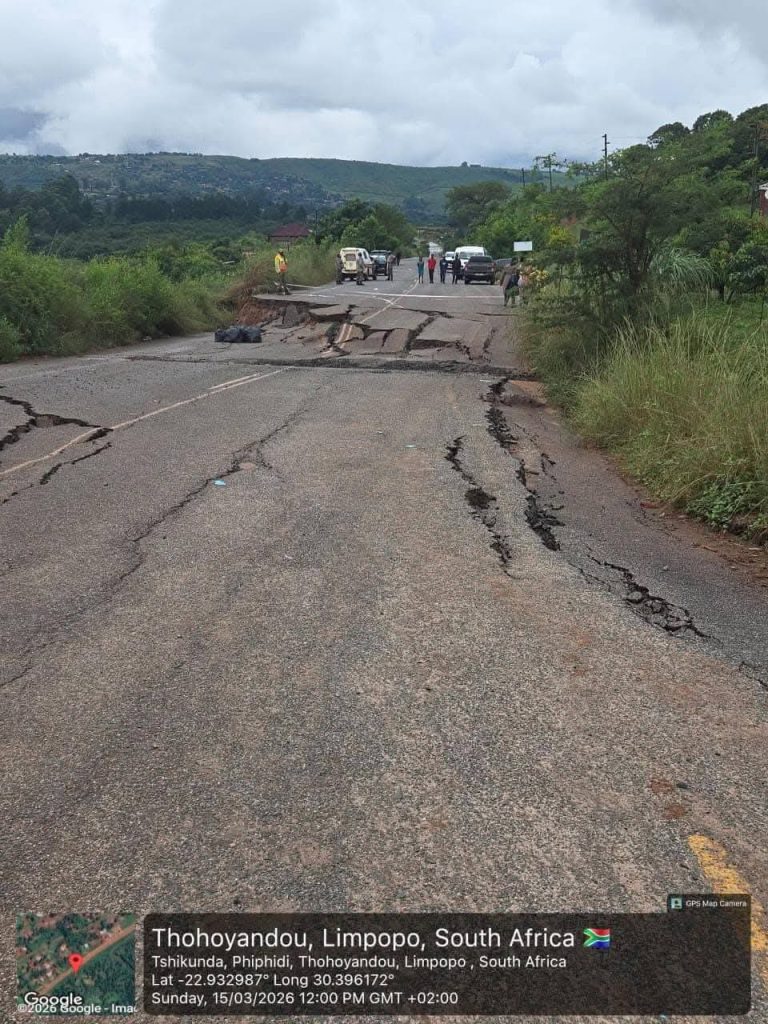
The Limpopo Department of Education has suspended schooling in several flood-affected districts for two days after heavy rains that peaked on the weekend left roads impassable and raised concerns about damage to school infrastructure and pupil safety.
In a statement on Sunday, the department said the temporary suspension would take effect from Monday, 16 March, until Tuesday, 17 March, to allow for a thorough assessment of the weather conditions.
“The safety of learners and staff is a paramount concern. With reports of flooded roads and compromised building integrity, the suspension is a necessary measure to prevent any potential tragedies,” said Isaac Mahlangu, department spokesperson.
In January, the province experienced devastating floods that left dozens of people dead and caused widespread damage to infrastructure, roads, schools and healthcare facilities. The provincial government said at the time the estimated cost of repairs was valued at R2 billion.
Heavy rains fell again last week, affecting districts such as Vhembe, Waterberg, and Mopani.
Several bridges were washed away due to the resultant flooding. The Middle Letaba Dam, located a few kilometres outside Giyani, was overflowing for the first time in 26 years as a result of the downpours.
The department said that learners who are unable to sit for tests due to flooding will be afforded an opportunity to write at a later date.
The department also discouraged parents from forcing learners to attend school until conditions had eased.
“The department, in coordination with District Municipalities and disaster management teams, will continue to closely monitor the weather situation and its impact on school infrastructure and accessibility,” Mahlangu said.
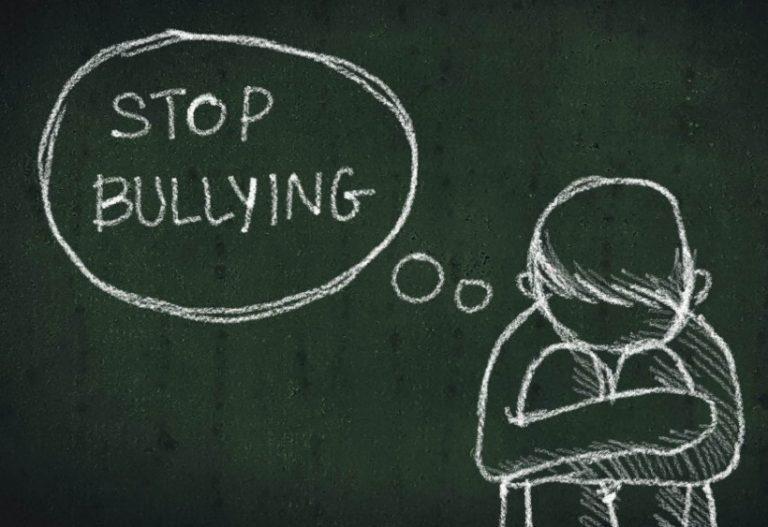
Calls for stronger anti-bullying measures and mental health support have intensified after the death of Grade 3 learner Imibongo Ntamehlo from Gxulu, outside Mthatha in the Eastern Cape, with her family alleging she had endured persistent bullying from fellow pupils.
Imibongo’s mother, Sisipho Ntamehlo, said her daughter had been bullied for a long time before the incident.
Speaking to the Daily Dispatch, Sisipho said other schoolchildren made her daughter’s life extremely difficult.
“She was isolated for carrying R2 at school while other children had R10. We are struggling because I am unemployed,” she said.
According to her mother, the bullying extended beyond the school premises.
“On their way to and from school she was also bullied. While on the transport to and from school, other pupils would beat her up and force her to make space for them,” she said.
The incident has sparked widespread concern about bullying in schools and the mental wellbeing of young learners.
The Select Committee on Education, Sciences and Creative Industries expressed “deep sadness” following reports of the learner’s death.
Committee chairperson Makhi Feni extended condolences to Imibongo’s family, as well as fellow learners and educators affected by the tragedy.
“It is not normal that a learner as young as Imibongo would commit such an act. We are therefore calling for a thorough investigation into this incident,” Feni said.
He said bullying remained a serious challenge in schools and stressed the need for educators and authorities to intensify efforts to address it.
“Our children must find parental love and protection in schools. This is a tragic story that reflects on our system, and the sooner incidents like these are properly addressed and resolved, the better,” he said.
Feni said schools, together with provincial and national education authorities, had to take stronger steps to prevent bullying and protect learners.
“The reality is that many of our schools lack social work and welfare services, as well as adequate learning security,” he said.
The committee said it would seek further information about the circumstances surrounding the incident, while urging provincial authorities to provide support to the affected family.
“The province must assist the family in every way possible,” Feni added.
South African Depression and Anxiety Group supervisor Phumla Mbuyane said the incident highlighted the urgent need for mental health awareness programmes in primary schools.
Mbuyane said children often experienced trauma and emotional distress at a very young age, yet mental health programmes typically focused on older learners.
“Eight years is very young. For a child to even think of harming themselves, it means they must have gone through a lot and felt that there was no way out,” she said.
She added that many children who experienced bullying might engage in self-harm as a way of coping with emotional pain.
“There are many children who self-harm because they feel the pain inside them needs to be released,” she said.
Mbuyane said the organisation runs programmes that visit schools to educate learners about mental health, but these initiatives often focus on older grades.
“We usually go to schools to speak about mental health, but we do not always focus on younger grades such as Grade 3. This incident shows we need to revisit those programmes and also include primary schools,” she said.
She said early intervention was critical because unresolved trauma in childhood could affect learners as they grew older.
“When learners reach high school, many of them have already experienced trauma. Some start self-harming, using drugs or struggling to concentrate in class,” she said.
Mbuyane also raised concerns about children’s exposure to social media at a young age, saying it might influence how they perceived themselves and others.
“Children now have access to platforms such as TikTok, Instagram and YouTube. They see unrealistic lifestyles and sometimes harmful content, which can affect how they think and behave,” she said.
She emphasised that addressing bullying required collective responsibility from parents, schools and society.
“We cannot place the blame only on the child, the parents or the school. Society as a whole needs to do more to protect children,” she said.
Mbuyane said schools and communities should also ensure that learners from disadvantaged backgrounds were not excluded or humiliated because of poverty.
“If there are activities such as fundraising for food at school, teachers and school governing bodies should ensure that every child is included so that no learner feels left out,” she said.
Imibongo will be laid to rest in Gxulu village on Saturday.