Home Blog Page 74

London mayor highlights youth sports as powerful beyond the school pitch

By Johnathan Paoli

In a stirring celebration of Mandela Day, London mayor Sadiq Khan has reaffirmed the powerful role of sport in social upliftment and cross-continental cooperation, amid trade missions to Nigeria, Ghana and South Africa.

Khan visited Villagers FC in Claremont, Cape Town, where he engaged with young athletes from the Atlas Foundation South Africa, referencing the iconic image of Mandela in a Springbok jersey during the 1995 Rugby World Cup final as a moment that symbolised a fractured nation beginning to heal.

“Sport has the power to bring people together. Teamwork, leadership, respect, these are values learned on the sports field. They’re also values that prevent young people from being pulled into crime and gangs,” Khan said.

Khan, himself a former human rights lawyer, described his experience as “deeply humbling” and emotionally resonant.

“Nelson Mandela’s vision of equal rights and justice wasn’t just for South Africa. It was a vision for all of us, everywhere,” he said, recalling the powerful impact Mandela had on the UK, especially during his imprisonment.

The mayor’s remarks at Villagers FC linked the legacy of Mandela with the transformational power of sport, particularly for young people facing structural inequality, social exclusion, and risk of crime.

He highlighted the achievements of the Atlas Foundation SA, the local chapter of the UK-based foundation, for its work in empowering youth in under-resourced communities through rugby and life-skills training.

To that end, Khan used the occasion to announce a significant £1.4 million investment into London’s own grassroots sport programmes.

The funds, delivered through the Go! London initiative, the city’s largest ever community sports fund, will support youth development, encourage active lifestyles and help reduce crime in vulnerable communities.

The Atlas Foundation will be a key partner in these efforts in the UK, expanding its model from South Africa to London.

Khan’s visit to Villagers FC comes just months after Prince William toured the Atlas Foundation’s programmes in Ocean View and Masiphumelele, underlining the growing international attention on grassroots sport as a tool for development.

The mayor also used his time in Cape Town to meet with Mayor Geordin Hill-Lewis and engage in trade discussions focused on tech, fintech, and sustainability.

He praised Cape Town’s thriving start-up culture and expressed interest in building long-term partnerships between London and Cape Town-based businesses.

“As part of our Grow London Global initiative, we’re inviting South African businesses to expand into London. Whether you’re a start-up or scaling up, we’re here to offer support, funding, and connections. We don’t want to act as patrons, but as equal partners,” Khan said.

In summarising his African visit, Khan reflected on the interconnectedness of social justice, sport, and trade.

The mayor said his visit reinforced the symbolic and practical bridges being built between South Africa and the UK, grounded in a shared belief in equality, opportunity, and the transformative power of sport.

INSIDE POLITICS

UCT introduces AI in Education Framework

By Lungile Ntimba

The University of Cape Town’s Senate Teaching and Learning Committee has endorsed a new Artificial Intelligence (AI) in Education Framework to guide the responsible and ethical use of AI technologies in teaching and learning.

Prof.  Brandon Collier-Reed, who is a deputy vice-chancellor in teaching and learning, said the recent decision was driven by the growing integration of AI tools into everyday academic and professional life.

“Staff and students are using tools such as ChatGPT, Claude and Gemini in innovative and productive ways; while at other times these technologies present significant challenges, requiring us to rethink teaching pedagogies, assessment practices and the fundamentals of what a university experience should be and what our qualifications should signify in a changing world,” Collier-Reed said in a statement.

The framework, which focuses primarily on generative AI, provides overarching principles for ethical and responsible use.

It also promotes three core pillars for engagement, including promoting AI literacy among staff and students, ensuring integrity in assessment practices, and investing in AI-enabled innovations in teaching, learning, and curriculum design.

According to Collier-Reed, these pillars served as a roadmap for short- and medium-term activities, while clarifying the roles and responsibilities of various stakeholders involved in implementing the framework. 

“Responding to AI in teaching and learning will require the commitment of the entire teaching and learning community as we come together to shape our future with intention and integrity,” he said.

He added that the endorsement followed an extensive engagement process involving faculties, support departments, student representatives and the university’s AI Initiative. 

“Some key messages from the consultations were to foreground academic integrity practices, ensure equity for staff and students in accessing AI technologies in teaching and learning, and promote staff and student AI literacies and capabilities.”

In a related development, Collier-Reed said the Senate Teaching and Learning Committee had also agreed to discontinue the use of Turnitin AI Score, an automated detection tool that flagged potentially AI-generated content in student submissions.

“AI detection tools are widely considered to be unreliable and can produce both false positives and false negatives. The continued use of such scores risks compromising student trust and academic fairness.”

This feature in plagiarism checker Turnitin would no longer be available at UCT from 1 October 2025.

INSIDE EDUCATION

South African university programmes to support black students aren’t working. What needs to be done

By Anthea Adams, Charlene Geduld- Van Wyk, Patricia Muhoro, and Sandra Williams

Most universities and colleges have formal and informal programmes and initiatives to support student and staff development. Their goal is to create learning experiences that help students succeed academically.

Typically, academic development practitioners design and run these programmes. They are usually academics themselves. To help students, they use tools like data analytics to design tutoring and mentoring programmes. For staff, development might include formal courses, webinars, workshops and seminars. Education researchers Anthea Adams, Sandra Williams, Patricia Muhuro and Charlene Van Wyk-Geduld reflect on their recent paper on academic development in South African higher education.

What is the role of academic development in South African higher education?

It started in the early 1980s when black students were first allowed to register at universities that had previously been reserved for white students.

After 1994 when South Africa became a democracy, the main aim of academic development was to help transform society by giving black students better opportunities to succeed at university.

Research on whether these efforts were making a difference in improving student learning, and our reflections, show a mismatch between what academic development is supposed to achieve and how it is being carried out in practice.

What is the mismatch between goals and practices?

Academic development has come a long way, mainly thanks to government support and funding. There is evidence of this in research and annual progress reports submitted to the Department of Higher Education and Training. This evidence clearly shows the positive impact of academic development efforts over the years.

But even with these strides, we can’t ignore a major concern: many black students drop out of university or do not progress with their studies as expected. This tells us that there’s a serious disconnect between what academic development aims to achieve and its actual practices.

One of the biggest red flags is the ongoing gap in graduation rates across different population groups. For example, the Council on Higher Education’s 2022 review of higher education highlighted that in 2018, white students were six percentage points more likely to complete their studies than black students.

What’s also worrying is that South African curricula and learning approaches are not yet relevant to diverse learning contexts. Students, academic staff and professional organisations like the Higher Education Learning and Teaching Association of Southern Africa have all said that academic development practices may not sufficiently address the academic realities of the majority of students.

What lessons can we learn?

We propose that academic development work should be based on research that can genuinely support all students’ success.

A number of scholars have argued that the quality of current research on academic development work contributes to the mismatch between its goals and actual practices. The research is not yet as theoretical, scholarly and critical as it needs to be to help us fully understand and improve academic development work.

This critique helps us understand why academic development research often feels limited to one specific context. This is particularly true of research that looks into why some students are dropping out or struggling to complete their studies.
This kind of research doesn’t offer insights that help practitioners and academics think more broadly about how to apply the findings in different learning contexts.

Valuable work is being done by both veteran and less experienced academic development practitioners. Their efforts have influenced academic development work as we know it today. But we should respond to the observation that most academic development work is still, in practice, limited to one context.

What is the way forward?

Less experienced academic development practitioners and scholars may find it daunting to produce research rich in theory. Therefore, we propose working together in communities of practice to build networks and benefit from reciprocal mentorship opportunities.

Mentors can be peers or seasoned academic development practitioners and researchers. They can help each other unpack what it means to produce rigorous research based on real-life teaching and learning contexts.

Working alongside each other and sharing knowledge and expertise can be fulfilling. It can also be the catalyst for building theory that will advance an understanding of academic development work. Opportunities to form peer networks help academics develop confidence and competence as teachers and scholars.

This kind of work can happen naturally as long as the context is supportive. However, we recognise opportunities for both formal and informal reciprocal mentoring relationships. This is based on our reflections on our teaching experiences and engagements in postgraduate diplomas in higher education.

Several scholars support the proposal for national directives to develop academics as university teachers and scholars. Professional development initiatives, such as postgraduate diplomas, can be conducive learning spaces where academics can engage in the scholarship of teaching and learning.

In other words, supported by experienced facilitators, academics can use research and evidence to interrogate how they teach and how students learn.

Professional development initiatives are not a panacea for the mismatch between academic development goals and actual practices. However, they can be a place where academics help each other to build theory in academic development. Only then, by working together, can academics respond to challenges casting a shadow on academic development work.

Anthea Adams is a Lecturer: Academic Staff Development, Rhodes University, Charlene Geduld- Van Wyk is a Senior Instructor Emergency Health, Central University of Technology, Patricia Muhuro is a Senior Consultant Teaching and Learning, University of Fort Hare, and Sandra Williams is a Lecturer in Law in the Marketing Department in the Faculty of Business and Management Sciences, Cape Peninsula University of Technology.

The Conversation

Chiloane urges parents to prepare for 2026 admissions opening

By Johnathan Paoli

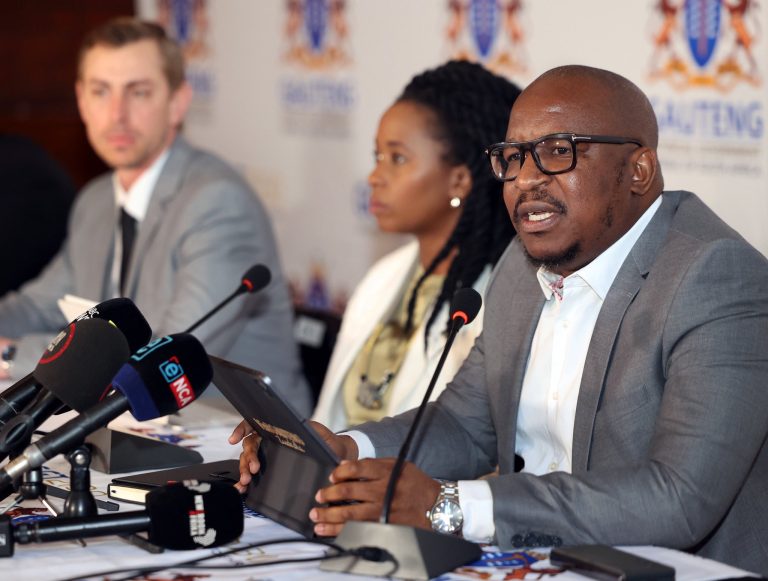
With just days to go before the Gauteng education department opens its 2026 online admissions system, MEC Matome Chiloane has urged parents and guardians to prepare thoroughly and comply with all steps of the process to ensure successful placement of their children in Grade 1 and Grade 8 at public schools.

Briefing the media, Chiloane confirmed that the application window opens on Thursday at 8am and closes on 29 August at midnight, with no late applications to be accepted.

“This process is strictly for Grade 1 and Grade 8 admissions. There is no automatic placement for children currently in Grade R or Grade 7, you must apply online during the window,” Chiloane said.

Applications must be submitted through the department’s admissions portal which will be inactive until the official opening time and will close automatically at the end of the application period.

All parents, regardless of past applications, must create new login credentials for 2026.

The application process consists of five steps: namely to register parent or guardian details; home address; learner details; apply to five schools; and submit supporting documents within seven working days.

“Selecting only one or two schools is risky, choosing five improves the likelihood of your child being placed at one of your preferred options,” Chiloane advised.

The supporting documents to be submitted include a certified copy of parent/guardian ID or passport; child’s birth certificate or passport; legal permits if applicable (asylum, refugee, residence, work, or study); proof of home and/or work address; Grade 7 report card (for Grade 8 applicants); and clinic card or immunisation record (for Grade 1 applicants).

Parents may upload these documents online or submit them physically to each selected school.

However, only one submission method is allowed per application.

“If you choose five schools and submit physically, you must submit your documents at all five schools,” said Chiloane.

The MEC emphasised that accurate personal information and a reliable cellphone number were vital for communication throughout the application process.

Inaccurate details or mismatched documents will result in the application being marked as incomplete, and such applications will not be considered for placement.

Chiloane confirmed that the system used verified home addresses to assign feeder zone schools.

Thus, proof of residence is the most important document in the application.

For homeowners, a certified municipal bill (not older than three months) in the parent’s name with the full physical address is required.

For tenants, a copy of the landlord’s municipal bill, a signed lease agreement, a recent rental payment slip and a utility or bank statement in the applicant’s name reflecting the same address must be submitted.

For those living in family homes, a municipal bill in the homeowner’s name and the parent’s ID are required, along with an account in the parent’s name showing the same address.

Affidavits and “offers to purchase” will not be accepted.

To curb fraudulent address use, schools are authorised to verify physical addresses, with full support from the department.

Parents applying for Grade 1 must indicate their preferred language of learning and teaching from South Africa’s 11 official languages. The system will match this with schools offering that language.

For Grade 8, the learner’s Grade 7 home language, as reflected on their report card, will be used to identify suitable schools.

Placement will be determined considering the home address within the feeder zone; sibling at the school or feeder school linkage; work address within the feeder zone; home address within a 30km radius and home address beyond 30km.

Chiloane reiterated that completing the application did not guarantee placement at the first-choice school, but successful applicants would be placed at one of their selected schools based on these criteria.

To assist families without internet access or digital literacy, the department has established 81 walk-In centres, 15 district offices and support desks at all public schools across Gauteng. These will be open throughout the application period.

The Democratic Alliance Gauteng education spokesperson Sergio Isa Dos Santos, criticised the department’s silence on the details of the walk-in centres, saying it was creating “unnecessary anxiety” for parents.

“This lack of transparency is unacceptable. The department must urgently publish the full list of walk-in centres and their operating hours before the system opens,” Dos Santos said on Monday.

The DA has submitted official questions requesting centre locations, citing the chaos of last year’s admissions when over 6,000 learners were placed late due to system failures.

Responding to media queries, department spokesperson Steve Mabona confirmed to Inside Education that the list would be uploaded, but did not give a specific date.

In the meantime, Chiloane has encouraged parents to prepare all documentation now, ensure all information is correct, and avoid using fraudulent addresses, which disadvantage legitimate applicants.

He also issued a stern warning against scammers claiming to offer guaranteed placements for a fee.

INSIDE EDUCATION

New science training centre to bridge skills gap

By Lungile Ntimba

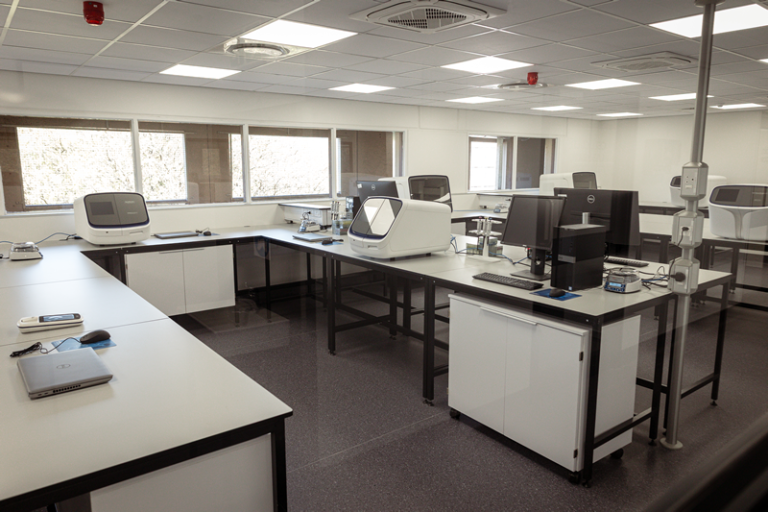
A groundbreaking Centre for Advanced Training and Innovative Research (CATIR), which is aimed at strengthening South Africa’s scientific capacity and equipping young researchers with advanced skills, was launched in Pretoria.

The new facility will function as a specialised training hub, offering practical, hands-on experience in advanced molecular techniques and laboratory management, bridging the gap between academic theory and real-world scientific application.

Once fully operational, CATIR will have the capacity to train up to 160 students annually, with courses lasting five weeks. The first cohort of 20 students is expected to complete training before the end of the year.

The centre was established through a collaborative partnership involving the Science, Technology and Innovation Department, the SA Medical Research Council and Thermo Fisher Scientific, a United States-based company specialising in clinical and life sciences research. 

Speaking at the launch, Science, Technology and Innovation Deputy Minister Nomalungelo Gina said the centre was an important milestone in the country’s journey towards a knowledge-based economy.

“By investing in this centre, we are investing in the future of South African science, empowering our researchers, nurturing young talent and fostering an environment where innovation can thrive,” said Gina.

“This launch is especially significant as it aligns with our Decadal Plan 2022–2032, which aims to build a transformed, inclusive and coherent National System of Innovation that responds to the needs of society and the economy.”

Gina said SAMRC was a trusted project management partner, citing its proven track record in implementing capacity-building programmes that have benefited young scientists from historically under-resourced universities, including Zululand, Limpopo, Venda and Walter Sisulu.

SAMRC president and CEO Ntobeko Ntusi underscored the importance of investing in infrastructure and expertise that would assist in addressing local gaps in critical scientific fields.

“The Covid-19 pandemic taught us that we needed to do more to build skills in clinical and molecular testing to improve the resilience of our health system against the diseases of today and tomorrow. 

“The opening of this important new educational facility is a landmark moment in our journey to achieving this important goal,” said Ntusi.

The president of Europe, the Middle East, and Africa at Thermo Fisher Scientific, Urmi Prasad Richardson, highlighted the significance of public-private collaboration in strengthening health systems.

“The opening of the CATIR demonstrates the importance of public-private partnerships in helping to build a more resilient health system in South Africa and underpins our mission to enable our customers to make the world healthier, cleaner, and safer,” she said.

“Alongside the SAMRC, we are proud to be investing our time, resources and knowledge into this important new facility, to meet our shared goal of building locally relevant capabilities and expertise amongst the next generation of South Africa’s scientists.”

INSIDE EDUCATION

Nkabane urges stronger commitment to skills revolution

0

By Levy Masiteng

Higher Education and Training Minister Nobuhle Nkabane has reiterated her appeal for a collective commitment in activating the skills revolution.

“We need a collective commitment from government, industry, business, civil society and the young people of this country to ignite a skills revolution,” Nkabane said. 

“Infrastructure alone cannot solve all these challenges.”

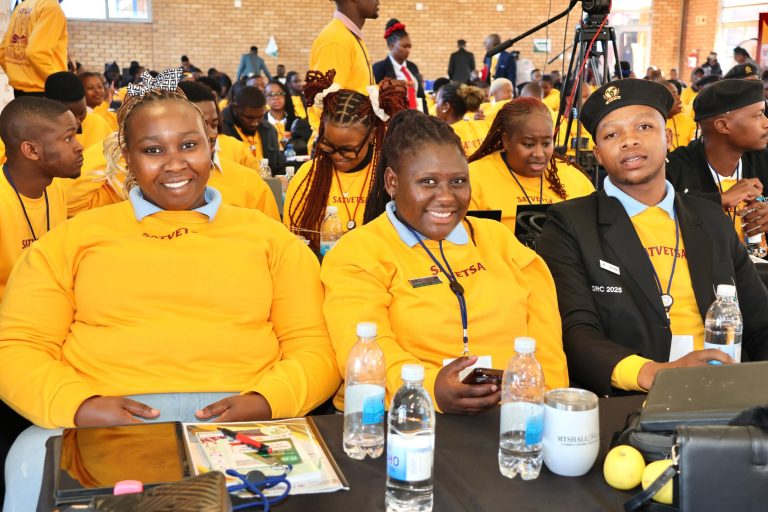
She was addressing the annual national student leadership induction programme for Student Representative Councils and the South African Technical and Vocational Education and Training Student Association (SATVETSA) at Buffalo City TVET College.

She praised SATVETSA’s robust and mature leadership, assuring them of full support from the department and the ministry. 

Nkabane also commended SATVETSA’s non-negotiable position on 50/50 gender parity and its efforts to tackle gender-based violence on college campuses.

“Our institutions should work together with student leaders in developing and implementing new policies and procedures that are aimed to better address sexual misconduct, intimidation, violence and promote programmes that will reduce gender-based violence in our campuses,” she said. 

The event was aimed at providing student leaders with a platform to share their lived experiences and improve teaching and learning programmes. 

The minister highlighted the importance of collective commitment to addressing challenges in the TVET sector and empowering student leaders to drive positive change.

INSIDE EDUCATION

Education Dept celebrates Madiba with new classrooms and ECD drive

By Johnathan Paoli

Basic Education Minister Siviwe Gwarube marked Nelson Mandela International Day with a dual event in Mpumalanga focusing on school infrastructure improvement and early childhood development (ECD) registration.

In a return to Boschrand Primary School in White River following a visit earlier this year, Gwarube presided over the official handover of a brand-new classroom block, built through the Classrooms4Hope initiative in partnership with Mozambique‘s Pipeline Investments Company, Ride4Hope and the Nelson Mandela Foundation.

“When I first visited Boschrand in January, up to four learners were sharing a desk. Today, because of collaboration between government and our corporate partners, we hand over fully furnished classrooms that ensure a dignified and effective learning environment for all 1400 learners,” Gwarube said.

The event highlighted the crucial role of public-private partnerships in addressing infrastructure backlogs in underserved schools.

The new classrooms included attached storage facilities and furniture, directly addressing the overcrowding that had particularly impacted Grade R learners.

The project forms part of broader efforts to tackle infrastructure deficits in rural and township schools across South Africa.

Quoting Nelson Mandela, Gwarube said: “There can be no keener revelation of a society’s soul than the way in which it treats its children.”

She emphasised that despite budgetary constraints in the basic education sector, “our commitment to providing every South African child with access to quality education remains steadfast”.

Learners, parents, teachers and local officials gathered to celebrate as the keys to the new classrooms were officially handed over.

The moment marked the culmination of months of coordinated effort and a shared belief in education as a vehicle for social upliftment.

Gwarube underlined the transformative potential of tripartite partnerships.

“When government, civil society and the private sector work together with shared purpose, we can restore dignity, hope and opportunity through education,” she said.

Following the handover, Gwarube travelled to Early Bird Daycare in KwaMsholozi, where she hosted a lively and informative Bana Pele ECD Registration Clinic in collaboration with Takalani Sesame.

Children, educators and parents were treated to appearances by the programme’s iconic muppet characters and an interactive play zone.

The event aimed to promote awareness about the importance of ECD while driving formal registration of ECD centres nationwide.

“We want every child in South Africa to have a strong start, emotionally, cognitively and socially. And that begins with recognising and supporting the critical role of ECD practitioners,” Gwarube said.

The department’s goal is to register 10,000 ECD centres by the end of 2025.

The registration initiative serves four key functions including formal inclusion of ECD programmes in the national regulatory system, support for compliance with legal and safety standards, access to state subsidies, especially for centres serving low-income families, and efficient processing of registration applications to reduce administrative delays.

The clinic also offered parents and caregivers an opportunity to speak directly with officials about the benefits of formalising their centres and the support available from the department.

Gwarube praised ECD workers for their often unrecognised efforts and committed to ensuring that the department prioritised funding, training and resources for early learning facilities in under-resourced communities.

Meanwhile, Basic Education Deputy Minister Reginah Mhaule led the department’s Mandela Day outreach in Thembisa, Gauteng, visiting two local ECD centres, Silindokuhle Day and After Care Centre and My Angels Day and After Care Centre, alongside deputy director-general Simone Geyer and ward councillor Nomvula Malinga.

The centres received donations of educational toys and books aimed at enhancing cognitive development and sparking curiosity in young learners.

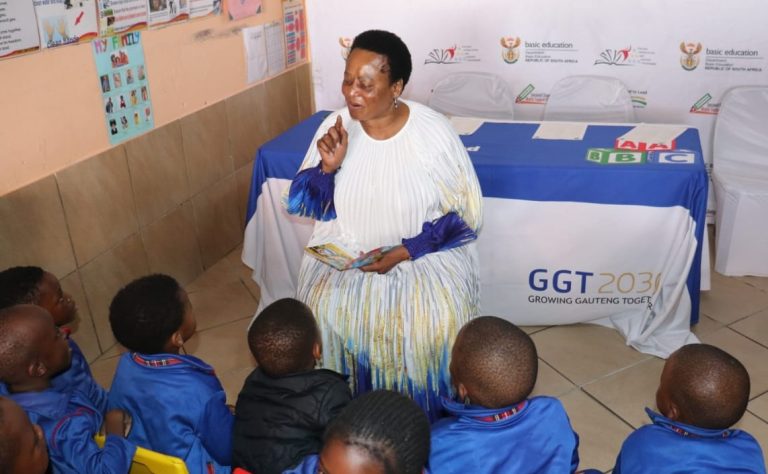
Mhaule began the day by reading books aloud to the children and encouraged staff to incorporate storytelling into their daily routines.

“Reading and listening to stories nurtures imagination, builds language skills, and lays the foundation for a lifelong love of learning. These early interactions with books are not optional, they are essential,” Mhaule said.

Mhaule reaffirmed the department’s broader objective of empowering ECD centres with resources, training and institutional support, stating that every child “deserves a joyful, safe and stimulating start to life”.

Across both provinces, the department hailed its Mandela Day activities as showcasing a coherent and impactful vision of building bridges between sectors, strengthening educational foundations, and honouring the legacy of Madiba through service to South Africa’s most vulnerable citizens, its children.

INSIDE EDUCATION

Nkabane leads a peaceful march in Bhisho against GBVF

By Levy Masiteng

In a display of solidarity, Higher Education and Training Nobuhle Nkabane has led a peaceful protest march in Bhisho, Eastern Cape, alongside over 400 Technical and Vocational Education and Training (TVET) student leaders. 

The march was aimed at raising awareness about gender-based violence and femicide and the department’s commitment to fighting this pandemic.

“Safety is a prerequisite to learning, and we will not rest until all students can pursue their education without fear, harm or discrimination,” she declared during the march. 

“We believe that every student deserves a safe and supportive learning environment and we will work tirelessly to ensure that our institutions of higher learning are free from GBVF.”

The march was organised by the South African Technical and Vocational Education and Training Students Association (SATVETSA) and featured various civil society partners, including Higher Health, which is the department’s implementing agency for health and wellness. 

During the march, Higher Health deployed its mobile clinic, nurses and trained mental health professionals to provide services such as psychosocial support, counselling and referral assistance.

“We are committed to creating a culture of accountability, empathy and respect in our institutions of higher learning,” Nkabane said.

“We recognise that GBVF is a deeply rooted pandemic that affects not only individuals but also our entire society, and we will work with all stakeholders to address this challenge.”

She said the department was working at addressing GBVF through various initiatives.

They included the launch of the Post-School Education and Training (PSET) GBV Policy Framework in 2020 and the development of national protocols on topics such as rape response and campus safety. 

Nkabane added that the Higher Health has also been playing a leading role in operationalising systemic responses to GBVF throughout the PSET sector.

“We will continue to work with all stakeholders to create a society that values and respects the rights and dignity of all individuals,” Nkabane said.

INSIDE EDUCATION

Gauteng education budget aims to transform learning, restore dignity in classrooms

By Johnathan Paoli

In a spirited and ambitious budget vote speech, Gauteng education MEC Matome Chiloane presented a record R68 billion allocation for the 2025/26 financial year, asserting the department’s unwavering commitment to education transformation, dignity restoration and long-term socioeconomic development through learning.

Addressing the Gauteng provincial legislature on Thursday, Chiloane framed the budget not merely as a fiscal instrument, but as a “compact with the future”.

“This budget rewrites futures. It restores dignity. It accelerates transformation in every classroom. We are not just teaching subjects; we are developing citizens. Through this budget, we are building the leaders and innovators of tomorrow,” Chiloane said.

The budget represents a 4.9% increase from last year’s R64.8 billion, with 93.9% of the funds sourced from the equitable share and 6.1% from conditional grants, including a R4.1 billion injection.

The MEC highlighted that this investment supported over 2.83 million learners, 104,804 educators and 3317 institutions across the province.

Before unpacking the budget’s four strategic pillars, Chiloane celebrated the department’s two consecutive clean audits, underscoring financial discipline and accountability.

“These are not just accounting milestones. They are the bedrock of public trust,” he said, adding that the department’s spending rate above 99.9% reflected exceptional execution capability.

Chiloane spotlighted the story of Sis Nomsa, a resident of Kokotela in Lawley Extension 2, who transformed her informal creche into a fully registered early childhood development (ECD) centre through departmental support.

This strategy aligns with the newly enacted Basic Education Laws Amendment Act, which makes Grade R compulsory.

Of the R734 million budgeted, R399 million is earmarked for the ECD grant.

The aim is to universalise Grade R access in public schools, expand 0 to 4-year-old ECD programme coverage, train ECD practitioners to NQF Level 6 and support ECD centre registration and compliance.

Chiloane emphasised the long-term economic impact, stating that every rand invested in ECD yielded up to R13 in return.

This allocation supported academic excellence through literacy, maths, science and technical skills development.

Chiloane also spotlighted success stories from Lufhereng Secondary School, which achieved a 100% matric pass rate and 97% bachelor passes, and will now receive a permanent structure.

Raymond Mhlaba Secondary School was lauded for consistent improvement and as well as Musawenkosi Buthelezi from Kwa-Thema, the province’s top learner and a product of targeted township school interventions.

Key programmes include General Education and Training Language and Reading Improvement, Siyavula Maths and Science Practice Programme, which recorded 2.3 million practice exercises, Technical High School Strategy, and Further Education and Training Improvement Plan for Grades 10–12.

With the largest allocation, Chiloane said this strategy aimed to reimagine the educational environment through school modernisation and infrastructure upgrades; school reorganisation to improve performance and resource use; and multi-certification skills programme that equips learners with certificates in artificial intelligence, digital literacy, robotics, first aid and even driver’s licences.

Chiloane noted that Gauteng’s 36 Schools of Specialisation (SOS) were achieving both national and international acclaim.

Among the highlights, the MEC praised Soshanguve SOS’s electric car project winning silver at the African Public Service Day in Ethiopia; Lethabong SOS’s partnership with BMW Roslyn; and Katlehong SOS learners job-shadowing at Hyundai, Kia and Mercedes-Benz.

He also noted that over 60,000 learner devices had been distributed and significant progress made in ICT infrastructure and coding education.

Beyond academics, the MEC said this strategy promoted learner safety, psychosocial support and holistic development.

Key investments included deployment of security guards and community patrollers at 1500 schools and letters of thanks from schools like Qalabotsha and Tshepo ya Rona praising the positive impact of improved safety.

Chiloane also paid tribute to Noko Selepe, the principal of Primrose Primary School, who returned to work after surviving a shooting by a 13-year-old learner.

Selepe received the MEC’s Harry Gwala Excellence Award for resilience and leadership.

Other initiatives include a school nutrition programme serving 1.73 million learners daily, learner transport for 228,592 pupils, integration of sports, arts and culture, and expanded mental health and girl-child support initiatives.

Budget breakdown and outcomes include R52 billion (76.6%), a 7.1% rise for personnel, R2.8 billion for infrastructure and R6.66 billion in transfers and subsidies for public, special, independent and ECD institutions.

Chiloane pointed to key performance results including an 88.41% matric pass rate, with 50.27% bachelor passes; all 15 districts got above 80% for three consecutive years and three districts exceeded the 90% target.

Looking ahead, Chiloane said the department’s budget was on a stable growth trajectory, and it was expected to reach R72.9 billion by 2027/28, a 29.7% increase over six years.

He welcomed the average annual growth rate of 4.0% as supporting sustainable long-term planning and called on the legislature to endorse the budget as a collective investment in Gauteng’s future.

INSIDE EDUCATION

SA strengthens scientific ties with Tunisia and Algeria

By Lungile Ntimba

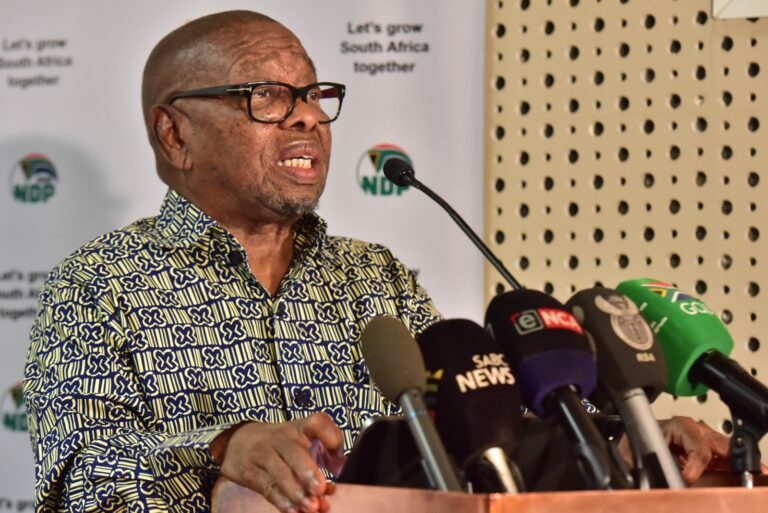
Science, Technology and Innovation Minister Blade Nzimande is leading a high-level South African delegation on a working visit in Tunisia and Algeria this week to strengthen collaboration in science, technology and innovation (STI).

The visit, which ends on Thursday, follows invitations from Tunisian Higher Education and Scientific Research Minister Mondher Belaid and Algerian Higher Education and Scientific Research Minister Kamel Bidari.

“Through these visits, minister Nzimande seeks to reinforce existing science, technology and innovation bilateral cooperation between South Africa and Tunisia and Algeria, as part of a broader commitment to grow the size and intensity of intra-Africa STI cooperation for development,” the department said in a statement. 

The programme includes bilateral meetings with both countries’ ministers, as well as visits to leading science institutions.

In Tunisia, Nzimande is expected to tour the Borj Cedria Technopark, the Pasteur Institute of Tunis, the Bardo National Museum for Arts and the City of Science Museum.

In Algeria, he will visit the Centre for the Development of Advanced Technologies, Saad Dahlab University and the Great Mosque of Algiers.

Nzimande will also attend a guest lecture focusing on Pan-African cooperation.

“Our visit to Algeria and Tunisia forms part of our long-standing international relations strategy to strengthen meaningful science, technology and innovation cooperation with fellow African countries, and to advance the objectives of the African Union’s Science, Technology and Innovation Strategy for Africa (STISA),” Nzimande said.

“All our efforts are therefore aimed towards developing what we refer to as a sovereign science, technology, and innovation agenda for Africa.”

The visit will conclude with the adoption of two new comprehensive plans of action, aimed at intensifying cooperation with Tunisia and Algeria, respectively.

According to the department, these engagements represent a concrete step in advancing South Africa’s science diplomacy goals, as outlined by Nzimande during his recent budget vote speech.

Nzimande is accompanied by senior officials from the ministry, the Council for Scientific and Industrial Research, the Technology Innovation Agency and the Council for Mineral Technology.

INSIDE EDUCATION