Home Blog Page 75

Nkabane reaffirms strategic global partnerships and equity priorities in higher education

By Johnathan Paoli

Higher Education and Training Minister Nobuhle Nkabane has reaffirmed South Africa’s commitment to strategic, mutually beneficial global partnerships in higher education, while placing transformation and national interests at the centre of internationalisation efforts.

Providing an update to the National Council of Provinces’ (NCOP) Select Committee on Education and Creative Industries on Monday on the department’s framework for the internationalisation of higher education, Nkabane said global cooperation has enriched South Africa’s academic system. This was through enhancing capacity, knowledge production and competitiveness on the international stage.

“Collaboration with international institutions enables our system to draw on valuable insights, resources and best practices. It allows us to remain aligned with global standards while strengthening our capacity locally,” Nkabane said.

She said South Africa’s internationalisation strategy was aimed at enriching the higher education system while protecting national interests.

The department’s Policy Framework for the Internationalisation of Higher Education was implemented in January 2021, following years of fragmented international activity by institutions.

It provides a coordinated strategy for global academic partnerships, curriculum collaboration and research exchanges.

Priority is given to partnerships within the Southern African Development Community, then the rest of Africa, followed by BRICS, the Global South, and finally broader global institutions in alignment with the African Union’s Agenda 2063.

Deputy director-general for universities, Marcia Socikwa, elaborated that internationalisation was a “steered process” to integrate global dimensions into teaching, research and community engagement.

Institutions must meet stringent quality assurance requirements for joint degrees and ensure all partnerships are accredited by the Council on Higher Education (CHE).

Socikwa presented employment equity statistics from the Higher Education Management Information System (HEMIS), which show modest but uneven progress.

Black African representation among associate professors increased from 18% in 2019 to 22.97% in 2023. However, white academics still occupy 60% of full professorships, while Black Africans account for just 23.56%.

Gender disparities also persist. While lecturer positions show near parity, men dominate senior academic and managerial roles.

The department’s data shows that even among junior lecturers, previously a space of gender progress, men now outnumber women.

To address these imbalances, the department continues to invest in the University Capacity Development Programme.

Socikwa confirmed the department was reviewing why many African academics exited academia prematurely and committed to closely monitoring their progression.

The deployment of foreign academics in South Africa remains a contentious issue.

According to institutional reports, foreign nationals constitute roughly 12% of academic staff, especially in the hard sciences.

However, HEMIS data shows a lower rate of 4%, revealing inconsistencies in university reporting.

To improve transparency and compliance, the department is working with the departments of Labour, Home Affairs, and International Relations and Cooperation to cross-verify employment data and immigration documentation.

A Service Level Agreement is being developed to formalise inter-departmental collaboration by March 2026.

Higher Education also supports the Employment Services Bill, currently before Parliament, which proposes enforceable caps on foreign hires across all institutions.

Fraudulent qualifications and procurement-linked corruption remain a threat to academic integrity.

The department worked with the Special Investigating Unit (SIU) and SAPS to bring the matter to light.

The department’s deputy director for university research support and policy development, Idah Makukule, reported that the National Qualifications Framework (NQF) Amendment Bill would introduce stronger penalties for academic fraud and improve the oversight of joint degrees.

She said that all international programmes must meet local quality assurance standards through the CHE, SAQA and partner verification.

Makukule also discussed the evolution of “internationalisation at home”, including virtual exchange programmes and curriculum decolonization, as a strategy to equip South African students with global competencies without necessitating physical mobility.

In response to parliamentary queries, the department committed to updating its systems to capture this information and ensure compliance with the national 3% disability employment target.

The department further pledged to enforce stricter reporting compliance among universities, standardise foreign staff data submissions and close loopholes that allow institutions to bypass regulatory scrutiny.

Members of the Select Committee welcomed the department’s transparency, but raised concerns about the slow pace of transformation, inconsistencies in data and the risk of foreign-dominated academia.

MPs called for clear timelines, stronger disciplinary action against non-compliant institutions and more direct support for young South African scholars.

Nkabane reaffirmed the department’s dual commitment to global excellence and local equity.

“Our institutions must reflect the demographics of our country and serve our national development goals. We will not allow internationalisation to undermine transformation,” she said.

The Select Committee pledged continued oversight and expects a follow-up report on policy implementation, staffing audits, and progress on disability inclusion in the months ahead.

INSIDE EDUCATION

Nobu
Gondwe in East London as government cracks the whip on illegal higher education institutions

By Johnathan Paoli

As the 2026 academic year approaches, the Higher Education and Training Department is intensifying its national campaign against bogus colleges.

According to a register of private higher education institutions provided by the department, there are more than 100 bogus colleges across the country. They thrive for a number reasons, including a desperation for affordable education and a lack of awareness amongst students and parents.

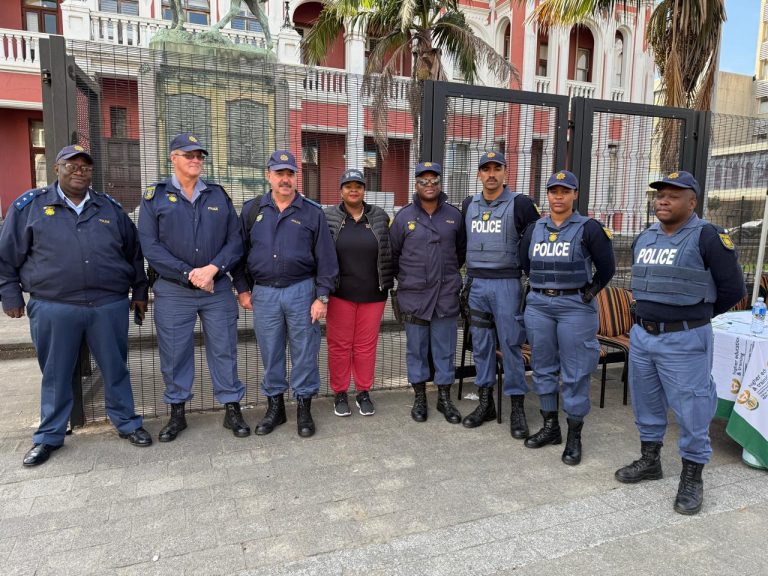
This week, Higher Education and Training Deputy Minister Mimmy Gondwe is in the Buffalo City Metropolitan Municipality in the Eastern Cape where she is leading a multi-stakeholder intervention aimed at rooting out illegal institutions exploiting unsuspecting students.

“These illegal colleges not only rob students and their families of their hard-earned money, but they deny them the opportunity to attain legitimate qualifications. We are acting decisively to end this exploitation,” she said on Monday.

“That is why we have involved law enforcement agencies like SAPS (SA Police Service) and the NPA (National Prosecuting Authority), as well as quality assurance councils such as Umalusi and SAQA.”

Buffalo City, which is home to Walter Sisulu University, various TVET colleges and numerous private institutions concentrated in the East London city centre, has emerged as a hot spot for fraudulent colleges.

It is for this reason that the metro has been identified as the latest focus area of the bogus colleges’ awareness campaign, which was launched by the department earlier this year.

Joined by representatives from the SAPS, the NPA, Umalusi, SAQA, the Department of Home Affairs, and the Department of Employment and Labour, Gondwe and her team visited four private colleges.

At three of these institutions, they uncovered serious concerns related to infrastructure and programme accreditation.

Gondwe announced that the department was in the process of signing a Memorandum of Agreement (MOA) with the SAPS to formalise collaboration in identifying and shutting down bogus institutions. It is expected to be signed by the end of the year.

“The MOA will also support our efforts to address gender-based violence on campuses and improve student safety. We cannot do this alone. We need the full support of government institutions to clean up the higher education space,” she said.

Gondwe said that complaints from students and parents were often the first indication of fraudulent activity.

Once flagged, the department investigates the institutions and hands over a list of suspected illegal operators to SAPS, which then conducts background checks and initiates profiling.

Non-compliant colleges are first issued a formal warning to comply. If they continue to operate unlawfully, legal proceedings are initiated.

“Our partnership with SAPS dates back to April 2025 when I met with the National Commissioner, General Fannie Masemola, to discuss collaboration on this issue. We’re now building on that commitment to act against those who undermine the credibility of our education system,” Gondwe said.

While private institutions were welcomed in South Africa’s higher education sector, they must comply with the Higher Education Act of 1997 and the Continuing Education and Training Colleges Act of 2006, she said.

Also, public and private colleges must be registered with the department and offer qualifications accredited by recognised quality assurance bodies, including Umalusi, the Council on Higher Education (CHE) and the Quality Council for Trades and Occupations (QCTO).

Their programmes must align with the National Qualifications Framework (NQF) of 2008.

“At the start of this year, our public system of 26 universities and 50 TVET colleges could not meet the demand for placements. Private colleges help close that gap, but they must operate legally and uphold standards,” Gondwe said.

According to the department, the institutions inspected included the Academy of Business and Computer Studies, now renamed Academic of Training and Development, which allegedly no longer offered National Certificate Vocational (NCV) qualifications previously approved by the department.

The Cyber College of Business and Technology was allegedly offering matric rewrite programmes without the required accreditation.

The department and its partners have pledged to follow up on non-compliance issues and initiate enforcement actions where necessary.

The bogus colleges awareness campaign was launched in Johannesburg in February and extended to Durban in March.

INSIDE EDUCATION

Provinces shine during winter school sports championship

0

By Johnathan Paoli

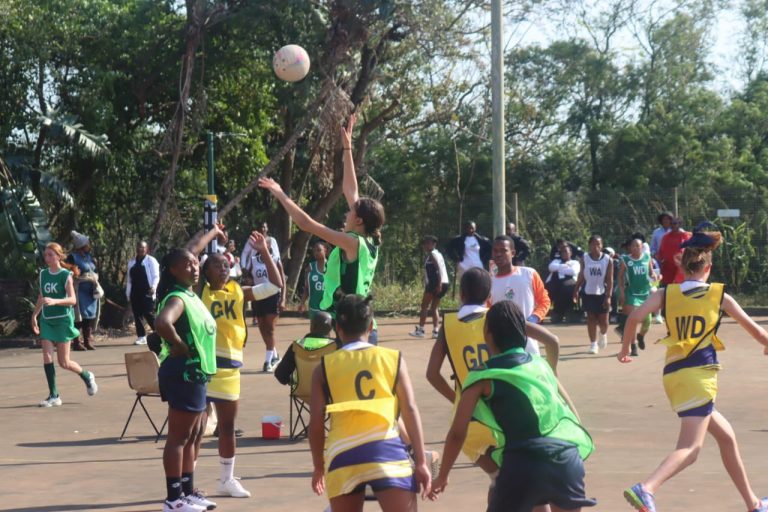
The 2025 National Winter School Sports Championship concluded in celebratory fashion on Monday, with KwaZulu-Natal schools delivering stellar performances across all three sporting codes — rugby, netball and soccer.

The event, hosted by the KwaZulu-Natal education department at the University of KwaZulu-Natal’s Howard College Campus, saw participation from all nine provinces and brought together hundreds of talented young athletes for three days of intense competition, camaraderie and provincial pride.

The final day was especially memorable as KwaZulu-Natal’s netball team for learners with severe intellectual disabilities clinched a resounding victory over the Free State, igniting scenes of joy and celebration on the courts.

KZN education HOD Nkosinathi Ngcobo joined the jubilant players in celebration, praising their grit, spirit and perseverance.

“Today is a day of victory not just for KwaZulu-Natal, but for inclusive education and the power of sport to transform lives. Our learners have shown that with support and belief, anything is possible,” Ngcobo said.

“Our young athletes have represented this province with honour. They have embodied the values of teamwork, respect and excellence that define both sport and education,” Ngcobo said.

In football, KZN school teams delivered a strong showing, advancing to key knockout stages and impressing coaches with their tactical discipline and flair.

Although the ultimate championship glory in football eluded them this year, the province’s sides left a mark with their competitive spirit and determination.

A notable highlight of the championship was its emphasis on inclusive education, with adapted formats of netball, football and rugby for learners with special educational needs being fully integrated into the programme.

As the final whistles blew across the courts and fields on day 3, many participants, coaches and spectators were already looking ahead to the next instalment of the championships.

The event not only unearthed promising sporting talent, but also reinforced the importance of physical education and school sports as a pillar of holistic development.

“We are not only developing future athletes, but well-rounded citizens. Let us continue to invest in our learners’ physical, mental and emotional well-being through sport and structured activity,” Ngcobo said.

INSIDE EDUCATION

Bullying, violence and vandalism in primary school: study explores a growing crisis in South Africa

0

By Julie Shantone Rubbi Nunan

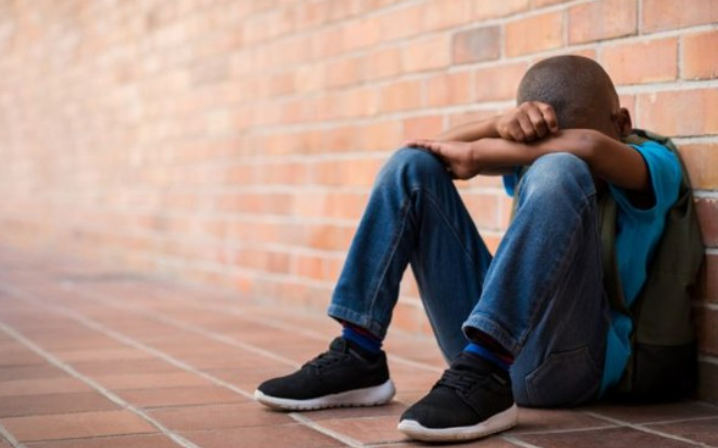
South African primary schools are facing a crisis. Every day, learners fight, bully, destroy property, and intimidate other learners and teachers, turning what should be safe spaces into places of fear and mistrust.

Research shows that learner behaviour frequently involves violence, bullying and vandalism (damage to school property) that threatens the safety of both learners and staff.

The media usually report only serious cases of violence, but schools and teachers face challenging and dangerous behaviour every day that often goes unreported. This underreporting is not unique to South Africa; it’s a challenge seen in other countries too.

Research shows that this kind of behaviour disrupts teaching and learning, leading to poor learner performance and school dropouts.

Teachers frequently face aggression and intimidation from learners, which undermines their ability to teach effectively. They feel unsafe and frustrated when learners act aggressively, and this problem worsens when parents protect their children’s bad behaviour instead of addressing it.

Violence, bullying, and damage to school property don’t just cause harm to learners and teachers. They also cost schools money to repair the damage and cause emotional trauma and suffering for victims and their families.

Given these realities, it is important to carefully explore the lived experiences of teachers, school leaders and caretakers to fully understand the severity and complexity of challenging learner behaviour. This understanding is essential for developing effective policies and interventions aimed at restoring safety and improving learning environments in South African primary schools.

As part of a wider study of challenging learner behaviour, I interviewed 21 participants from three primary schools in Durban, South Africa. It was a qualitative case study, in which the small sample size was well-suited and provided relevant and credible information on challenging learner behaviour. Thematic analysis was appropriate for identifying patterns and themes for further exploration.

The aim was to probe the participants’ perspectives to understand how learners’ challenging behaviour is experienced in primary schools. I wanted to know more about how behaviour stemming from children’s homes and environments, playing out at school, was affecting teachers and the overall school climate.

The interviews indicated that teachers were unhappy and wanting to quit the profession, learner victims faced constant fear and distress, and caretakers felt degraded. If this is a sign of how teachers, children and caretakers are feeling around South Africa, it points to the need for ways to reduce their stress.

Voices from schools

The schools in my study are located in semi-urban areas within the same district and serve learners from grade R (about age 5) to grade 7 (about age 12). The surrounding communities face high levels of unemployment, domestic violence, and various social challenges.

Fifteen teachers, three governors, and three caretakers shared their experiences through interviews, enabling open discussion and deeper insights. Consistency across school sites supported the trustworthiness of the findings. Ethical guidelines were followed throughout.

Across the three schools, participants described an environment where serious learner misconduct was a common, everyday problem.

Teachers, governors, and caretakers reported daily disruptions that affected teaching, learning and emotional wellbeing. Aggression and violence were constant. Learners engaged in physical fights – punching, kicking, and using sharp objects like pencils and knives. These were not minor scuffles but incidents that caused serious injuries. Teachers were also threatened, shouted at, and occasionally physically harmed.

Bullying was widespread, both verbal and physical. Learners harassed peers through name-calling, exclusion, extortion and intimidation, often in unsupervised spaces like toilets and tuckshops. Victims lived in fear, while teachers struggled to maintain discipline and protect vulnerable learners.

Vandalism and property damage were routine. Learners tore up textbooks, damaged desks and windows, defaced walls with vulgar graffiti, and clogged toilets with rubbish. Caretakers faced degrading tasks like cleaning and scrubbing faeces and graffiti off the walls. The costs of repairing damage strained already limited school budgets.

Adding to the tension, gang-like behaviour emerged. Small groups banded together to provoke fights, intimidate others, and sometimes fuel unrest rooted in xenophobia or local politics, creating fear, uncertainty and division among learners.

Some incidents had gendered and criminal implications, including the reporting of boys violating the privacy and rights of other boys in the school toilets, and girls being inappropriately touched and harassed. This contributed to emotional trauma and, in some cases, learner dropout – especially among girls. The United Nations Children’s Fund posits that school violence contributes to girls dropping out of school. The dropout rate is a concern in South Africa.

Stealing and lying were common. Learners stole from classmates, teachers, and school offices, often without remorse, and frequently lied or blamed others when confronted, further eroding trust and accountability.

Many participants believed learners expressed unspoken pain or mirrored violence and instability seen at home and in their communities. According to social cognitive theory, such behaviours are learned. Children exposed to violence, neglect, or chaos often replicate these actions in school. Without consistent guidance, role models, or consequences, the cycle intensifies.

Moving forward

In short, these schools are no longer safe havens for learning – they are in crisis. Without urgent and effective intervention, the very mission of basic education – and the wellbeing of children – is at risk.

Primary schools depend on governing authorities and communities for their safety and success. Stakeholders must take collective action to reclaim schools as safe learning spaces.

Governing authorities should address the issues raised by reviewing policies and implementing support programmes, including counselling, family-school partnerships, and teacher training to handle challenging behaviour in positive and sustainable ways.

Julie Shantone Rubbi Nunan is a Senior Lecturer in the Department of Early Childhood Education and Development, University of South Africa.

INSIDE EDUCATION

SA graduates off to China for EV training

By Thebe Mabanga

The Transport Education and Training Authority (TETA) will be taking 100 electrical engineering graduates from Technical and Vocational Education and Training (TVET) colleges and universities of technology to China for training on maintenance and repairs of Electric Vehicles (EVs).

This was revealed by TETA CEO Maphefo Anno-Frempong in an exclusive interview with Inside Education.

“We are looking to create a strong pipeline of EV technicians,” she said on the 12-month programme that will see graduates trained in the maintenance and repairs of hybrid and electric engines for electric vehicles and bikes.

Anno-Frempong said this was motivated by the growing presence of Chinese car manufacturers in South Africa, and while the EV market in South Africa was relatively small, the graduates would be trained in these models of vehicles.

This was also part of TETA’s strategic goals to contribute to South Africa’s energy transition.

Anno-Frempong recently visited China and spent time in the six regions, institutions and manufacturers that would be hosting the students. Six of them are from universities of technology and 94 from TVET colleges.

They include the Zhejiang Institute of Mechanical and Electrical Engineering, the Tisen Heavy Industry company in Hangzhou, the Dezhou Vocational and Technical College, the Shandong Sifang Technician College and the Yunnei Group.

Anno-Frempong said while there, she noted how the automotive industry in China backed TVET colleges through donations of buildings, equipment and expertise for learners to benefit from specialised training. South African learners would now benefit from this exposure.

The programme mostly focuses on in-service training. It is funded by TETA together with Chinese hosting institutions.

She said programme would last for five years and in that period, they aimed to develop qualifications that could be offered by local TVET colleges and recognised by the industry.

Anno-Frempong said TETA’s other contribution to the energy transition was to help investigate opportunities offered by green hydrogen, which was viewed as a clean source of energy.

“Our interest in green hydrogen is its storage and transportation, which will be specialised as it is a hazardous substance.”

Last year, TETA alongside the chemical industries Seta, CHIETA, as well as the Mining Qualification Authority established the Green Hydrogen Centre of Specialisation at the Centre for Scientific and Industrial Research in Pretoria.

Video by: Katlego Tshekoesele

INSIDE EDUCATION

UCT pioneers sign language accessibility in higher education

By Levy Masiteng

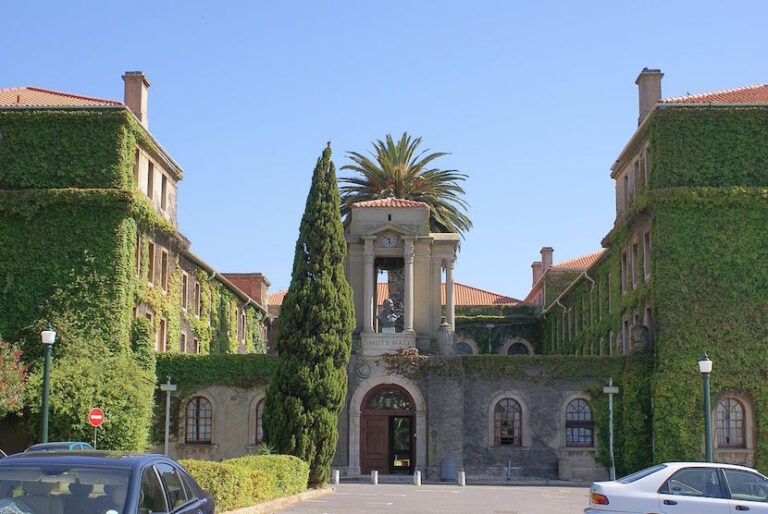
The University of Cape Town (UCT) recently launched a pilot project to make its National Benchmark Test (NBT) website accessible in South African Sign Language (SASL), marking a historic first for the country’s higher education sector. 

According to the university, this is a significant step towards inclusion and accessibility which aligns with its Vision 2030 commitment to transformation.

The university is already collaborating with the Cape Town Deaf Community on SASL training for frontline staff in various departments, including libraries, residences, traffic services and visitor centres. 

The initiative is being led by UCT’s SASL interpreter, Michelle de Bruyn.

“I recognised that while there was plenty of written information on the NBT website, there was almost nothing accessible to deaf users who use SASL – a language that, importantly, has no written form,” she said.

Through collaboration with various UCT departments, including the Centre for Innovation in Learning and Teaching’s One Button Studio team, De Bruyn and her team produced SASL videos for the website. 

“We first identified standard introductory information that wouldn’t change for at least three to five years. Then I began interpreting those pages, recorded the content, checked it for accuracy, and worked with One Button Studio to film and produce the final product. All without any cost to the university, thanks to their willingness to support this pilot,” De Bruyn said. 

This is the first time that a tertiary institution in South Africa has made a website fully accessible in SASL.

In partnership with UCT Libraries, De Bruyn and the Disability Service have also created SASL-interpreted informational videos about the NBT available in SASL, English, isiXhosa and Afrikaans.

INSIDE EDUCATION

Our oceans are in trouble: how to move beyond the outrage and start taking real action

By Judy Mann-Lang

Our oceans are in trouble. Catches from many of the world’s fisheries are declining, with some fishing practices destroying enormous areas of the seabed. Habitat loss through coastal development threatens many coastal ecosystems including estuaries and mangroves, which are vital nurseries for many fish species.

Pollution is another threat, killing animals and damaging habitats. Climate change is also affecting the ocean. Excess carbon dioxide absorbed by the ocean is making them more acidic, harming marine animals and plants. The ocean is getting warmer, coral reefs are dying and sea levels are rising.

The ocean is also enjoying the most attention it has ever received. The United Nations declared this the decade of the ocean, a time to produce all the research and policy needed to inform actions and generate funding for global projects to protect and restore the oceans. Sir David Attenborough produced a new documentary called Ocean, and World Ocean Day is celebrated every year.

But how does this translate into action? There is a clear disconnect between what leaders say in public forums such as United Nations conferences and what happens on the water in practice. While awareness has been raised, not enough has been done to create ways for people to take action.

I’ve researched the ocean for 30 years, investigating how to change people’s behaviour towards nature and how they learn about the ocean.

I have identified key research-based interventions that would help mobilise interest and action around saving the world’s seas.

Humans are the cause of the oceans’ problems – but humans are also the only solution. These key areas would help close the gap between understanding the problem and taking action to solve it:

  • arming people with knowledge about the ocean
  • community engagement with people most affected by the degradation of the ocean: people living along the coast and in small island countries and Indigenous ocean communities who rely on the oceans for their livelihoods and culture
  • inspiring people to care for the ocean. Many people are unaware of the role of the ocean in their daily lives. From the air we breathe to the food we eat and the relatively stable climate we have enjoyed, human survival depends on a healthy ocean. Helping people to experience the ocean – in person along the coast, under the waves, in an aquarium or by watching documentary films – can ignite a spark of wonder and care for the ocean.

For most of history, the ocean was regarded as a common resource from which everyone could benefit. Now it needs to be looked at as a common responsibility. We all need to care for it for our very survival.

What needs to be done

Knowledge: Opportunities for everyone to learn about the ocean across formal and informal channels.

Formal education in schools and informal communication efforts must include direct linkages between inland and the ocean. South Africa is one of the few countries in Africa to have a marine science curriculum for senior school learners to study the ocean. But this is not offered in most schools.

Building an ocean literacy network made up of communication experts, educators, the media, aquariums and museums, scientists, science communicators, Indigenous leaders, communities, conservation agencies, non-profit organisations, artists and others would help generate interest and build groups of people who can come up with the best ways to talk about saving the oceans.

Expertise: Enhancing ocean protection requires expertise from multiple disciplines. These include the natural sciences, marine social sciences, behavioural science, education, science communication, social-based marketing and Indigenous knowledge systems.

Working together across different disciplines to develop effective strategies, researchers and communicators can work to ensure that the multiple values and services of the ocean for human well-being are widely understood.

Sharing research with people through effective science communication is a vital step that is often missed. Encouragingly, more and more young scientists are eager to share their work widely.

Deep community engagement: Recognising traditional and Indigenous knowledge, respecting local leadership and hearing community voices are all critical. For example, in the Western Indian Ocean, community led projects support thousands of communities and protect large areas of the coast. They work closely with fishers, empowering them to manage their own ocean resources.

Individual choices matter: It is easy to blame politicians and huge corporations for many of the crises we face, and they both have a massive role to play. However, individuals also have the power to support campaigns that lobby for more marine protected areas. Reducing consumption of unsustainable seafood, single use plastics, electricity and fuel also protects the oceans.

Innovative social research can reveal answers to questions about what people value and need, and find ways to increase motivation, capability, and opportunity for people to behave in ways that ensure a healthy ocean.

Government action: The governments of island nations are at the forefront of the ocean crisis. They are experiencing problems caused by rising sea levels and a warming ocean and are taking action to protect oceans.

Collaboration between government authorities responsible for ocean protection in the rest of the world and non-profit organisations, scientists and community members needs to be strengthened. This will ensure better cooperation and coordinated decision-making and management.

For example, community supported marine protected areas benefit local people and marine life. These benefits range from improved catches from the spillover of fish into adjacent exploited areas to employment opportunities.

Judy Mann-Lang is a Conservation Strategist at the Oceanographic Research Institute (South African Association for Marine Biological Research).

INSIDE EDUCATION

Gwarube appeals to MPs to put children first

By Johnathan Paoli

Basic Education Minister Siviwe Gwarube has reiterated her department’s commitment to early child development (ECD), literacy improvement, infrastructure development and inclusive learning to help address the country’s education crisis.

Gwarube tabled a R35 billion budget under the theme “Builders vs Breakers: Shaping South Africa’s Future Through Education”. It was met with strong support and fierce opposition across party lines.

“This budget is for the builders — those who understand that lasting change is not forged in the headlines, but in classrooms and communities where our children learn, dream and grow. Therefore, I say this to the breakers: our children deserve better. If you cannot build, at least do not stand in the way of those who do,” Gwarube said.

The minister outlined five key priorities: expanding access to quality ECD, strengthening foundational literacy, promoting inclusive education, advancing teacher development, and improving school infrastructure and safety.

“Support this budget not out of party loyalty, but in the service of the children whose futures depend on it,” she urged MPs.

Gwarube warned that 8 out of 10 children still could not read for meaning by Grade 4, declaring foundational learning the centrepiece of the department’s strategy.

The ECD Conditional Grant rises to R1.7 billion, with R230 million allocated to nutrition and R162 million to infrastructure.

Over 10,000 centres are set for registration this year, with plans to develop a new national catalogue of learning materials by 2027.

The Funza Lushaka Bursary Scheme will fund over 9000 student teachers, and R1.8 billion will be spent on training, mentoring and leadership development.

African National Congress MP Joy Maimela welcomed the budget, citing the Freedom Charter’s call to open “the doors of learning and culture”.

She praised the transfer of ECD to the department and affirmed support for the Basic Education Laws Amendment (BELA) Act, particularly its focus on multilingualism and inclusive admissions.

“This budget secures our children’s future,” she said.

Democratic Alliance MP Delmaine Christians described the budget as a shift “from slogans to service”.

Christians credited the minister with eradicating 97% of pit latrines and reviving the National School Nutrition Programme (NSNP) after a botched R9.8 billion tender.

She welcomed oversight mechanisms and financial recovery plans.

“We must protect this budget from the ghosts of corruption.”

The Patriotic Alliance’s Jasmine Petersen urged for the retention of 2400 Western Cape contract teachers.

“These aren’t just numbers, they are mentors and anchors in communities,” she said, calling for infrastructure grants that were not spent to be redirected to staff retention.

Economic Freedom Fighters MP Mandla Shikwambana rejected the budget as “austerity dressed in progress”.

He lambasted the department’s celebration of matric results while half a million learners drop out annually.

“This budget entrenches inequality,” he said, citing schools in Limpopo that still lacked flushing toilets after 50 years.

uMkhonto weSizwe Party’s Pinky Mngadi called the budget a “betrayal”, revealing that over 440 Limpopo schools remained closed and R620 million in infrastructure funds went unspent.

She dismissed the talk of digital transformation as “elitist”, warning that learners were still sitting under trees.

ActionSA’s Lerato Ngobeni issued a conditional endorsement, citing her nephew’s struggles in an Alexandra school as evidence of a broken system.

“Per-learner spending has dropped. Classrooms leak. Pit latrines persist. This is not a blank cheque,” she said.

Inkatha Freedom Party MP Siphosethu Ngcobo praised the expanded ECD targets, but warned that urban-rural divides remained stark.

He raised concerns over governance failures in KwaZulu-Natal and urged improved support for teachers.

Build One South Africa leader Mmusi Maimane called for the scrapping of the 30% pass threshold, particularly in STEM subjects.

“We are preparing youth for unemployability,” he warned.

Maimane welcomed ECD investment, but said funding still lagged behind policy ambitions.

The African Transformation Movement’s Vuyolwethu Zungula condemned the budget for ignoring African spiritual practices and history.

He called for curriculum transformation, municipal cooperatives to supply uniforms and improved scholar transport.

African Christian Democratic Party MP Wayne Thring criticised shrinking per-learner budgets and overcrowded classrooms.

He opposed BELA for criminalising poor parents over absenteeism, and emphasised parental rights, entrepreneurship and faith-based schooling.

Rise Mzansi’s Makashule Gana focused on school safety, raising alarm about sexual violence and gambling among learners.

He praised a new agreement between the police and the Basic Education Department, but warned “plans without action mean nothing”.

Gana also urged the department to take the implementation of BELA seriously.

In her reply, Gwarube defended the Act’s protections for religious freedom and urged schools to update discriminatory conduct codes.

She promised transparency, welcomed oversight, and pledged to answer “difficult questions” in Parliament.

“We must rise above political noise; 13.5 million children depend on the choices we make in this House,” she concluded.

INSIDE EDUCATION

Gauteng education department dealing with utility debt crisis

By Johnathan Paoli

Funds have been allocated to all schools across Gauteng for the payment of their municipal utility bills, following months of crisis that left hundreds of schools in darkness and without water.

Gauteng education MEC Matome Chiloane said the money was transferred at the end of last month to schools identified as owing municipalities for services such as electricity and water.

“No public school in Gauteng is currently, or will ever be, disconnected from water and electricity services now and in the near future. Schools must work hand in hand with the department to continue achieving this by ensuring their municipal accounts are up to date at all times,” Chiloane said.

Schools and their School Governing Bodies (SGBs) are now responsible for ensuring that these accounts are settled promptly to avoid further disruptions.

The announcement comes amid growing pressure on the department following revelations that over 500 schools had experienced disconnections in 2025 due to unpaid municipal bills totalling more than R58 million.

The crisis came to light when schools in Tshwane, including areas like Hammanskraal, Winterveldt, Ga-Rankuwa, Laudium, Temba and Mabopane were left without power and water.

Many are no-fee schools serving disadvantaged communities, raising questions about the provincial government’s policy to shift financial responsibility to schools already struggling with resource constraints.

According to official responses tabled in the provincial legislature, a staggering 536 schools experienced utility disconnections this year alone.

A total of 293 schools were without services for 30 days or more; 250 schools had disconnections lasting between seven and 18 days, and 16 schools had all municipal services cut simultaneously.

The lack of power and water severely disrupted teaching and learning.

Democratic Alliance education spokesperson Sergio dos Santos said that in some cases, schools were forced to close or send learners home due to unsafe and unhygienic conditions.

“This made it impossible to provide lighting in classrooms, power educational technology and maintain hygiene and safety standards. The utility crisis has serious implications for learners’ dignity, health, and access to quality education,” Dos Santos said.

The department reiterated that under Section 21 of the South African Schools Act, schools with financial management capacity received their operational funding directly and were responsible for settling their own bills.

Over the past five years, 2034 schools in Gauteng have been granted such autonomy.

The department noted that it provided oversight and financial training to schools and SGBs and had previously settled some of the debts directly, including in April, when several schools in Ekurhuleni had their electricity restored following departmental intervention.

Despite this, the DA and school communities have raised concerns over whether many schools, especially no-fee institutions, are adequately equipped to handle these responsibilities, especially without regular support from the department.

The DA has been vocal in its criticism, accusing the department of evading responsibility and jeopardising learners’ constitutional right to basic education.

The party is demanding that the department reverse its decision to shift utility payment responsibilities to no-fee schools and establish an intergovernmental task team to monitor billing and prevent future disconnections.

“The department’s evasive approach and failure to answer key questions in the legislature is unacceptable. The situation demands urgent intervention and transparency,” Dos Santos said.

Among the hardest-hit schools are Fleurhof Primary, which reportedly owes R3.8 million, Fusion Secondary in Lotus Gardens, which owes R1.9 million, and Soshanguve South Primary, with a bill of R1.6 million.

These are all Section 21 schools, meaning they manage their own budgets and are legally required to settle their municipal accounts.

While the department has stated that all schools have received the necessary funds, concerns remain over whether these schools can recover quickly enough to restore a stable learning environment.

The department anticipates that all schools will be up to date with payments by the end of the month, but evidence of full compliance is yet to be made public.

It confirmed ongoing engagements with municipalities to prevent future disconnections and ensure smoother cooperation moving forward.

“We call on parents, communities and stakeholders to support schools and their SGBs in executing their duties not just responsibly, but to the benefit of all learners, educators and staff,” Chiloane said.

INSIDE EDUCATION

Maths drives innovation: Nkabane

By Thapelo Molefe

Mathematics is not just a school subject. It is an engine that drives innovation, problem solving and national development, according to Higher Education and Training Minister Nobuhle Nkabane.

Speaking at the Mathematics Education Conference this week at the University of the Western Cape, the minister described maths as the invisible engine powering visible progress.

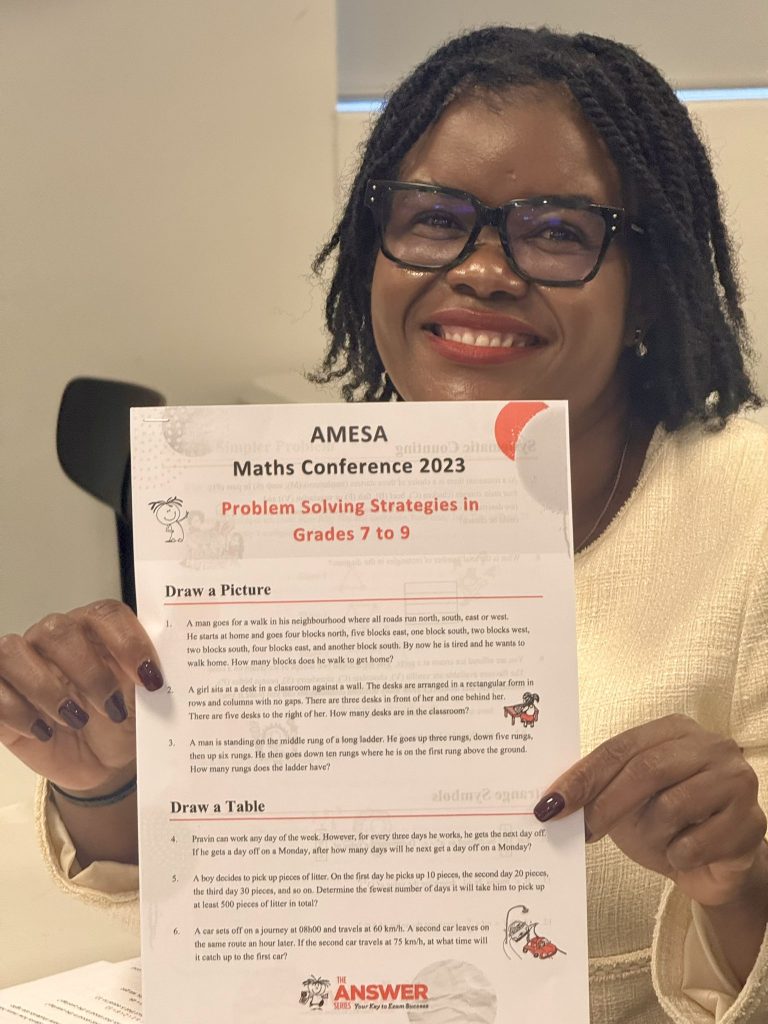
The five-day conference, known as the Mega Maths Festival, is the first of its kind international gathering co-hosted by the Department of Higher Education and Training, UWC and the African Institute for Mathematical Sciences (AIMS) South Africa. 

Over 500 participants, from global experts and researchers to teachers, students and industry leaders, have come together to tackle the deep challenges facing mathematics education in the country.

Nkabane praised the collaborative spirit of the festival, especially its focus on improving teacher training and foundational learning for rural and township schools. 

“I am encouraged that rural and urban teachers, lecturers, learners, students, supported by universities, academia, researchers, NGOs and industry, have been placed in the centre of this festival’s programme,” she said.

The minister highlighted worrying trends in maths education, including South Africa’s persistent underperformance in international assessments and the growing preference for mathematical literacy over pure mathematics in schools.

“Indeed, we must reverse the upsurge in mathematical literacy, which we know does not assist in tertiary education enrolments in the fields of Science, Technology, Engineering and Mathematics (STEM),” Nkabane said. 

“We need to increase uptake and participation in pure mathematics from schooling to post-school education and training and through to the world of work.”

She called for a shift in the way maths was viewed and taught, saying it should be seen as a universal language and an essential tool for growth.

“I am pleased that you are advocating for mathematics to be our 13th language in South Africa,” she said.

“Allowing for inclusion rather than exclusion, because mathematics is after all a universal language understood in every country.”

She said mathematics opened doors to critical fields such as artificial intelligence, data analytics, financial modelling and energy.

“Mathematics is a gateway to many professions. It is important that our learners are advised about all the diverse options mathematics introduces,” Nkabane noted.

The conference featured keynote lectures, panel discussions, poster presentations and cultural events aimed at reshaping the way mathematics was taught and applied.

Delegates explored a range of topics, including AI, data analytics, teacher education and the role of mathematics in employment and the economy.

“I am inspired that this inaugural Mega Maths Festival has come to embrace the intersection between research in mathematics education and mathematical sciences and teaching in mathematics and mathematical sciences as a means of addressing our national priorities, including economic development and growth, and problem-solving for solutions to contemporary problems of water, sanitation, energy and climate change,” Nkabane said.

Following the opening ceremony, the minister led a walkabout of UWC’s newly upgraded facility dedicated to mathematics and early childhood education.

The centre is designed to strengthen foundational maths learning, with a focus on improving outcomes for young learners in disadvantaged communities.

INSIDE EDUCATION