Home Blog Page 94

DA encourages those rewriting exams

By Lungile Ntimba

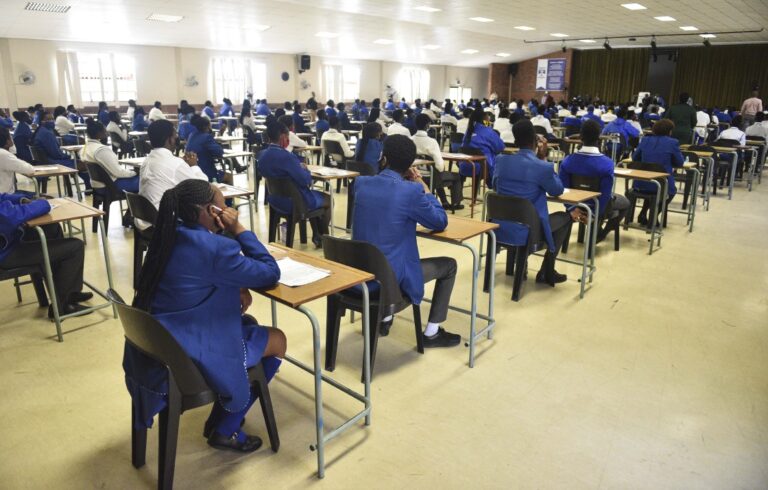
The Democratic Alliance (DA) in the Western Cape has sent its wishes to over 37,000 candidates undertaking the May/June National Senior Certificate and Senior Certificate examinations in the province this week.

“We encourage every candidate to give their best during this examination period. This is more than just a rewrite or a second opportunity, it is a brave step forward towards a brighter future, and we applaud every learner who has committed to this journey,” DA education spokesperson Leon van Wyk said in a statement on Monday.

He said this examination period presented an important opportunity for learners to enhance their matric results or complete their secondary education, which could significantly influence their future academic and career prospects.

According to the department, 25,615 candidates were rewriting one or more NSC subjects, while 11,609 learners were taking the exams to obtain their matric qualifications.

The DA commended the department for its meticulous planning and effective management of the examination process, which spans 165 exam centres and covered 54 subjects.

The party also praised the department’s commitment to creating a fair and supportive environment, enabling all candidates to showcase their academic abilities. 

Van Wyk acknowledged the role of the Second Chance Matric Support Programme, which provided free tutoring and study resources to assist candidates in preparing for the exams.

“Candidates writing the May/June NSC and SC exams are encouraged to make full use of all available resources – such as public libraries for a quiet and safe study environment, the WCED website for access to study materials, and local schools where additional support may be available.”

The party also urged all stakeholders—families, educators, and communities to continue supporting the candidates throughout the exam period, reiterating its commitment to fostering a culture of opportunity, support, and excellence in education in the province.

INSIDE EDUCATION

Philosopher Hannah Arendt provokes us to rethink what education is for in the era of AI

0

By Paul Tarc

In the 1954 essay The Crisis in Education, German-American philosopher Hannah Arendt argued that crisis can act as an opportunity to revisit questions that have produced presumed and outdated answers.

Arendt was concerned with how the loss of tradition and authority in larger social and political spheres was reflected in the adoption of child-centred learning in public schooling in the United States.

She argued that, in education, educators must maintain their authority, which ultimately rested on their taking responsibility for the world and for children. Arendt urged people grappling with “why Johnny can’t read” to leave behind their pre-judged answers, and instead return to the very “essence of education.” For Arendt, this centred on how the human-constructed world can be passed on and “set right” with each new generation and across time.

The rapid advances in artificial intelligence (AI) presents a new crisis for the world and for education. Following Arendt, the crises that AI portends is a new vantage — or a rupture — to return to the question of what education is for.

Rupture of AI

Technologies have always mediated our understandings and practices of education: not only hardware or pencils, but writing itself can be understood as a technology. In our time, however, AI represents a qualitative rupture in contemporary practices and understandings of education.

As Yuval Noah Harari has argued, AI should be better understood as an agent than a tool. As an agent, it is designed and evolving as a self-learning entity able to make independent decisions; it alters past interdependencies of humans and technology.

Facing the impacts and intervention of AI, school policy experts, administrators and educators are pressed to react fairly quickly to try and maintain our favoured practices.

For example, we try to tweak our practices of assessment in the face of new AI technologies like ChatGPT. A major concern is students “cheating” on assessments and unfairly or illegitimately advancing through school. This knee-jerk approach by educators to tackle the use of AI reflects a dominant, taken-for-granted answer about the purpose of education: that schooling is a mechanism to filter and sort young generations for a merit-based society.

Could AI itself be used to catch cheating? Canadian computer science professor Mark Daley doesn’t think so. He writes: “Instead of chasing technological silver bullets, educators need to confront the harder questions: Why are students cheating? … How do we foster a culture of learning rather than one of grade-chasing?”

Beyond fair grade chasing

Generally, there is a lot of agreement on the need to go in the direction that Daley recommends.

For example, the Organization for Economic Co-operation and Development (OECD) has most recently included “global competence” into its global standardized testing of students. The OECD acknowledges the importance of learning processes, as well as outcomes, and of critical thinking and values like individual responsibility.

The International Baccalaureate (IB), created in the field of international schools in the 1960s, has now penetrated into both public and private systems across the globe. Although it began as the International Schools Examination Syndicate, its longstanding aspirational vision of creating a better world through a humanist education of the whole person has carried through into the 21st century.

Both of these more learner-centred visions for education, however, remain founded on these “filtering” uses of education. The IB’s very growth and sustainability and distinction lies in the positional advantage it affords its users. The OECD, more directly, reflects neoliberal, “human capital” conceptions of education that imply students are resources to be developed for the growth of a country’s economy.

I believe we must go further than (better) assessments of higher-order thinking and processes of learning designed to filter students more creatively and/or efficiently for work. We must nurture an educational orientation over an instrumental one.

High stakes

The stakes are high beyond education, because AI portends great disruptions to political economy, work and the organization of human societies. AI and automation might mean that human labour becomes an ever-lower percentage of overall labour and economic productivity. Will our political processes be largely determined by wealthy owners and partners of the AI industry, or by more democratic processes?

These possible transformations demand a reorientation of educational purpose to inform both school policies pertaining to uses of AI and data, and school curricula and teaching in classrooms.

Many teachers want to foster critical thinking and student participation over grade chasing in schools. This remains an important goal. But, more fundamentally, schools need to become educational spaces where the concept of cheating, or unfairly beating someone else, becomes senseless.

In this altered scenario, teachers and students would spend their time together in school examining, as Arendt said, “what the world is like,” how they are located within it and how it might be renewed and passed on across generations.

A shelter for thinking

Educators might take the opportunity to reconsider the function of schooling as educating children and youth to come to know, and participate in, a common world facing multiple crises. They are to be introduced to this world, in all its complexity, so that they develop understanding and care for the world and thereby choose to take responsibility for renewing and re-setting it, as adults.

In returning to Arendt’s question on the essence of education, education researcher Mario Di Paolantonio’s introduces an updated answer for schooling in articulating what is educational in schooling in a world under crises.

In his view, education provides a place, a “unique human dwelling, where we can maintain and give shelter to a thinking and engagement with ‘something more’ that sustains the hope and affirmation of nevertheless living on with significance.” It offers “a place for passing time together, for sheltering a repertoire of worldly artefacts, common visions, interpretations and aspirations.”

“These,” he writes, “can be brought into meaningful configurations gathered from the meaningful patterns of the past to help us tend, mend and repair the sense and pull of the world that wears down from generation to generation.”

By Paul Tarc is  Professor of Critical Policy, Equity and Leadership Studies, Western University

The Conversation

UP looks at new farming methods for mushrooms

By Staff Reporter

The University of Pretoria (UP) is researching ways to help producers find new ways to grow white button mushrooms sustainably.

One of the projects includes growing the mushrooms in repurposed shipping containers.

“Many people think of mushrooms as a luxury item, without realising that they are a superfood packed with nutrients and represent a good alternative to meat products,” said Prof. Lise Korsten, who leads mushroom studies in the Plant Pathology Research Group of the Faculty of Natural and Agricultural Sciences (NAS).

She is also co-director of the Department of Science, Technology and Innovation’s National Research Foundation Centre of Excellence in Food Security.

“Biting into a freshly picked mushroom has the same crunchiness, earthy volatiles and unique taste as biting into a freshly harvested apple. Eating fresh mushrooms is healthy, fun and good for you,” Korsten said a statement.

A private investment company is funding a new cycle of mushroom-related research, with a focus being on developing innovative technologies to replace the use of peat and to find new solutions for developing, testing and commercialising transportable, small-scale mushroom farming units.

She said this concept could offer future small business operators the opportunity to produce mushrooms for their community and sell locally, thereby supporting the national mushroom industry to expand production volumes and provide people with an important food source.

Current projects build on expertise previously developed through funding in previous years from the SA Mushroom Farmers’ Association (SAMFA).

It was during this period, that the concept of a small-scale production unit was patented and a disease diagnostic service for the industry was developed. The disease diagnostic programme, MushDrops, was extended to include the monitoring of bacterial and fungal diseases on farms and provide farmers with advice on how to continually improve their production systems.

The current cycle has seen the team partner with a composting company and growers to upscale the programme. They aim to prove that white button mushrooms can be grown productively under controlled conditions in repurposed shipping containers.

Tapping into existing research, Dr Nazareth Siyoum of UP’s Department of Plant and Soil Sciences who is co-principal investigator of the Mushroom Research Project, said existing infrastructure was also being reused, such as a container production unit conceptualised around 2010 but never commercialised because of a lack of funds.

Looking beyond peat, Siyoum said that different agricultural waste products were again being tested in search of homegrown, sustainable and commercially viable casing mediums as alternatives to peat.

The university said that peat was a scarce natural resource, and its mining was stopped in 2007. That led to South African producers starting to import peat, which has driven up the costs of mushrooms.

Also, Europe plans on phasing out mining and exporting peat by the end of 2030.

As an added bonus, fresh mushrooms being produced in a shipping container are being donated to UP’s Student Nutrition and Progress Programme (SNAPP), which supports students in need.

INSIDE EDUCATION

SA young scientists to shine at global science fair

By Levy Masiteng

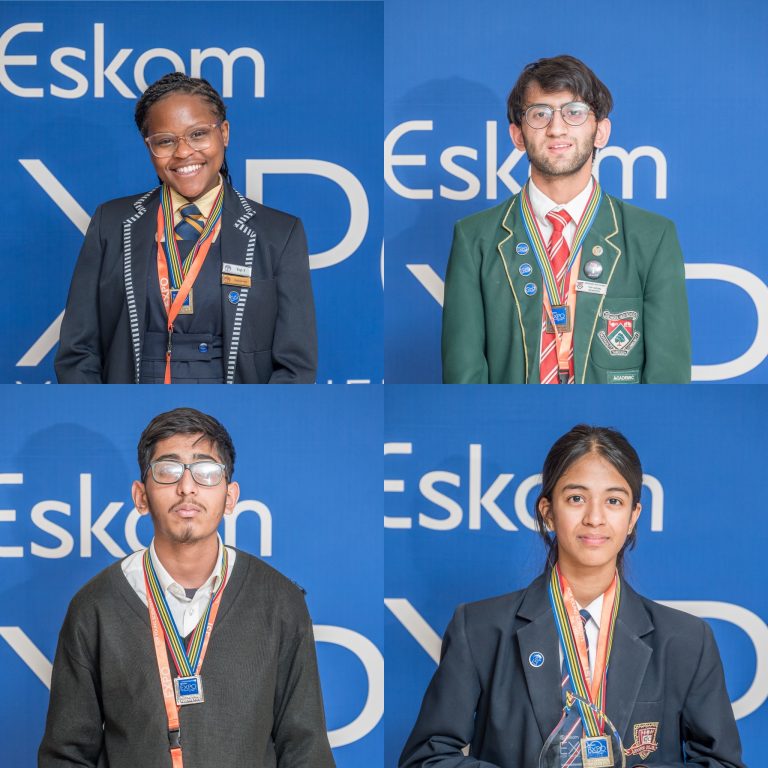
Four exceptional South African learners are representing the country at the Regeneron International Science and Engineering Fair (ISEF) in Columbus, Ohio in the United States.

The competition includes research projects from over 1800 high school learners. 

The learners are Salusiwe Mxayiya from Luhlaza High School in Khayelitsha, Ismaail (Miles) Hassen from Greenside High School in Johannesburg, Naveera Chana from Tesseract Homeschool in Johannesburg and Binyameen (Bini) Mohamedy from the University of Johannesburg Metropolitan Academy.

Mxayiya project is on investigating parasitic infection in marine species, Hassen’s in on developing assistive technology for the visually impaired, Chana focuses on creating a low-cost gas exchange system, and Mohamedy explores mathematical innovation in prime generating functions.

According to Eskom Expo academic director Krishnie Naidoo, the learners’ projects demonstrate a commitment to addressing real-world problems and showcase the calibre of local research. 

“The research done by our four participants is an indication that our youth are indeed responding to the needs of our time: sustainability, environmental concerns and inclusivity of differently abled persons,” she said. 

Eskom Development Foundation acting CEO Mologadi Motshele said that the inclusion of South African learners in the Regeneron ISEF highlighted the international standard of local research. 

“Our commitment to developing the next generation of scientists and engineers through the Eskom Expo remains steadfast,” she said.

The Western Cape education department has also expressed pride in Mxayiya’s achievement, highlighting her potential and the opportunities provided by the Eskom Expo for Young Scientists. 

“Being a part of a group that goes to represent South Africa in the Regeneron ISEF in the United States means that I get to be a part of something that is so significant, and I get to inspire other kids in my school and community. It is a dream come true for me and something to give pride to my country, family and school,” said Mxayiya.

The department noted the significance of nurturing young scientific talent.

Eskom Expo’s district expos are currently underway in all provinces across the country and learners from Grade 4 to 12 are encouraged to register their research projects.

INSIDE EDUCATION

Specialisation school in Mamelodi suited to rapidly changing world

By Lungile Ntimba

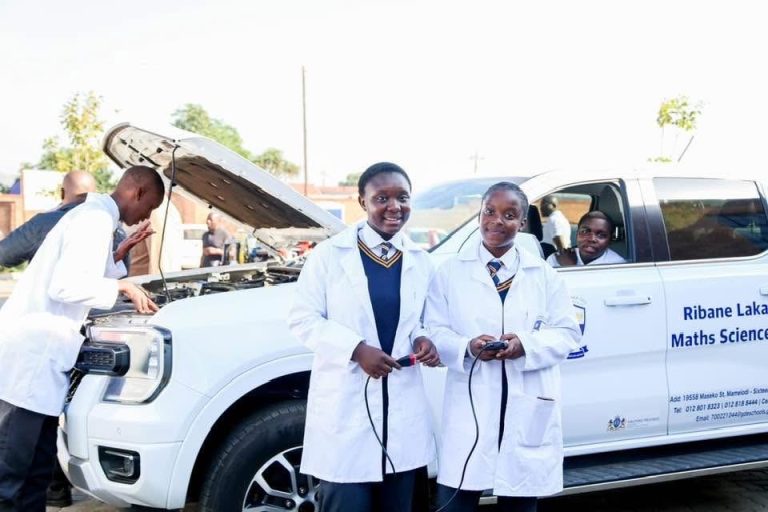
In an effort to equip learners with automotive engineering knowledge and electronic systems, the Gauteng government has launched the revamped Ribane-Laka Maths, Science & ICT School of Specialisation in Mamelodi East, Pretoria.

Premier Panyaza Lesufi said that in a rapidly changing world this was “education that makes economic sense, education that works and education that empowers”.

Accompanied by education MEC Matome Chiloane and his infrastructure counterpart, Jacob Mamabolo, Lesufi reminded learners that they were the innovators and leaders to tomorrow.

The school has been extensively renovated. New additions include modern ICT infrastructure, specialised classrooms that merge theory with practice, science labs and a multipurpose auditorium.

Boasting a 95.24% National Senior Certificate pass rate in 2024 and 98% for the term ending March, Ribane-Laka’s academic excellence complements its technical focus, according to the department.

The launch featured demonstrations by learners, including advanced engine diagnostics, working engine models and two custom-built cars — Chi-Panya Panya and Ngom Ngom — both capable of transporting up to 500kg. 

Learners also showcased a conceptual mobile fuel and mechanical support company, as well as projects in drone, coding, and robotics technology.

“We are not just teaching learners about engines or electronics — we are equipping them with tools to drive the future of this country,” said Chiloane. 

He emphasised the transformative role of the school, saying it represented the intersection of innovation, technical knowledge and opportunity. 

SAAB Grintek Defence, Ford Motor Company, Tshwane Automotive Special Economic Zone and Lanseria Airport are involved in the school through various initiatives.

SAAB provides academic recognition support and mentorship programmes. The partnership with the education department aims to empower high-performing students, some of whom have gone on to join Saab Grintek Defence, creating a full-circle approach to talent development. 

The partnerships are important, as they ensure that learners are immersed in real-world engineering environments, tackling authentic industry challenges and preparing for employment in high-demand sectors.

In South Africa, high-demand education and career sectors include technology – specifically cybersecurity, software development and data science – engineering, healthcare, finance and business.

INSIDE EDUCATION

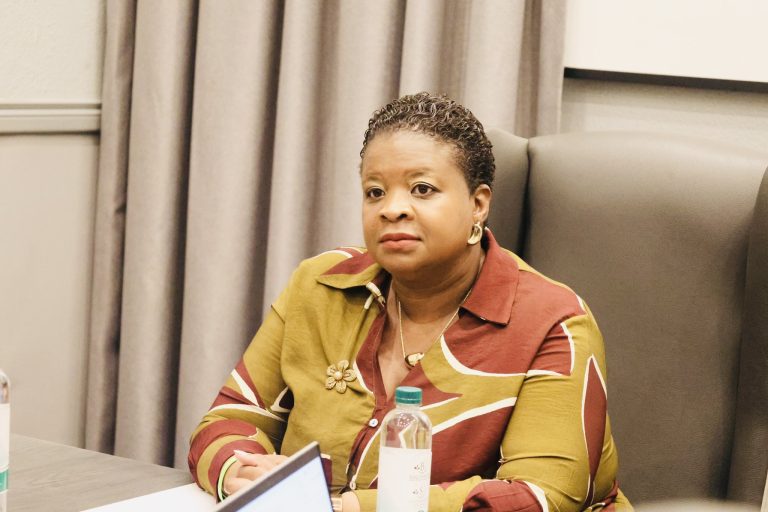
Gondwe’s help desk resolves thousands of queries

By Lungile Ntimba

Since its inception in August last year, a student and stakeholder help desk launched by Higher Education Deputy Minister Mimmy Gondwe has responded to more than 20,000 queries.

The deputy minister established the help desk as part of the Government of National Unity’s commitment to support students and stakeholders in the Post-School Education and Training sector.

“I’m pleased to see the help desk positively impacting thousands of students and stakeholders,” Gondwe said in a statement.

“It became clear to me soon after I assumed office that there was no direct platform for students and stakeholders to escalate their queries and grievances.”

She said the desk has dealt with 20,377 queries, with a resolution rate of 81%. 

It primarily assists with issues related to the National Student Financial Aid Scheme (NSFAS), delays in issuing results and certificates, and various administrative hurdles that students face across higher education institutions.

It also operates in close coordination with the department’s internal exam and diploma section, and TVET and university branches within the department and NSFAS. 

Gondwe said the desk was currently being managed by two women, Lufuno Lidzhade and Lenah Moseri, in her office, however, they planned to transition to a digital system due to the growing number of queries.

INSIDE EDUCATION

Learner’s death sparks protests at Soweto schools

By Alicia Mmashakana

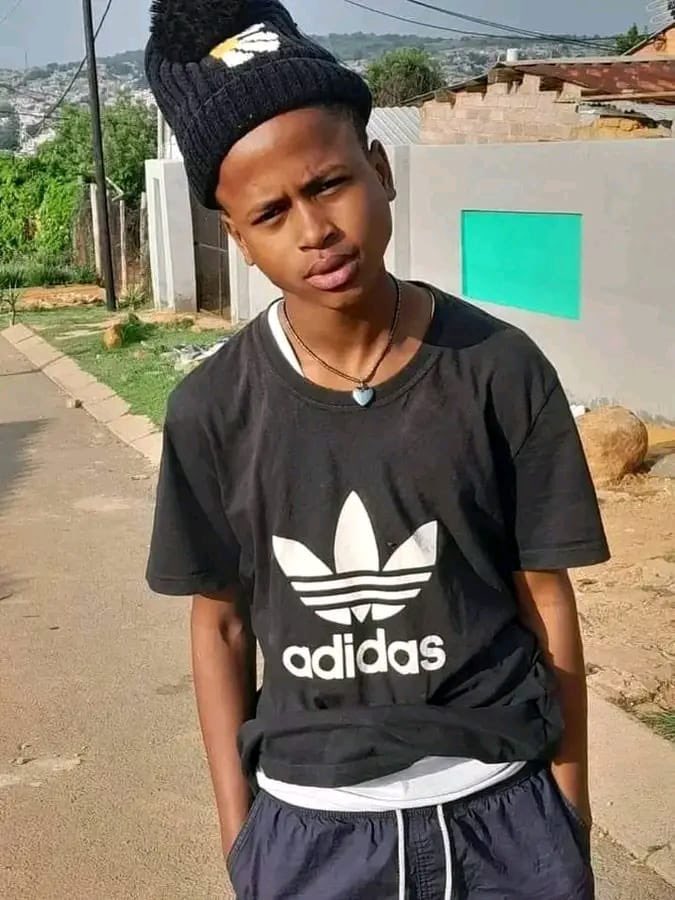
Gauteng education MEC Matome Chiloane is devastated by the death of Simphiwe ‘Mcebo’ Biyela, an 18-year-old Grade 11 learner from Musi High School in Soweto, saying the department is doing everything it can to ensure the safety of pupils.

Biyela was allegedly stabbed by a University of Johannesburg student while returning home on Tuesday, resulting in disturbances at Musi High School and other institutions in Pimville, Soweto.

“We extend our deepest condolences to the learner’s family, friends, and the entire community during this painful time. The department remains committed to supporting the school and ensuring the safety and well-being of all learners and staff. Learning and teaching will continue as normal tomorrow,” he said in a statement.

Schooling was disrupted again at Musi during the third period when a group of approximately 150 students forced their way out of the school grounds on Thursday. They disrupted classes two other schools in the area before marching to the University of Johannesburg in protest of Biyela’s death.

The department has confirmed that the pupils at the schools are safe and police are investigating Biyela’s stabbing.

“We plead for communities in the surrounding areas to allow law enforcement agencies to address this injustice, and refrain from further disrupting schooling,” Chiloane said.

INSIDE EDUCATION

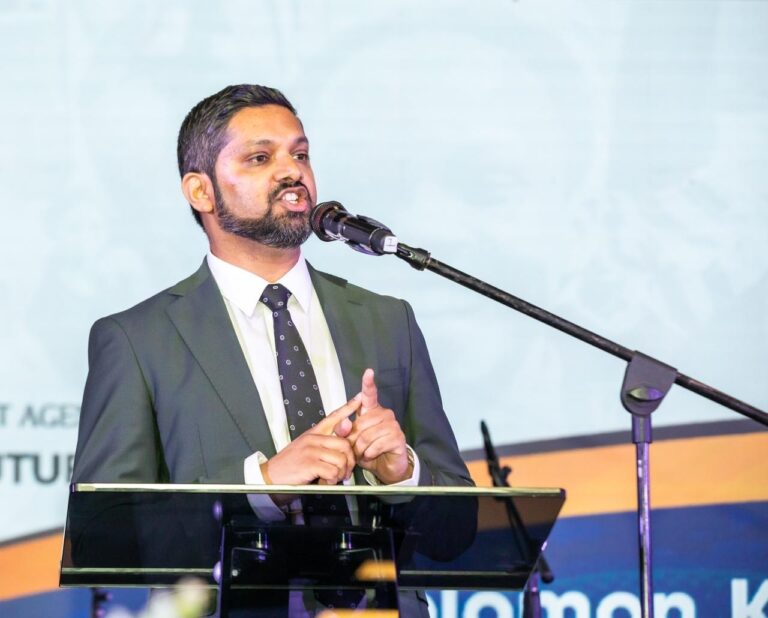
CHIETA scores second clean audit

By Thapelo Molefe

The Chemical Industries Education and Training Authority (CHIETA) has achieved a clean audit and 100% performance against all Annual Performance Plan (APP) targets for the second consecutive year.

The Auditor-General of South Africa confirmed CHIETA’s clean audit for the 2023/24 financial year.

“This is not just about performance — it’s about purpose,” CHIETA CEO Yershen Pillay said on Thursday. 

“You can’t drive innovation without good governance and clean administration. The results reflect our team’s dedication, systems of accountability, and a culture of zero tolerance for non-compliance.”

He also acknowledged the support of the Department of Higher Education and Training (DHET) and Minister Nobuhle Nkabane.

“Our performance is aligned with the vision of the DHET. Clean audits aren’t just numbers — they reflect a commitment to delivering real value to South Africans,” he said.

As the Seta looks to the future, its recently launched Fusion 2030 strategy will steer efforts toward innovation, digitisation, AI-readiness and inclusivity, with a sharp focus on underserved communities. 

“By investing in Smart Skills Centres, supporting new occupational qualifications and funding TVET and higher education partnerships, CHIETA is enabling more young people to access the training they need to compete in a green, digital and globally connected economy.”

To date, more than 30,000 rural youth have benefitted from CHIETA’s SMART Skills Centres, which are aimed at preparing young people for opportunities in a green, digital economy. 

A new centre in Gauteng, developed in partnership with PG Glass, is set to expand that impact further through a public-private collaboration model.

“South Africa’s future depends on skills — not slogans,” Pillay said. “We don’t just train people for jobs. We build pathways to dignity. Because the end goal isn’t just employment — it’s empowerment.”

INSIDE EDUCATION

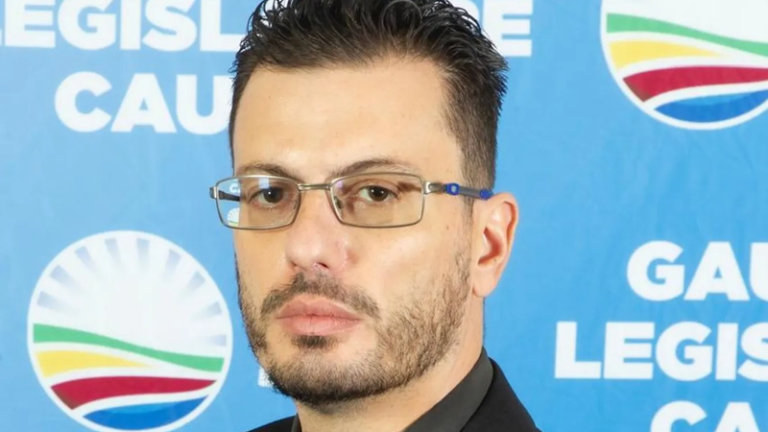
DA in Gauteng wants 2026 school admissions to open early

By Lungile Ntimba

The Democratic Alliance has urged the Gauteng education department to open online learner admissions for the 2026 academic year early, to avoid repeated delays and disruptions that plague school placements.

“This will give parents more time to apply, allow the department to review submissions, open the late application period earlier and prevent a situation where learners are left without school admission and miss days and months of schooling,” DA MPL Sergio Isa Dos Santos said in a statement on Thursday.

“In 2025, the GDE confirmed that over 6377 learners were only placed between 15 January and the final deadline of 30 January,” he said.

These delays resulted in learners missing up to two weeks of schooling, which Dos Santos attributed to poor planning and inefficiency within the department.

The DA also cited ongoing issues with the online admissions system, including frequent technical glitches, difficulties with document uploads and what it described as “unfair placement practices” that continued to frustrate both parents and schools.

Online admissions for Grades 1 and 8 opened on 16 September, last year.

INSIDE EDUCATION

WSU residence manager’s bail hearing postponed

By Thapelo Molefe

The bail hearing of Walter Sisulu University (WSU) residence manager Manelisi Mampane, who is accused of murdering student Sisonke Mbolekwa during a campus protest last month, has been postponed once again to next week Tuesday.

Mampane faces charges of murder, attempted murder and the illegal possession of a firearm and ammunition, following a shooting incident that left Mbolekwa dead and three other students injured.

During the second day of the bail application at the Mthatha Magistrate’s Court, proceedings were adjourned due to a backlog of other bail hearings.

The presiding magistrate noted that the court was “inundated” and unable to proceed fully with Mampane’s matter. 

The investigating officer, Colonel Mandla Miya, is yet to take the stand.

Outside court, the Mbolekwa family spokesperson, Phiwaba Madokwe, expressed dismay over Mampane’s testimony, calling it “misleading” and “infuriating”.

“There’s quite a number of things that left a bitter taste in our mouths,” said Madokwe. 

“The first one being him refusing to actually say the so-called safe place, or safe house that he’s going to be accommodated in, which he says that the university has given to him, to a point that even the investigating officer does not know where the said safe house is, which therefore means that even if he [gets] bail, no one might be able to get hold of him because he does not have a disclosed address, particularly in terms of the safe house.”

Madokwe further criticised Mampane’s claim of ignorance regarding firearm regulations. 

“He told the court he didn’t know how to handle a firearm, yet the state proved he previously applied for a firearm licence in a particular year and only failed the shooting test. That shows he was familiar with the basics and is misleading the court.”

Mampane insists that he acted in self defence and fired warning shots to disperse protesters. 

The State has rejected this, presenting postmortem evidence confirming that Mbolekwa was shot in the back, with the bullet exiting through his abdomen.

Mampane had initially claimed that the protest was sparked by university policies on student cohabitation. However, under cross-examination, he reportedly conceded that students had submitted a list of grievances including complaints about poor residence conditions, such as unpartitioned shared toilets.

The Mbolekwa family remains adamant that Mampane should not be granted bail.

INSIDE EDUCATION