



By Thebe Mabanga
South Africa’s post schooling education must cater for everyone, irrespective of their age, skills level, profile, or even the quality of their matric pass if they even attain the National Senior Certificate.
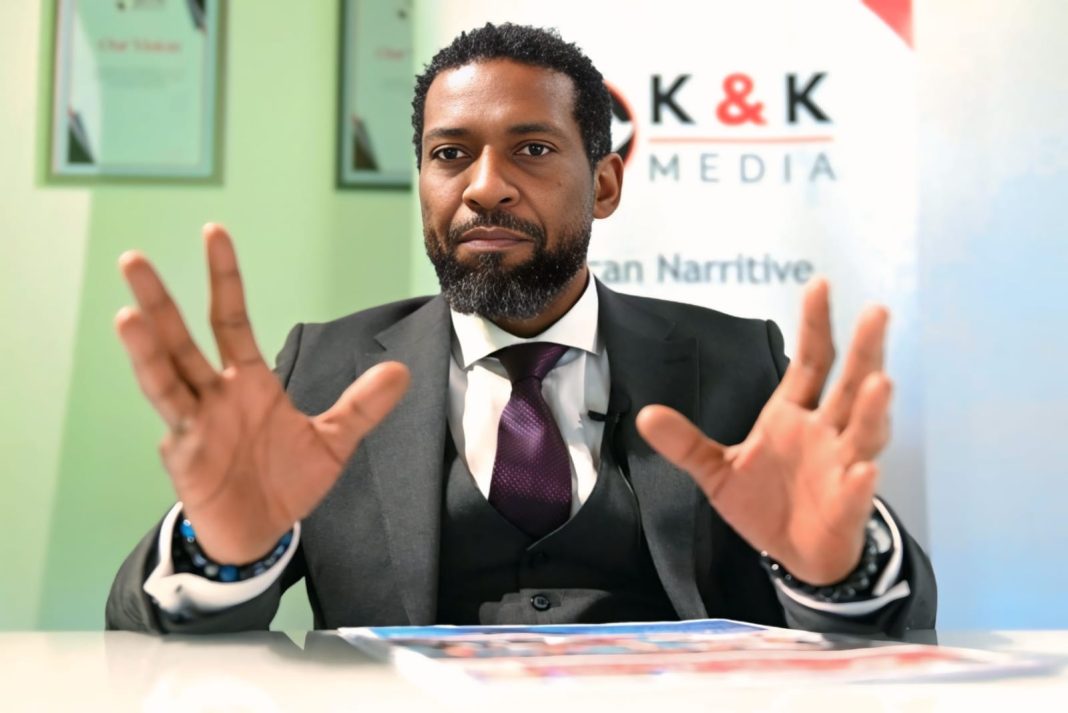
This was the view expressed by Deputy Minister of Higher Education and Training, Buti Manamela, in an interview with Inside Education, in which he reflected the strides made in higher education and the challenges that lie ahead.
“In the period since we have been a democracy, we have transformed higher education,” said Manamela, who noted that South Africa has expanded access and built a single system that responded to various skills development needs.
Manamela pointed to the improvement in the number of students who had enrolled in higher education institutions. In universities there had been jump from 400,000 students 1,1 million, 500,000 were now enrolled in Technical Vocational and Education Training (TVET) colleges and 200,000 in Community and Education Training (CET) centres.
He warned that these numbers, while impressive, fell short of the National Development Plan targets, which envisaged 1,3 million learners in universities, 2,5 million in TVET colleges and 1 million in CET colleges.
Manamela noted that the post schooling education sector must cater for an adult in their mid-40s, who, for whatever reason, could not complete matric but now required basic skills, like baking, plumbing or dress making, to earn a living, to someone who needed more intense technical training, to those seeking an elite, globally focused specialised education up to doctoral studies.
Manamela emphasised the importance of CET centres, which were the old Adult Basic Education and Training centres. They cater for matric rewrites and short courses of about six weeks for a wide range of basic skills.
The deputy minister is particularly passionate about community colleges, which have been in formal existence for 10 years, because they cater for those who are not in employment, not in education and not in training – the so-called NEETs, who are often overlooked.
Manamela said the challenge with community colleges was that infrastructure was uneven as you could find a state-of-the-art facility in Soweto and a dilapidated structure in a peri urban town or rural area.
The government was now regulating the ownership of buildings by these colleges, as most were housed in schools, and investing R1 billion in improving infrastructure.
On TVET colleges, Manamela said the government was worried about the throughput, or completion rate, for those who enrolled either at Grade 10 for the Further Education and Training (FET) starting at N1, or after matric starting at N3 to N6.
He said the government must invest in bridging the gap between schooling and TVET colleges to increase their capacity and the quality of teaching and also use technology platforms to improve access through online teaching.
He said they had seen improvement through Centres of Specialisation.
Universities faced a different set of challenges.
“South Africa has a very university centric culture, and we need to change that,” Manamela said, pointing out universities that are more than 100 years old.
He said universities must be focused on research and knowledge production and the supply side of labour, while skills like an auxiliary nurse could be left to specialist training centres and TVET colleges.
South African universities must undergo a “global reset” to maintain their credibility while helping South Africa as a society to transition with its developmental goals, the deputy minister said.
He said society has a task to help students and guide their career choices, offer them support with funds and other resources, and create an environment where they could look for work or become entrepreneurs.
Ultimately, Manamela believes, everyone should find room in the system.
Having been in his current role since October 2017, the deputy minister says it is the students that motivate him to keep doing what he does because “they have hope”.
And, youngsters and adults can count on his support.
INSIDE EDUCATION