
By Johnathan Paoli
Parliament’s Portfolio Committee on Higher Education and Training has concluded that no independent panel ever formally existed to oversee the appointment of Sector Education and Training Authority (SETA) board chairpersons, despite repeated claims by now-dismissed minister Nobuhle Nkabane.
The committee, undeterred by this week’s sudden Cabinet reshuffle, has resolved to continue investigating what it now views as a deeply flawed, politically influenced process.
“This matter could have been easily avoided, but we are here because systems meant to ensure transparency and legality were ignored. The reality is that there was never a panel in effect,” committee chairperson Tebogo Letsie said.
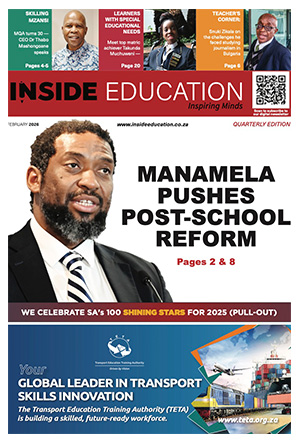
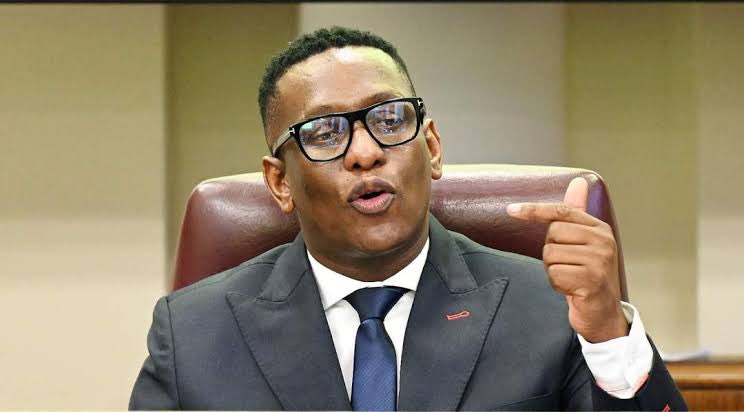
The committee’s decision to press ahead follows President Cyril Ramaphosa’s removal of Nkabane on Monday, replacing her with former deputy minister Buti Manamela.
While some ANC and Patriotic Alliance’s Ashley Sauls argued that the inquiry should end with the minister’s dismissal, others most vocally from the Democratic Alliance, Inkatha Freedom Party, Economic Freedom Fighters and uMkhonto weSizwe, insisted the process had revealed serious governance lapses that must still be accounted for.
The department’s deputy director-general for corporate services, Rhulani Ngwenya, who was appointed secretary of the so-called panel, admitted she had never convened a meeting, set an agenda, or recorded minutes.
“I was neither compensated nor remunerated against my appointment as a secretariat. I wish to clarify that all communications with Advocate Terry Motau SC was undertaken as part of my secretarial support services to the nomination panel,” she said.
Chief of staff Nelisiwe Semane clarified that although her name appeared on the list of panel members for the selection of SETA board chairpersons, she did not participate in that process.
In a letter dated 19 June, Semane stated her involvement was limited to the recommendation of SETA accounting authorities.
She attributed the confusion to Nkabane’s submission of an all-inclusive panel list that failed to distinguish between the two roles, confirming that she received no additional remuneration for her involvement.
Ministerial advisor Asisipho Solani, now unemployed following Nkabane’s axing, denied accusations that he had orchestrated the appointment process on his own.
While he confirmed helping facilitate a meeting between Advocate Motau and a legal acquaintance, Luvo Makasi, who held no formal role in the department, he insisted there was no misconduct.
MPs, however, expressed deep concern that external individuals were engaged in a government process without legal consultation, calling it “a serious violation of procedure”.
Director-General Nkosinathi Sishi came under intense scrutiny for his lack of oversight.
While he maintained he had no involvement in the appointments and only saw the final list at the same time as the public, MPs challenged his claims.
Sishi admitted the process had been flawed and called for future panels to be codified in legislation.
“We must write it into law… that such a panel is established,” he said.
However, he deflected responsibility for the debacle, insisting he was legally barred from appointing chairpersons himself.
The committee also condemned what they called a growing “culture of retaliation” against whistleblowers in the sector, warning the department against punishing staff who had testified.
Despite legal advice cautioning that it would be inappropriate to proceed without offering Nkabane the right to reply, the committee continued with finalising its oversight.
Members resolved to draft a preliminary report with findings and recommendations, including potential disciplinary steps against departmental officials and a legislative review of the Skills Development Act and Higher Education Act.
Meanwhile, Manamela and his deputy, Nomusa Dube-Ncube, were sworn in at Tuynhuys in Cape Town.
INSIDE EDUCATION