
By Thapelo Molefe
The role of artificial intelligence (AI) in South Africa’s higher education sector remains a contested space, but institutions are beginning to acknowledge its transformative potential.
Speaking at Eduvos’s conference on transforming education through AI, IT programme convener Stewart Coetzee said there was still no clear policy direction on whether to restrict or embrace AI tools in classrooms.
“The hot topic is assessment. How do we test now that active learning took place? On the one hand, do we completely stop students from using AI, or do we let them use AI? To be honest, I still don’t know where I stand on that,” Coetzee said.
Despite the uncertainty, Coetzee said that AI should not be seen as a replacement for lecturers or students but as an enabler to support learning.
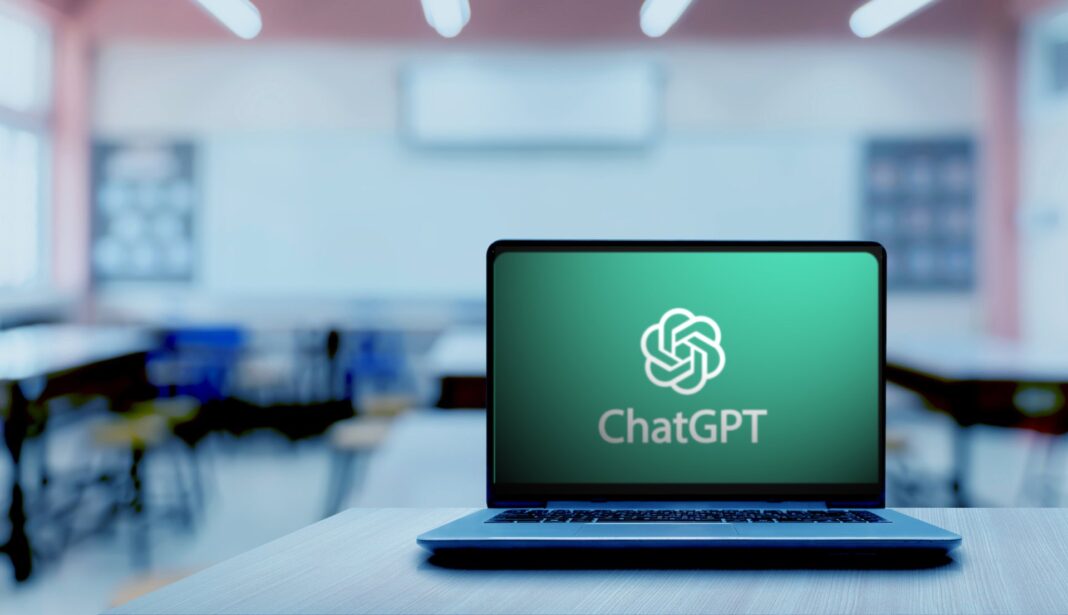
He noted that AI tools like custom ChatGPT, transcription bots and assessment platforms had already demonstrated their ability to improve teaching outcomes.
“AI is completely changing the way we do things. Students often misuse it to do the work for them, but if used with integrity, it can transform the way we teach and assess,” he said.
Among the technologies discussed was Otto.ai, a bot that can join meetings, transcribe discussions and generate summaries with speaker identification. Other tools, such as NotebookLM and Notion, can turn class notes into podcasts and mind maps, offering students multiple ways of engaging with material.
AI is also being tested in assessments.
Coetzee pointed to platforms like PlusPoint AI, which can convert PowerPoint slides into live quizzes, and Gradescope, which uses AI to mark handwritten tests and provide detailed, personalised feedback.
“Imagine saving hours of marking by allowing AI to handle it while lecturers focus on quality control,” he explained.
“AI can even generate rubrics and highlight specific mistakes, giving students paragraph-level feedback per question, something most lecturers simply don’t have time to do.”
He argued that rather than fearing AI, educators should embrace it as a collaborative tool.
“I don’t make five different lesson plans for one lecture based on individual learning styles, but AI can. It doesn’t replace me, but it helps,” Coetzee said.
Still, he acknowledged the challenges of ensuring integrity in student use of AI and the limitations of detection tools, which were increasingly unable to differentiate between human and machine-generated work.
In closing, Coetzee urged institutions to rethink rigid teaching and evaluation models in the age of AI.
“We cannot expect AI to fit into the way we have always been teaching, assessing and evaluating students. It has disrupted education, and the question now is whether we adapt or resist?”
INSIDE EDUCATION