


By Johnathan Paoli
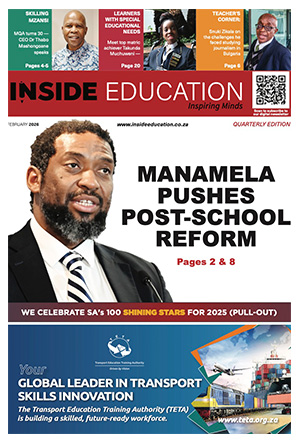
African nations must place Technical and Vocational Education and Training (TVET) at the centre of development to unlocking the continent’s youth potential and drive sustainable and inclusive growth, according to Higher Education and Training Minister Buti Manamela.
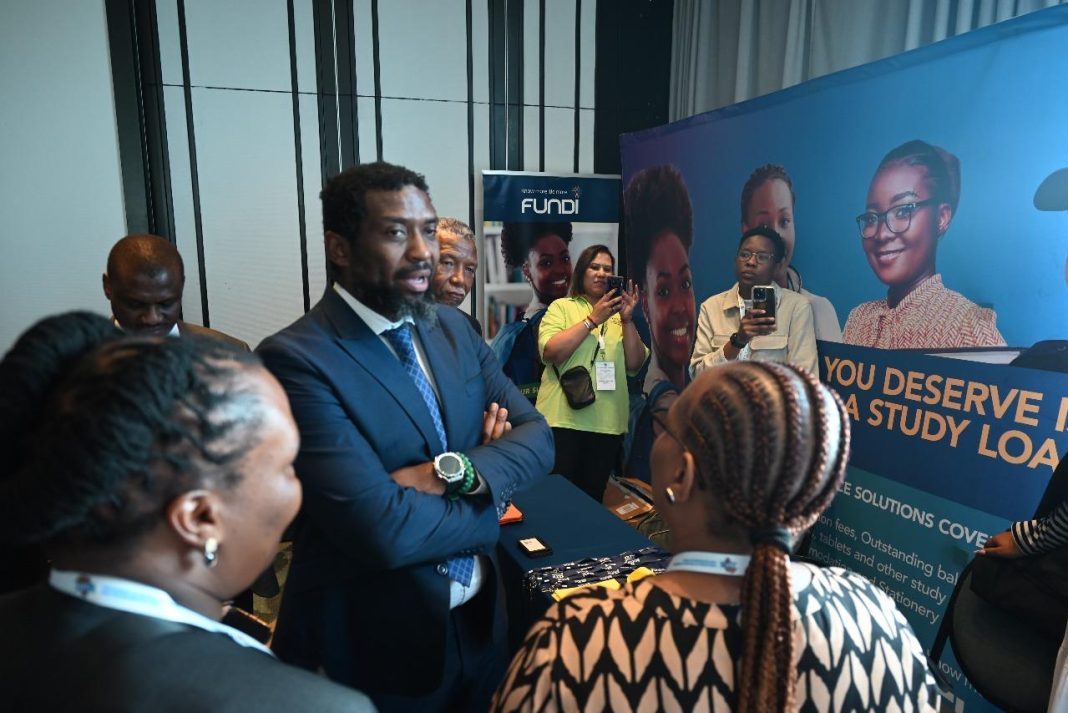
Speaking at the official opening of the African Technical Universities and Polytechnics Association (ATUPA) 2025 International Conference in Durban on Tuesday, Manamela said the gathering was not just an academic forum but “a continental call to action”.
“We stand at a defining moment in Africa’s journey. The choices we make today about education, skills and youth empowerment will determine whether Africa emerges as a global powerhouse or remains on the margins of technological and economic progress.
“Let us commit to a TVET system that is innovative, inclusive, sustainable and globally competitive. And let us do so together, for the prosperity of our nations and the dignity of our people,” he said.
Manamela reminded delegates that the African Union’s Agenda 2063 placed people, especially the youth, at the centre of development.
“TVET, in its practical orientation, holds the transformative power to bridge the gap between knowledge and employability, between aspiration and opportunity,” he said.
The minister noted that ATUPA, through its growing network of universities, polytechnics and TVET colleges, has become a vital partner in this transformation.
By aligning training institutions with industry, ATUPA was helping to rethink education as a driver of innovation and employability, rather than as an isolated system.
The minister reaffirmed South Africa’s commitment to strengthening its own TVET system as part of the National Development Plan (NDP) 2030.
Over the past decade, the government has expanded the TVET sector, modernised curricula and prioritised lecturer training, occupational qualifications and workplace-based learning.
He said the South Africa Skills Training Enhancement Programme, which ran in partnership with Global Affairs Canada and Colleges and Institutes Canada, was boosting capacity in 15 colleges across Limpopo and the Eastern Cape.
Manamela said these initiatives were building inclusive, gender-responsive and innovative programmes directly linked to the labour market.
“Our learners must not only be competitive in South Africa, but must be prepared to thrive across Africa and beyond,” Manamela stressed.
Africa’s population boom was both an opportunity and a risk, Manamela warned.
Without decisive action, high youth unemployment could deepen inequality and instability.
Through the Presidential Youth Employment Initiative and broader TVET reforms, the government was equipping young people with digital literacy, green skills and entrepreneurial capabilities.
The minister underlined that automation, artificial intelligence, robotics and digital platforms were already reshaping African economies.
He reiterated that TVET systems must adapt quickly to avoid deepening inequality.
South Africa has begun embedding digital skills into all qualifications, promoting e-learning platforms and creating centres of specialisation in renewable energy, advanced manufacturing and ICT.
Environmental sustainability featured prominently in the minister’s address.
He announced that South Africa was integrating green skills development into its TVET system through specialised training in solar, wind and hydrogen energy, as well as sustainable agriculture and manufacturing.
Manamela acknowledged the persistent structural barriers facing women, rural youth and people with disabilities in accessing TVET.
To address these, South Africa was expanding bursaries, introducing targeted disability programmes and establishing community-based training centres in rural areas.
He added that deliberate partnerships with industry were opening opportunities for women in engineering, ICT and renewable energy—fields, historically dominated by men.
The minister also linked TVET reform to continental economic integration. With the African Continental Free Trade Area underway, he said Africa needed harmonised qualifications and certification systems to enable the free movement of skilled workers.
INSIDE EDUCATION