


Staff Reporter
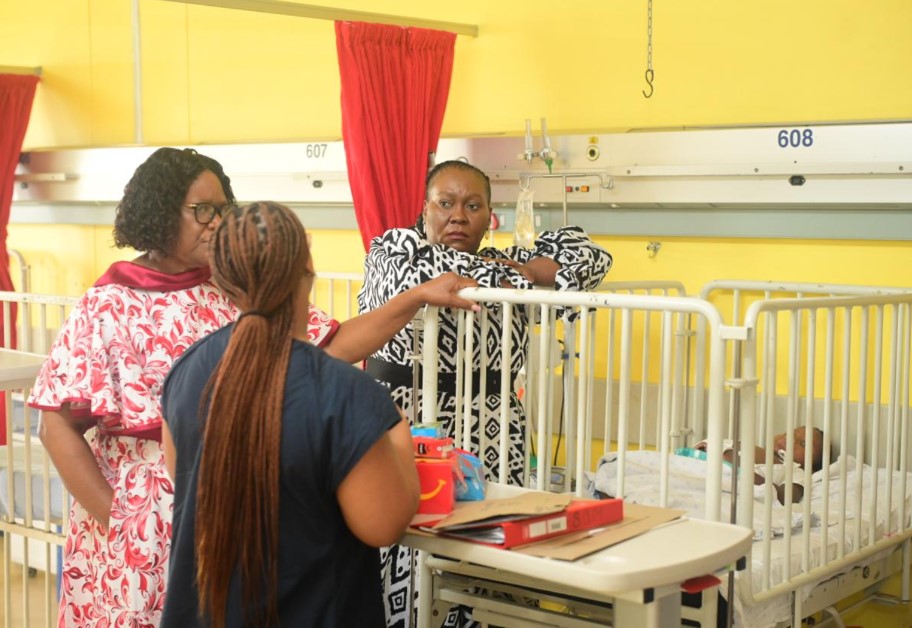
The department of health in KwaZulu-Natal recorded 144 births by midday on New Year’s Day, including 21 teenage mothers, prompting renewed concern from provincial Health MEC Nomagugu Simelane over child and teen pregnancies in South Africa’s second-most populous province.
Simelane said the New Year’s Day total had climbed from 63 babies by 7 am to 90 by 10 am, before reaching 144 by 12 pm, with 73 boys and 71 girls recorded by midday.
She said the teen-mother figure was preliminary and still subject to verification as facilities continued reporting.
“While we welcome these New Year babies, we must also register our concern, particularly over our very young mothers,” Simelane said.
Referring to the births recorded on Christmas Day in the province, she said there had been 302 deliveries, but that “alarmingly, 70 mothers were teenagers, with the youngest being three 15-year-old girls”.
“Among these young mothers was a 16-year-old girl, who was impregnated by a 32-year-old man,” she said.
“What is also concerning is the fact that these girls were just 15 years old when they fell pregnant, which is absolutely shocking and concerning, because at that age, they are nowhere near ready to be mothers.”
She said facilities had recorded nine teenage mothers in the early New Year’s Day data, including one 17-year-old, four 18-year-olds and two 19-year-olds, while the midday update put the preliminary total at 21 teenage mothers as reporting widened across the province.
Teen pregnancy remains a persistent challenge in South Africa, where official statistics show more than 106,000 registered live births occurred among adolescents aged 10–19 in 2019, with KwaZulu-Natal accounting for the highest provincial share, according to Statistics South Africa.
The UN Population Fund (UNFPA) has reported a decline in the adolescent fertility rate for 15–19-year-olds in recent years, but has warned that prevention and support require coordinated, multi-sector interventions.
“These statistics are cause for deep concern, and highlight the ongoing need for education, guidance, and access to reproductive healthcare for teenagers,” Simelane said.
INSIDE EDUCATION