
By Charmaine Ndlela
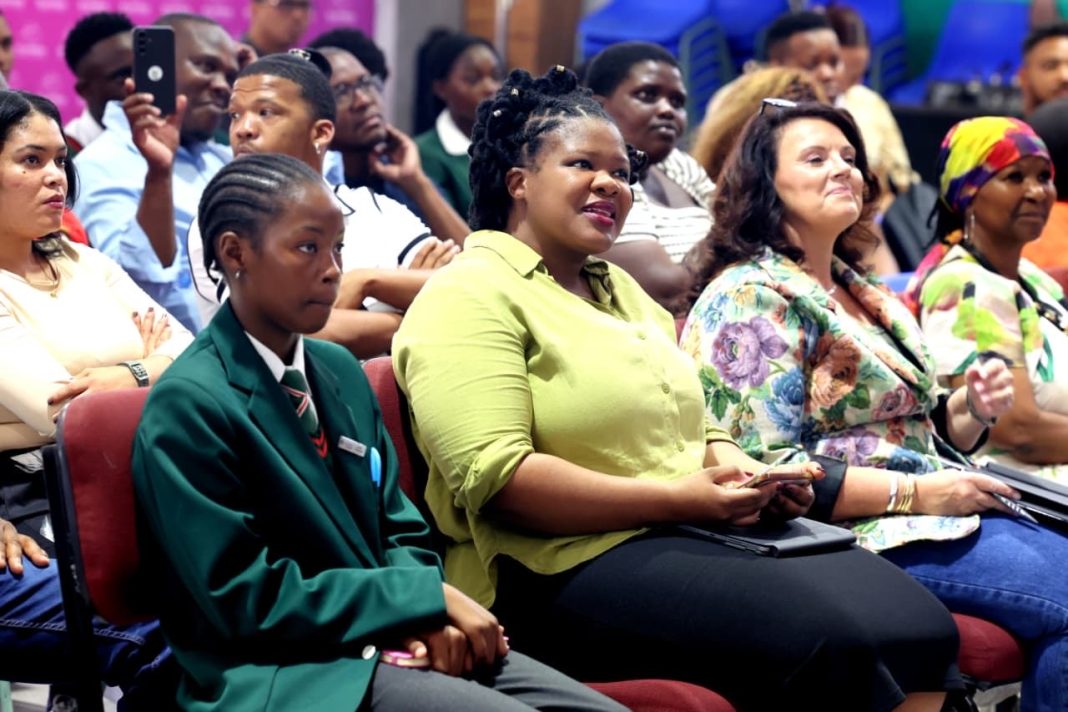
Deputy Minister in the Presidency Nonceba Mhlauli urged learners at Louwville High School in Vredenburg to embrace “curiosity” as she handed over a Mobile Digital Library.
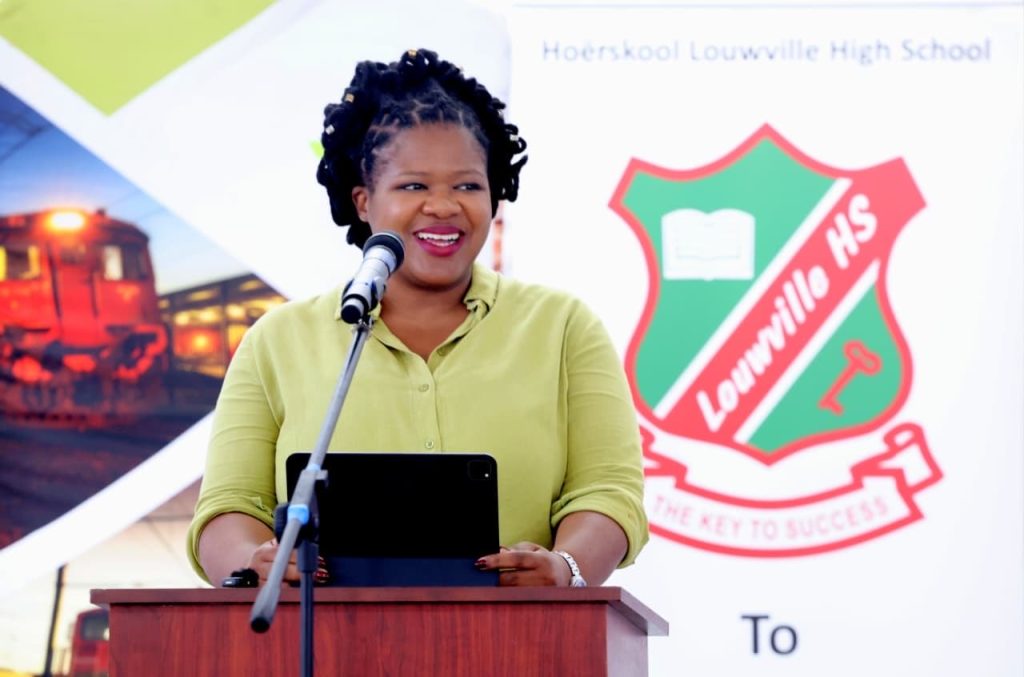
The handover forms part of a partnership between government, Kumba Iron Ore, Transnet and RuraTech to improve access to educational resources in communities facing connectivity and infrastructure constraints.
ALSO READ: Two Gauteng learners killed in separate stabbings
Speaking at the event, Mhlauli said the project was about more than delivering equipment.
“This moment represents not just the unveiling of a resource, but the opening of opportunity,” she said.
She praised the role of the partners in making the initiative possible.
“I would like to commend our partners Kumba Iron Ore, Transnet, and RuraTech for their commitment to investing in young people and in the future of this country. This is what meaningful partnership looks like.”
Mhlauli said the collaboration reflected a broader approach to development.
“It is not only about corporate social responsibility. It is about co-creating solutions that have lasting impact. When we align resources, expertise, and intent, we move faster and we move further.”
Addressing learners directly, she urged them to make full use of the facility.
ALSO READ: Universities start autumn graduation season
“This library is for you. It is a space where curiosity must be encouraged, where questions must be asked, and where dreams must be nurtured. Use it fully. Use it boldly,” she said.
“Explore subjects beyond your textbooks. Learn new skills. Discover careers you may never have imagined. Teach yourselves to code, to research, to think critically, and to innovate.”
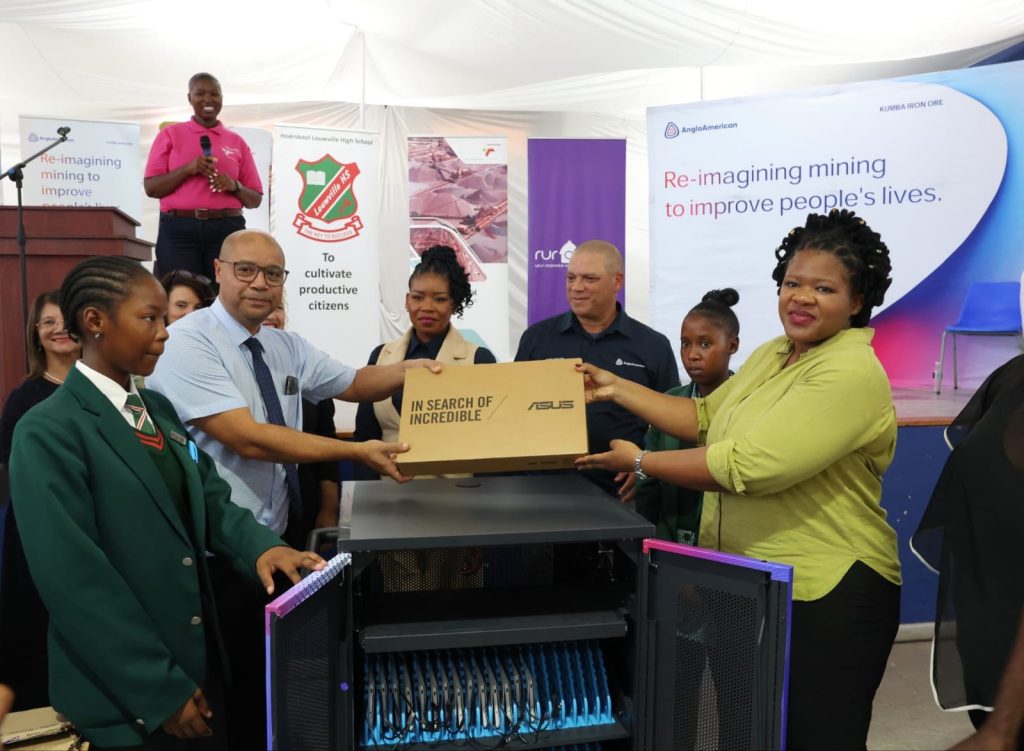
She said the country’s future would depend on young people who can adapt, solve problems and lead.
“The future economy will reward those who create, who solve problems, and who lead.”
Mhlauli also called on teachers and the rest of the school community to ensure the facility becomes part of daily school life.
“This facility will only succeed if it becomes integrated into the daily life of the school. Let it not stand as a symbol. Let it function as a tool,” she said.
“Encourage its use in classrooms. Embed it into teaching and learning. Support learners in navigating this digital space responsibly and productively.”
ALSO READ: DHET urges business to back youth skills at Midvaal imbizo
Linking the handover to the country’s broader constitutional and human rights commitments, Mhlauli said access to education and information had to be realised in practice.
“Human Rights Day reminds us that rights must be lived, not only remembered. The 30 years of our Constitution remind us that those rights must be protected, deepened, and made real in the lives of our people,” she said.
“Through this Mobile Digital Library, we take a meaningful step toward ensuring that the right to education and access to information is realised in practice.”
She said investment in young people would shape the country’s long-term future.
“When we invest in young people, we invest in the future of our economy, our democracy, and our nation,” she said.
“Today marks a beginning — a beginning of expanded horizons, new opportunities, and a future where every learner, regardless of where they are born, has the tools to succeed.”