
By Charmaine Ndlela
Minister of Basic Education Siviwe Gwarube has launched new national guidelines aimed at keeping school toilets safe, clean and dignified, shifting the focus from the eradication of pit toilets to the daily maintenance of water, sanitation, hygiene and menstrual health services in schools.
The National Guidelines for Water, Sanitation and Hygiene in Schools (WINS), launched at Welizibuko Primary School on Thursday, are intended to give schools practical, step-by-step guidance on strengthening sanitation and hygiene services while promoting accountability and sustainability across the basic education sector.
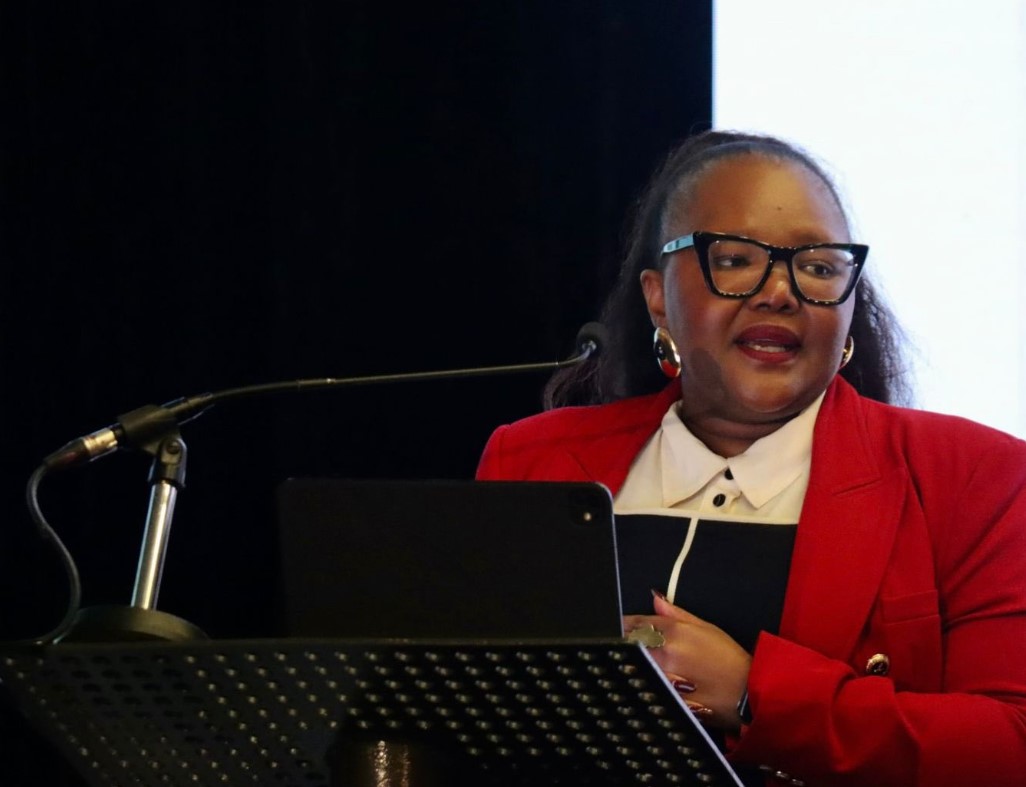
Speaking at the launch, Gwarube said poor sanitation continued to affect learners’ health, attendance and academic performance, with girls particularly affected during menstruation.
“Access to safe sanitation is fundamentally a matter of dignity, safety and educational success,” she said.
The guidelines are expected to help schools improve the responsible use and maintenance of facilities, strengthen hygiene practices and support menstrual health management as part of broader efforts to create safer and healthier learning environments.
Gwarube said the department had made significant progress through the Sanitation Appropriate for Education (SAFE) Initiative, with 99.9% of identified pit toilets eradicated. The programme has benefited more than three million learners and over 50,000 teachers by providing safer and more dignified sanitation facilities.
However, she cautioned that removing pit toilets was not the end of the work.
“Eliminating pit toilets is not the end of the journey, but maintaining school infrastructure, promoting responsible use of facilities and strengthening hygiene practices are critical to ensuring that schools remain safe, healthy and conducive to learning,” she said.
The Minister called on schools, provincial education departments, communities and learners to work together to protect and maintain sanitation infrastructure, saying the success of the WINS programme would depend on long-term behavioural change and the promotion of a culture of hygiene in schools.
The guidelines draw on lessons from the implementation of the Water, Sanitation and Hygiene Three-Star Approach in schools across Gauteng and the Eastern Cape.
According to the department, the WINS Guidelines are expected to strengthen service delivery in schools while helping create healthier learning environments that support learner development and academic achievement.
INSIDE EDUCATION