


By Lebone Rodah Mosima
South Africa needs more agricultural economists to help tackle food security, rural development, trade, climate change and job creation, the Department of Agriculture said at a student symposium in Pretoria on Friday.
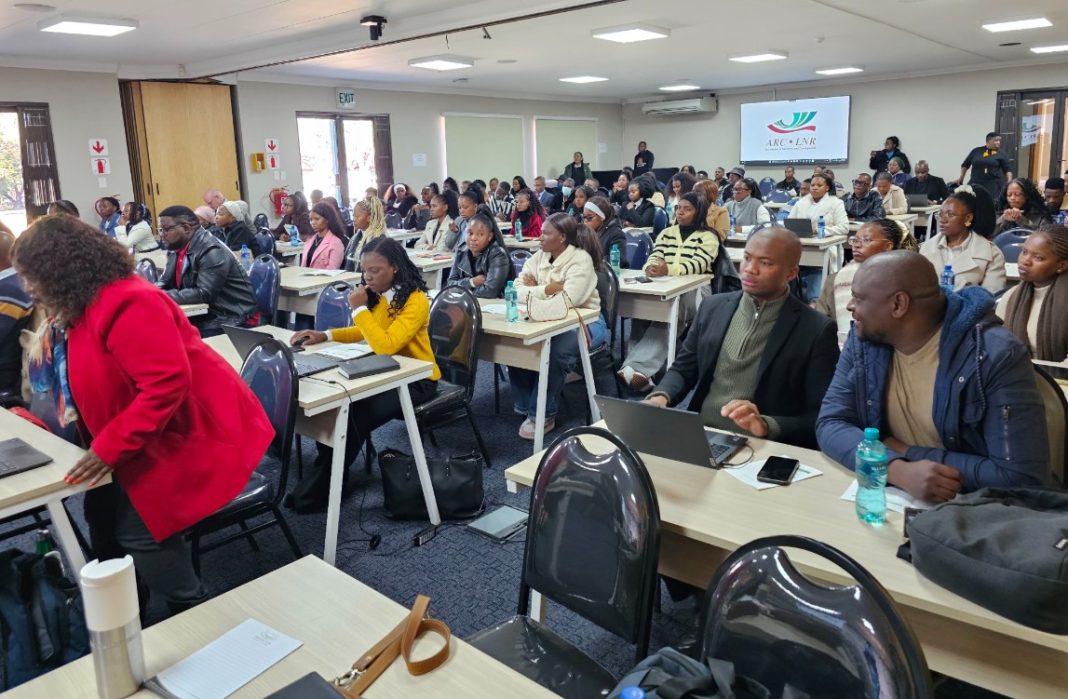
The department, in collaboration with the Agricultural Research Council and the University of Limpopo, hosted the symposium for third-year BSc Agricultural Economics students at the ARC VIMP Campus in Roodeplaat.
The event brought together students, academics, policymakers and industry professionals to discuss agricultural economic issues, policy debates, innovation trends and emerging opportunities in the sector.
Acting Chief Director of Sector Capacity Development Mmaserame Macucwa said agricultural economists had a critical role to play in addressing some of South Africa’s most pressing development challenges, including employment creation, rural development, trade, climate change and inclusive economic growth.
“Agricultural economics remains one of South Africa’s critical and scarce skills, with growing demand for professionals capable of informing policy, analysing markets, managing risk, and driving innovation across agricultural value chains,” Macucwa said.
“Students must actively engage with experts to build professional networks and prepare themselves to lead the sector through emerging challenges and opportunities.”
The department said the symposium was aimed at connecting students with industry experts and exposing them to the knowledge and networks needed to support innovation, strengthen food security and help shape the future of South African agriculture.
University of Limpopo academic Dr Mmaphuti Nkoana said the engagement gave students an opportunity to better understand the workplace and the expectations of potential employers in the agricultural sector.
Nkoana said the university offered modules that complemented one another, including those recommended by stakeholders who could employ students in future. Practical exposure through experiential learning and engagement with industry was important in preparing students for work, Nkoana said.
“We saw it befitting to say that we engage with the stakeholders to host our students in these kinds of podiums or symposiums, so that our students can get more information about what is happening in the working environment,” Nkoana said.
“These students here, they are willing to gather more information from different stakeholders, just to capacitate or build their future from now.”
Nkoana said students could also contribute to research projects and seminars by using such platforms to raise and discuss challenges facing South Africa.
Macucwa said the Department of Agriculture remained committed to strengthening partnerships with higher education institutions to develop the next generation of agricultural professionals.
She said she was confident that young economists could contribute meaningfully to the future of South African agriculture.
INSIDE EDUCATION