
By Akani Nkuna
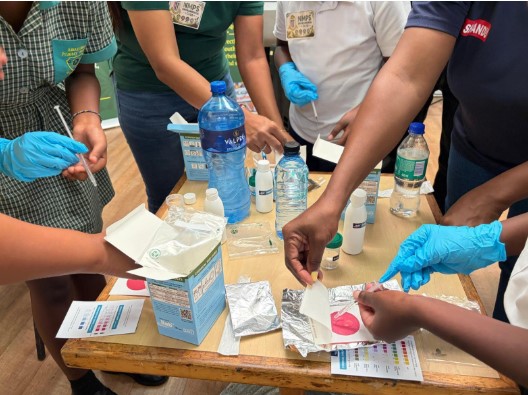
School learners and university students were among thousands of citizens recruited to test water sources across South Africa after WaterCAN distributed more than 500 testing kits for its fifth annual Water Testing Week.
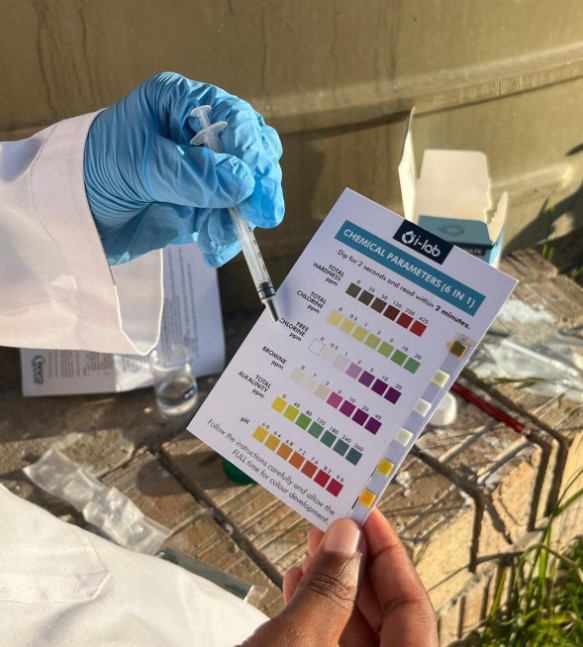
The citizen science campaign, which ran from 14 to 18 September, involved community leaders, learners, university undergraduates and water activists testing water from rivers, taps, JoJo tanks and dams across the country.
ALSO READ: Three children rescued from rip currents at Monwabisi Beach
WaterCAN said the initiative was aimed at giving communities the tools to observe water quality, record evidence and strengthen accountability over the management of water resources.
Participants used testing kits to assess indicators including pH, chlorine, nitrates, nitrites, phosphates, hardness, alkalinity and metals. They also recorded the location and condition of each water source.
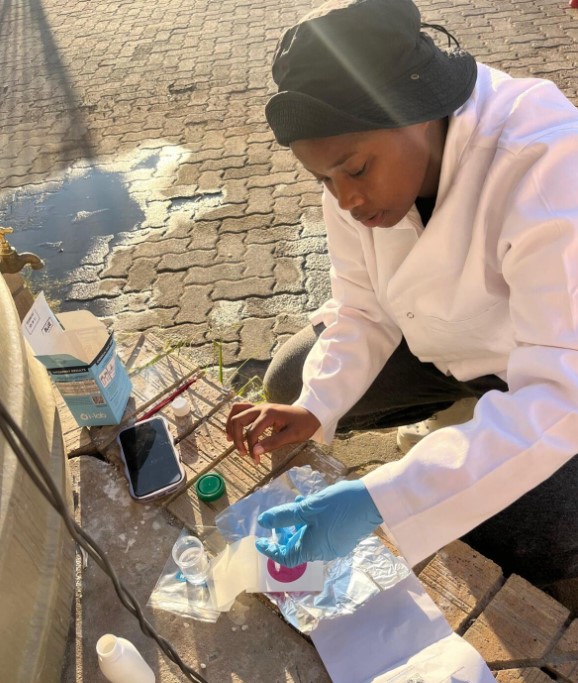
WaterCAN Citizen Science and Training Coordinator Nomsa Daele said the campaign was intended to place credible information directly in the hands of communities.
“People have a right to know what is happening with the water they drink and the rivers, streams and dams they depend on. By testing, recording and sharing results, citizens are not only observing their water — they are creating evidence that can be used to demand answers and action,” Daele said.
The results were uploaded to WaterCAN’s MapMyWater platform, which allows the public to view testing locations, water sources and recorded results.
WaterCAN said it was using the platform to build what it describes as South Africa’s largest independent, citizen-led water database, with individual test results contributing to a broader picture of water conditions across the country.
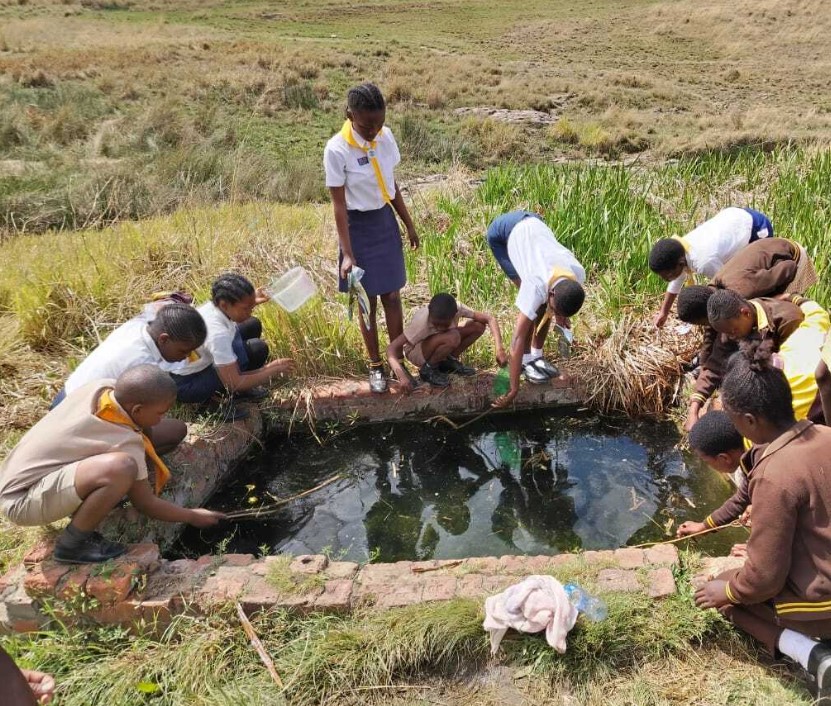
The organisation said the information could help communities identify patterns, raise concerns and engage municipalities and other authorities responsible for supplying safe water and protecting water resources.
WaterCAN said it would analyse the findings from testing week and use the results to support community advocacy and calls for greater transparency and responsiveness in water governance.
ALSO READ: Study: Women gain seats in traditional leadership, but not always influence
The organisation said that citizen science could not replace official water testing, but added it could provide communities with an early-warning and accountability tool.
It called on municipalities and water authorities to investigate concerning community test results and communicate directly with affected residents.
The campaign took place as WaterCAN also raised concerns about the vulnerability of South Africa’s water systems to failures in other infrastructure, particularly electricity networks.
In a separate statement following recent water disruptions in Gauteng, WaterCAN welcomed a coordinated intervention by national, provincial and municipal authorities, Rand Water and Eskom to address electricity failures affecting water supply.
A joint statement by the Department of Water and Sanitation, Gauteng government, Rand Water, Eskom, the City of Johannesburg and Emfuleni Local Municipality acknowledged that the problem was not insufficient electricity supply, but the need for municipal electricity distribution networks to be better maintained and strengthened.
The power interruptions affected the Eikenhof, Zwartkoppies and Vereeniging systems, disrupting water supplies across Johannesburg, Emfuleni, the West Rand and parts of North West.
WaterCAN executive director Dr Ferrial Adam said failures in one part of the infrastructure network could rapidly affect another.
ALSO READ: Nzimande says unchecked AI could usher in new forms of colonialism
“We need to start treating the infrastructure that keeps our water systems running as critical infrastructure that must be maintained, protected and prioritised,” Adam said.
“The challenge is also the silos that exist within municipalities and between different spheres of government. In Johannesburg, for example, electricity and water are managed by separate entities, yet a failure in the electricity network can have an immediate impact on the water supply. The infrastructure is interconnected, so the response has to be integrated too.”
WaterCAN welcomed the establishment of a joint technical working committee and weekly intergovernmental meetings involving institutions responsible for electricity and water infrastructure in Gauteng.
“This is also the kind of intergovernmental cooperation we need across the country, and not only when there is a crisis in Johannesburg. We need regular cooperation between the different institutions responsible for water and supporting infrastructure, backed by clear communication and transparency about the problems affecting water delivery and what is being done to fix them.”
Adam said the Gauteng intervention should be used to identify similar weaknesses in water systems elsewhere before infrastructure failures resulted in prolonged disruptions.
“We need to protect the infrastructure that keeps water flowing before it fails. That requires proper maintenance, investment, cooperation between government institutions and, most importantly, accountability.”