
By Lebone Rodah Mosima and Akani Nkuna
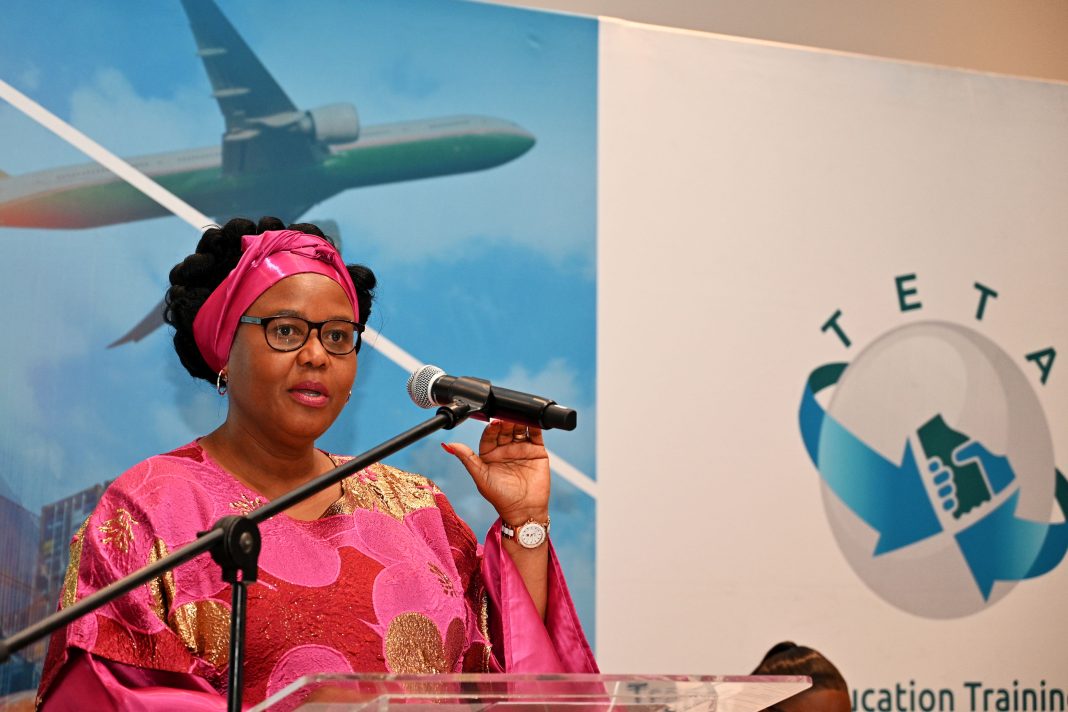
South Africa has the skills to compete with some of the world’s most developed nations in technology, transport and other critical industries, according to Transport Education Training Authority (TETA) CEO Maphefo Anno-Frempong.
WATCH HERE. LIVE DIALOGUE
Speaking at the Inside Education and TETA Transport Month Dialogue in Sandton on Thursday, she emphasised the need to align skills development with industry demand and provide relevant qualifications that prepare workers to address the transport sector’s future challenges.
“South Africa does not have skills problems. It is just a matter of matching demand with where the opportunity is, with where the relevant work is and giving our young people an opportunity to go and show off in the world that SA can and still does have the best skills set than anybody else,” she said.
ALSO READ: Transport sector stakeholders explore future readiness at Dialogue 2026
The dialogue falls during Transport Month in October. It brought together transport experts, interest groups and community members to engage and solicit solutions on how to enhance the transport industry in light of the technological advancement confronting it.
Anno-Frempong emphasised that TETA is often met with a predicament when implementing its mandate as it dictates that it spends 80% towards programmes that lead to a qualification.
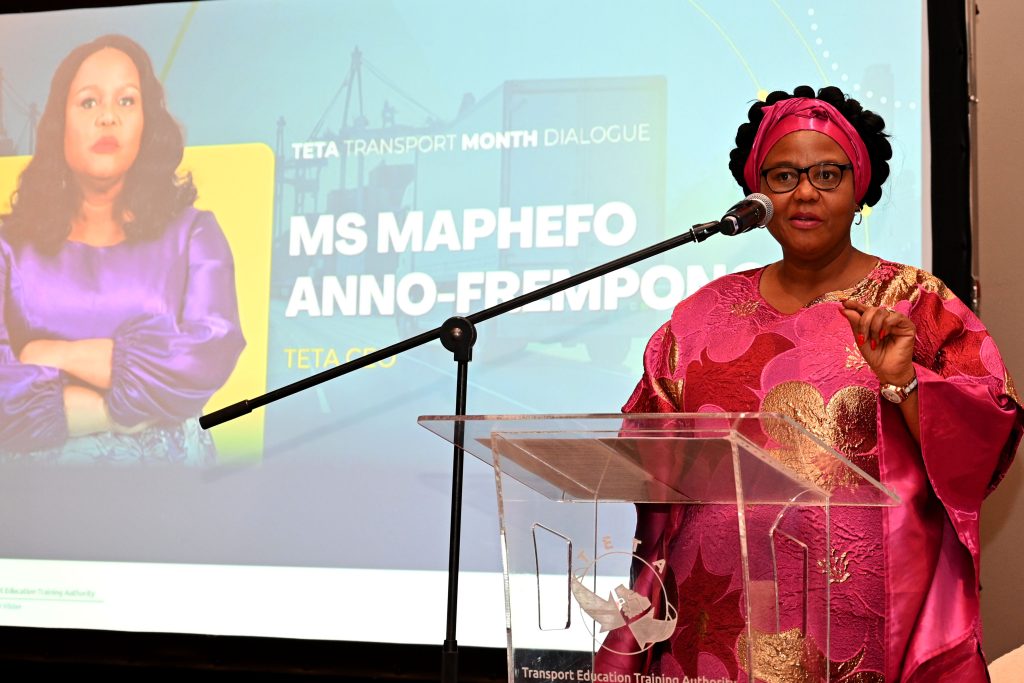
She highlighted, however, that the entity continues to look for a balance between funding qualifications and skills development as many companies now prioritise skills over qualifications.
She said it was more feasible to invest in “micro credentials”. They are short programmes, which expose young people to opportunities leading to jobs as compared to investing in degrees.
“The skills development levy base, which is 1%, can never train the transport sector because the demand is higher than 1%. We [must] hold hands, look at co-funding opportunities and see how we can leverage on other funding opportunities, and not only in transport but in other industries with a main purpose of giving a South African child an opportunity to get into a job or to be able to make a living,” Anno-Frimpong said.
ALSO READ: GDE suspends Busisiwe Primary teacher after sexual assault allegations
The CEO highlighted that technological and economic transformation is moving at a high pace globally. She said South Africa must assess the impact of this transformation to identify and prioritise the skills needed to remain competitive and maximise the resulting economic opportunities.
Anno-Frempong further underscored the need for collaboration amongst government and private entities to drive investment in people while creating opportunities.
ALSO READ: UFH rejects Buhlungu’s immediate resignation as disciplinary process continues
She emphasised that the transport sector remains one of the major industries driving economic growth and stressed the significance of a well-functioning transport sector.
“It is so important that for the recognition of SA’s advancement in line with other countries that transport becomes one of the key indicators of how far SA as a country has advanced,” Anno-Frempong added.
TETA acting corporate communications manager Thabiso Mokoetla said that technological advancements, digitalisation, innovation and the transition towards a greener economy are reshaping occupations across road, rail, aviation, maritime, freight and logistics.
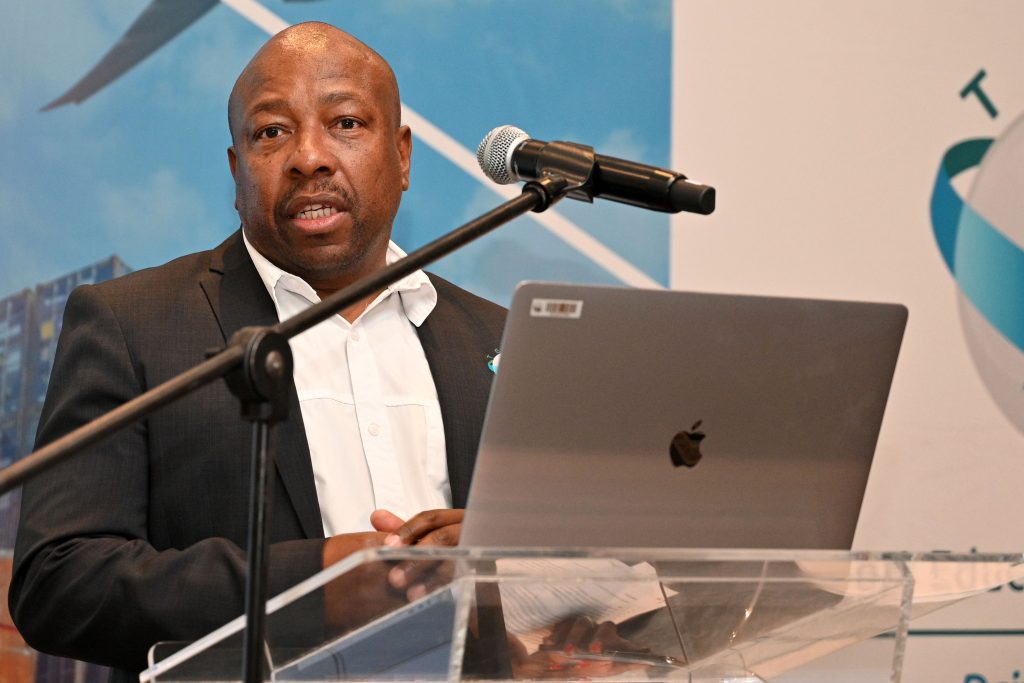
“As a transport sector, we have a critical role to play to ensure that education and training remain responsive to these changes,” Mokoetla said.
He emphasised the importance of collaboration among industry, government, the education sector and training institutions to identify future skills requirements and prepare learners and workers for both current and emerging occupations.
“Doing so requires an ongoing conversation between the industry, the government, the education sector and the training institutions about where the sector is heading, which skills will be required, and how learners and workers can better prepare for both the current and emerging occupations,” he said.
He also highlighted the challenge of an ageing workforce and the need to attract younger people to the sector.
“So upskilling the workforce, also we have a challenge of an ageing workforce. We still need those learners. We still do need the youth to come into this space,”
He called on stakeholders to participate actively in shaping the future of transport skills development, stressing that the responsibility extended beyond TETA.
“The future of transport leaves us with an opportunity to call the participants, which is not only TETA, but also you who are seated before us,” he said.
Mokoetla said discussions must translate into practical outcomes.