
By Charmaine Ndlela
The University of KwaZulu-Natal’s School of Engineering has expanded its laboratory capacity from 80 to 163 students following a R2.2 million investment by Aberdare Cables, with Deputy Minister of Higher Education and Training Nomusa Dube-Ncube calling for the partnership to translate into more workplace opportunities for graduates.
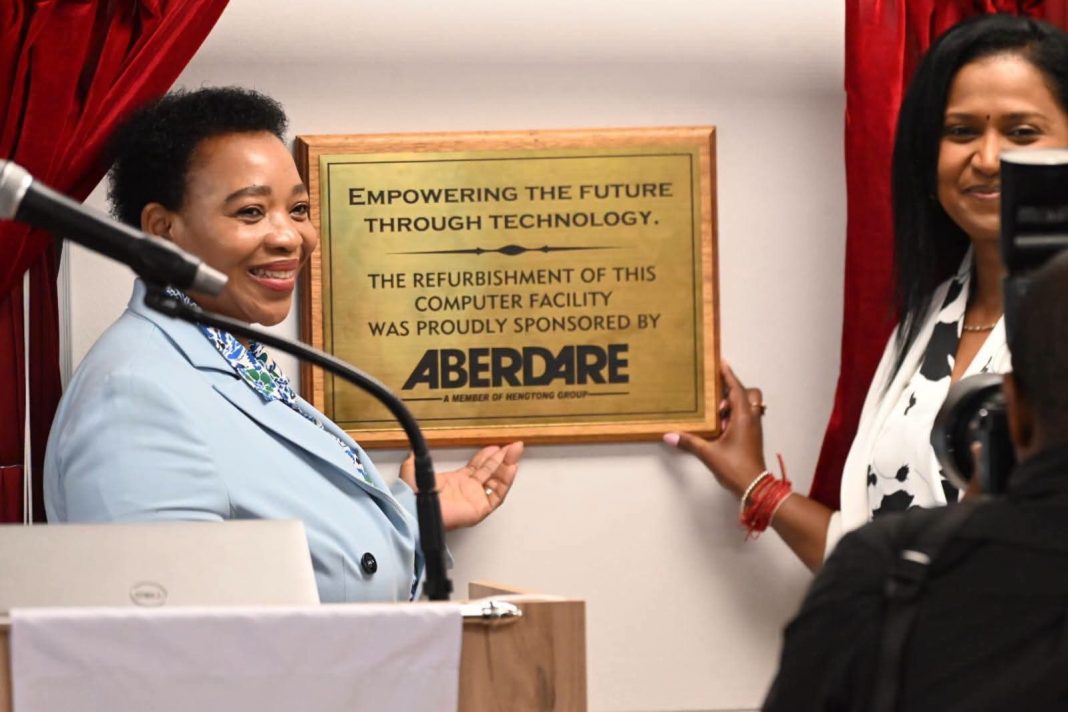
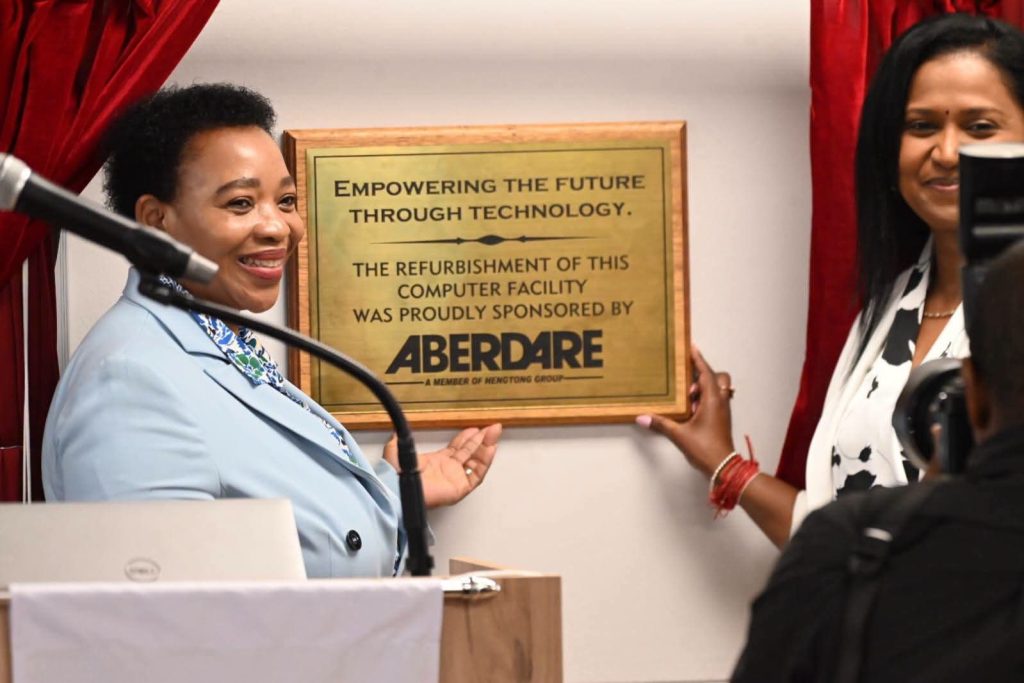
The newly upgraded AberTech LAN was officially launched on Wednesday, providing students with modern workstations, 175 new network access points, upgraded projection systems and improved lighting to support teaching and learning.
ALSO READ: WATCH LIVE: Transport sector stakeholders explore future readiness at Dialogue 2026
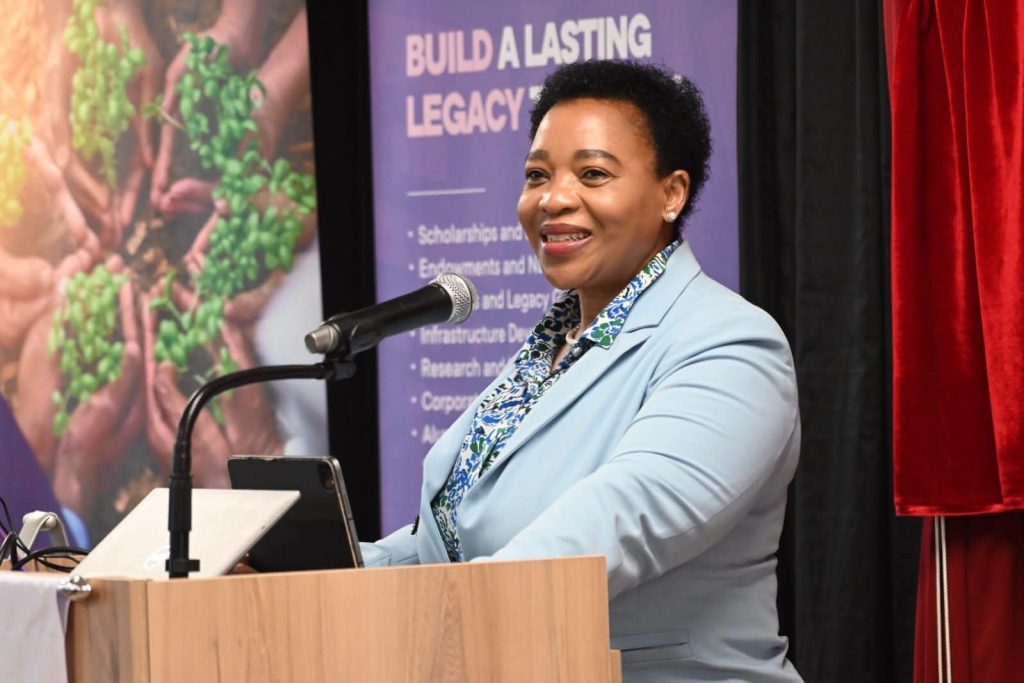
Speaking at the launch, Dube-Ncube, representing Higher Education and Training Minister Buti Manamela, said partnerships between universities and industry were essential to ensuring graduates acquired skills relevant to the needs of employers.
She welcomed Aberdare Cables’ investment, saying the company’s existing partnership with UKZN, which included bursaries for engineering and information and communications technology students, had now expanded to infrastructure development.
“We particularly welcome Aberdare’s view that this is a foundational step towards a broader, long-term engagement. That is exactly the kind of partnership our post-school system needs,” she said.
Dube-Ncube said the improved laboratory would give students access to modern technology, helping them develop practical skills needed in an increasingly technology-driven economy.
“A student who learns on outdated machines risks graduating with outdated skills. A student who models, simulates, codes and designs on current systems enters the workplace ready to contribute from the first day,” she said.
She urged the company and the university to build on the investment by creating work-integrated learning opportunities, internships and workplace placements for students.
According to Dube-Ncube, such opportunities would help connect classroom learning with practical experience while enabling employers to contribute to the development of graduates with the skills their industries require.
“When a cable manufacturer invests in a computer laboratory, it is investing in its own future workforce, and in the energy security of our nation: the grids, the renewable energy projects and the transmission networks that will power South Africa’s growth,” she said.
In his 2026 State of the Nation Address, President Cyril Ramaphosa placed the Skills Revolution at the centre of the country’s development agenda and directed the ministers of finance and higher education to develop a proposal for more universities and TVET colleges with specialised areas of focus.
Dube-Ncube said the Department of Higher Education and Training’s 2026/27 Annual Performance Plan also prioritised expanding access, improving educational quality and making institutions more responsive to the economy.
ALSO READ: Franklin D Roosevelt Primary principal sanctioned over R5,000 ‘payment demand’
“Partnerships like this one are how those commitments become real,” she said.
Aberdare Cables, a supplier of energy interconnection products and services, operates three manufacturing sites in South Africa, located in Pietermaritzburg, Gqeberha and Gauteng. The company also has customer service centres across the country and in Maputo, Mozambique.
Dube-Ncube said modern infrastructure was increasingly important as artificial intelligence and technological developments changed the skills required in the workplace.
“In an age of artificial intelligence and rapid technological change, South Africa cannot compete with yesterday’s tools. The young people who sit at these 163 workstations will write the code, design the systems and lead the breakthroughs that place our country among the innovators of the world,” she said.
She also called on UKZN to ensure the laboratory remained functional through regular maintenance, software licensing and the replacement of ageing equipment.
“In the spirit of the Batho Pele principle of value for money, every rand invested, whether public or private, must deliver lasting value,” she said.
Addressing students, Dube-Ncube urged them to take responsibility for protecting the upgraded facility and ensuring it benefited future generations.
“This facility is yours, but it is not only yours. It was built for you and for those who will come after you,” she said.
She further called for safe and inclusive university environments, highlighting gender-based violence and femicide as ongoing national challenges. She urged students, particularly young men, to promote respect and equality on campus.
ALSO READ: Heatwave grips SA as temperatures soar towards 40°C
Dube-Ncube also addressed tensions following UKZN’s Student Representative Council elections, including an incident at the Westville campus in which staff members were injured.
She said disagreements should be resolved through dialogue, institutional processes and the law, rather than violence or intimidation.
“Violence against the staff who keep our campuses safe is unacceptable,” she said.
The deputy minister concluded by encouraging more businesses to invest in higher education and establish partnerships that support students beyond their academic studies.
“Our people say: umuntu ngumuntu ngabantu. A person is a person through other people. Today Aberdare Cables, UKZN and government have shown what that means in practice. I call on more industry partners to follow this example,” she said.