
By Charmaine Ndlela
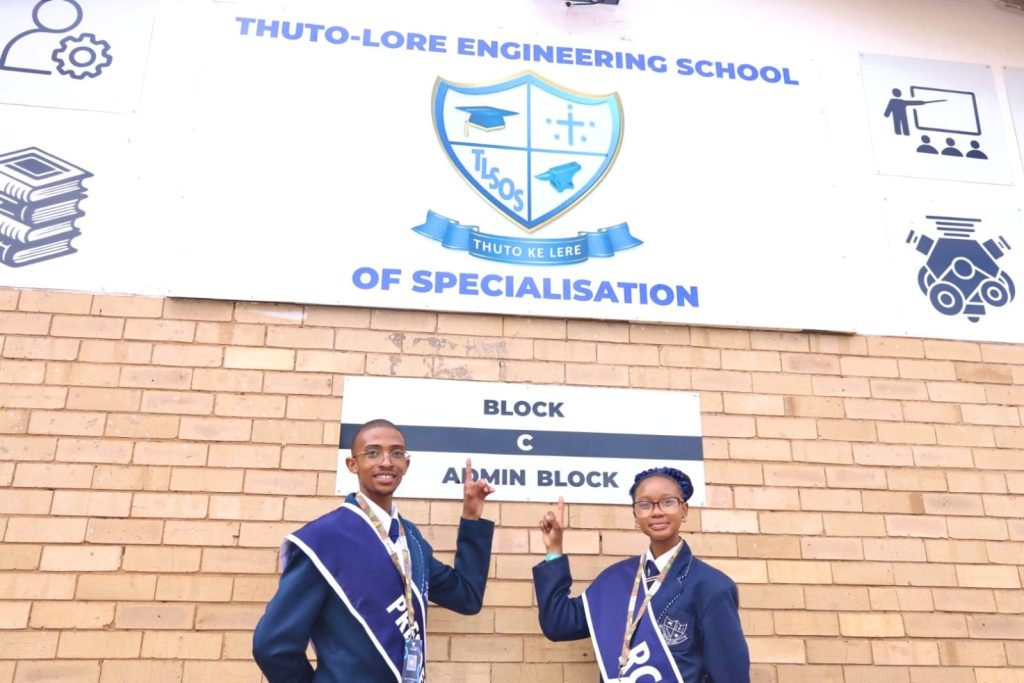
Gauteng MEC for Education Matome Chiloane has officially launched the Thuto-Lore Engineering School of Specialisation (SOS) in Sharpeville, marking another step in the province’s effort to modernise education and equip learners with future-ready skills.
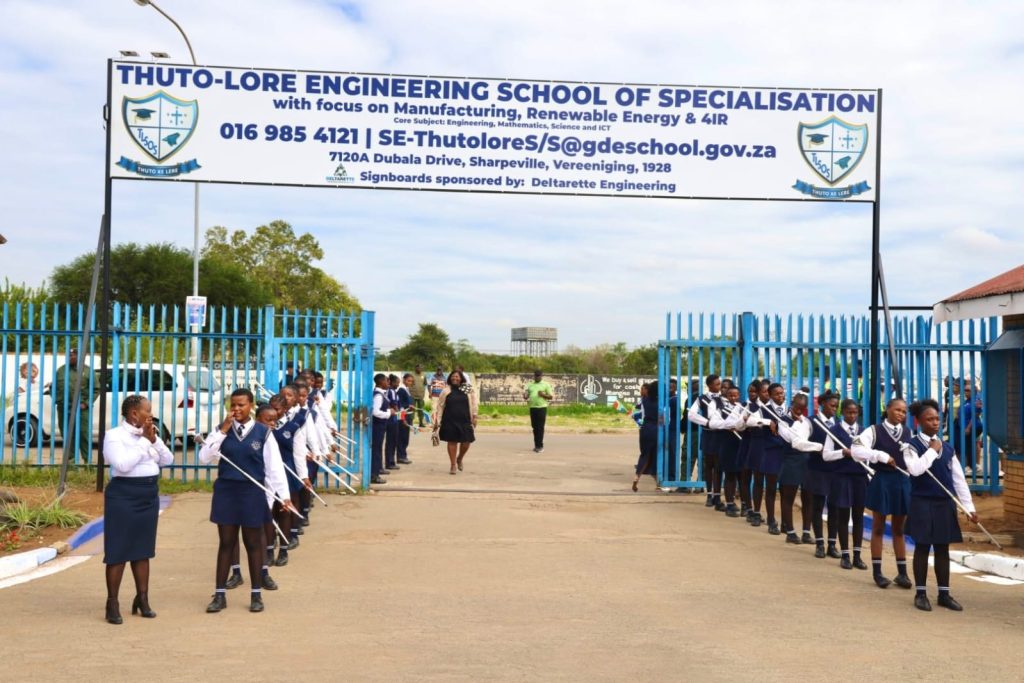
The specialised school will focus on manufacturing, renewable energy and the Fourth Industrial Revolution (4IR), aligning with the province’s broader goal of preparing learners for emerging industries.
ALSO READ: Matric results battle heads back to court: Privacy vs public access
The launch forms part of Gauteng’s Schools of Specialisation programme, introduced a decade ago as an ambitious initiative to transform and modernise the curriculum while addressing critical skills shortages in key sectors of the economy.
With the addition of Thuto-Lore Engineering SOS, Gauteng now has 37 Schools of Specialisation aimed at unlocking the talents of high-potential learners while contributing to innovation and economic growth in the province.
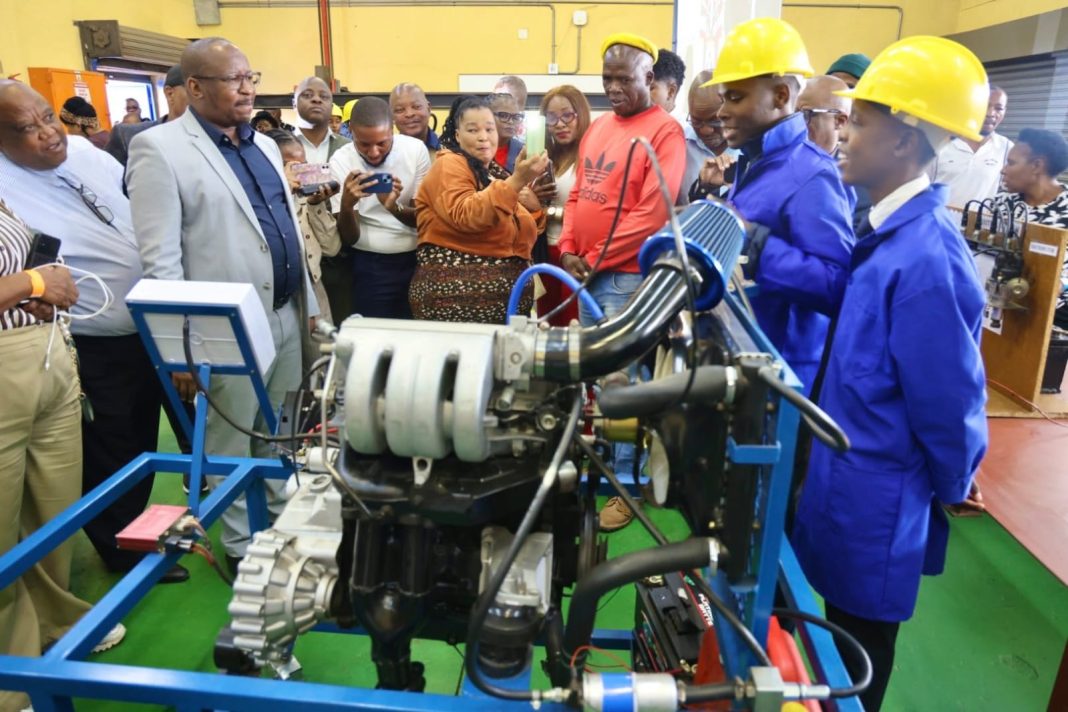
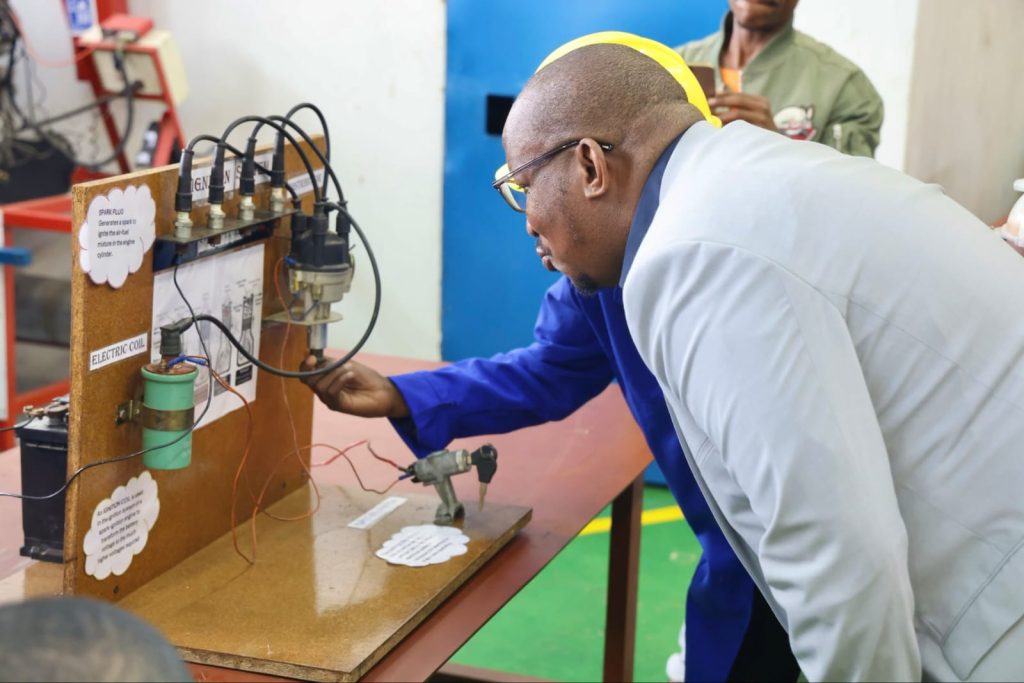
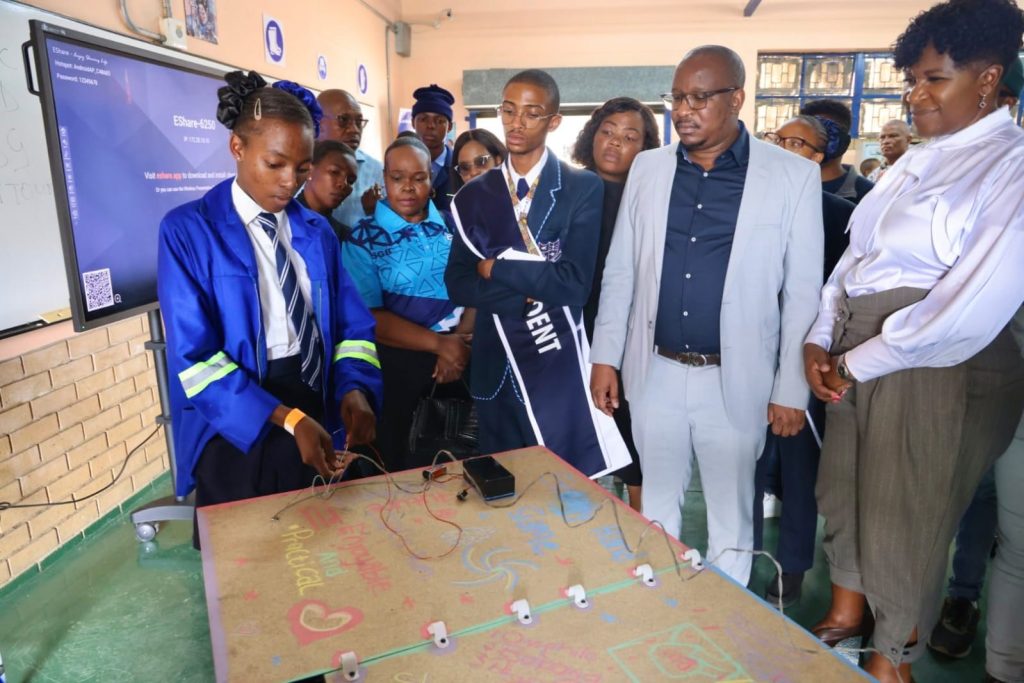
During the launch, learners showcased several innovative projects. Among them were a Smart Walking Stick and Smart Glasses designed for visually impaired people. The devices use smart sensors that detect nearby obstacles and emit sound alerts to help users navigate safely.
Grade 12 learners Njabulo Napane and Phiello Mahanke also demonstrated an Artificial Robot Waiter designed to support contactless and wireless delivery services.
ALSO READ: Fumes at Wentworth school linked to container-cleaning operation
The projects highlighted the practical skills learners are developing through the specialised curriculum and underscored the role township schools can play in producing future-ready innovators.
Thuto-Lore Comprehensive School, established in 1983 as a public ordinary school, was founded with the foresight of integrating technical subjects supported by the construction of dedicated workshops.
While the school initially focused on the general academic stream, its vision was redefined in 2019 to align with the National Development Plan (NDP), ensuring that skills-based education became a central pillar of its offering.
In 2022, welding was formally introduced as a subject alongside paving, fitting and machinery, with the Vocational Orientation Curriculum (VOC) incorporated at Grade 8 and 9 level.
Learners have since actively participated in engineering programmes and skills competitions, sharpening their technical expertise while opening pathways to future employment and entrepreneurship. The school currently has 1,445 learners.
Thuto-Lore had long been part of the Secondary School Improvement Programme (SSIP), but in 2024 the school transitioned beyond its SSIP status after achieving consistent and sustainable academic progress.
ALSO READ: Social development targets Eastern Cape in push to lift orphan grant uptake
The school achieved 98.2% matric national senior certificate pass rate in 2024 and 92.4% in 2025 with learners dominating technical competitions.
Chiloane said the launch marks an important milestone for the province’s education system.
“Today’s launch of Thuto-Lore marks the second School of Specialisation in Sharpeville after the launch of Mohloli Maths, Science and ICT SOS with a focus on Maritime Science. As the 37th School of Specialisation in Gauteng, it stands as a beacon of excellence, skills development, innovation and opportunity dedicated to manufacturing, renewable energy and the Fourth Industrial Revolution,” he said.
He added that the school will continue to nurture leaders, innovators and problem-solvers who will contribute to South Africa’s growth and transformation.
Meanwhile, the Ministry of Higher Education and Training says government is strengthening coordination across the post-school education and training sector to improve skills development and workforce readiness.
The department has committed to publishing consolidated data on training provided through Sector Education and Training Authorities (SETAs) and establishing a Skills Observatory to better track workforce development outcomes.
The transformation was made possible through support from corporate and community partners, including Deltarette, Eskom, Air products, Afrimat, Dr Malan high school and Seriti mines.