
By Johnathan Paoli
The Democratic Alliance has called for an urgent, province-wide audit of school kitchens in the Eastern Cape following 160 learners falling ill after eating a meal provided under the National School Nutrition Programme (NSNP) at Gobizizwe Agricultural High School in Mthatha.
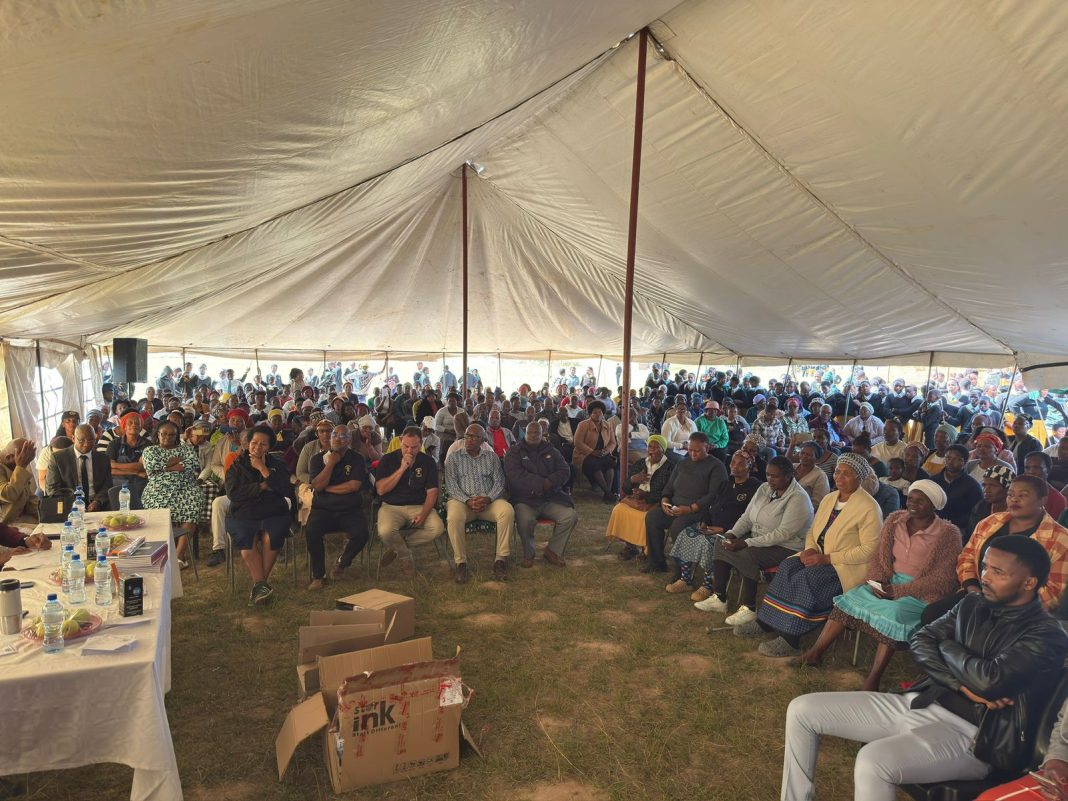
DA education spokesperson Horatio Hendriks led an oversight inspection at the school on Monday. He was accompanied by DA agriculture spokesperson Heinrich Muller, OR Tambo constituency leader Mlindi Nhanha and Phesheya Kwenciba constituency leader Fezeka Mbiko.
They met parents, teachers and officials during a school briefing session.
“The fear and frustration expressed at the venue were palpable. Families want simple answers to urgent questions. They want to know that tomorrow’s meal will be safe, that their children will be protected, and that the system will not fail them again,” Hendriks said in a statement.
The DA will table a motion in the provincial legislature on Thursday, demanding a comprehensive audit of all school kitchen infrastructure and facilities.
It said the review must include compliance with municipal health and safety by-laws, clear timelines for completion, public reporting of findings and a detailed action plan to fix non-compliant facilities.
The call comes amid growing alarm among parents after the outbreak, which saw children rushed to hospitals. They had diarrhoea, abdominal pain, dizziness and seizures, and many were vomiting.
According to the provincial health department, 169 cases were recorded between 12 and 15 August.
Most learners became ill on Wednesday, 13 August, shortly after eating a meal of rice and tinned fish, although a separate internal health department report noted that another school meal during the same week containing samp, chicken, carrots, beetroot and gravy was also consumed by affected pupils.
Emergency medical services, the SA Police Services, OR Tambo Disaster Management and environmental health practitioners responded to the incident, transporting learners to Nelson Mandela Academic Hospital, Mthatha General Hospital and the Ngangelizwe Community Health Centre.
Of the 131 initially hospitalised, 128 were discharged within 24 hours, while three remained under observation.
Although environmental health inspectors found the school kitchen and serving areas in “acceptable condition” at the time of inspection, samples of the food and environmental surfaces were collected for laboratory analysis. Results are still pending.
Hendriks said the lack of immediate, transparent communication left families anxious and forced to speculate.
“These facts underscore the need for rapid, transparent testing and public reporting so that parents are not left in the dark,” he said.
The DA criticised the education department for what it described as “shifting the burden” onto under-resourced schools to upgrade kitchens using limited NSNP funds.
“The department must accept responsibility for providing safe, compliant and fit-for-purpose kitchen infrastructure at all qualifying schools. Where infrastructure is lacking, the department must budget, build and certify,” Hendriks said.
He added that if the outbreak was linked to food handling rather than external contamination, all school kitchen workers should immediately receive basic health and safety training as well as appropriate personal protective equipment.
Supplier and storage compliance also needed to be verified across the district, with any non-compliant providers suspended.
The DA called for improved protocols in the aftermath of such incidents to ensure adequate specimen collection.
During the oversight visit, the party donated stationery to support the academic needs of Gobizizwe learners.
Meanwhile, the provincial health department has urged patience as investigations continue.
INSIDE EDUCATION