
By Johnathan Paoli
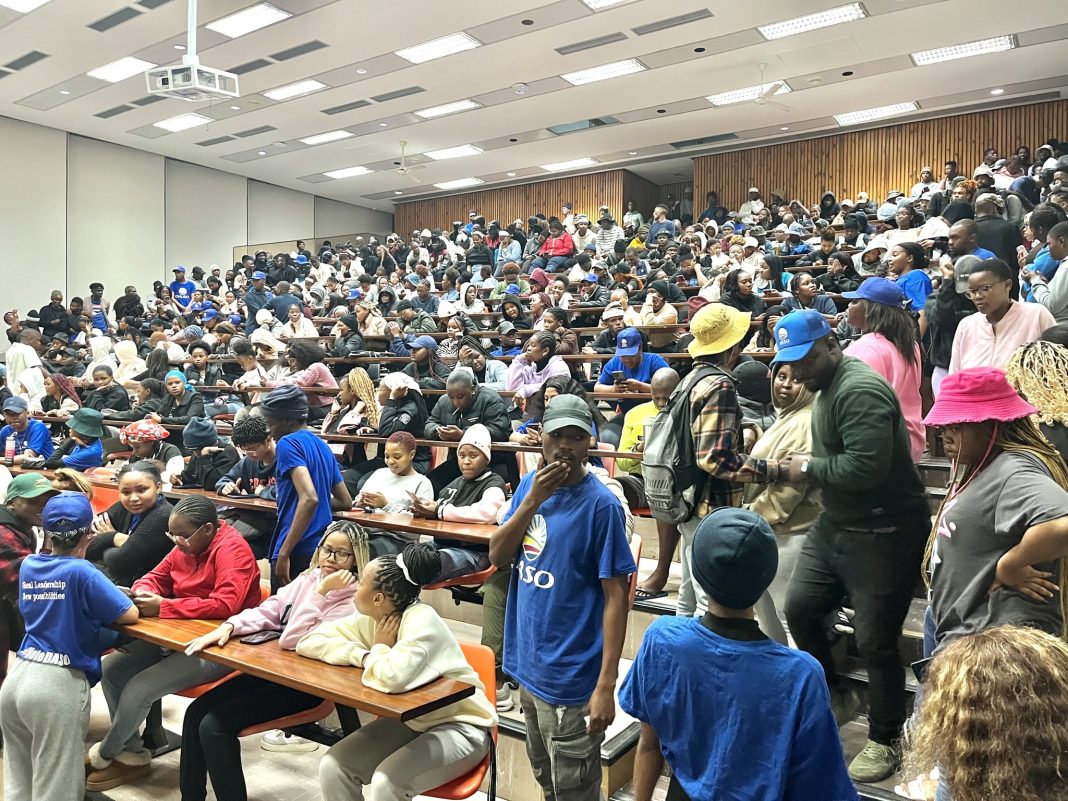
The Democratic Alliance Student Organisation (DASO) has condemned the forced lockout of students from their residences at Tshwane South TVET College in Pretoria West, calling the situation “inhumane and unacceptable”.
The lockout followed a payment dispute of more than R9 million between the Foundation Residence, in Pretoria, and the National Student Financial Aid Scheme (NSFAS).
“Education cannot take place under conditions of homelessness and insecurity. We call upon all stakeholders to urgently act in the best interests of the students, who should never have to bear the brunt of institutional and administrative failures,” DASO’s Deputy Chairperson of Administration, Lizwi Mneno, said.
The lockout left students stranded outside their residence, with some being forced to seek alternative shelter while others reported having to sleep in unsafe conditions.
At the centre of the dispute is NSFAS’s funding model, which channels accommodation allowances directly into students’ bank accounts rather than to service providers.
While the policy was intended to give students greater control over their allowances, it has instead created delays and disputes between landlords and students, with some residence providers refusing to accommodate NSFAS beneficiaries until full payments are received.
Mneno said that the payment backlog has left many students across the country vulnerable, as similar incidents have been reported at other institutions.
The student organisation called for several measures to address the crisis, including that:
- — NSFAS take full accountability for the accommodation crisis and immediately resolve payment backlogs.
- — Residence providers at Tshwane South TVET College urgently revisit their approach and reopen their doors to accommodate students who have been unjustly locked out.
- — Accommodation fees be directly paid to residence providers, not students, to prevent disputes and ensure stability.
- — The Minister of Higher Education intervene to ensure NSFAS reforms its inconsistent funding model, which continues to jeopardise students’ dignity, safety and education.
NSFAS has previously defended its direct payment system, saying it aims to reduce fraud and ensure funds reach the intended beneficiaries.
Earlier this month, the funding scheme announced that it will unveil a new student accommodation framework by the end of October, which will address persistent problems such as delayed disbursements, unpaid landlords, and students being left without housing.
At a media briefing in Pretoria, Acting NSFAS CEO Wasseem Carrim said the scheme is reviewing its accommodation system to strengthen policy, internal controls, and business processes, stressing that NSFAS did not want to pass the student accommodation function around like a football.
The Private Student Housing Association previously raised concerns about NSFAS paying rent money directly to students, sometimes resulting in misuse of funds and evictions.
The scheme has urged landlords to adhere to payment guidelines during the transition.
At Tshwane South TVET College, the lockout has disrupted academic activities for affected students, with some missing classes and tests due to the uncertainty around their living arrangements.
The Foundation Residence has not yet publicly responded to DASO’s call to reopen the facility.
INSIDE EDUCATION