
By Johnathan Paoli
The Gauteng education department says its committed to transparency, accountability and collaboration with stakeholders to ensure safe, well-managed learning environments across the province.
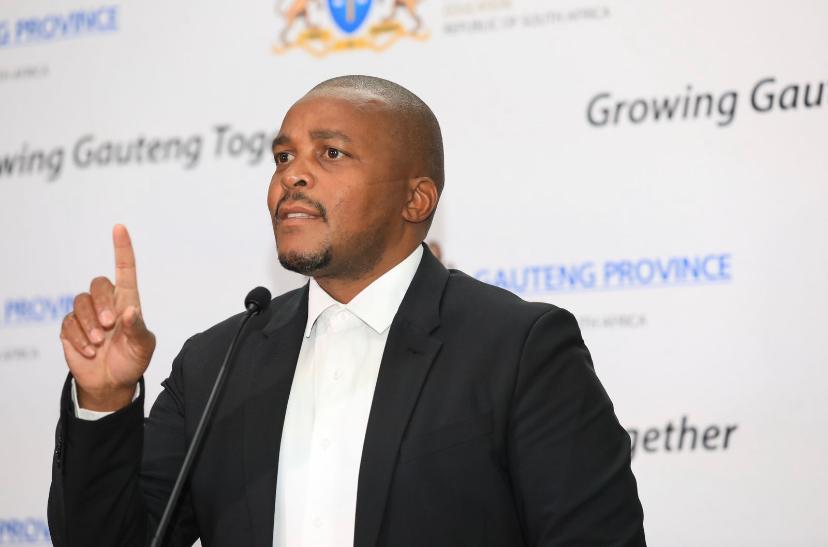
Issuing an update addressing critical issues affecting three distinct areas, spokesperson Steve Mabona maintained on Monday that the department was dedicated to upholding education standards despite the challenges it was currently navigating.
“The Gauteng department of education remains resolute in its mission to provide quality, inclusive and responsive education to all learners in the province.
“These issues are being attended to with the necessary diligence, and the department continues to work collaboratively with school communities, school governing bodies (SGBs) and relevant stakeholders,” Mabona said.
The department responded to serious allegations of misconduct at the Unity Secondary School in Benoni.
In November last year, a complaint was lodged by an applicant who alleged they were asked to deposit R17,000 into a teacher’s bank account in exchange for a teaching post.
Mabona confirmed that the accused teacher denied the claim, and due to the complainant’s lack of cooperation, the case was closed for insufficient evidence.
Further concerns were raised regarding a reported R450 annual contribution allegedly being demanded by parents to access learner report cards.
Mabona clarified that the fee was a voluntary donation, approved at the school’s annual general meeting, with flexibility for parents to contribute according to their means.
This practice complied with Section 37(1) of the South African Schools Act.
To address governance concerns, including SGB access to financial records, the department conducted financial management and governance training at the beginning of April, followed by a capacitation workshop by the national Basic Education department on 12 April.
Since then, all SGB members have been given access to financial statements and communication channels have been strengthened.
Academically, the school has seen a decline in its matric pass rate, dropping from 98% in 2020 to 86% in 2024.
In response, the department has introduced Professional Learning Communities, which is teacher training in key subjects and curriculum support from subject advisors.
Learners are being supported through the Secondary School Intervention Programme, Saturday and holiday classes, and residential study camps.
Mabona confirmed that staffing vacancies include two departmental head posts and one deputy principal post, which would be advertised mid-year, and expected to be filled by August.
He said the school principal’s qualifications have been verified and no disciplinary action was pending.
Allegations of death threats against staff led to temporary relocation to the district office late last year, but with no evidence provided, affected staff have since returned to the school.
The department also addressed the fire that broke out at Riverlea High School on 27 April, causing extensive damage.
Mabona said the cause was currently under investigation by the South African Police Service’s forensic unit.
To ensure minimal disruption to learning, four mobile classrooms were delivered to the school at the beginning of May.
Repairs were scheduled for the 2025/2026 financial year at an estimated cost of R2.5 million.
No funding has been made available yet as procurement processes are ongoing.
He said fire safety measures have been implemented, including the delivery of fire blankets and first aid kits, and the school has conducted basic firefighting training for learners and staff.
However, a fire alarm system is not yet installed due to financial constraints.
Mabona stated that collaboration with Johannesburg’s Emergency Management Services was planned for the second quarter to train the school safety committee.
Firefighting equipment, which was last serviced in May last year, was due for re-servicing by the end of the month.
Addressing other concerns, the department confirmed that funding to schools of specialisation has been reduced due to broader budget constraints.
However, Mabona maintains his department’s commitment to supporting specialised subjects aligned with each school’s approved business plan.
All state-employed educators’ salaries and infrastructure needs (excluding minor maintenance) continued to be covered.
Schools were expected to supplement funding through Section 36(1) of the Schools Act, enabling SGBs to raise additional resources.
Equipment and other specialisation costs may be covered by school allocations or external sponsorships.
While schools were encouraged to seek donor funding, Mabona said the department did not track these details directly.
As public entities with legal autonomy under Section 15 of the Act, schools managed their own budgets and contractual agreements.
The department maintains that there are no systemic shortfalls and that additional funding requirements must be addressed by the schools themselves.
INSIDE EDUCATION