
By Charmaine Ndlela
The Gauteng Department of Social Development plans to establish a working group with cultural practitioners to strengthen child protection, as the province balances the preservation of traditional practices with children’s rights.
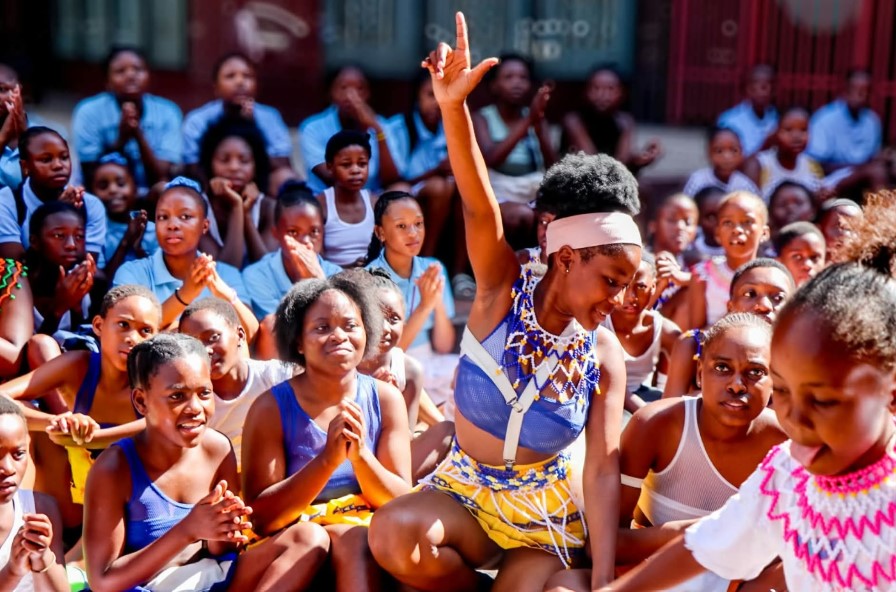
According to Gauteng Nomkhulwane chairperson Gugu Shezi, about 11,000 children in the province belong to Amatshitshi groups, demonstrating the growing presence of the cultural practice beyond its traditional roots in Zulu communities.
Shezi said the groups comprise girls aged between eight and 16, with virginity testing only beginning at the age of 16. She also highlighted that Gauteng has a significant number of maidens, with numbers exceeding those in KwaZulu-Natal.
In her keynote address, Nkomo-Ralehoko said African culture remained an important part of people’s identity, social organisation and values, but stressed that traditions must adapt to changing times without compromising children’s rights.
“As Africans, we must never be apologetic about practising our culture. Our traditions are an important part of our identity, social organisation and values. They have been passed down through generations and must continue to be preserved,” Nkomo-Ralehoko said.
“However, culture must also respond to changing times without compromising the rights and dignity of children.”
She acknowledged that cultural practices could play a constructive role in guiding young people and addressing social challenges, including teenage pregnancy, but maintained that children’s safety must remain a priority.
“The Children’s Act 38 of 2005 places the best interests of the child at the centre of everything we do. The Act specifically protects children from harmful social, cultural and religious practices. We must therefore find common ground between preserving our heritage and fulfilling our responsibility to protect children,” she said.
The MEC said traditional leaders and caregivers played an influential role in shaping the values, behaviour and decisions of young people, making their involvement critical in promoting responsible cultural practices.
She said the working group would provide a formal platform for continued engagement between government and cultural practitioners, allowing stakeholders to develop practical measures to strengthen child protection within traditional settings.
Social workers will also be involved in monitoring the work of the organisations and providing support to ensure that children’s rights, safety and dignity are upheld.
The campaign is informed by Section 12 of the Children’s Act 38 of 2005, which addresses the protection of children from harmful social, cultural and religious practices.
It seeks to ensure that children’s participation in cultural activities is voluntary, appropriate to their age and based on informed consent, without force, threats, manipulation or undue pressure.
The department said it aims to use the campaign to strengthen prevention and early-intervention services by addressing challenges affecting adolescent girls, including gender-based violence, substance abuse, peer pressure, risky behaviour and limited access to positive role models.
INSIDE EDUCATION