
By Johnathan Paoli
Basic Education Minister Siviwe Gwarube has stressed the importance of long-term investment in education as fundamental to the legacy of Nelson Mandela, calling for stronger partnerships between her department, business and civilians to improve the living conditions for millions of children.
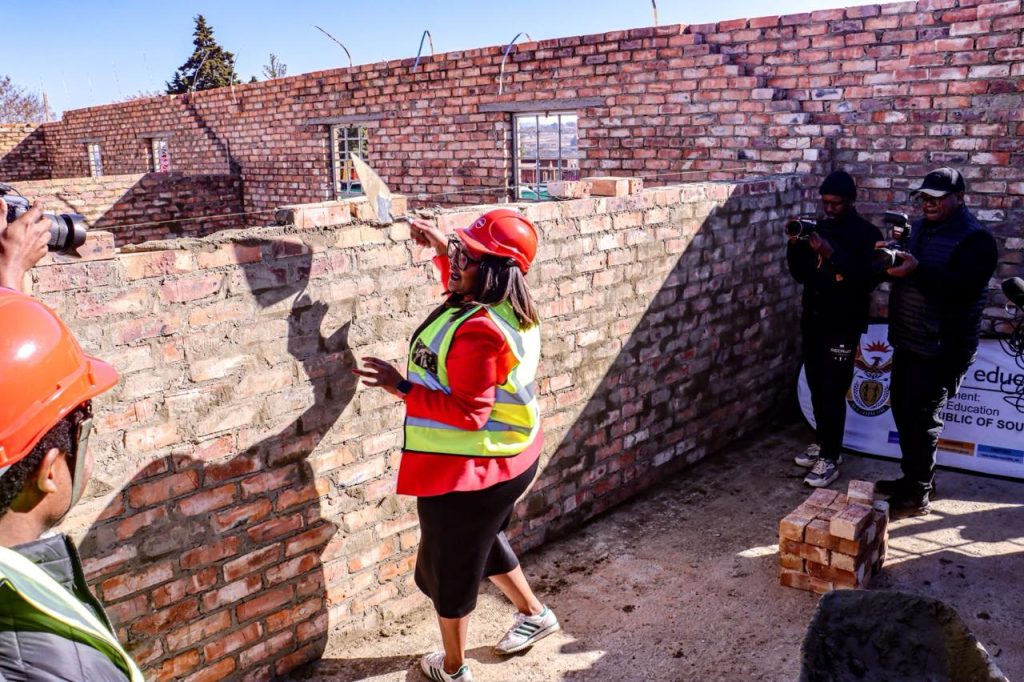
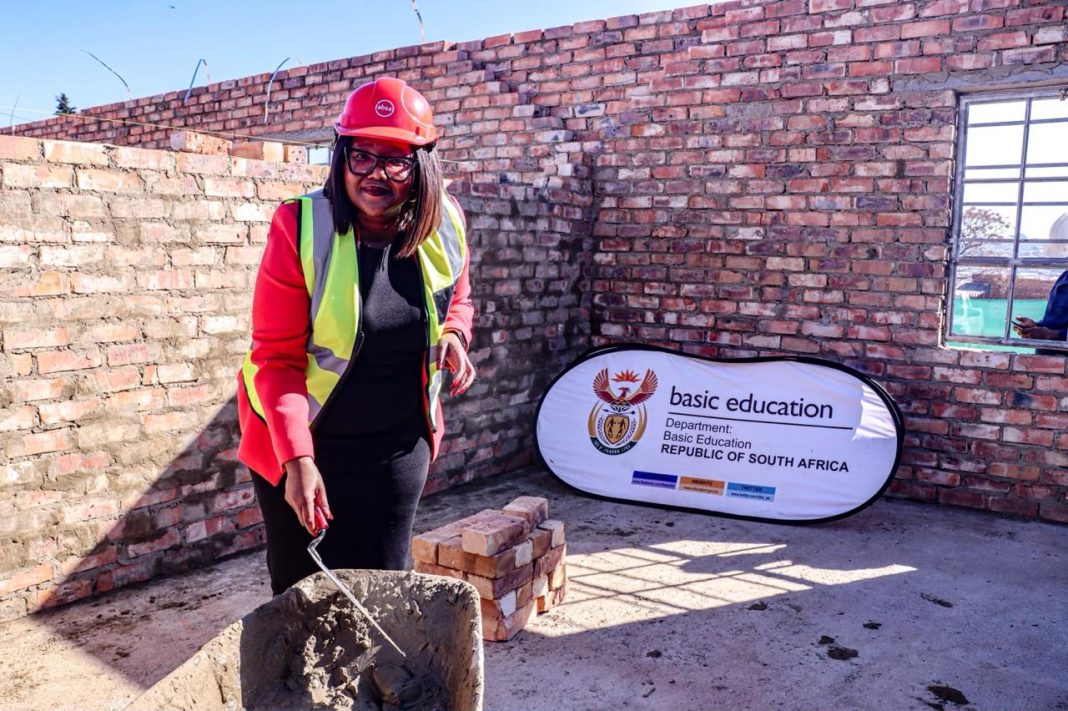
Delivering her keynote address at the launch of new classrooms at the Giyani Primary School in Soweto on Saturday, Gwarube said Mandela Day should be remembered not for symbolic gestures but for investments that leave a lasting impact.
“Mandela Day should leave more than a memory; it should leave communities stronger. These classrooms will provide additional space for teaching and learning and demonstrate what becomes possible when government, business and communities act around a shared purpose,” she said.
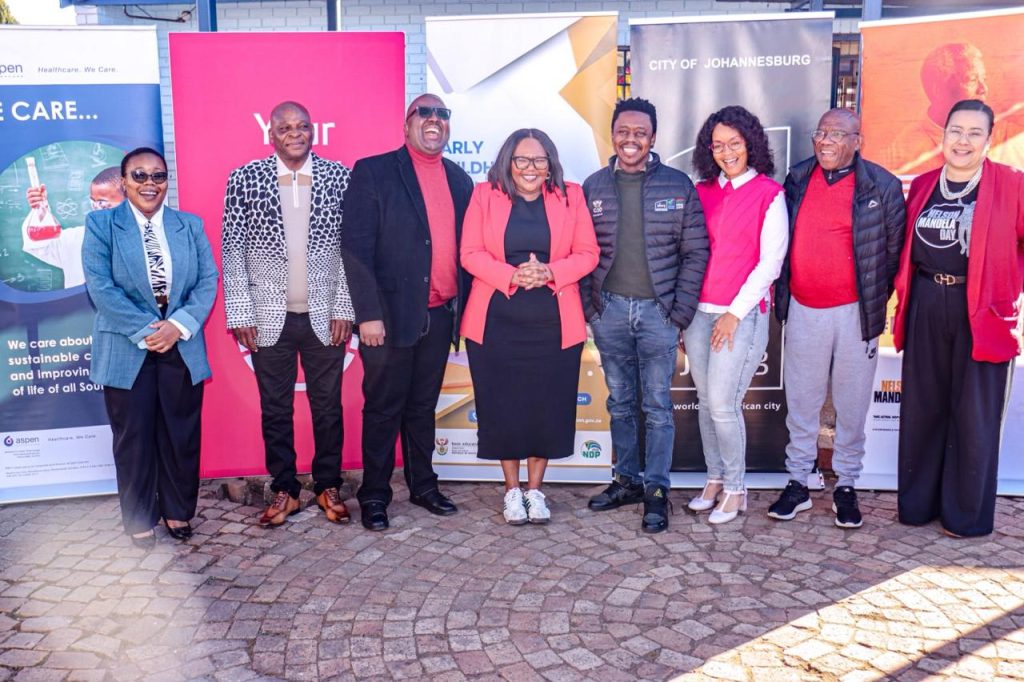
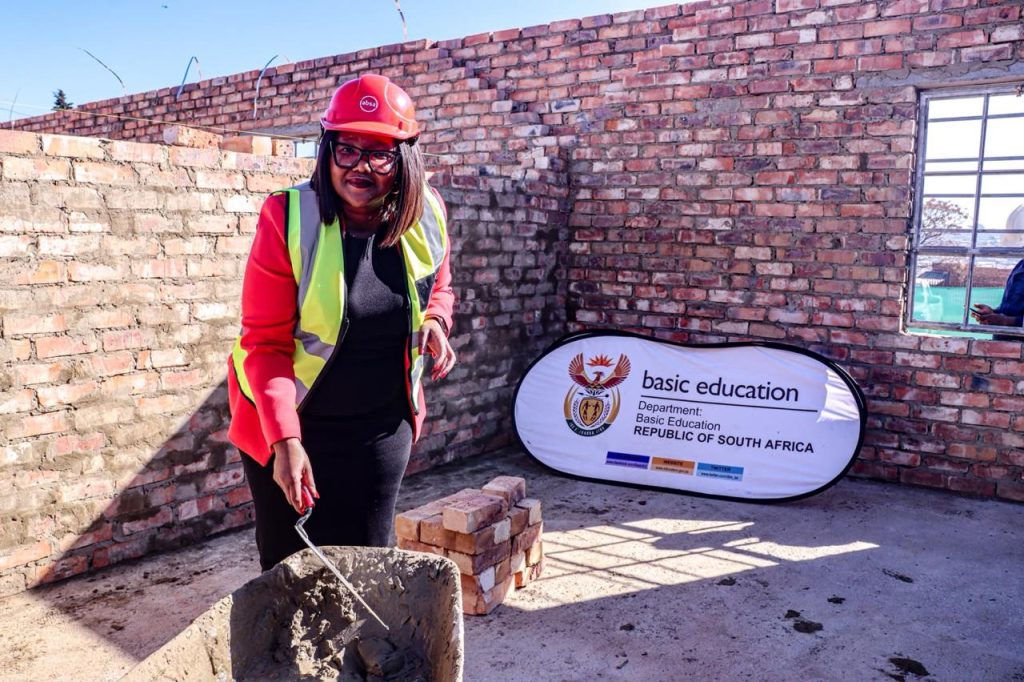
The event marked the handover of a new classroom block funded by Absa through the Ride4Hope Foundation’s Classrooms for Hope initiative, while Aspen announced an additional R500,000 contribution towards the construction of a science laboratory at the school.
Gwarube stressed that such partnerships should strengthen, rather than replace, the government’s responsibility to fund education.
“Partnerships of this kind must complement public investment and respond to the real needs of schools. Every child deserves a safe and appropriate learning environment in which strong foundations can be built,” she said.
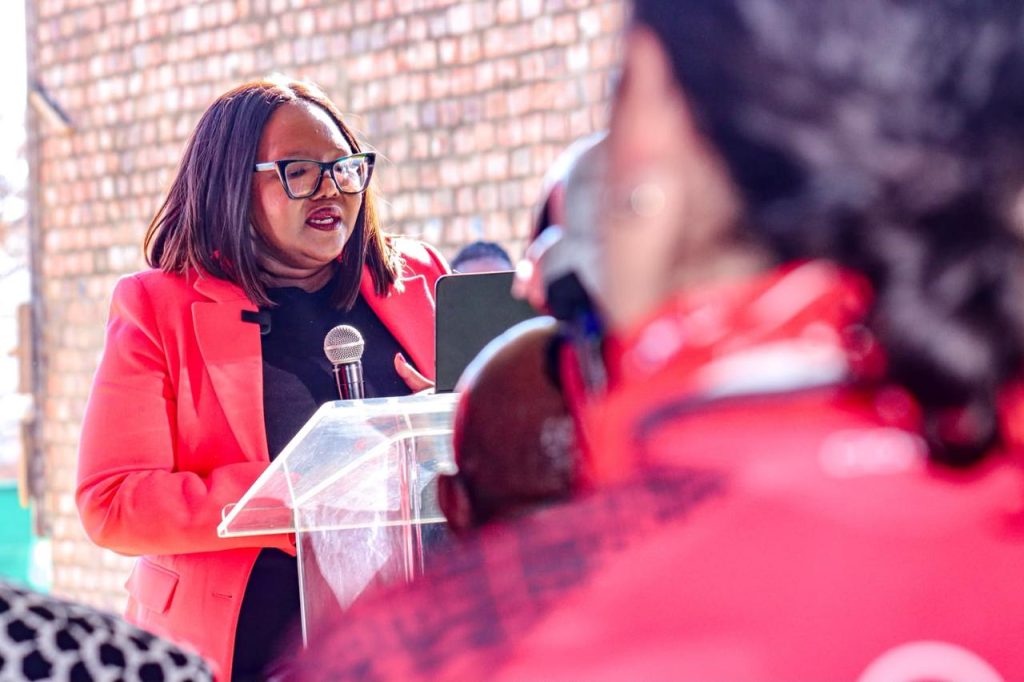
Reflecting on the significance of the occasion, Gwarube said the initiative embodied the true meaning of Mandela Day.
“To be able to really change the lot of these children’s lives is exactly what Mandela Day is all about. It is about not only just remembering the service and sacrifice that Madiba gave to us, but it is ensuring that we move beyond just commemorating and we move towards action,” the minister said.
“The action is about ensuring that the 13.7 million children in this country have a much better future than they inherited,” she added.
The minister also highlighted her department’s efforts to strengthen early childhood development, noting that more than 15,000 early childhood development centres have now been registered, serving approximately 1.2 million children as part of the government’s drive to improve literacy and school readiness.
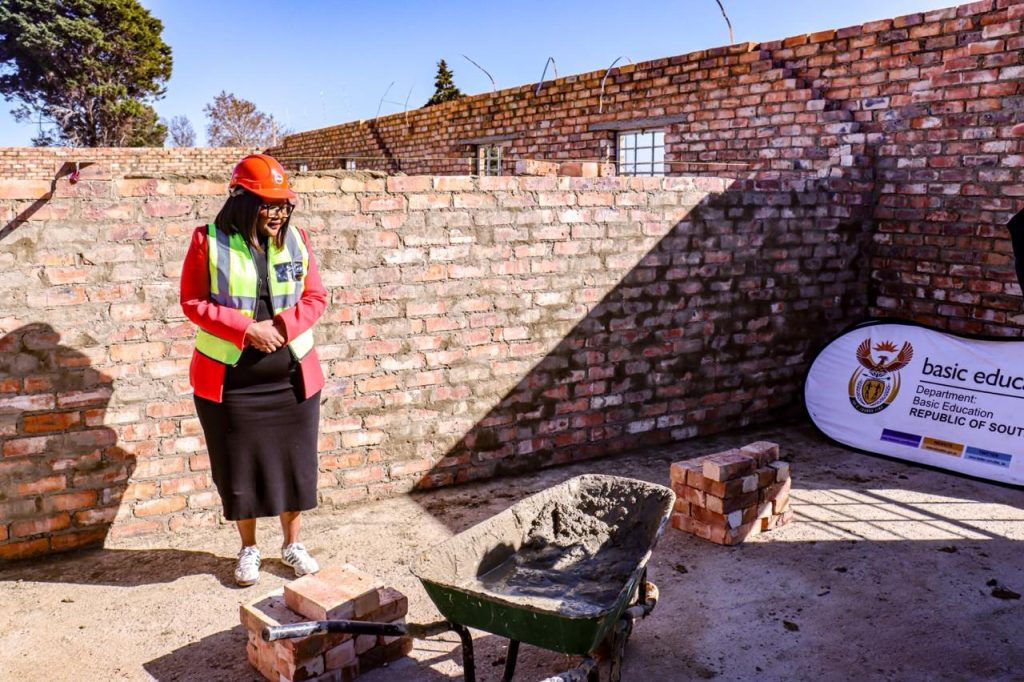
Concluding her address, Gwarube challenged communities to protect the new facilities and continue building on Nelson Mandela’s legacy.
“The true measure of Mandela Day is not only what we do for 67 minutes, but what remains because we acted. Every classroom built, every teacher supported and every learner given a better opportunity brings us closer to Strong Foundations for Strong Futures,” she said.
Absa Managing Executive for Corporate Citizenship Setlogane Manchidi said the banking group viewed Mandela Day as an opportunity to translate purpose into practical action by investing in education.
“As we celebrate Utata and his legacy, we must remember what his biggest lesson was, which is that that which I do for myself alone shall die with me. But that which I do with others on behalf of others shall remain a long-lasting legacy, long after I have passed,” Manchidi said.
He said education remained one of the most effective tools for creating economic opportunity.
“There are two key ways, really, that we can enable people to become active economic participants in society. And that is through entrepreneurship and undeniably through education. If we get these two right, you really would have touched the future in a way that none of us can actually see,” he said.
Speaking on behalf of the Nelson Mandela Foundation, attorney Tamryn Sass said this year’s Mandela Day theme challenged South Africans to actively confront poverty and inequality.
“Today’s classroom handover is about more than bricks; it’s an opportunity, a message to every learner that they matter and their future matters,” Sass said.
She said the Classrooms for Hope initiative had delivered nearly 50 classrooms nationwide over almost a decade, demonstrating the value of sustainable investment over one-day commemorations.
Ride4Hope Foundation representative Nosipho Simelane said the classroom project represented a promise to children that their futures mattered regardless of their circumstances.
She traced the initiative’s origins to 2018, when cyclists rode from Nelson Mandela’s former home in Vilakazi Street to his capture site near Howick to raise funds for disadvantaged schools.
Simelane announced that the Classrooms for Hope programme would now expand beyond South Africa into sub-Saharan Africa.
The infrastructure project forms part of a broader partnership between Basic Education, Absa, Aspen, the Nelson Mandela Foundation and Ride4Hope to improve learning environments and expand educational opportunities in underserved communities.
INSIDE EDUCATION