
By Akani Nkuna
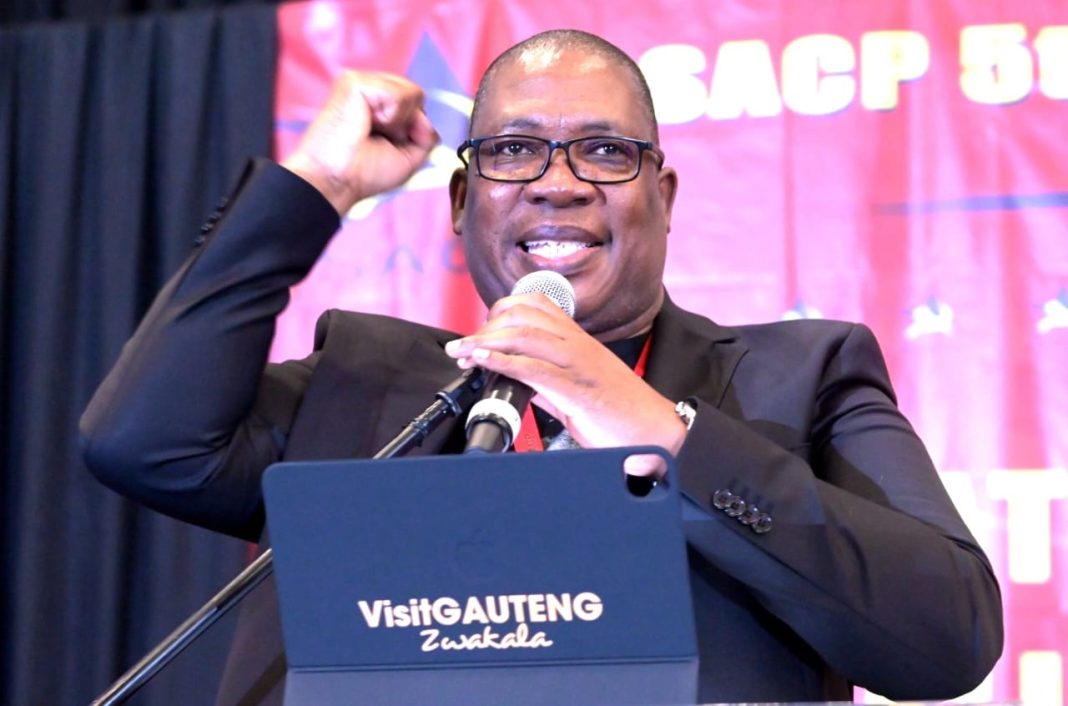
Gauteng Premier Panyaza Lesufi has lambasted the province’s 2025 matric performance, describing its drop from second to third place nationally as unacceptable and calling for urgent intervention.
Speaking at the provincial matric results awards ceremony in Centurion on Tuesday, Lesufi warned that without swift corrective measures, Gauteng risks reversing gains made in recent years.
“This is not the standard for Gauteng. This is not where we should be, considering the resources we invest in education. There is no way we can be happy with position three,” Lesufi said.
“This kind of performance is not ideal and is not acceptable. We need to find a way forward. If we do not change the system, we risk falling even further. We must rework and reengineer it.”
Gauteng was overtaken by the Free State despite achieving its highest-ever matric pass rate, improving from 88.4% in 2024 to 89.06% in 2025.
While the province recorded an increase, it lagged behind others in terms of growth, particularly when compared with provinces it is traditionally grouped alongside.
Lesufi called for the reprioritisation of the education budget and renewed focus on school infrastructure, warning that shortcomings in these areas had contributed to Gauteng losing its second-place national ranking.
However, he welcomed the narrowing gap between fee-paying and no-fee schools, many of which are located in townships, noting that these schools had delivered strong results.
Lesufi also praised the provincial department’s recruitment strategy, which places some of Gauteng’s best teachers in township schools to ensure equitable access to quality education.
“We are ready to have one equal education system in our country. It should not matter where you study — you can obtain a Bachelor pass in a township school just as you can in a suburban school,” he said.
Addressing the media after the ceremony, Gauteng Education MEC Matome Chiloane echoed the call for a shift in strategy, attributing the slower growth to the province’s inclusive approach towards progressed learners.
Chiloane said the department remains committed to ensuring access to education, even for learners who are not academically inclined — a stance that has affected overall performance.
“Our strategies must change. While our results show an upward trajectory, this year we accommodated a larger number of progressed learners compared to other provinces,” he said.
“We had about 10,000 progressed learners, of whom 55% passed. This shows that we are a system that supports learners to complete their schooling. Our goal is to prevent learners from remaining stuck in the system.”
INSIDE EDUCATION