
By Thapelo Molefe
South Africa’s post-school education system is under unprecedented strain following a record 650,000 matric passes, exposing what Higher Education Minister Buti Manamela has said is a widening gap between success in basic education and limited space at universities.
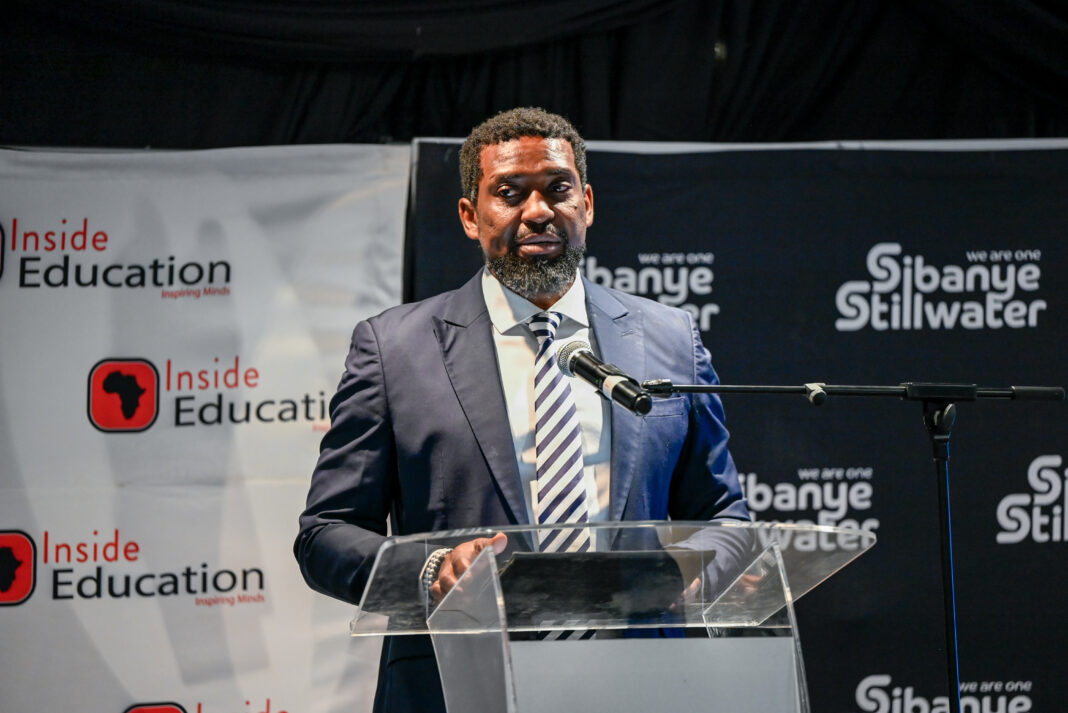
Briefing the media on the state of readiness for the 2026 academic year on Thursday, Manamela acknowledged mounting anxiety among parents and learners locked in admission limbo, but rejected claims that the system is in crisis.
Instead, he warned that an entrenched “university-only” mindset is deepening frustration and distorting public debate about access.
“The narrative that the only option after matric is university is creating a sense of crisis,” Manamela said.
The post-school education and training (PSET) system currently has about 535,000 planned and funded spaces across universities, TVET colleges, community colleges, skills programmes and workplace-based learning.
While this leaves thousands of qualified learners without a university place, Manamela said enrolment targets are deliberately planned to align with economic demand rather than popular pressure.
“We should not fall into the trap of wanting to train 1,000 lawyers just because there is demand,” he said, adding that such thinking amounted to “populism” rather than rational planning.
ALSO READ: Milnerton assault case postponed for victim consultation
He stressed that a Bachelor’s pass does not guarantee admission to a university or to a specific programme, and that high-demand fields such as law, engineering and health sciences are constrained not only by space but by subject preparation, particularly in mathematics and science.
The surge in matric passes, while welcomed as an achievement, has intensified pressure on universities and accommodation systems, with some communities attempting to influence admissions and employment at nearby institutions.
Manamela said this was destabilising and unfair, urging institutions to engage communities without compromising national admission policies.
To manage the pressure, the department is strengthening alternative pathways, including TVET colleges, community colleges, short courses and occupational programmes that allow faster entry into the labour market.
Manamela insisted that TVETs are “not residual options” but a central pillar of the system, particularly in addressing unemployment and skills shortages.
He said Sector Education and Training Authorities (SETAs) would play a critical role in this shift, confirming that new SETA chairpersons have been appointed and that the department will engage boards and executives to ensure their work aligns with national priorities.
Manamela said SETAs must not only support young people who are not in employment, education or training, but also actively fill skills gaps and strengthen pathways that transition learners into work.
ALSO READ: Universities hold the key to early learning turnaround, Manamela tells Lekgotla
Government is also pushing digital expansion to ease capacity constraints, with increased investment in online learning, modular qualifications and workplace-based learning supported through the National Skills Fund.
On student funding, Manamela confirmed that NSFAS will fund about one million students in 2026, including first-time entrants and continuing students who meet progression requirements.
Cabinet has also approved consultations on a new sustainable student funding model, aimed at reducing exclusions without dismantling NSFAS.
“Our system is under pressure, yes,” Manamela said. “But it is not in crisis. It is being reshaped.”
INSIDE EDUCATION