
By Johnathan Paoli
Science, Technology and Innovation Minister Blade Nzimande has called for African universities, particularly historically disadvantaged institutions, to take a leading role in global knowledge production as the world confronts mounting climate and environmental crises.
Delivering the keynote address at the 3rd International Conference on Earth and Environmental Sciences at the Durban International Convention Centre on Monday, Nzimande said the imbalance in the global system of knowledge production had long marginalised African perspectives and expertise.
“While we value collaboration, we do not want our historically disadvantaged universities to be comfortable with simply being consumers of the knowledge that others produce. Universities on the African continent must make their own distinct contribution to the global knowledge project,” he told delegates.
The conference, jointly organised by the University of Zululand and Chang’an University of China, has attracted scientists, policymakers, industry leaders, civil society actors and students from over 70 countries across six continents.
It aims to foster interdisciplinary dialogue, explore innovative ideas and strengthen partnerships on earth and environmental sciences.
Nzimande commended the partnership between the University of Zululand and Chang’an University, noting that it had grown from bilateral academic cooperation into a respected international platform.
He said the collaboration underscored both the importance of cross-border higher education partnerships and South Africa’s long-standing diplomatic ties with China.
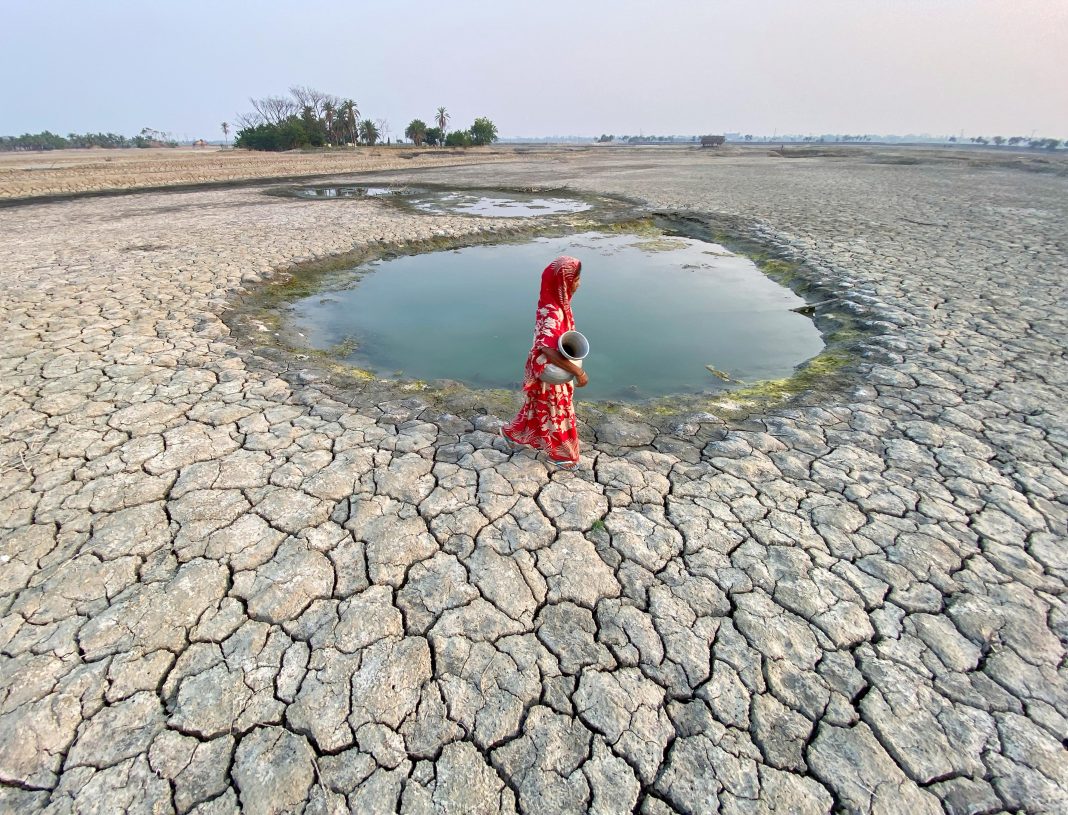
Framing his remarks within the “triple planetary crisis” of climate change, pollution and biodiversity loss, the minister warned of the escalating global threats to ecosystems, human health and economic stability.
“We are increasingly witnessing life-threatening heatwaves, floods, disappearing species and severe pressures on water and ecosystems. Without prompt, well thought-out and coordinated action, the outcomes for future generations will be devastating,” he said.
Nzimande drew on the World Meteorological Organisation’s 2023 State of the Climate in Africa Report, which found the continent faces “exceptionally heavy burdens” from climate change, with adaptation costs projected at up to $50 billion annually over the next decade.
“African countries are already losing 2–5% of GDP and in some cases diverting nearly 9% of their national budgets to respond to climate extremes.
“By 2030, up to 118 million extremely poor people will be exposed to drought, floods and extreme heat in Africa if adequate response measures are not put in place,” he said.
The minister said South Africa was already experiencing rising temperatures, drought, water scarcity and more frequent and intense storms, with severe consequences for agriculture, biodiversity and rural livelihoods.
“Farmers are struggling to cope with shifting weather patterns, extreme heat and irregular rainfall. This directly threatens food sovereignty and the survival of communities who depend on biodiversity for everyday life,” he said.
Nzimande outlined a range of government-led interventions through the department, including the Science Mission on Global Change and Biodiversity Science, which builds on two decades of investment and hosts programmes such as the South African Environmental Observation Network and the South African Risk and Vulnerability Atlas.
The department facilitated a newer inter-departmental Science Mission on Climate Change and Environmental Sustainability, prioritising: climate adaptation strategies; the South African Research Infrastructure Roadmap; and a high-level programme focused on pollution, oceans, natural resource management and science-based policy.
He added that South Africa actively engaged in global platforms such as the UN Framework Convention on Climate Change, the Convention on Biological Diversity and the Convention to Combat Desertification.
Nzimande also announced that preparations were underway for the 6th Global Change National Conference, to be hosted by his department, the National Research Foundation and the University of Mpumalanga from 1–4 December this year.
The conference will serve to advance implementation of the Climate Change and Environmental Sustainability Societal Grand Challenge framework.
The minister welcomed the involvement of students and young researchers at the Durban gathering, stressing the need to increase the number of black and women scientists in senior positions across South Africa’s research institutions.
“This aligns with our strategic objective of transforming the scientific community so that it reflects the demographics and potential of our society,” he said.
Nzimande, who urged African government to embrace evidence-based policymaking, said the Durban conference represented a valuable opportunity to generate new research, and data and climate-resilient technologies.
INSIDE EDUCATION