Home Blog Page 103

KZN education MEC warns against political campaigning

By Lungile Ntimba 

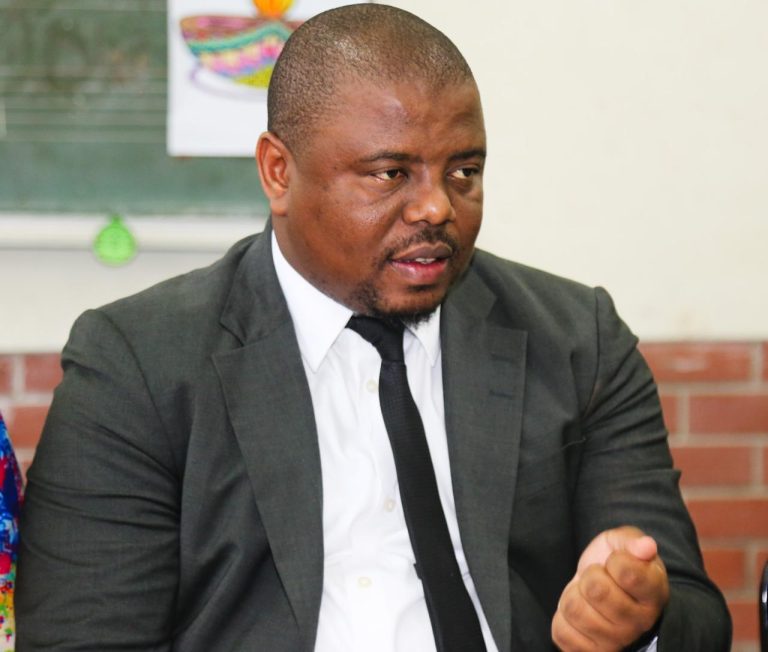
KwaZulu-Natal education MEC Sipho Hlomuka has reaffirmed the fundamental values of education, emphasising that schools must remain neutral and free from political influence and interference. 

He was speaking at Shakaskraal Primary School in the iLembe District following allegations of intimidation by the school principal, who coerced staff into wearing political regalia or face dismissal.

“We as a department we will not tolerate political campaigns in our schools and emphasise that this incident serves as a critical reminder to all schools and communities that education should be apolitical and safeguarded from political activities and influence,” Hlomuka said on Friday.

The MEC stressed the importance of adhering to provincial circular no 29 of 2025, which outlined professional conduct within educational institutions.

He said educators must prioritise teaching learners during working hours and avoid getting involved in personal activities.

Hlomuka said the sincerity of the school’s apology would be reflected through its action.

However, he made it clear that this would not interfere with the department’s ongoing investigation.

He said the department has already started to engage individually with all staff members to find out what really transpired.

“The iLembe district has initiated an investigation, and upon conclusion, will submit a report with recommendations to the head of the department for appropriate action,” Hlomuka said.

He advised the school to prioritise efforts in rebuilding its reputation, saying that anyone tarnishing the school’s name should face consequences, regardless of their position.

“Never allow anyone, including myself because being an MEC doesn’t mean I’m above the law, and that is why there is a constitution to guide us,” he added.

“If I have taken a wrong decision, it must be challenged throughout the process.”

INSIDE EDUCATION

Parliament applauds legal win against resource mismanagement in higher education

By Johnathan Paoli

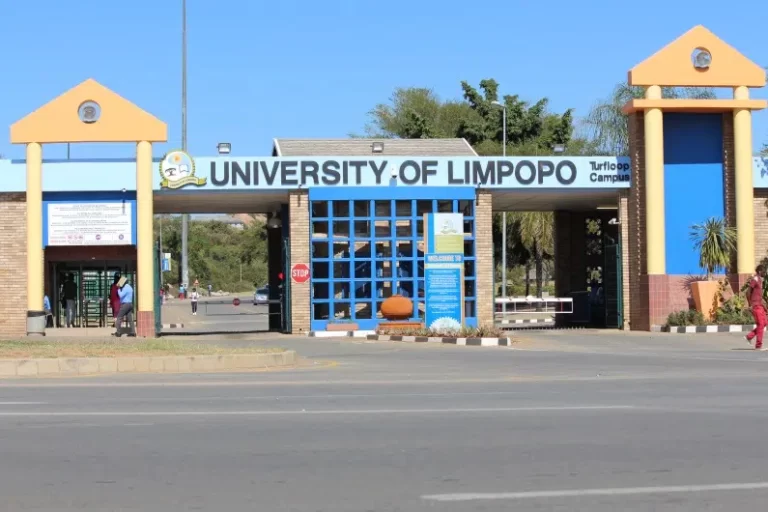
Parliament’s Higher Education Portfolio Committee has welcomed the court ruling in favour of two master’s students who were wrongfully deregistered by the University of Limpopo.

It said it was a significant step in holding higher education institutions accountable for their actions and ensuring that student rights are upheld.

Committee chairperson Tebogo Letsie strongly condemned the university’s handling of the matter, describing it as an unacceptable disregard for both due process and the hard work of students.

“For an academic institution to make such a mind-boggling, illogical decision, one that disregards both due process and the students’ dedication, was deeply troubling. We are pleased the court has compelled UL to rectify this injustice by covering the students’ legal fees and awarding their hard-earned qualifications,” Letsie said on Thursday.

Philisiwe Cele and Ntando Mnguni, who were pursuing master’s degrees in information studies, faced an unexpected setback when the university deregistered them in 2023, despite both students having already submitted their final dissertations for graduation.

The university justified this move by claiming that the students had not met the admission requirements and suggested they should instead apply for recognition of prior learning.

The students challenged the university’s decision in court, ultimately securing a ruling that compels the university to pay their legal fees and grant their degrees.

Letsie said the ruling served as a necessary corrective measure and a warning to academic institutions that failed to uphold principles of fairness and transparency.

The committee has consistently raised concerns over resource mismanagement within the higher education sector, citing cases where institutions have prioritised legal disputes over core educational functions.

Letsie emphasised that the committee has repeatedly urged universities to allocate their budgets responsibly and focus on the interests of students and academic development rather than engaging in costly and unnecessary legal battles.

The case has drawn wider attention to broader inefficiencies within the higher education system.

The committee has been vocal about concerns regarding financial mismanagement, poor decision-making by university leadership and a lack of accountability in public institutions.

This case is one of several incidents where institutions have been called out for misusing resources on litigation instead of directing funds towards academic programs, student support services and research initiatives.

Beyond financial considerations, Letsie said the ruling also underscored the need for higher education institutions to operate within the framework of ethical governance.

Letsie reiterated that the committee would continue to monitor similar cases closely to ensure institutions were held accountable for their decisions and resource management practices.

INSIDE EDUCATION

Gondwe remains vigilant in fight against bogus colleges

By Johnathan Paoli

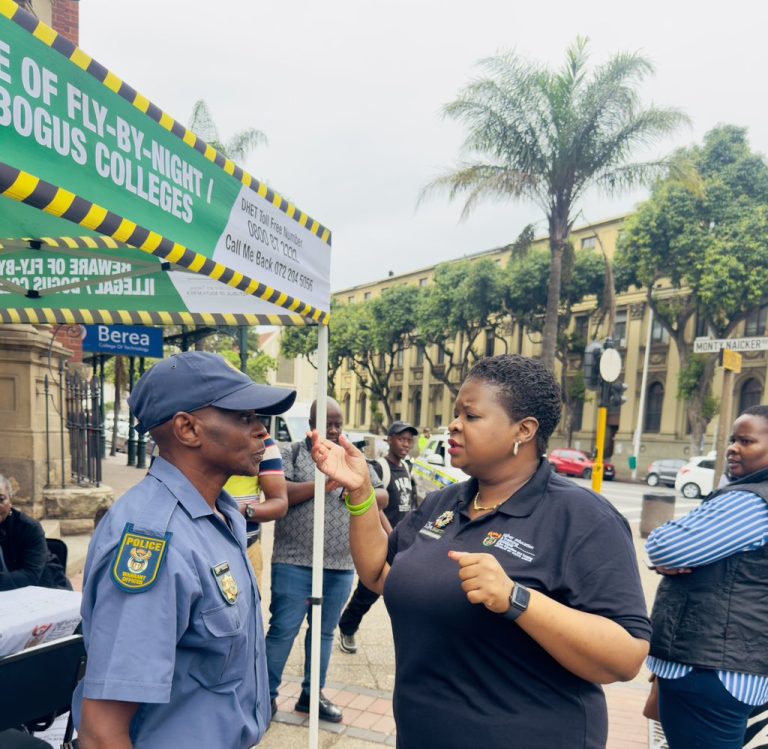
Higher Education and Training Deputy Minister Mimmy Gondwe has reaffirmed the government’s commitment to ensuring quality education by clamping down on bogus colleges.

During an interdepartmental oversight visit to eThekwini, Gondwe emphasised the importance of private higher education institutions operating within legal parameters and full compliance with registration and accreditation requirements.

“Some of the learners are the only hope for their families. Their parents invest in their education so that their child can be qualified and have a successful career tomorrow.

“Now, if a learner studies via a bogus college, they are effectively robbed of an opportunity to gain a legitimate qualification and employment opportunities. It is also robbing the student and their parents of hard-earned money,” Gondwe said in a statement.

The visit formed part of a two-day awareness campaign in the “university city”, a metro that hosts a significant student population and multiple institutions of higher learning, including the University of KwaZulu-Natal, Durban University of Technology and Mangosuthu University of Technology.

However, the city also faces challenges with the proliferation of unregistered private colleges and accredited institutions offering unapproved programmes.

Gondwe, alongside officials from her department, the Employment and Labour Department and Home Affairs, toured several private institutions in the city centre, particularly along Monty Naicker and West Streets.

Some institutions were found to be registered but were flagged for compliance issues, while others were operating without proper accreditation, raising concerns about the legitimacy of the qualifications they offer.

In collaboration with eThekwini municipality, the oversight visit focused on engaging with students and institutional representatives to address their concerns.

Many students raised issues regarding tuition payments and the lack of refunds when courses were later found to be unaccredited.

In response, Gondwe directed department officials to provide immediate assistance to affected students and ensure they received guidance on transferring to legitimate institutions.

Chairperson of the eThekwini municipality governance and human capital committee, Nkosenhle Madlala, reiterated the city’s responsibility to protect students seeking quality education.

“As a university city, we have a responsibility to ensure that the thousands of people who come to our city to access higher education register with recognised and legal institutions. Durban is home to several prestigious universities and TVET colleges, but the presence of unregistered institutions puts students at risk,” Madlala said.

Gondwe acknowledged the role of private higher education institutions in expanding access to learning opportunities, but said they must operate within legal and regulatory frameworks.

“They are allowed to operate, but they have to operate within lawful parameters, and that is what we are trying to ensure, that their operations are legal, are registered with us and that the programmes they’re offering are accredited by our quality assurance bodies, Umalusi, QCTO (Quality Council for Trades and Occupations), and the Council on Higher Education,” she said.

Gondwe also emphasised the importance of interdepartmental collaboration in tackling fraudulent institutions, saying that such efforts were crucial in safeguarding students’ futures and upholding the integrity of South Africa’s education system.

The campaign, which will continue with further oversight inspections in the Durban CBD, aims to root out illegitimate institutions while strengthening mechanisms for monitoring compliance among private colleges.

The deputy minister has encouraged students and parents to verify the accreditation status of institutions before enrolling to avoid falling victim to fraudulent colleges.

She also urged registered institutions to maintain compliance with all regulatory requirements to ensure they deliver quality education that aligns with national standards.

INSIDE EDUCATION

NSFAS to probe dodgy accommodation providers

By Johnathan Paoli

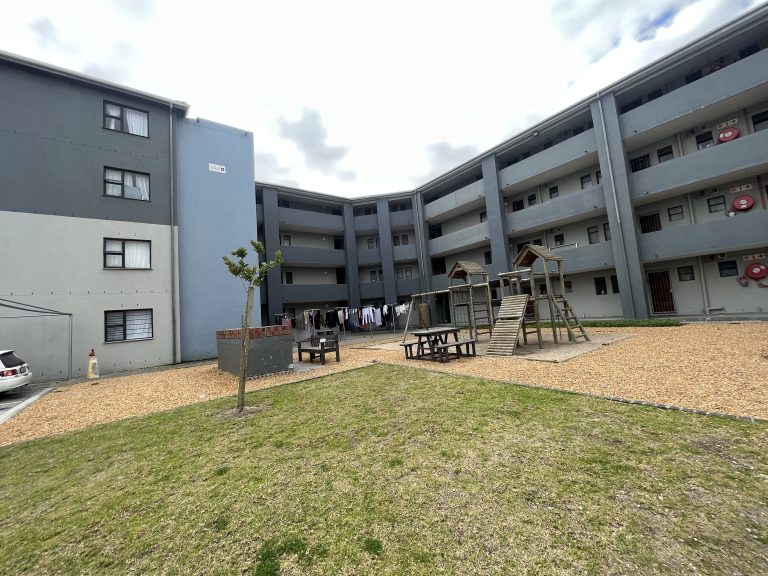
The National Student Financial Aid Scheme (NSFAS) has addressed growing concerns over delayed payments for student accommodation, attributing the setbacks to the intricate and time-consuming nature of the verification process.

Through these verification processes, it says it has come across accommodation providers attempting to defraud the scheme and an investigation will be launched.

The scheme said in a statement that delays in receiving essential data from accommodation providers had also complicated efforts to ensure timely disbursements.

“While NSFAS is committed to ensuring that funds are disbursed promptly, it is equally important to maintain a rigorous verification process to guarantee that all claims are legitimate and in accordance with established policies,” it said in a statement.

NSFAS has acknowledged the frustrations expressed by accommodation providers following recent communication regarding the submission and processing of claims.

The funding scheme explained that its payment timelines were affected by delays in the submission of required data, which subsequently prolonged the verification process.

It said it had taken proactive steps to facilitate the smooth processing of claims.

On 27 January, the scheme approved and disseminated lease agreements, making them available for upload onto the designated accommodation portal.

It said the system was accessible on the same day across all portals, allowing accommodation providers to begin signing agreements immediately.

To maintain operational efficiency, NSFAS set a deadline of 14 March for the submission of payment claims for the current cycle.

Despite these measures, NSFAS said that verification remained a critical step in ensuring compliance with funding regulations.

The process involved multiple checks to confirm the legitimacy of claims and prevent fraudulent transactions.

During recent verification exercises, NSFAS reportedly uncovered cases of “ghost students”, individuals who were neither NSFAS beneficiaries nor enrolled in any public higher education institution.

This discovery has reinforced the necessity of stringent verification protocols to safeguard public funds.

“As a public entity, we have a duty to ensure that financial aid reaches legitimate students in need. The verification process is essential to prevent fraudulent claims and uphold the integrity of the system,” the scheme said.

NSFAS further indicated that it would launch investigations into accommodation providers who had submitted inaccurate or misleading information to unlawfully benefit from government funds.

The organisation reiterated its commitment to taking corrective action against those who attempted to exploit the system.

While acknowledging the operational difficulties that come with delayed payments, NSFAS stressed the need to strike a balance between timely fund disbursement and rigorous verification.

Accommodation providers, on the other hand, have raised concerns about the financial strain caused by these delays.

Many have warned that extended waiting periods could impact their ability to sustain housing services for NSFAS funded students.

Some stakeholders have called for improvements in NSFAS’s verification systems to expedite the process without compromising oversight.

Considering these challenges, NSFAS has urged accommodation providers to ensure that all data submissions were accurate and timely.

It said it remained committed to refining its processes and enhancing coordination with relevant stakeholders to mitigate future delays.

With thousands of students reliant on NSFAS for funding, the organisation faces mounting pressure to streamline operations while maintaining transparency and accountability.

INSIDE EDUCATION

Accommodation and funding continue to be main concerns for higher education

By Johnathan Paoli

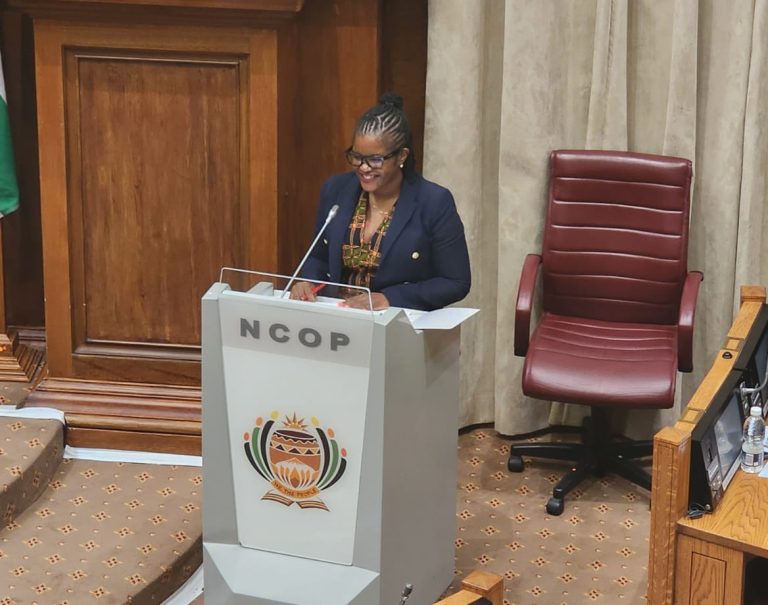
Higher Education and Training Minister Nobuhle Nkabane has admitted to a long path ahead in turning the post school education and training (PSET) sector around, calling for more to be done in addressing challenges.

Nkabane engaged the National Council of Provinces (NCOP) hybrid plenary session on Tuesday, responding to questions from members on the significant challenges the sector faces, including student accommodation shortages, the National Student Financial Aid Scheme (NSFAS) delays and a lack of critical and technical skills.

“Despite constraints, the department remains committed to working closely with the NCOP to make sure we preach the gospel in our constituencies and address the challenges of the sector,” she said.

One of the key issues raised was the shortage of student housing, a challenge that has long plagued both universities and Technical and Vocational Education and Training (TVET) colleges.

Nkabane outlined the government’s commitment to implementing large-scale student housing projects through the Student Housing Infrastructure Programme (SHIP).

Since 2021, the department has delivered 9721 beds under the first phase of SHIP, with an additional 6500 beds currently in progress.

Looking ahead, phase two aims to provide 10,700 beds across six institutions, while phase three, launching this year, is set to deliver 45,000 additional spaces.

Despite these efforts, concerns remain about governance and affordability, particularly as private accommodation providers engage with NSFAS.

Nkabane said that while institutions oversee accommodation operations, NSFAS must ensure fair pricing and compliance with standards.

The NSFAS accreditation programme, expanded to 23 TVET colleges and 17 universities in December 2023, is expected to improve accommodation quality and safety.

However, funding delays continue to disrupt students’ education, often leading to evictions and financial distress.

Nkabane acknowledged these ongoing challenges, attributing delays to data misalignment between the scheme and institutions.

The department is collaborating with stakeholders to refine processes and prevent such disruptions; additionally, a special task team has been established to address systemic inefficiencies.

The minister said her department was working with the Special Investigating Unit to combat fraud in student funding.

Irregularities, including ghost students and fraudulent accommodation claims, have prompted the appointment of a board to improve governance and accountability within NSFAS.

Another critical issue raised was the country’s struggle to produce graduates in high-demand fields, particularly in Science, Technology, Engineering and Mathematics (STEM) disciplines.

Nkabane revealed that in 2024, engineering graduate output fell short of the target by 2221 students, while life and physical sciences had a shortfall of 229 graduates.

The decline in students taking mathematics and science at the high school level has further exacerbated this issue.

To combat this, she said her department is working with the Basic Education Department to boost interest in STEM subjects.

Efforts include outreach programmes in rural schools, career expos and the integration of emerging fields such as AI and robotics into curricula.

Nkabane highlighted the need to reposition TVET colleges as attractive career pathways.

Many students still perceive university degrees as superior, despite TVET qualifications often aligning more closely with industry demands.

To bridge this gap, the government is modernising TVET curricula, expanding trade test centres from one to 35, and introducing occupation-focused programmes to replace outdated N1-N3 courses.

And to enhance TVET graduates’ employability, 54 centres of specialisation have been established, focusing on artisanal training.

The expansion of work integrated learning programmes has benefited 25,000 students, ensuring they gain practical experience.

Nkabane said the department’s Programme and Qualification Mix initiative aimed to steer institutions toward high-demand fields, using the national scarce skills list as a guide.

While universities maintain academic autonomy, the department is actively engaging institutions to align enrollment plans with economic needs.

She acknowledged the Human Resource Development Council, chaired by Deputy President Paul Mashatile, as playing a crucial role in ensuring graduates were equipped with relevant skills.

The minister said that collaboration with industry stakeholders, business leaders and organisations like National Economic Development and Labour Council informed curriculum adjustments, making higher education more responsive to job market trends.

Despite financial constraints, the government remained committed to expanding the post-school education sector.

Projects include refurbishing the old Giyani College of Education for Tshwane University of Technology and developing a new Ulundi campus for the University of Zululand.

Two new universities, the University of Science and Innovation and the University of Policing and Crime Detection in Gauteng, are also in the pipeline, though funding challenges persist.

Nkabane reaffirmed the department’s focus on ensuring access to higher education, particularly for marginalised communities.

She said her department’s efforts to modernise TVET institutions, enhance STEM education and ensure financial stability within NSFAS were crucial steps toward creating a more effective and equitable post-school education system.

INSIDE EDICATION

W.Cape wins schools athletics competition

By Lungile Ntimba 

The Western Cape has secured victory at the inter-provincial SASA Primary School Athletics Championships for the second consecutive year.

The competition saw young athletes showcasing their skills and talents across multiple sport disciplines in Germiston, Gauteng.

The province claimed 88 medals- 41 gold, 24 silver and 23 bronze – outshining Gauteng which secured 78 medals and the North West that finished third with 28 medals.

The Western Cape education department praised this accomplishment as a testament to the commitment of schools, coaches and the department in fostering sporting excellence.

“This is the second year in which the department has sponsored the costs of our provincial team so that any talented school athlete would be able to attend and compete with the best without struggling to fund their participation,” it said in a statement.

“We thank all of the schools and department staff members, coaches and parents who have supported our learners so that they could achieve their goals and shine on the national stage.”

Cultural affairs and sport MEC Ricardo Mackenzie also applauded the team for its achievement.

“We are so proud of these outstanding young athletes, who have showed dedication and commitment to developing their sporting skills,” Mackenzie said.

“With such talented stars in primary school, the future is bright for Western Cape sport.”

The department reaffirmed its commitment to working with Sport, Arts and Culture Minister Gayon McKenzie to improve access to school sports in the province.

INSIDE EDUCATION

Higher education committee warns UFS to hire local academics

By Alicia Mmashakana

The Portfolio Committee on Higher Education is concerned about the University of the Free State (UFS) hiring of 141 foreign academics and 26 foreign support personnel.

The committee met UFS senior management, unions, student representatives and other stakeholders. It encouraged UFS to prioritise local talent development and hiring, cautioning against using the ‘scarce skills’ argument to dismiss qualified South African candidates.

The committee is in the Free Sate on a week-long oversight visit to post-secondary education and training institutions to evaluate academic readiness and infrastructure.

“The committee also raised concerns about the underrepresentation of African, coloured and Indian staff in professorships and associate professorships, highlighting ongoing transformation challenges at UFS,” said committee spokesperson Jabulani Majozi.

“University management acknowledged that there is a need to address employment equity, agreeing on the need for greater diversity in leadership to better reflect to the Free State’s demographics.”

The committee supported student preferences for English as the medium of instruction and acknowledged concerns regarding lecturers who only utilised Afrikaans.

The Student Representative Council also advocated for better support for pregnant students, however, the committee reminded them that the university could not bear this responsibility alone.

The committee emphasised the need for accredited student accommodation regarding the QwaQwa campus, noting that academic success rates were higher among students residing in university housing compared to those staying at home.

Committee chairperson Tebogo Letsie warned against “pouring billions into student housing without accountability”, saying it meant that students may end up in substandard conditions.

INSIDE EDUCATION

Pay back the money!

Should South Africa write off billions in unpaid student debt? No! argues Edwin Naidu.

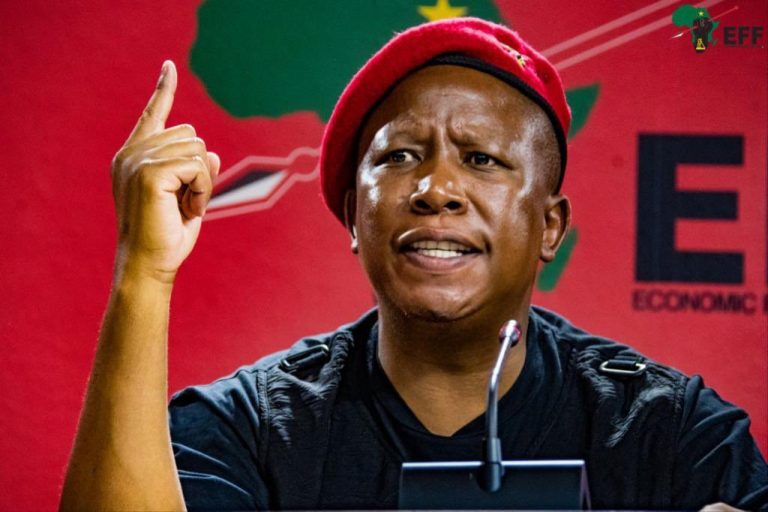
Julius Malema and the Economic Freedom Fighters can indeed talk, but can they walk the talk?

The Private Member’s Bill in Parliament wants to cancel student debt as the EFF’s contribution to making education more accessible to all South Africans.

But is it a feasible solution? And will it make education more accessible?

The Bill, they say, represents a significant intervention in the fight against the growing financial burden of student debt, which increased from approximately R11 billion in 2017 to R17 billion in 2024, with an average annual rise of R2 billion.

The EFF argues that this national crisis stifles the aspirations of young people and limits their financial freedom and career prospects. How is this so?

Annually, the government invests an estimated R50 billion in ensuring that the current crop of matriculants has access to study spaces at the country’s 26 universities and 50 Technical and Vocational Education and Training colleges.

Given the financial constraints under which the government operates, this is not an inconsiderate amount to spend on education.  For the EFF to push to write off the student debt of the past is irresponsible and encourages a culture of not paying for services one receives.

While the right to education is enshrined in the Constitution and should be free in a perfect world, it does not mean that debt owed to educational institutions should be waived. One might argue that one’s water, electricity or tax bill to municipalities or the state should be written off, as it perpetuates inequality in South Africa. Right?

Wrong! Thirty years after democracy, it does not make sense to hear the EFF claim that writing off billions would help anyone. Instead of empty rhetoric, the EFF should provide evidence.

Just as Malema and his former minions shouted “pay back the money” to former president Jacob Zuma over his ill-gotten Nkandla upgrades, why does the EFF play politics and give those who owe the state money a free ride?

The Bill is a disservice to South Africans who work hard and pay their taxes expecting to get adequate service delivery as a bare minimum. 

The EFF has long championed the cause of student debt cancellation. But unless I am mistaken, there is no moral reason or obligation to write off debt in a democracy?

Were those who incurred the debt prejudiced in any way by having studied or pursued studies at tertiary institutions to which they owe money? And what about those who have passed and have qualifications but do not honour the debt?

Is it not ludicrous that one can get blacklisted by the SABC for not paying one’s television licence, but an ivory tower of learning can escape without sanction for allowing student debt to escalate to unreasonable levels? The vice-chancellors and those in charge should be held accountable for failing to manage student debts effectively.

Inevitably, should the government be asked to explain how it allows a soft stance on students who owe billions while allowing parastatals under its watch to make criminals of consumers through blacklisting for a variety of reasons?

Instead of this Bill, which will make a noise but not win supporters, the EFF should be encouraging students to walk in the footsteps of Malema. Their inspirational leader got an H in mathematics and a G in woodwork, yet successfully obtained degrees through correspondence at Unisa, the world’s oldest distance-learning institution.

Youth need role models to look up to, not someone who encourages them to default on their debts. Malema worked hard and did not earn those degrees easily. I am certain Malema also paid for his studies. Unisa does not dish out studies freely unless you have A symbols in matric, which Malema did not have.

Therefore, one believes, as the leader of a party wanting to make a difference to the millions of black youths in South Africa that paying back one’s debt to society is the right thing to do. Even if half of the current student debt is paid, imagine what the proceeds can do to eliminate the failed attempts at instilling a reading culture in South Africa.

Malema and his wise former leaders, who have abandoned him, have demonstrated that education is the most effective way to address inequality.

By this token, the debate around writing off student debt is not cut and dried. Let those who have qualified and earn a salary pay back the money. Those who are unemployed must indicate a willingness to pay when they get jobs. That way, the culture of a welfare state which keeps people down is eradicated.

But it starts with understanding the landscape and being honest about where South Africa is headed and what the nation can afford. The EFF has started a debate that we can no longer avoid. Can South Africa afford to write off R17 billion in unpaid student debt? The answer affects us all.

Edwin Naidu is the Editor of Inside Education.

INSIDE EDUCATION

Peer review is meant to prevent scientific misconduct. But it has its own problems

0

By Gail Wilson

In 2023, an academic journal, the Annals of Operations Research, retracted an entire special isssue because the peer review process for it was compromised.

The case brought into sharp focus broader concerns about the peer review process in contemporary science. It showed that a process intended to catch problems with research before publication can itself go wrong.

And when it does, it creates large ripple effects that undermine the integrity of scientific research.

So how is the peer review meant to work? Why does it sometimes fail? And what can be done to improve it?

An evolving process

Peer review as we know it arose in the mid 20th century as the demand for specialised research grew following the end of the second world war. Contrast this with the 18th and 19th centuries, when peer review was undertaken mainly by editors of learned societies and university publishing presses.

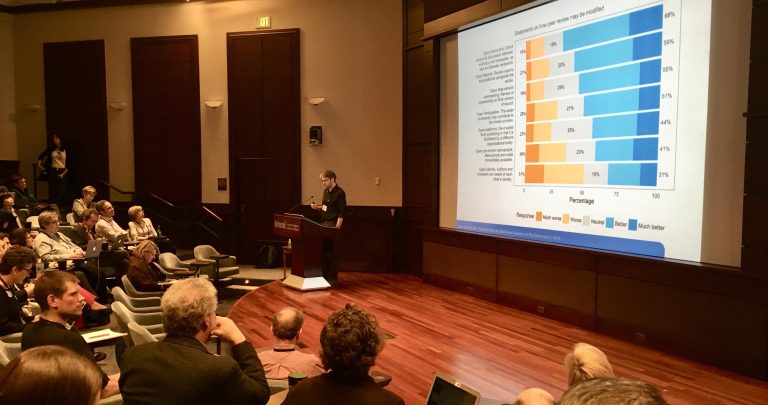
Today, peer review is done largely by external peer reviewers who have been asked by a journal’s editor to conduct a review of a manuscript focusing on the quality and value of the research.

They are selected from a pool of reviewers according to their discipline and their areas of expertise. Their task involves ensuring the paper is relevant to the aim and scope of the journal receiving the paper, reviewing the relevant literature, checking methodology, determining the importance of findings, highlighting areas that have been omitted in the paper, and suggesting changes to improve the paper overall.

Traditional forms of peer review occur before a paper is published. Both reviewers and authors remain anonymous.

Different disciplines take a slightly different approach to the review process. In the humanities, for example, double-blind peer review is favoured. This is where two external peer reviewers review the paper and send their reviews to the editor handling that paper. The author then responds to the editor’s and reviewers’ recommendations.

Based on editorial approval, the paper goes forward to publication.

Contrast this approach with open peer review which can occur both before and after the publication of an article. Supporters of this approach state that it promotes transparency and accountability.

Challenges with the current system

The example of the Annals of Operations Research retracting an entire special issue because of problems with the peer review process isn’t isolated. Springer Nature retracted a total of 2,923 papers from their large journal portfolio in 2024, citing research and academic integrity issues.

A year earlier, the Journal of Electronic Imaging also retracted nearly 80 papers following an investigation into peer review fraud.

Actions like this highlight the many challenges to the current peer review system.

For example, heavy academic workloads and institutional pressures on academics to produce more and more publications reduces the time they can spend as external peer reviewers. It also prevents them from agreeing to be a peer reviewer in the first place.

This leads to what is called peer reviewer fatigue, meaning the reviewer simply doesn’t have the capacity to do any more reviews at this time. Any journal editor can attest to this reason being given. Reviewers who produce quality manuscript reviews often also get more requests from journal editors than they are able to respond to, because of the time factor and their workload and institutional commitments mentioned above.

There’s also the potential for manipulation of the peer review process. This can include the issue of a fake peer review – a process by which authors are asked to suggest reviewers and where fake email addresses and fake peer reviews are submitted. There are signs artificial intelligence is exacerbating this problem.

Predatory journals with dubious publishing practices such as charging authors a fee for publishing an article also publish low-quality articles that have not gone through a rigorous peer review process.

In a guest post for the academic integrity website Retraction Watch, educational researcher Richard Phelps blamed journal editors for not reviewing an article’s literature review for accuracy. The post criticised dismissive claims from researchers about the absence of previous research on the topic, and low-quality literature reviews more broadly.

Strengthening the process

There are ways for journal editors to strengthen their journal’s peer review process in relation to the quality of the reviewer pool and the quality of reviews received.

Journals can regularly review their current reviewer pool and broaden that pool by writing directly to authors of recently published papers. They can also make personal approaches to researchers in the field to undertake a review or be added to the reviewer pool list.

Journals can also review their current guidelines for reviewers to ensure there is a consistent set of criteria reviewers can use to rate the paper and explain the reasons for their ratings across key elements of the manuscript.

A “strength-based approach” to review can be encouraged. This is where feedback about the paper’s strengths as well as the gaps in the paper makes the feedback more “developmental” and less focused on what’s wrong with the paper.

From my experience as a journal editor, authors also find it helpful to receive the reviewers’ comments together with an overall summary from the editor highlighting the key issues raised by the reviewers.

Gail Wilson is an Adjunct Associate Professor in the Office of the PVC (Academic Innovation), Southern Cross University.

The Conversation

Gondwe drives education reform across Southern and Eastern Africa

By Johnathan Paoli

There is an urgent need to modernise education systems to recognise a wider range of learning experiences, according to Higher Education and Training Deputy Minister Mimmy Gondwe.

At the same time, countries must look at adopting a more inclusive, accessible and adaptable credentialing system.

“As we look to the future, let us be guided by a vision of a Commonwealth where education is not an exclusive privilege, but a non-negotiable right for all,” Gondwe said.

Gondwe was addressing the Southern Africa, Eastern Africa and the Mediterranean Regional Stakeholder Meeting on Developing a Commonwealth Credit Transfer Framework: Micro-credentials in a Digital Age in Ekurhuleni on Monday.

She described the event as a significant step towards transforming education across Southern and Eastern Africa, as well as the broader Commonwealth.

It brought together prominent education specialists, policymakers and institutional leaders from across the Commonwealth, with a primary focus on developing a systematic and cost-effective framework for credit transfer and micro-credentials that align with contemporary learning methods.

Gondwe’s keynote address emphasised that traditional education frameworks, while valuable, no longer captured the diversity of modern learning experiences.

She highlighted the need to recognise informal, non-formal and alternative learning pathways, particularly as digital, open and distance learning gained prominence.

“In today’s world, recognising learning in all settings, not just through traditional degrees, is essential to validating the diverse pathways of every learner. This recognition ensures inclusivity, promotes lifelong learning and enhances access to opportunities,” she said.

A major theme of her address was the role of micro-credentials in reshaping education.

Micro-credentials provide students with industry-relevant skills in a shorter timeframe than traditional degree programmes, enabling them to stay competitive in rapidly evolving job markets.

Despite the potential of micro-credentials and credit transfer frameworks, several challenges persist.

With various education systems operating independently, ensuring compatibility across countries remains a complex task, resulting in a lack of standardisation.

While many institutions and employers do not yet recognise micro-credentials as equivalent to traditional degrees, infrastructure and technology disparities further exacerbate the situation, with many regions still struggling with inadequate access to digital learning tools, particularly in rural areas.

In addition, financial constraints mean that developing a large-scale, cross-border framework for credential recognition requires significant investment.

Acknowledging these hurdles, Gondwe urged for stronger collaboration among governments, universities and regulatory bodies to build a robust, adaptable system.

To tackle these challenges, the deputy minister outlined a strategic approach, including establishing agreements between nations to ensure uniform standards in credential recognition, to facilitate cross-border cooperation.

Gondwe proposed leveraging technology by utilising digital platforms to make micro-credentials more accessible to learners in remote areas.

She called for strengthening institutional capabilities to administer and regulate micro-credentialing programmes effectively and encouraged collaboration between educational institutions and industries to enhance the credibility and employability of micro-credential holders.

Lastly, the deputy minister called for affordable and scalable solutions by ensuring that micro-credentialing frameworks were cost-effective and could be scaled to fit diverse education systems.

“We must ensure that credit and credentialing systems are compatible across borders, meet international standards and are adaptable to the needs of each country. This is essential for student mobility, qualification recognition and fostering a culture of lifelong learning across the Commonwealth,” Gondwe said.

The country has been at the forefront of education transformation, with initiatives such as the National Qualifications Framework and ongoing efforts to integrate alternative learning methods.

The department has also partnered with the Project on the Potential of Micro-credentials in Southern Africa, which is a collaborative effort among leading Southern African and European universities, national councils and policymakers.

Gondwe reaffirmed South Africa’s dedication to advancing this initiative.

“We understand that this is not a task we can undertake alone. We need collaboration, dialogue and partnerships that transcend national boundaries, just as we see here today,” she said.

As the conference continues over the next two days, stakeholders will work to develop an actionable framework that ensures a seamless, transparent and equitable credentialing system.

The goal is to create an education ecosystem that is responsive, agile and capable of meeting the demands of the 21st century and beyond.

The deputy minister said the outcomes would have a lasting impact on the future of education and lead the way in shaping an education system that recognised and rewarded learning in all its forms.

INSIDE EDUCATION