Home Blog Page 168

Schools showcase their creations and inventions at the SoS Festival

Johnathan Paoli

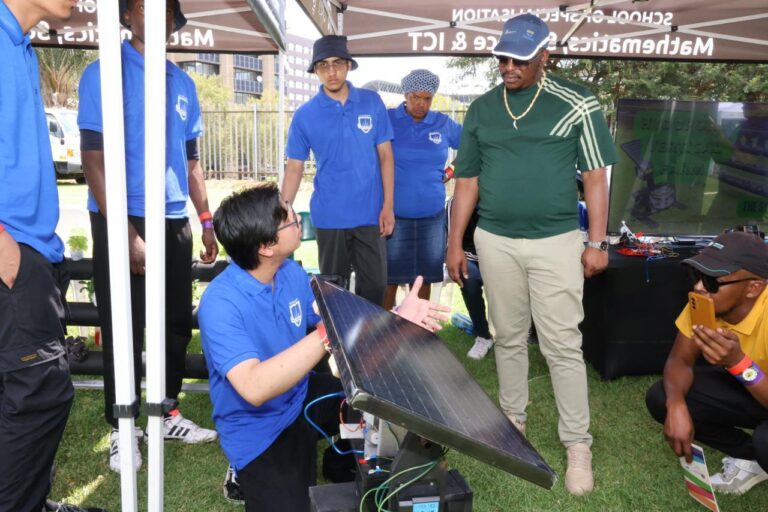
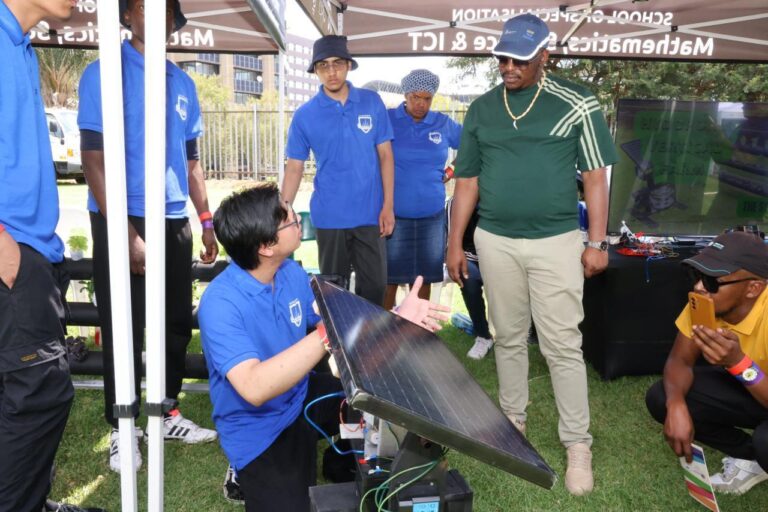
THE atmosphere at the Schools of Specialisation festival in Milpark, Johannesburg was buzzing with talent and innovation as students showcased their remarkable work on Saturday, giving a glimpse into the future leaders of Gauteng.

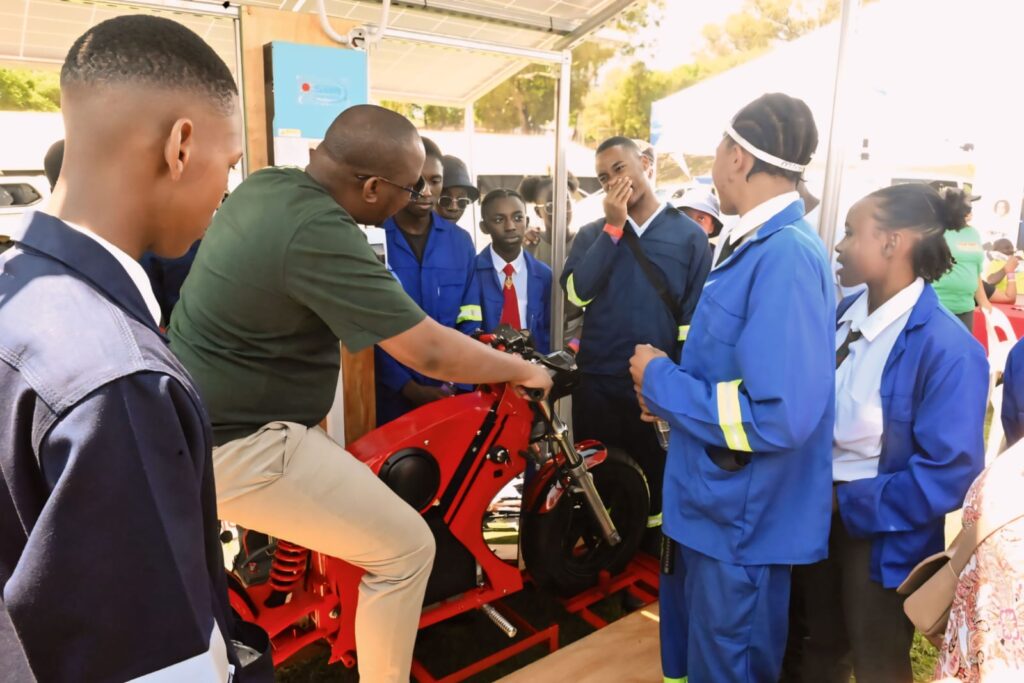
The hosting school, John Orr Engineering School of Specialisation exhibited their silent solar-powered electric motorcycle at the 2nd Annual Schools of Specialisation Festival

MEC for Education and Youth Development Matome Chiloane said this project showed how learners want to promote sustainable transportation and not only highlighted a commitment to eco-friendly solutions and innovation, but also provided a platform for educational outreach and collaboration within the community.

Learners from Edward Phatudi Maths, Science & ICT School of Specialisation created a generator that supplies electricity, but instead of using diesel like most generators, it uses water.

The department praised the manner in which the water generator offers a more environmentally friendly alternative for electricity generation, and Chiloane said this initiative not only demonstrates the learners’ ingenuity and problem-solving skills, but also contributes to reducing carbon emissions and promoting renewable energy solutions.

“I’m grateful for the opportunity to connect with students, educators, and innovators at events like these. Together, we can make a difference in education,” Chiloane said.

The Thuto-Ke-Maatla Engineering School of Specialisation displayed their G-Crane which lifts heavy machinery.

The department said that presenting the G-Crane at the event, the school not only highlights its commitment to preparing learners for real-world engineering challenges but also inspires the audience with a tangible example of engineering excellence.

The MEC encouraged learners from the schools to compete using their brilliance and knowledge and encouraged more partnerships to propel the SOS programme across more schools in the province.

“Every student is unique and has something special to offer. Let’s nurture their talents and help them shine bright,” the MEC said.

INSIDE EDUCATION

128 Mpumalanga schools introduce coding and robotics to the curriculum

Lerato Mbhiza

THE Mpumalanga Provincial Government has introduced coding and robotics in 128 schools, as part of a pilot programme, according to the Premier RefilweMtshweni-Tsipane in her State of the Province Address on Friday.

“That pilot is progressing well and 128 schools, from Grade R to 3 and Grade 7, are currently doing coding and robotics,” Mtshweni-Tsipane said.

The Premier said in the government’s quest to improve learner performance, in 2022 it provided all Grade 12 learners and teachers in Quantile to 3 schools with tablets and laptops.

These devices, the Premier said, are loaded with e-content and will be provided this year with an offline application to enable access to learning even outside the four walls of the classroom without data or connectivity.

“This government continues to strengthen e-learning in our schools. This year, the province will introduce the smart schools concept in eight schools where both teachers and learners will utilise technological devices and thus making the schools paperless,” Mtshweni-Tsipane said.

She added that the land for the construction of the proposed School for the Deaf and Blind has been secured at Emalahleni Municipality.

“Once the school is completed, the 250 deaf learners currently studying at Bukhosibetfu Full Service School and the 200 in other special schools will be relocated to the new school.”

Job creation

By the end of January 2024, a total of 63 478 jobs were created through the 21 identified programmes, including the Siyatentela Road Maintenance Programme, Government Nutrition Programme, School Handymen and Tourism Safety Monitors, to name a few, the Premier said.

“Since 2021 and through the Presidential Employment Stimulus, we have trained and created a total of 65 296 job opportunities for unemployed youth in different schools.

“Since its inception in 2019, the Premier’s Youth Development Fund has disbursed R258 million to fund 182 youth-owned enterprises. The funded beneficiaries have created more than 630 jobs in agriculture, mining, manufacturing as well as film and production,” Mtshweni-Tsipane said.

INSIDE EDUCATION

NSFAS ups its act to ensure a smooth allocation of funds to students at tertiary institutions

Johnathan Paoli

THE National School Funding Scheme NSFAS has officially called on universities and other tertiary educational institutions to take responsibility for the upfront payment of students’ allowances.

Nsfas Board and Executive Management, led by the Acting Chairperson, Lourens Van Staden, held a press briefing addressing the registration process, payment of allowances and the student accommodation pilot project on Monday and said the scheme was planning on opening offices all over the country.

Currently, NSFAS only has one office, located in Cape Town and Van Staden said plans are in place to have NSFAS offices available to students and applicants in all provinces.

Van Staden said the scheme has deployed servicing administrators to all institutions to assist students for the past two weeks and aims to alleviate the tensions and contribute to a harmonious academic environment for all the institutions.

“It is through this intervention that we will continue to ensure the unmediated and seamless interaction between NSFAS and all its beneficiaries. As a scheme, we acknowledge that this transition required a significant increase in NSFAS financial resources, effective and efficient information and communication technologies and capable personnel to drive this transition phase,” he said.

The chairperson said that this initiative will propel NSFAS to be agile in handling a large number of student applications, process them timeously and give feedback to all applicants without any delays.

NSFAS funding has increased from R21.4 million in 1991, when it was introduced, to almost R50 billion now to broaden access to post school education and training.

For the 2024 academic year, NSFAS disbursed R2.8 billion to universities in January 2024 to cover one month of student accommodation and half of the book allowance, with an additional two months’ worth of allowances being provided to assist institutions with registered medical students whose academic year began in January 2024.

Further upfront payments were made in February to cover remaining allowances, including the second half of the book allowance, accommodation for March 2024, transport for February and March, meal allowances for February and March, and personal care allowances for February and March.

For TVET Colleges, NSFAS disbursed over R580 million for tuition fees in January 2024 and an additional R1 billion for student allowances for the first three months of 2024, with TVET Colleges being urged to promptly load their registration information to facilitate payments on the direct payment platform.

NSFAS confirmed that allowances will be distributed using the direct payment method, utilising the same partners assigned to respective institutions in the previous year. Students must therefore ensure they complete the on-boarding process for NSFAS allowances.

Due to challenges experienced at the start of the academic year, universities were asked to pay allowances for both February and March. Direct payments for the 2024 academic year will commence in April 2024, NSFAS said.

NSFAS emphasised the importance of institutions uploading student registration data promptly to prevent delays in fund distribution, and said that students may be provisionally funded, however, they only begin receiving allowances when their institution uploads their registration data with NSFAS.

“Any discrepancies in registration data may result in temporary blockage of transactions, with affected students receiving guidance on account reactivation via email and SMS notifications. This includes cases where NSFAS detects students who are registered at multiple institutions,” the funding scheme said.

In conclusion, Nsfas executives advised institutions to contact the NSFAS Servicing Administrator for further assistance.

INSIDE EDUCATION

IEC campaign to help youth participate in democracy

Inside Education Reporter

THE Electoral Commission of South Africa (IEC) on Tuesday launched its annual national Civic and Democracy Education Tertiary Institutions campaign to improve the youth’s understanding of and participation in the country’s democratic processes.

The launch will take place at Mopani Technical Vocational Education and Training (TVET) College in Limpopo.

The campaign aims to engage the youth of South Africa in democracy education and encourage participation in electoral processes. The event will expose over 3 000 young people of Phalaborwa and the surrounding areas to various electoral processes.

The Minister of Higher Education, Science and Innovation, Dr Blade Nzimande, will deliver the keynote address. Also in attendance will be IEC chairperson, Mosotho Moepya; Commissioner Judge Dhaya Pillay; Chief Electoral Officer, Sy Mamabolo and Dr Levy Baloyi, the principal of Mopani TVET College.

In the 2021 Municipal Elections, 71% of registered youth aged 18 – 19 turned up to vote, while only 35% of youth aged 20 – 29 voted. However, less than 10% of eligible voters aged 18 – 29 were registered to vote in the elections. 

It is against this backdrop that in the run-up to the 2024 National and Provincial Elections, the Electoral Commission heightens efforts to empower youth to participate meaningfully in democratic and electoral processes.

The campaign will be rolled out to nearly 100 tertiary institution campuses countrywide until September 2024.

INSIDE EDUCATION

UWC trains 100 teachers to champion Olympic Education in South Africa

Inside Education Sports Writer

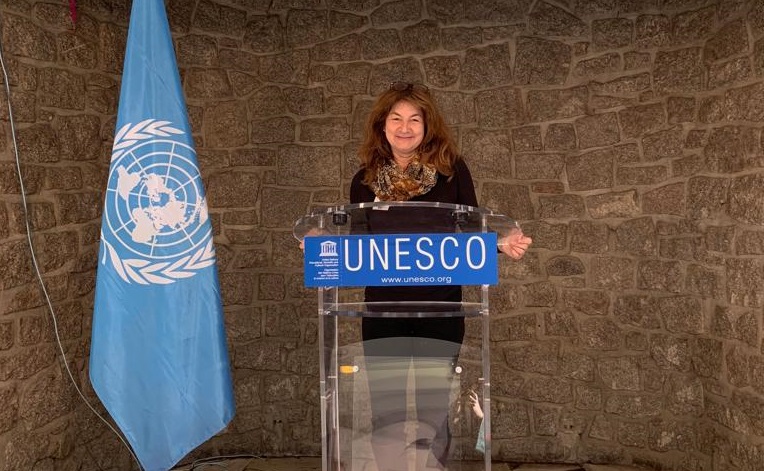
Sport is not just about physical activity. It has been shown to be a remarkable tool to affect social development, holistic education and peace. Such outcomes are desperately needed in South Africa to strengthen our communities and our nation and build a better future, according to Professor Marion Keim is the UNESCO Chair for Sport, Development, Peace and Olympic Education.

Pierre de Coubertin was a French educator and historian best known for reviving the Olympic Games in the modern era. Coubertin strongly believed in physical education and sports as integral components of a well-rounded education for the youth. He famously said: “Olympism seeks to create a way of life based on the joy found in effort, the educational value of a good example and respect for universal fundamental ethical principles”.

This month, the team from the University of the Western Cape’s (UWC) UNESCO Chair for Sport, Development, Peace and Olympic Education, along with the Western Cape Education Department (WCED), facilitated a critical training session for the first 100 teachers on how to – among other things – use the universality of sport to support the delivery of curriculum inside and outside of the classroom.

The latest 50 Life Orientation and Physical Education teachers were the second group of educators from the WCED to receive the highly sought after Olympic and Olympic Values Training offered by International Olympic Committee (IOC) accredited trainers Professor Christo de Coning and myself.

Other facilitators included the UNESCO Chair team, coach Jose Cabral, Pierre de Coubertin Liaison Jasmina Majiet, facilitator Raedene Lucas and student volunteer Mawethu Mbanga.

This training programme will equip educators to become Olympic Education Champions at Western Cape schools in urban and rural areas. Having conducted OVEP Training globally with international coaches and educators in the past, the team could barely contain their excitement at sharing their expertise with the WCED and its educators.

The initiative is a unique cooperation between UWC’s Deputy Vice-Chancellor: Student Development and Support, Professor Matete Madiba, the WCED and their partners, the International Pierre de Coubertin Committee (CIPC) and the African Continental Association.

Comité Internationale Pierre de Coubertin Committee (CIPC) Secretary, General Elvira Ramini, complimented the initiative as an excellent example of spreading the Olympic ideals and values and the mission and vision of the father of the modern Olympics, Pierre de Coubertin, at South African schools and with the youth.

Teachers were introduced to the theoretical components covering topics such as Olympism, the history of the Olympic Games and the significance of the Olympic Values.

Furthermore, they were taught practical activities to use in classroom situations.

These activities focus on the Olympic Values of respect, excellence, friendship, fair play, joy of effort and the balance of body, mind and spirit.

Ms Majiet is from the Hague Primary School – the only Pierre de Coubertin School in South Africa. There are Pierre de Coubertin Schools around the world which focus on holistic education as well as Olympic education.

She encouraged other teachers to join the international school network and to become more involved in the Olympic Movement. Feedback from the educators was overwhelmingly positive. Many remarked that the training offered them a new way to conduct Physical Education lessons with a particular Olympic focus.

The UNESCO Chair team is following up on teachers’ requests to initiate Olympic initiatives at their respective schools.

Prof De Coning, who conducted the training evaluation, stated: “The findings of the evaluation showed that the course exceeded expectations and teachers described the event as very successful and a valuable experience. Teachers were provided with material and guidelines for their own use, and teachers reported feeling empowered to offer Physical Education lessons in alternative ways. The emphasis on values was regarded as highly relevant to the challenges that learners and the country are experiencing”.

A senior WCED official observed that “with the use of relevant examples and stories, the course engaged the audience and established a sense of unity among strangers. This was a very successful and joyous experience. Your passion ignites the same in others who might not have been as passionate before”.

The next training session will be held in a rural community, and it is expected that this Olympic Initiative and training for educators and coaches, as well as sports leaders and managers, will soon be offered in other provinces in the country.

INSIDE EDUCATION

Ubuntu as a solution to mental illness challenges

By Prof Nontembeko Bila

In the grand narrative of human history, the battle against mental disorders has seen notable progress. Yet, as we think back to the Middle Ages, with its pervasive ignorance and often barbaric treatment of those afflicted with mental disorders, it becomes clear that our contemporary world is still grappling with a crisis of mental health.

Today, amid the complexities and demands of modern existence, individuals worldwide face a myriad of challenges – from childhood traumas to poverty, social isolation, discrimination and stigma – all exacerbated by global pandemics, disasters and wars.

These challenges manifest in various psychological conditions that profoundly impact how individuals think, feel, and behave.

Despite advances in understanding and treatment, many of these conditions persist undiagnosed, acting as significant barriers to emotional, psychological and social well-being. Although we have moved beyond the Middle Ages’ view of mental disorders as a divine punishment, the stigma and inequities in mental healthcare persist across the globe.

The World Health Organisation’s Comprehensive Mental Health Action Plan 2013 – 2030 outlines global efforts, yet the statistics remain staggering. Around 450 million people struggle with mental disorders, with one in eight individuals living with a mental disorder. Suicide attempts are 20 times more frequent than fatalities. Despite the immense burden, mental health receives a disproportionately small allocation of healthcare budgets, with limited access to specialists, particularly in middle-income countries.

The ongoing global crisis around mental health issues presents an important opportunity to advocate for ubuntu as a solution. Ubuntu, deeply rooted in African culture and philosophy, holds profound wisdom that can offer an alternative approach.

As I champion ubuntu as a solution from Africa to the global mental health crisis, I’m reminded of a quote from American memoirist and poet Maya Angelou, who once said: “When you learn, teach; when you get, give.”

Africa has long embraced ubuntu, a profound philosophical and ethical concept deeply ingrained in South African culture. Originating from African languages, ubuntu broadly translates to “humanity towards others” or “I am because we are”.

It is high time we share this invaluable ethos with the world, offering it as an alternative solution to the challenges of mental illness.

With its roots firmly planted in African tradition, the ubuntu philosophy presents a holistic perspective on mental health. It underscores the interconnectedness of individuals, emphasising that personal well-being is intricately linked to the welfare of the community.

By nurturing strong social bonds and fostering communal support, ubuntu creates an environment that is conducive to positive mental health outcomes. Unlike approaches that prioritise individualism, ubuntu places emphasis on relationships and communal harmony, thereby cultivating a supportive social fabric that contributes significantly to emotional well-being.

Unlike Western individualistic approaches, ubuntu prioritises relationships and communal harmony. It recognises that individual well-being is inseparable from community welfare, and emphasises the importance of strong social bonds and communal support in fostering positive mental health outcomes. In a world where personal achievements often overshadow collective well-being, ubuntu reminds us of the significance of harmonious relationships, mutual support and a shared sense of belonging.

Communities that are rooted in ubuntu principles foster a supportive social environment that promotes emotional well-being. They provide robust social support networks that give individuals a profound sense of belonging, and act as buffers against stress and isolation.

Ubuntu-driven communities counteract the loneliness epidemic by encouraging regular social interactions and shared experiences that actively promote psychological well-being.

Moreover, ubuntu fosters a sense of collective efficacy, where community members believe in collaborative goal achievement. Shared cultural values create an environment that mitigates the impact of cultural stressors on mental health. In ubuntu-driven communities, individuals have opportunities to actively contribute, fostering a sense of purpose and accomplishment that positively impacts self-esteem and mental well-being.

Importantly, ubuntu can play a pivotal role in reducing the stigma associated with mental health issues within communities. Its core principles of interconnectedness, shared humanity and collective responsibility lay the foundation for understanding, empathy and acceptance. Ubuntu promotes open dialogue, normalising discussions about mental health and encouraging individuals to share their experiences openly. By emphasising shared humanity, Ubuntu challenges the “us versus them” mentality often associated with mental health stigma, and fosters a culture of empathy and compassion.

In ubuntu-driven communities, mental health is not seen solely as an individual concern, but as a shared responsibility for the welfare of all members. By actively creating mentally healthy environments and challenging stigma, ubuntu empowers communities to support one another in times of need. As Africa leads the way in championing ubuntu principles, it has the opportunity to offer invaluable lessons to the global community. By embracing ubuntu and its emphasis on interconnectedness, communal support and collective responsibility, we can pave the way for a more compassionate, understanding and mentally healthy world for all.

INSIDE EDUCATION

Engineers have a fundamental role to play in ending hunger

Dr Selorm Dorvlo

Technological advances have literally made food available at our fingertips. With just one click, we can order groceries and meals and have them delivered to our doorstep within minutes. This is because of the time and effort engineers have invested in technology.

It’s amazing to think about how much has changed since our ancestors had to focus on hunting and gathering food for survival. Today, engineers have revolutionised our world. The challenge we face now is beyond finding food for today.

The effects of climate change mean that we now need to find ways to secure food and other resources for future generations. Engineers have a critical role to play in collaborating with other stakeholders to develop innovative and sustainable solutions.

It’s essential to have solutions that consider different perspectives and approaches. A multidisciplinary approach can help us to address the various issues we face and find solutions that work for everyone.

Today marks World Engineering Day with the theme: “Engineering Solutions for a Sustainable World”. The United Nations proclaimed the 4 March as World Engineering Day to raise awareness about the role of engineering in modern life. This is a timely reminder for engineers to collaborate beyond their discipline towards solutions that benefit people and the planet.

The importance of collaboration

The pursuit of landing on the moon has led to significant advancements in telecommunications throughout the years. This important milestone was a collaborative effort that involved the hard work of thousands of people, including engineers, scientists and communication experts.

In 2019, with the onset of the COVID-19 pandemic, researchers and industry stakeholders worldwide joined forces to create a vaccine and a system to distribute vaccines promptly across the globe.

While the scientists developed the vaccines, engineers designed the mechanisms to mass produce the vaccines and transport them safely. This illustrates and emphasises the importance of collaboration in addressing the world’s most pressing needs.

Inclusive food systems are key

Food is central to our daily lives and is influenced by various factors. Political instability can affect food availability, food price increases can influence the type of food we eat, and climate change can control how much revenue farmers can generate from the agriculture sector.

Food is interlinked and interacts with many factors – that is why researchers have emphasised the importance of looking at food as a system. This helps to understand the different aspects that influence food security, health, people’s livelihoods and the environment.

Food systems vary significantly due to political instability, weather variability, cultural norms, and religious beliefs. However, because food systems are so intricately interlinked, food systems that exist in one region can affect another region’s systems. For example, in 2022, it was projected that the war in Ukraine could lead to food price increases in South Africa.

Improving how our food systems function requires collaboration across disciplines with a variety of experts and actors. Different perspectives and approaches must be taken into account to ensure that everyone can access enough healthy food without damaging the planet.

Collaborative solutions in action

FSNet-Africa projects are an example of collaborative solutions. FSNet-Africa is a collaborative project aimed at strengthening researchers’ capacities to conduct food systems research and translate evidence into implementable policy solutions. The projects involve the expertise of professionals from various fields, including engineers, social scientists, agricultural experts, developmental organisations, policy advocacy groups, and farmers.

One of the projects aims to relieve smallholder farmers from the back-breaking pain they often endure during their agricultural production activities. It evaluates field properties and helps farmers determine the most appropriate machines to use for various functions. This reduces physical labour, supports environmental sustainability and can ultimately increase farmers’ yields and improve their income.

The project also proposes the most financially suitable approaches for farmers to access the machinery they need. Through collaboration with visual artists, this project was summarised into an animated video for effective communication with the appropriate audience.

The team collaborated with farmers to design a mobile app that would put critical information on fertilizer application in the farmers’ hands. The system can also be used for irrigation water scheduling and has versatile applicability. This project highlights the importance of solutions created in partnership with stakeholders.

Innovation alone is not enough

The examples above illustrate that engineers have a fundamental role to play in ending hunger. Collaboration can be complex because teams often comprise diverse individuals and experts who must work together to solve problems. However, effective collaboration and teamwork are necessary to develop efficient solutions due to the complexities of food systems and their interactions with society.

By Dr Selorm Dorvlo, a professional engineer specialising in agricultural mechanisation and lectures at the University of Ghana. He is currently an Early Career research fellow at the ARUA Centre of Excellence in Sustainable Food Systems, funded by ARUA-Carnegie Corporation.

INSIDE EDUCATION

MEC Chiloane praises the skills, partnerships and opportunities of Schools of SoS at Festival

Johnathan Paoli

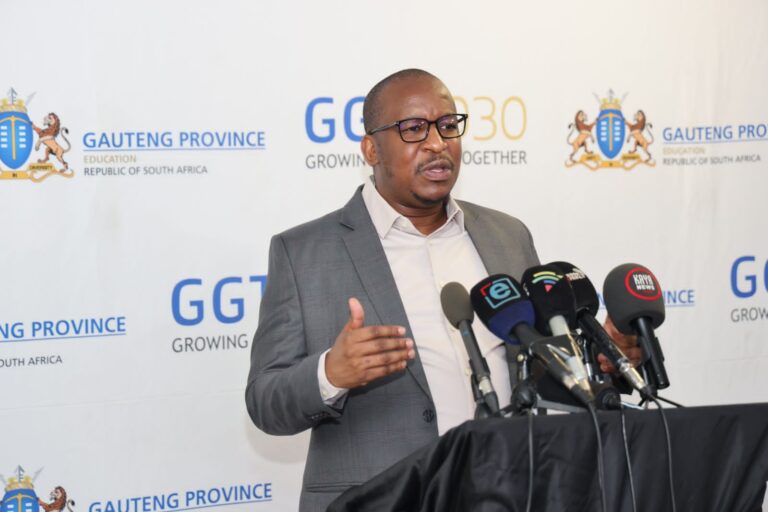
MEC for Education and Youth Development Matome Chiloane praised the achievements on display at the Schools of Specialisation (SoS) Festival and said  the programme is about post-matric career pathing for learners and with the resources, facilities and support required to prepare learners for work and for life beyond school.

MEC Chiloane made a keynote address ahead of the festival held in Milpark, Joburg on Saturday which saw over thirty stalls set up, representing the province.

Chiloane said through the SoS, the intention is to produce learners who have accumulated a well of technical skills; and who have skills in leadership, good citizenship and entrepreneurship; and a range of soft skills such as interpersonal relations, among others.

“Today is truly not a day for speeches. We are here today to celebrate and have the various schools of specialization experience each other’s greatness that they have been hearing of,” Chiloane said.

The MEC said the department was proud of all the schools where education is focused and targeted on a specific industry or economic activity for which learners can be prepared to understand and appreciate the nature of the industry.

Chiloane said the winners and achievers of this festival will put Gauteng on the map in relation to advancing innovation and knowledge through the SoS.

He said that he was excited to see the passion and creativity on display and that the future is in good hands with these young minds leading the way.

“I’m grateful for the opportunity to connect with students, educators, and innovators at events like these. Together, we can make a difference in education,” Chiloane said.

The MEC also encouraged more partnerships to propel the SOS programme across more schools in the province, and said these schools have demonstrated over time that the intended objective of developing skills have been achieved.

“The anchor for SoS is partnership. Partnership so that the learners can get bursaries, apprenticeships, and all other opportunities that they require to go further,” the MEC said.

CEO & Founder of Sifiso Learning Group Sizwe Nxasana said that these schools are a shining example of future education not only in the province, but in the country.

“Today we are surrounded by vibrant potential coming from our learners and it shows that it’s not only knowledge but also skills, including problem solving and critical thinking, which would serve the learners well in the future,” Nxasana said.

He said that graduating from the schools of specialisation set the learners apart from any other learner in the country and that all the schools represented were winners in the long run.

INSIDE EDUCATION

School ceiling collapsed: Chiloane denies GDE failed to maintain infrastructure

Johnathan Paoli

Gauteng Education MEC Matome Chiloane has denied reports that the department is failing to sort out decaying infrastructure at schools.

The statement comes after a group of Grade 6 pupils at Umthambeka Primary School in Tembisa were injured on Tuesday when a ceiling board in their classroom collapsed.

The Gauteng Education Department confirmed that 18 Grade 6 pupils sustained injuries and were rushed to nearby hospitals and said that two pupils are still recovering at medical facilities while the others were sent home.

GED Spokesperson Steve Mabona said the cause of the incident is being probed, but that it remained uncertain at this stage.

“The cause of the incident is uncertain at this stage. As such, we have launched an investigation into circumstances surrounding this incident. Further information will be acquired from the School Management Team, School Governing Body (SGB) and the district accordingly,” Mabona said.

The MEC vehemently denied allegations by some that the incident was an example of the department’s failure to actively ensure sustainability of school infrastructure.

“There are a number of schools that we’ve also earmarked for major refurbishments, and these are some of schools, like for instance, Umthambeka, is also earmarked for major refurbishments because the infrastructure is quite old,” Chiloane said.

This comes on the heels of an accusation by EFF member Naledi Chirwa-Mpungose accusing the department of mishandling funds intended to address the infrastructure challenges in township schools.

Chiloane arrived at Soshanguve on Wednesday in order to launch the Lethabong Maths, Science and ICT School of Specialisation with a focus on Automotive technologies, in partnership with BMW South Africa, this being the 34th school of its kind to be launched in the province.

INSIDE EDUCATION

Parental participation in school governance is a must, says MEC Chiloane

Lerato Mbhiza

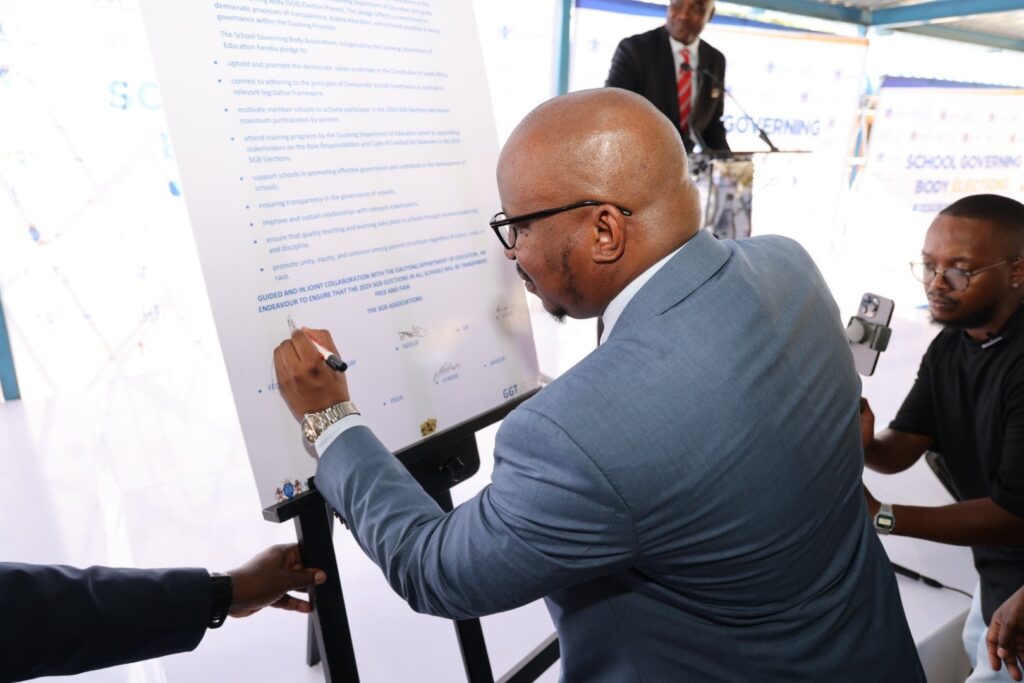
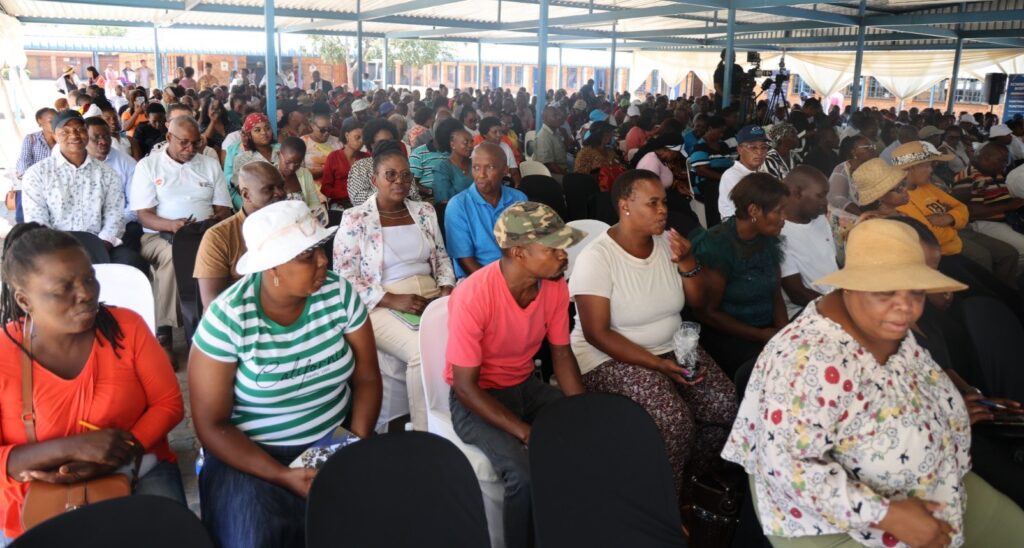
MEC of Education in Gauteng Matome Chiloane officially launched the 2024 School Governing Body (SGB) Elections on Wednesday, at Raymond Mhlaba Maths, Science & ICT School of Specialisation in Tshepisong, Roodepoort and urged the SGB members to appreciate the importance of parental participation in school governance

Video by Tlholohelo Mosala

Every three years, schools in South Africa are expected to elect new SGB members, and the tenth cycle of elections will take place from 1 – 31 March 2024 at all public, ordinary, and special schools throughout Gauteng.

Chiloane said the parents need to ensure they elect people who have the best interest of the school in the upcoming elections.

“Don’t elect people who will cause confusion in schools,” he cautioned.

He added that all schools are urged to adhere to the current regulations and procedures established for conducting SGB elections as outlined in GENERAL NOTICE 786 of 1997.

Chiloane said SGBs serve as guardians and caretakers of the school and set the school culture and climate.

“The SGB election launch determines the school’s vision and mission, values and ethos, and policies,” he said while reminding the parents that SGB is established to ensure quality education for all learners at the school.

“We have every reason to have so much faith in our SGB’s because, upon election, our governors go through several developmental programs by Matthew Goniwe School of Leadership and Governance to ensure that they are fit for purpose,” he said.

On challenges faced by the school, Chiloane said SGB needs to find new ways to help the school, such as cleaning the premises and finding people to help patrol the facility if there is a crime taking place..

The SGB chairperson of Thulani secondary Nkosinathi Thwala said the coming elections are coming at a time where schools have difficulties such as school learners killing each other learners and shooting principals.

Thwala said members of SGBs need help from the parents to join hands with the school. SGB is in order to have a school that’s functional .

“We need help as pupils misbehave, such as fighting after school. We need parents to join hands with parents to reduce this situation”.

Noxolo Mtetwa from Slovoville primary school SGB Treasure said they welcomed the elections of which will bring new members of SGB

Makie Mtonga from Westridge High School said they need to move parents to be involved, and in her school, they need all parents to be involved in the school performance.

“It needs school governance parents and SGB .. The challenges that we face, such as school learners misbehaving in school and when you call parents in parents, don’t show up for meetings “

INSIDE EDUCATION