Home Blog Page 2

GDE flags rising violence, vandalism in schools

By Charmaine Ndlela

The Gauteng Department of Education (GDE) has raised concern over persistent safety challenges in schools, reporting more than 4,600 incidents of violence and over 4,100 cases of vandalism across the province over the past five years.

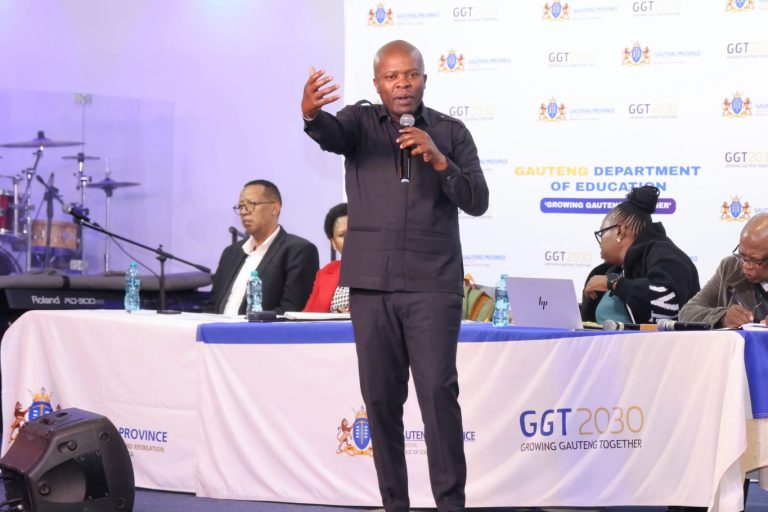
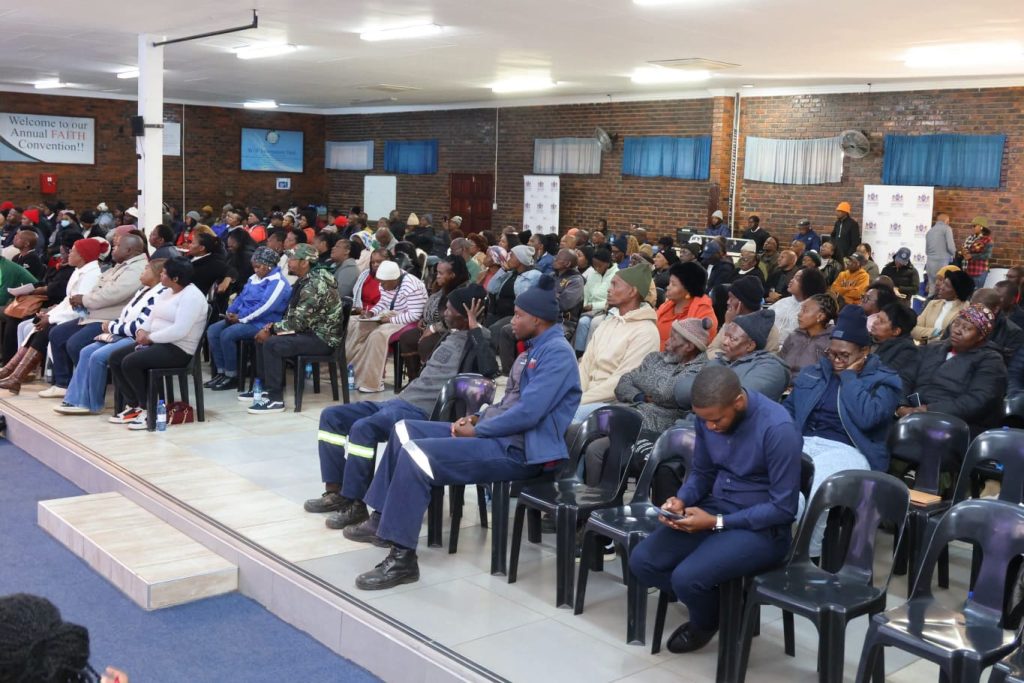
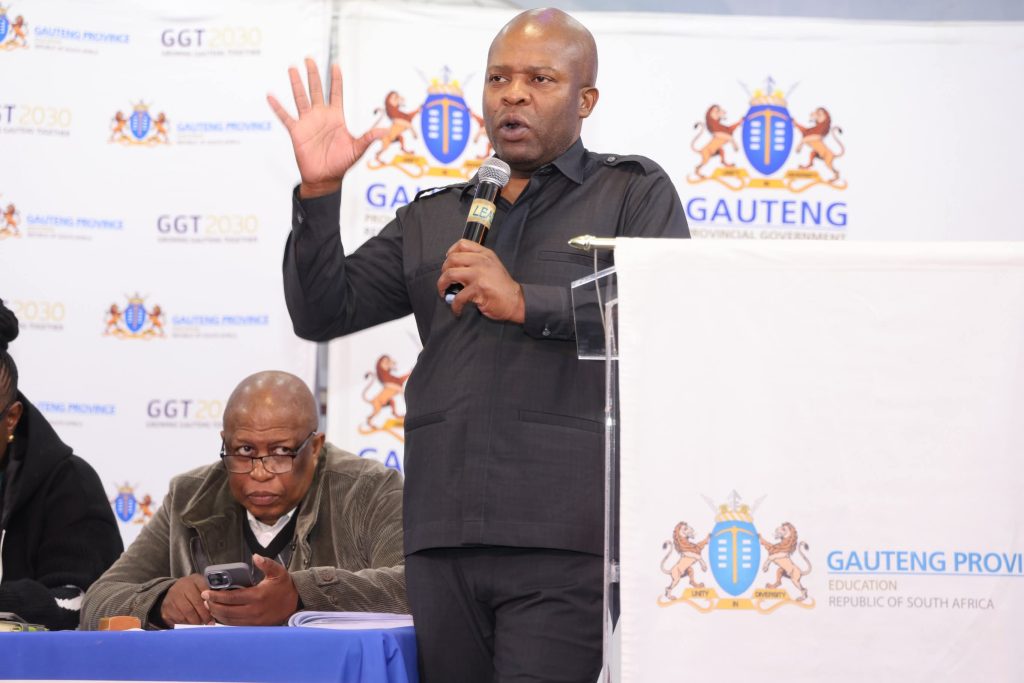
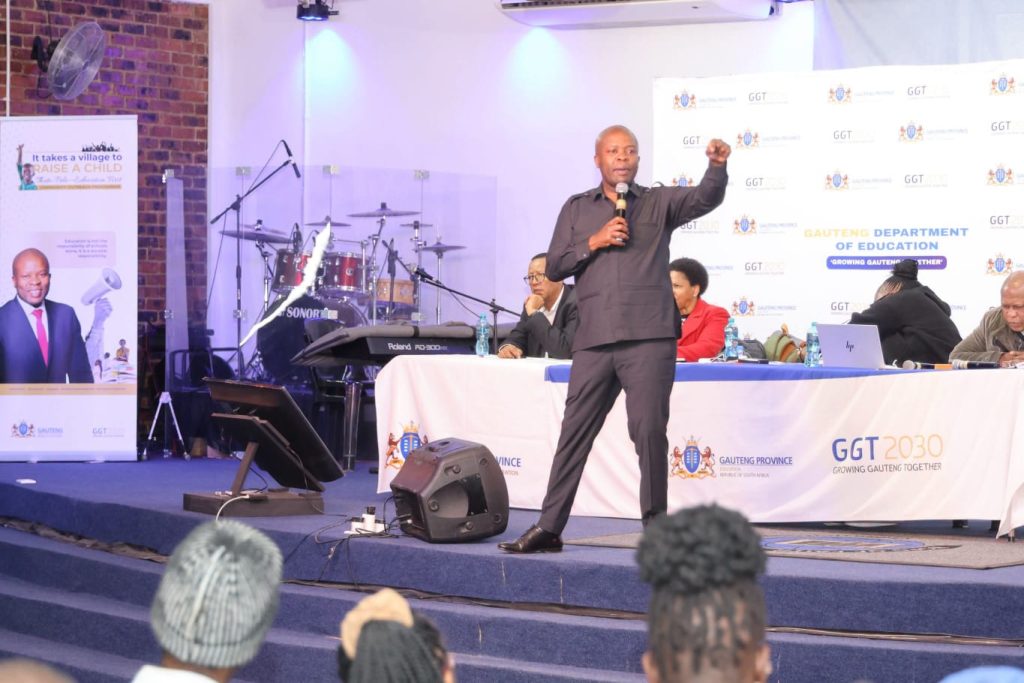
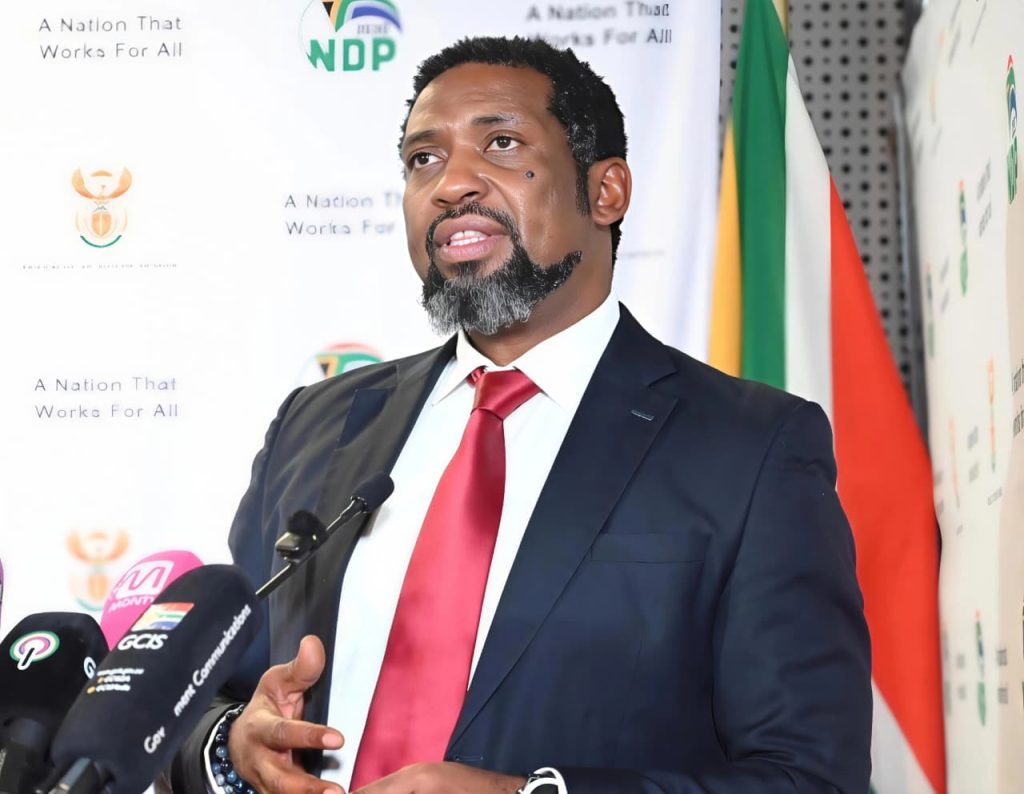
Gauteng Education MEC Lebogang Maile released the figures during a school safety media briefing held at the Gauteng Gambling Board in Bramley, Johannesburg, on Sunday.

The department said Gauteng remains one of the country’s major crime hotspots, with 118,311 crimes recorded in 2026 — accounting for 26% of all crimes nationally.

Research by the Centre for Justice and Crime Prevention shows a direct link between community crime levels and incidents in schools.

During the same period, nearly 400 cases of sexual misconduct and about 1,400 search-and-seizure incidents involving prohibited items were recorded at schools.

“These numbers are a concern because they indicate that our schools are under threat,” Maile said.

The department said incidents have fluctuated year-on-year, but violence, vandalism, substance-related offences and learner misconduct remain major disruptions to teaching and learning.

Maile said the provincial department is working with the South African Police Service (SAPS) under a 10-point protocol signed in 2025 to strengthen safety measures in schools.

“The protocol allows us to improve reporting, monitoring, searches and seizures, and to ensure we are able to collect and analyse information consistently so that targeted interventions can be implemented where they are needed most,” he said.

He added that school safety challenges reflect broader social conditions affecting communities.

“Crime, violence, substance abuse and social instability continue to affect our communities and increasingly find expression within our school environments. This is why our Thuto Pele campaign, under the theme ‘It Takes a Village to Raise a Child’, seeks to mobilise communities to become active partners in protecting our schools and learners,” Maile said.

He stressed that safe schools are essential for effective teaching and learning.

“Learners cannot learn effectively in environments characterised by fear, intimidation and violence. Equally, educators cannot teach optimally in unsafe conditions. Safe schools are therefore not only a security imperative, but an educational imperative,” he said.

Community consultations under the Thuto Pele campaign have highlighted ongoing concerns, including bullying, learner-on-learner violence, substance abuse, theft, vandalism and crime around school premises.

Parents also raised concerns about learner safety on their way to and from school.

The department said school safety efforts also include mental health and psychosocial support.

Through a partnership with the South African Depression and Anxiety Group (SADAG), more than 11,000 learners and over 150 educators took part in mental health awareness and suicide prevention programmes in April 2026.

The Teddy Bear Foundation supported more than 100 schools with trauma and abuse interventions, while the Isibindi Ezikoleni Programme reached over 35,000 learners through awareness campaigns and support services.

A comprehensive environmental analysis by the Matthew Goniwe School of Leadership and Governance assessed more than 1,300 schools in Gauteng and identified 245 high-risk institutions requiring targeted intervention.

It found that gang violence, bullying, substance abuse, theft, vandalism, sexual harassment and surrounding criminal activity remain key safety threats in schools.

To address these challenges, the department has installed CCTV systems at 606 schools and strengthened partnerships with SAPS, alongside expanded mental health programmes.

Maile said interventions must be guided by evidence and community input.

“We remain committed to ensuring that school safety interventions are informed by evidence, community engagement and the lived experiences of learners, educators and parents,” he said.

He added that school safety goes beyond security.

“It is also a learner development issue, a community development issue and ultimately an educational quality issue.”

The department said it is reviewing its School Safety Strategy, with a revised framework expected later this year.

The updated strategy will focus on prevention, early intervention, improved coordination and technology-driven solutions.

Maile said the safety of learners and educators remains non-negotiable, calling on parents, school governing bodies, faith-based organisations and civil society to play an active role in protecting schools and strengthening safe learning environments.

INSIDE EDUCATION
NSFAS, SIU welcome court ruling invalidating student payment tender

By Charmaine Ndlela

The National Student Financial Aid Scheme (NSFAS) and the Special Investigating Unit (SIU) have welcomed a Western Cape High Court ruling declaring the student allowance payment tender involving four service providers unlawful, invalid and unconstitutional.

In a joint statement, the entities said the judgment marked a significant step towards strengthening governance, transparency and accountability in the administration of student financial aid funds.

The court on June 12 ruled that the procurement process which led to service-level agreements between NSFAS and eZaga Holdings, Coinvest Africa, Noracco Corporation and Tenet Technology was unconstitutional, unlawful and invalid.

The ruling follows years of controversy over the appointment of fintech companies to distribute NSFAS allowances to students.

In 2023, the NSFAS board moved to terminate its relationship with the service providers after a report by Werkmans Attorneys uncovered irregularities in the awarding of the contracts.

The investigation also highlighted an alleged relationship between former NSFAS chief executive officer Andile Nongogo and two service providers, Coinvest Africa and eZaga Holdings, raising concerns about whether adequate due diligence had been conducted before the contracts were awarded.

According to the judgment, the procurement process was tainted by several irregularities, including improper tender cancellations, irregular drafting and approval of bid documents, non-compliance with mandatory requirements and the absence of key internal controls.

NSFAS and the SIU said the ruling vindicated their efforts to identify and address governance failures within the student funding scheme.

“The judgment not only vindicates our efforts in identifying and addressing significant governance failures but also reinforces our resolve to root out maladministration and safeguard the integrity of public procurement processes,” the statement said.

The court, however, found no evidence that the service providers were complicit in corruption, maladministration or other wrongdoing.

As a result, the companies may submit claims for reasonable expenses and profits incurred while fulfilling their obligations under the now-invalid contracts. Any claims will be independently verified before compensation is paid.

NSFAS said it would engage constructively with the affected companies to implement the compensation process in line with the court order.

The scheme also reassured students, parents and the public that it remains committed to restoring confidence in the administration of student financial aid and ensuring public funds are managed with integrity and accountability.

INSIDE EDUCATION

Private sector-funded bursary scheme proposed to expand tertiary access

By Charmaine Ndlela

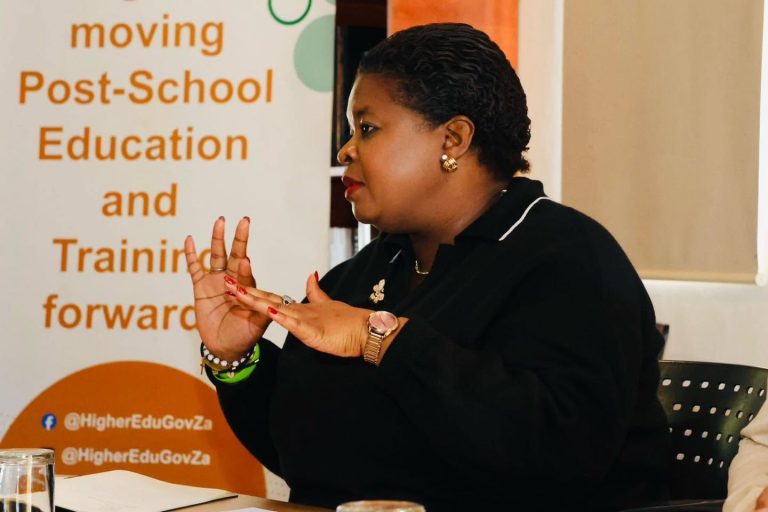
A proposal for a private-sector-funded bursary scheme has emerged from Deputy Higher Education and Training Minister Dr Mimmy Gondwe’s engagement with private higher education institutions, just days after she called on the sector to help expand access to tertiary education.

Gondwe met with private higher education providers and industry associations on Monday as part of a sector-wide dialogue aimed at identifying practical solutions to South Africa’s growing demand for post-school education and training.

During the discussions, she urged the sector to play a greater role in widening access and assisting government to address capacity constraints in the public higher education system.

The first phase of the engagements has now concluded with a proposal to establish a bursary fund financed, administered and managed by private higher education institutions.

According to the Department of Higher Education and Training, private institutions currently enrol about 313,000 students—roughly 30% of all higher education enrolments in South Africa—while public universities accommodate about 1.1 million students.

The department said the proposed bursary scheme could provide financial support to students at private institutions and help broaden access to tertiary education at a time of increasing pressure on public resources.

The proposal gives practical effect to issues raised during Monday’s discussions, where Gondwe emphasised the need to move beyond annual conversations on access and identify tangible interventions to create more study opportunities for school-leavers.

“Given the tightening fiscal environment in the public sector, we now have to think outside the box and consider collaborating more closely with the private sector to support students and build meaningful public-private partnerships,” Gondwe said.

She said such partnerships could strengthen skills development and improve employability, while easing pressure on the public higher education system.

Beyond the bursary proposal, the engagements identified several areas for deeper collaboration between government and private providers.

These include investment in infrastructure, the establishment of specialised universities, curriculum innovation aligned to labour market demands, and creating a more enabling environment for responsible private investment in higher education.

The discussions also focused on strengthening public-private partnerships to improve skills development, infrastructure expansion and graduate employability.

Participants included ADvTECH Group, Regent Business School, STADIO, Eduvos, the Da Vinci Institute, Boston City Campus, and private higher education associations.

INSIDE EDUCATION

South Africa’s reading crisis demands urgent intervention, committee hears

By Lebone Rodah Mosima

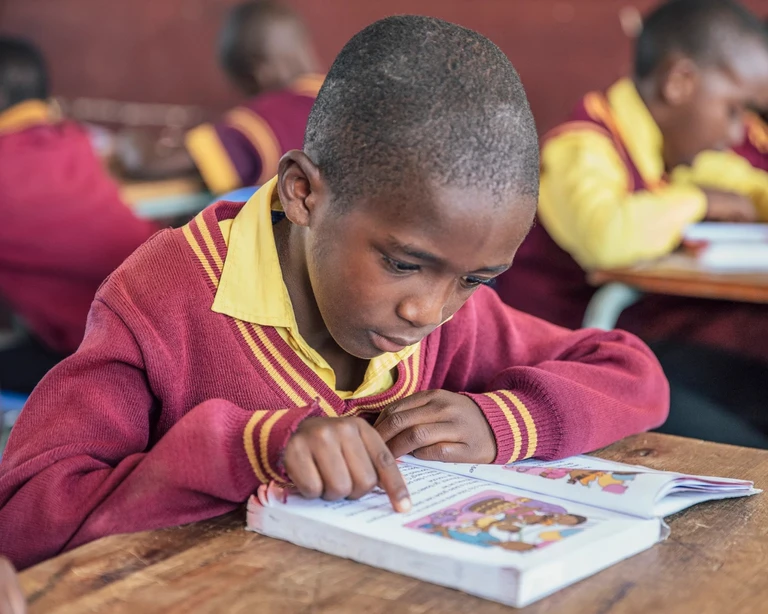
The Portfolio Committee on Basic Education has warned that the inability of most South African learners to read for meaning by the prescribed age constitutes a violation of their constitutional right to basic education.

The committee was briefed on Friday by the Right to Read Campaign, a coalition of civil society and education organisations advocating for improved literacy outcomes and the right of every child to read with understanding.

“The Right to Read Campaign aims to make early-grade literacy a national priority through legislative reform and the development of binding regulations for the first three grades,” the campaign told the committee.

It said its work focuses on advocacy and communications, legal and education interventions, and community mobilisation, with the goal of developing regulations in partnership with the Department of Basic Education (DBE).

The campaign’s Right to Read and Write background paper, developed by 19 members of the Section 11 Committee, argues that a core outcome of the right to basic education is that children should be able to read and write with understanding in their home language by the age of 10.

The committee highlighted findings from the Funda Uphumelele National Survey (FUNS), released by the DBE in November 2025, which assessed foundational reading skills among Grade 1 to 4 learners and reading comprehension in Grades 3 and 4.

According to the survey, only about 30% of learners in Grades 1 to 3 are reading at grade level. The committee noted that if 81% of Grade 4 learners cannot read for meaning, as reflected in the 2021 Progress in International Reading Literacy Study (PIRLS), it follows that most learners have not developed the foundational skills required for reading proficiency.

The survey also revealed stark disparities linked to socio-economic status and language. Grade 3 learners in quintile 5 schools were almost three times more likely to meet grade-level home-language benchmarks than those in quintile 1 schools.

Grade 3 English home-language learners were four times more likely to reach the required benchmark than Sepedi home-language learners, while the Western Cape recorded the highest proportion of learners meeting grade-level standards, followed by KwaZulu-Natal.

The committee further expressed concern about the number of learners who appear to gain little benefit from their first three years of schooling. Overall, 15% of Grade 3 learners were unable to read a single word, rising to 25% among Sepedi- and Xitsonga-speaking learners.

“Learners in quintile 1 schools are four times more likely to be unable to read a single word than learners in quintile 5 schools,” the committee said.

The committee also cited findings from two South African Standardised Assessment System (SASE) reports released in 2024, which found that only 20% of Grade 3 learners perform at or above the expected grade level.

The reports showed that learners taught in English and Afrikaans generally outperform those taught in African languages. More than 40% of Grade 3 learners in Setswana, Sepedi, Xitsonga, isiNdebele, Sesotho and Tshivenda were classified at the “emerging” performance level.

The committee stressed that learners require a minimum package of reading resources, including lesson plans, graded readers, vocabulary posters and other support materials. It described the new Foundation Phase catalogue as a potentially important intervention but noted that implementation remains uneven because provinces are not compelled to procure specific materials and some face budget constraints.

It said evidence from rigorously evaluated literacy interventions in South Africa points to three key success factors: quality teacher training combined with learning and teaching support materials (LTSM), the use of unemployed youth as teaching assistants, and teacher coaching supported by appropriate learning materials.

The committee noted that some interventions could be implemented through existing programmes and funding streams, including teacher development initiatives, LTSM provision and the Basic Education Employment Initiative (BEEI).

It said research papers on the “4Ts” of literacy — time, text, testing and training — are being prepared and will be submitted to the Department of Basic Education through the National Education and Training Council.

The campaign is also convening roundtable discussions with education experts and stakeholders and consulting communities, including parents, religious leaders and young people, to test proposed regulations and build consensus on solutions to the literacy crisis.

The committee said it would continue discussions on how binding regulations could strengthen the implementation of literacy policies and programmes aimed at addressing South Africa’s reading crisis.

INSIDE EDUCATION

Fort Hare tops EC universities in national research rankings

By Charmaine Ndlela

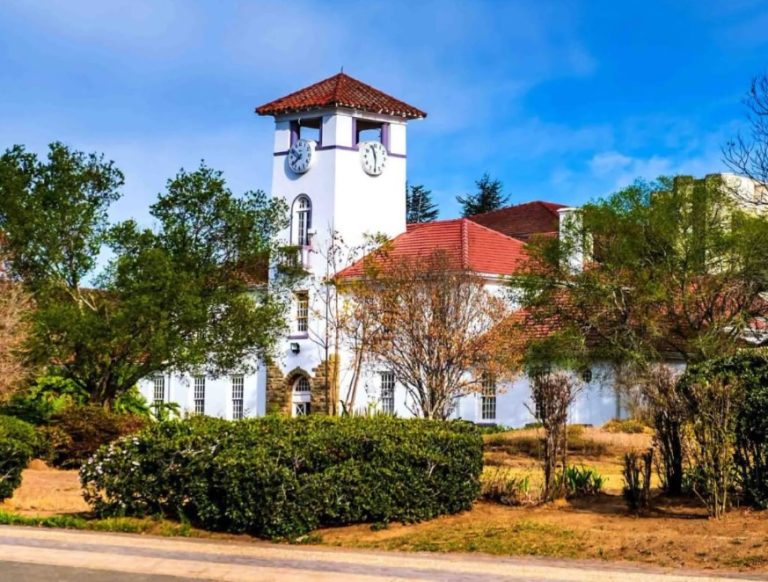
The University of Fort Hare (UFH) has emerged as the top-performing university in the Eastern Cape for research output, outperforming several institutions and ranking among South Africa’s leading research universities.

According to the 2024 Department of Higher Education and Training (DHET) Research Outputs Sector-Wide Report, released this month, UFH achieved a weighted per capita research output score of 2.39, surpassing the national average of 2.23.

The score places Fort Hare among only 11 universities nationally that performed above the sector benchmark and makes it the highest-ranked university in the Eastern Cape on the key measure of research productivity and postgraduate success.

UFH also outperformed several institutions, including the University of South Africa (Unisa), which recorded a score of 2.34, and Rhodes University, which achieved 2.36.

UFH Director of Research and Innovation Dr Aceme Nyika said the achievement reflects the university’s commitment to conducting research that responds to societal challenges.

“As an institution that is rooted in communities and conducts research which addresses issues that affect communities, excelling in research means that UFH is making a significant contribution to the socioeconomic development of communities in the Eastern Cape,” he said.

Nyika said the ranking demonstrates the progress made by the university despite historical challenges.

“Being the only historically disadvantaged university among the top 11 universities in the country demonstrates that UFH is making strides in transforming itself into a research-focused university against all odds,” he said.

The university attributed its improved performance to a series of interventions introduced after research output declined between 2017 and 2021.

A major turning point came in 2021 when the institution separated its Academic Affairs Division into dedicated Teaching and Learning and Research, Partnerships and Innovation portfolios, allowing for greater focus on research development.

UFH also introduced mentorship programmes for emerging academics, research seed grants and specialised training programmes to strengthen research capacity.

As part of its research strategy, the university identified five key focus areas: renewable energy; agriculture and climate change; infectious diseases and medicinal plants; township economies; and African liberation heritage.

The institution has also intensified efforts to secure research funding from the private sector, national partners and international collaborators.

The impact of these initiatives is evident in the growth of National Research Foundation (NRF)-rated researchers at the university. The number increased from 29 in 2021 to 53 in 2025, representing growth of nearly 83%.

The university also achieved its first-ever B1 NRF rating in 2025 after producing two B2-rated researchers the previous year.

Postgraduate research capacity has expanded significantly. The proportion of permanently employed academics holding doctoral qualifications increased from 47% in 2022 to more than 65% in 2025, strengthening supervision capacity and contributing to higher master’s and doctoral graduation rates.

“The university’s improved postgraduate throughput contributed to its weighted per capita research output, which has now surpassed the national average,” Nyika said.

UFH plans to further strengthen its research and innovation profile through the establishment of a new Research and Innovation Hub, for which funding has already been secured.

The facility is expected to support collaboration between researchers, industry and investors while helping to commercialise innovations developed at the university.

The university said it is also advancing plans to establish a Faculty of Veterinary Sciences, building on its strengths in agricultural and animal science research.

INSIDE EDUCATION

Youth Month| Sergeant Niemand saddles up for crime fight

Staff Reporter

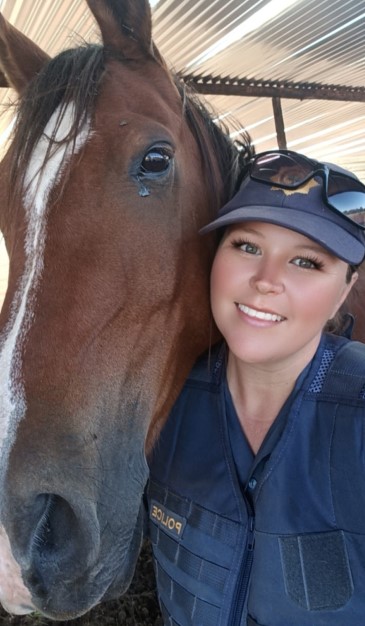
Sergeant Marline Niemand is part of a new generation of police officers using mounted policing to reach areas where vehicles cannot easily tread.

A SAPS horse rider with the Ekurhuleni Mounted Unit in Gauteng, Niemand carries out crime-prevention duties on horseback, patrolling areas such as mountainous terrain, riverbanks, farms and informal settlements.

Her four-legged colleague, “Bujo”, has become what she considers a loyal best friend, helping her serve communities and fight crime in a unique way.

Niemand joined the police in 2012 at the age of 21 after applying while serving as a volunteer at Springs Police Station.

Now 35, she remains driven by what “an unwavering passion for policing and a determination to expand her knowledge on every aspect of law enforcement”.

Becoming a police officer had always been her dream, although her mother initially had reservations about her chosen career path.

With her father being a police officer and her role model, SAPS said it was “only meant to be” for Niemand to fall in love with the profession.

She was ready to submit her application to join the organisation when she turned 18, but did not have her mother’s blessing at the time. However, Niemand refused to give up on her dream and three years later she was enlisted.

Her love and passion for animals first attracted her to the K9 Unit.

Niemand said she admires horses for their intelligence and enjoys the specialised nature of mounted policing.

Performing crime-prevention duties on horseback is pure joy for her, despite having no horse-riding experience before joining the unit.

She trained for the Basic Mounted Riding and Stable Official courses at the Potchefstroom Mounted Academy, where SAPS also breeds its horses.

“It is said that one policeman on a horse back is equal to 20 policemen on foot,” said Niemand.

In celebration of Youth Month, SAPS said it was highlighting the energy, dedication and leadership of young officers through its national campaign, “SAPS Youth – Leading the Reset Agenda.”

This year’s campaign recognises young men and women in blue who are playing an active role in advancing the SAPS’ vision of professional, ethical and community-focused policing.

In a message to South African youth, Niemand said: “I joined the SAPS because it is my calling, my passion, my childhood dream. I will continue to serve my community with dignity, honour, and pride.”

INSIDE EDUCATION

WATCH: Build up to FIFA World Cup 2026 opening ceremony

0

Inside Politics Reporter

The countdown is over, and the world’s biggest football spectacle kicks off tonight in Mexico City as the 2026 FIFA World Cup officially opens.

Fans across the globe are gearing up for the highly anticipated opening ceremony, a dazzling showcase of music, culture, and football spirit that sets the stage for a month-long celebration of the beautiful game.

South Africa’s own Bafana Bafana will face Mexico in the tournament’s opening clash, carrying the hopes and pride of the nation.

Government has called on citizens to unite behind the team by wearing green or gold on Bafana Fridays and sharing in the excitement of this historic moment.

Stay tuned as the opening ceremony unfolds, a spectacular fusion of tradition and modern energy, marking the start of football’s greatest show.

Tyla is set to sing the South African national anthem during the opening ceremony of the 2026 World Cup.

The South African star will take center stage as part of the official opening ceremony celebrations.

Footage by SuperSport

Footage by Sky News

INSIDE EDUCATION

Maile warns municipalities against cutting services to Gauteng schools

0

By Charmaine Ndlela

Gauteng Education MEC Lebogang Maile has warned municipalities against cutting water and electricity to schools over disputed bills, saying service interruptions disrupt learning and place additional pressure on already struggling communities.

Maile’s warning follows complaints from school communities in Emfuleni, where parents, school governing body members and principals accused the municipality of threatening to disconnect schools over disputed municipal accounts, including at schools where they said meters had not been installed.

Speaking during a community engagement at Sebokeng Technical School Hall on Wednesday, Maile said municipalities should engage the Gauteng Department of Education (GDE) before taking action.

“I don’t understand why a municipality would find it easy to switch off services at a school and disrupt schooling. We will write to Emfuleni on these matters,” Maile said.

The meeting, attended by parents, school leaders and stakeholders from Sebokeng, Bophelong and surrounding areas, formed part of the province’s It Takes a Village to Raise a Child programme, a two-month initiative aimed at strengthening direct interaction between government, education stakeholders and communities on challenges affecting schools.

Stakeholders at the meeting said some schools were being billed “arbitrarily” and were not receiving adequate explanations for municipal charges. They said threats of disconnection were worsening pressure on schools already grappling with overcrowding, ageing infrastructure and social challenges.

In May, Maile said schools in the province owed municipalities R583.9 million in debt older than 60 days by the end of March 2026, while municipalities had physically cut electricity to at least 36 schools and more than 500 schools had been flagged for some form of billing-related disconnection.

A written response previously tabled in the Gauteng Provincial Legislature showed that 536 schools had experienced some form of billing-related disconnection in 2025, including 293 schools that were without services for at least 30 days and 16 schools that had water, electricity, waste and sewerage services disconnected simultaneously.

Maile said municipalities and the education department needed to work together to resolve billing disputes instead of resorting to service interruptions.  

Community members also raised concerns about school infrastructure and overcrowding, calling for decommissioned schools in the area to be reopened to ease pressure on existing institutions.

Maile said the department was exploring several options to address overcrowding.

“The department [is] also looking at buying former missionary schools and renovating them as a measure of dealing with overcrowding in some parts of Gauteng,” he said.

Former Orlando Pirates goalkeeper Avril Phali also attended the event and encouraged the department to strengthen school sport programmes as a way of keeping young people away from crime and social ills.

Maile said the province was considering installing cameras in classrooms to help tackle bullying, crime and violence.

INSIDE EDUCATION

DHET to gazette legacy qualification extensions in skills overhaul

0

By Akani Nkuna

Higher Education and Training Minister Buti Manamela said on Thursday that government will gazette targeted extensions for some pre-2009 qualifications next week, as it moves to phase in a modern occupational qualifications system.

The extensions, expected to be published in the Government Gazette on Monday, form part of transitional arrangements under the Directive on Transitional Arrangements for Pre-2009 Qualifications, which was published on 3 June 2024.

Minister of Higher and Training Buti Manamela Buti Manamela on developments regarding the modernisation of qualifications at GCIS Headquarters in Pretoria. Photo: Eddie Mtsweni

“As government advances the transition towards a modernised occupational qualifications system, our foremost priority is to protect the value of qualifications, uphold public confidence in the skills development system, and ensure that every learner is afforded a fair and meaningful pathway to success and employability,” Manamela said.

“This transition is about far more than the replacement of legacy qualifications. It represents a fundamental step in building a more responsive, relevant and future-focused skills development system aligned with the needs of a rapidly evolving economy.”

He said the transition was one of the most significant reforms in South Africa’s post-school education and training system.

The directive established a policy framework to move South Africa from pre-2009 qualifications towards a modern occupational qualifications system that better reflects workplace requirements, technological advancement and the changing needs of the economy.

Its objectives include ensuring an orderly transition to a modernised qualifications framework, accelerating the development and implementation of occupational qualifications, strengthening the responsiveness and credibility of qualifications, improving alignment between education, training and labour market needs, and reinforcing accountability among SETAs, quality councils and other implementing bodies.

Manamela said substantial progress had been made through collaboration between the DHET, the South African Qualifications Authority, Quality Council for Trades and Occupations, SETAs, public institutions, Skills Development Providers and industry stakeholders.

To date, 948 occupational qualifications and part-qualifications have been registered on the National Qualifications Framework.

When the directive was issued, 1,475 pre-2009 qualifications had reached their registration end date.

Following consultation with stakeholders, 630 qualifications were approved for learner enrolment extension, while the remaining qualifications were deregistered because they had no learner enrolment or had been replaced by occupational qualifications.

“All affected qualifications allowed currently enrolled learners sufficient opportunity to complete their studies,” Manamela said.

He said government had assessed qualifications individually and grouped them according to their readiness and impact on learners and the skills development system.

Pre-2009 qualifications that qualify for further transitional support will receive targeted extensions ranging from six to 24 months, depending on sector readiness, learner impact, the availability of replacement qualifications and labour market requirements.

“These are not blanket extensions — each qualification has been assessed on its own merits,” Manamela said.

ALSO READ: Where to watch the big match: Bafana Bafana vs Mexico

The list of qualifications approved for extension will be published in the Government Gazette and on the SAQA website, together with the affected qualifications and their replacement occupational qualifications.

Manamela said learners currently enrolled in affected qualifications may continue their studies within the approved transitional arrangements, while accredited Skills Development Providers should familiarise themselves with the applicable extension periods and teach-out requirements.

The department has also issued separate teach-out arrangements for NATED Report 190-1 programmes because of their continued relevance in the education and training landscape.

“Students currently enrolled in N4 to N6 programmes should therefore continue with their studies as planned and should not be concerned that their qualifications will lose recognition,” Manamela said.

The department is working with SETAs, industry partners and other government departments to facilitate placement opportunities that will allow qualifying students to complete their National N Diplomas.

Manamela said government would grant extensions of up to three years for regulatory unit standards that continue to underpin statutory and industry programmes, to allow regulators and industries time to review programme requirements and transition to replacement occupational skills programmes.

For trades, he said no further extension would be required where occupational qualifications had already been developed and implemented. However, targeted transitional arrangements of about one year may be considered where replacement occupational qualifications have not yet been fully developed or implemented.

The department has appointed a technical task team to oversee and coordinate the transition process.

Manamela said the team would identify and resolve implementation bottlenecks, monitor progress against clear timelines, and coordinate workstreams dealing with communications, legal and regulatory matters, SETA coordination, data management, assessment to certification, quality assurance, TVET rollout, funding norms and monitoring and evaluation.

He said the department, with support from SETAs, facilitates the placement of about 21,000 TVET students in workplaces annually.

The department was also prioritising engagements with public- and private-sector employers to expand work-integrated learning opportunities, while exploring funding mechanisms with SETAs, the National Skills Fund and employers.

“Every qualification that has already been awarded remains valid, recognised and recorded on the National Learners’ Records Database (NLRD),” he said.

He said legacy qualifications had contributed meaningfully to workforce development and economic participation over many years, but the economy had changed and the skills system had to adapt.

“However, these qualifications have favoured the classroom over the workshop. What we are introducing are qualifications that guarantee practical experience and workplace placement,” Manamela said.

ALSO READ: Undercover cops to be deployed along Comrades route

DDG responsible for TVET Colleges, Sam Zungu, said TVET colleges had experienced an oversupply in areas such as Office Administration, Human Resource Management, Public Administration and Marketing, where demand was not matched by the number of students enrolled.

He said these programmes were under review to ensure TVET colleges offer skills that are in demand.

He said after requests from the mining sector, TVET’s would be amplifying drone technology and robotics.

Manamela said the reforms were aimed at building public confidence in the post-school education and training system and making qualifications more responsive to industry needs.

“Our objective is clear: to build a qualifications system that commands public trust, meets the demands of industry, supports economic development and equips South Africans with the skills required to thrive in the jobs of today and the opportunities of the future,” he said.

He said SAQA and the QCTO would continue to monitor implementation, qualification uptake, learner progression and overall system performance beyond the extension period, in collaboration with SETAs, Skills Development Providers, TVET colleges, employers and industry stakeholders.

“Finally, South Africa is moving towards a modern, high-quality occupational qualifications system that responds to the needs of industry, strengthens the competitiveness of our economy and expands opportunities for all. This transition is the beginning of a stronger, more responsive and future-ready skills development system that will serve generations of South Africans to come,” Manamela said.

INSIDE EDUCATION

Where to watch the big match: Bafana Bafana vs Mexico

0

By Levy Masiteng 

South Africa is ready. The wait is finally over as Bafana Bafana return to football’s biggest stage when they take on Mexico in the opening match of the 2026 FIFA World Cup on Thursday night, local time. 

Across the country, fan parks, shopping centres and public viewing venues are gearing up for what promises to be a memorable night of football, music and national pride. Whether you want to celebrate with thousands of supporters or enjoy the action with family at home, here are some of the best places to catch the big game.

Mall of Africa, Midrand

One of the biggest public viewing events in Gauteng will take place on the lawns near the food court at Mall of Africa. Deputy Minister of Sport, Arts and Culture, Peace Mabe, will join supporters alongside Bafana Bafana legends for an evening filled with football fever.

Fans can look forward to live entertainment, featured artist performances, spot prizes and exciting supporter experiences. 

Gates open at 18:00 and entry is free on a first-come, first-served basis. 

Melrose Arch, Johannesburg

The Piazza and Square at Melrose Arch will transform into a vibrant fan park atmosphere with giant LED screens showing the match live. Supporters are encouraged to arrive early, dress warmly and soak up the electric atmosphere.

With restaurants and entertainment venues surrounding the viewing area, it is expected to be one of Johannesburg’s most popular destinations for the World Cup opener. 

The Pavilion Shopping Centre, Durban

Football fans in KwaZulu-Natal can head to The Pavilion Shopping Centre in Westville. Gates open at 18:00, with live performances from DJ Tira and the Q Twins adding to the excitement before kick-off.

The combination of football, music and family-friendly entertainment promises an unforgettable evening for supporters.

Makhado Crossing, Limpopo

Limpopo supporters can gather at Makhado Crossing for a full day of entertainment. Gates open at 14:00, giving fans plenty of time to enjoy music, food stalls, family activities and competitions before the match begins.

Supporters are encouraged to wear their green and gold colours, with prizes up for grabs throughout the day.

Lemo Green Park, Bloemfontein

Free State football lovers have their own World Cup celebration at Lemo Green Park in Bloemfontein. The venue will host a dedicated fan park experience from 18:00, featuring live match screenings, entertainment and commentary from soccer legends. 

Cape Town Fan Zones

The Mother City is buzzing with World Cup excitement. Popular viewing venues include the V&A Waterfront’s Time Out Market, Mojo Market in Sea Point and several fan-friendly venues across the city. 

Supporters can expect big screens, food, music and an atmosphere worthy of the occasion as Bafana Bafana begin their World Cup journey.

Watching from home

For viewers at home, the match kicks off at 21:00 and will be broadcast live on SABC Sport, SABC 1, and SABC 3, with streaming available on SABC Plus and SABC Sport’s live platform.

Shaaaapaaa Bafana Shaaaapaaa!

INSIDE EDUCATION