As schools close and families enter the festive season, parents, caregivers and guardians are urged to place the safety and well-being of children at the centre of their holiday plans.
With children spending more time at home, in public spaces, and online, risks increase significantly when supervision slips.
The festive period is traditionally a time of celebration and travel, but it is also potentially one of the most dangerous times of the year for children.
In South Africa, incidents of child trafficking, kidnapping, road accidents and abuse tend to rise during this period. Parents are encouraged to always know their children’s whereabouts and ensure they are never left unattended in unsafe environments.
Child trafficking has become a crisis that continues to raise alarms and concerns.
According to the Global Report on Trafficking in Persons, published by the United Nations Office on Drugs and Crime (UNODC), there’s been an increase in the percentage of child victims, from 28 per cent in 2014 to 35 per cent in 2021.
Children are trafficked for forced labour, sexual exploitation, forced marriage, exploitative begging, illegal adoption and removal of organs, amongst other things.
Boys are now increasingly targeted for human trafficking for forced criminality. Traffickers exploit vulnerabilities created by poverty, conflict and the effects of climate change.
During school holidays, children often have more free time to play, making supervision critical. Parents are advised to maintain regular communication with their children and teach them basic safety rules, such as never opening doors for strangers, keeping doors locked, and avoiding unfamiliar areas.
Road safety is another key concern during the holiday period. According to the South African National Road Traffic Act, children under the age of three must be secured in an appropriate car seat, while all passengers must wear seat belts on every journey, no matter how short.
The festive season records high numbers of road accidents due to speeding, fatigue and alcohol consumption.
Parents are reminded never to drink and drive, and to ensure their vehicles are roadworthy. Having valid car insurance is also strongly encouraged, as a single moment of distraction can lead to devastating consequences.
With more time spent on digital devices, children also face increased online risks. Parents are encouraged to educate children about responsible online behaviour. Children should be warned not to share personal information such as their location, school or daily routines, and to avoid using geotags when posting online.
Parents should also remind children that strangers online may not be who they claim to be. Children must be encouraged to report any online interaction that makes them feel uncomfortable — especially if someone asks for personal details or attempts to arrange a meeting.
Online predators often target children through social media, email, gaming platforms and messaging apps. Online grooming and child sexual exploitation have increased with the rise of technology, making parental supervision and digital awareness more important than ever.
Crimes against children remain a serious concern in South Africa.
Crimes against children include physical, emotional and sexual abuse, grooming, rape, domestic violence, and violent crimes such as assault or robbery. These acts cause serious harm to a child’s development, dignity and overall well-being.
The effects of child sexual abuse are long-lasting and may include teenage pregnancy, low self-esteem, feelings of worthlessness, lack of trust in adults, distorted views of relationships, and in severe cases, suicidal thoughts. Children who experience abuse are also at an increased risk of future victimisation.
The South African Constitution guarantees the right of everyone, including children, to be protected from all forms of violence, whether from public or private sources.
Some parents and guardians have shared how they are protecting their children during the festive season.
One parent said, “When I leave for work, I prepare everything for my children, then I lock the yard and go with the key.”
Another caregiver explained that her younger sister stays home to look after the children while she is at work.
A parent from Gauteng said she sent her children to stay with their grandparents in a rural village, believing it to be safer than the city.
“Immediately after schools closed, we took the first bus to Nquthu in KwaZulu-Natal for their holiday stay,” she said.
Refilwe Malele said: “I lock them inside the yard together with their friends, then I keep checking how they are playing.”
Davy Tsopo said he plans to keep his boys occupied in positive ways: “I am taking my son and the neighbour’s son fishing. Boys must be boys.”
One parent expressed concern about keeping her child busy while also learning responsibility:
“I am considering getting him a part-time job. He is 11 years old. I want to teach him responsibility, but I don’t even know where to start.”
Children should be supervised at home, during travel and in public spaces to prevent accidents — or them going missing.
By prioritising safety, maintaining open communication and staying informed, parents can help ensure children enjoy a secure and happy holiday period.
In many South African families, the first graduation gown ever worn not only symbolises generational renewal, but also honours personal triumph that transforms family narratives.
Behind every degree lies a community that dared to dream differently.
I think of the countless first-generation graduates who cross the stage each year carrying with them not only their own hopes but also those of their siblings, parents and children. For them, education is not an individual achievement; it’s a collective milestone.
Our country is still marked by deep social and economic divides, and as a result, education remains the most reliable bridge from limitation to liberation.
When you consider this, it makes perfect sense that a single graduate has the power to rewrite a family’s story. One qualification can shift what an entire household believes is possible. That is the quiet, transformative power of learning and its ability to plant seeds of change that bloom across generations.
The ripple effect of learning
When one person studies further, their success radiates outward. A postgraduate qualification is rarely a private victory; it creates ripples that touch everyone around the learner.
It may come in the form of greater financial stability, which supports dependents and reduces the cycle of poverty. It may mean exposure to new ideas that influence how a community approaches problem-solving. Or it could be the inspiration that provides proof that higher education is attainable and worth pursuing.
In many South African homes, the first graduate often becomes the family’s informal career coach, legal adviser and life mentor. Their knowledge extends beyond textbooks; it shapes conversations, decisions and aspirations.
This is especially true for mature learners who attend university for the first time or further their studies while raising children or managing full-time work. Their perseverance teaches resilience, a lesson their children carry into their own lives.
Education’s real influence is measured not in certificates but in changed attitudes: the way it shifts a family’s vocabulary from “if” to “when”, and transforms questions like “Can I?” into “How will I?”
From personal advancement to collective progress
The decision to pursue postgraduate study is often seen as an individual career move, a way to climb the professional ladder or specialise within a field. But in South Africa’s context, it is far more significant than that. Every postgraduate adds to the country’s social capital: an expanding pool of critical thinkers, problem-solvers and innovators who drive economic growth and community development.
Research consistently shows that education enhances social mobility. According to Statistics South Africa, individuals with tertiary qualifications are significantly more likely to achieve stable employment and higher lifetime earnings.
A 2025 policy brief by RESEP at Stellenbosch University further supports this, revealing that the return on tertiary education has more than tripled since 2001. But beyond the economic data lies something less quantifiable than the societal confidence that comes from education. It allows people to participate meaningfully in democratic life, to make informed decisions and to lead with empathy and insight.
When we invest in postgraduate learning, we invest in communities that are better equipped to solve their own challenges. Education becomes the thread that connects personal advancement to collective progress, and each graduate becomes a custodian of national development.
Cases in point would be a nurse who pursues a master’s degree may introduce new health protocols that improve patient outcomes in rural clinics. Or a teacher who completes a postgraduate diploma might develop methods that reduce dropout rates in under-resourced schools.
And perhaps a business leader who furthers their studies could mentor young entrepreneurs in their township. These are not isolated benefits; they are generational catalysts.
Education as legacy
Graduation Day is often described as the end of a journey, but in truth, it’s the beginning of a legacy. The impact of one degree extends far beyond its holder, and a postgraduate qualification often becomes the foundation upon which others build their dreams.
In South African families, especially those where access to education was once a distant dream, the presence of a graduate shifts the family narrative permanently. Younger siblings see possibilities their parents never had. Children grow up believing that excellence is expected, not exceptional. Friends and colleagues find motivation in watching someone in their circle achieve what once seemed impossible.
Education doesn’t just alter economic outcomes; it redefines identity. It gives people the confidence to say, “I come from a family of graduates”, a phrase that carries weight in communities where opportunity was historically withheld. And with each generation that follows, the ripple widens. Postgraduate study, then, becomes more than a personal investment. It is an inheritance, a gift that keeps on giving.
The role of business and society
Organisations, too, play a vital role in sustaining this generational impact. When businesses support postgraduate education through bursaries, study leave, or flexible learning arrangements, they do more than upskill an employee. They invest in a multiplier effect that benefits society at large.
A workforce that values continuous learning results in innovation, inclusivity and long-term resilience. It encourages leadership that is informed, ethical and responsive to social realities. Employers who enable postgraduate study are, in essence, contributing to nation-building.
It follows that businesses which champion education create a culture of aspiration within their teams.
When employees see that learning is celebrated, they are more likely to pursue development themselves, passing that enthusiasm on to their families and communities. The result is a virtuous cycle of growth, one that links organisational success with social progress.
South Africa’s future depends not only on economic reform but on intellectual renewal. That renewal begins with every individual and institution that believes in the transformative power of education.
The knock-on effect
Graduation is not merely a ceremony; it is a moment of generational handover. The cap and gown, of course, represent academic achievement, but more than that, they symbolise responsibility. Each graduate becomes a torchbearer for those who follow, lighting a path towards possibility.
As we celebrate this season of achievement, we are reminded that the effects of education extend further than earning a qualification. The resultant earning power changes lives, beginning with our own and extending to those yet to come.
For mature learners, pursuing postgraduate study is not only a personal milestone; it is an act of legacy-building. It says to future generations, “I have climbed so you can soar.” And that, perhaps, is the greatest gift education gives us: the power to transform one success story into many.
Nandipha Mbhele is an Admitted Attorney of the High Court of South Africa and an academic at Regent Business School.
In classrooms across South Africa, children who race ahead of the curriculum often find themselves waiting for challenges, recognition, and a system built to meet their pace.
How schools respond to gifted learners depends largely on where those schools are and how much they can afford.
In private schools, resources, engaged parents, and specialised staff can help intellectually exceptional students thrive. In the public system, where budgets are stretched and policies are broad, giftedness is often acknowledged only in passing and supported unevenly.
The Department of Basic Education uses what it calls the screening, identification, assessment and support policy, a framework intended to flag learners with “unique educational needs”, which includes giftedness. But implementation varies widely, and much of the responsibility rests on individual schools and teachers.
Kerry Mauchline, spokesperson for the Western Cape Department of Education, said teachers and administrators look for “learners who demonstrate exceptional abilities or potential,” after which district officials, including psychologists, social workers and learning support advisers, step in to craft individual support plans.
“An example of best practice would be Pinelands North Primary School, where gifted learners have the opportunity to explore expanded academic opportunities through discussion groups and additional classes,” Mauchline told Inside Education.
However, she acknowledged that the system “relies on identification at the classroom and school level,” a process that is far from fool proof.
The consequences of missing a gifted child can be profound. Research has shown that students who go unrecognised “may not reach their full potential, leading to boredom, disengagement, and poor academic performance”, and may feel “isolated or unsupported”.
If a gifted child is spotted early and placed in the right environment, their experience can look very different.
At Radford House, a small private school in Johannesburg that specialises in educating gifted children, the emphasis is on promoting curiosity from the earliest years. The school’s approach focuses on “nurturing foundational skills, fostering a love for learning, and providing enriching opportunities”.
Angela Voultepsis, Head of Department for Pre-Primary at Radford House, told Inside Education that the admission process begins with a questionnaire sent to interested parents, asking about their child’s advanced abilities or giftedness.
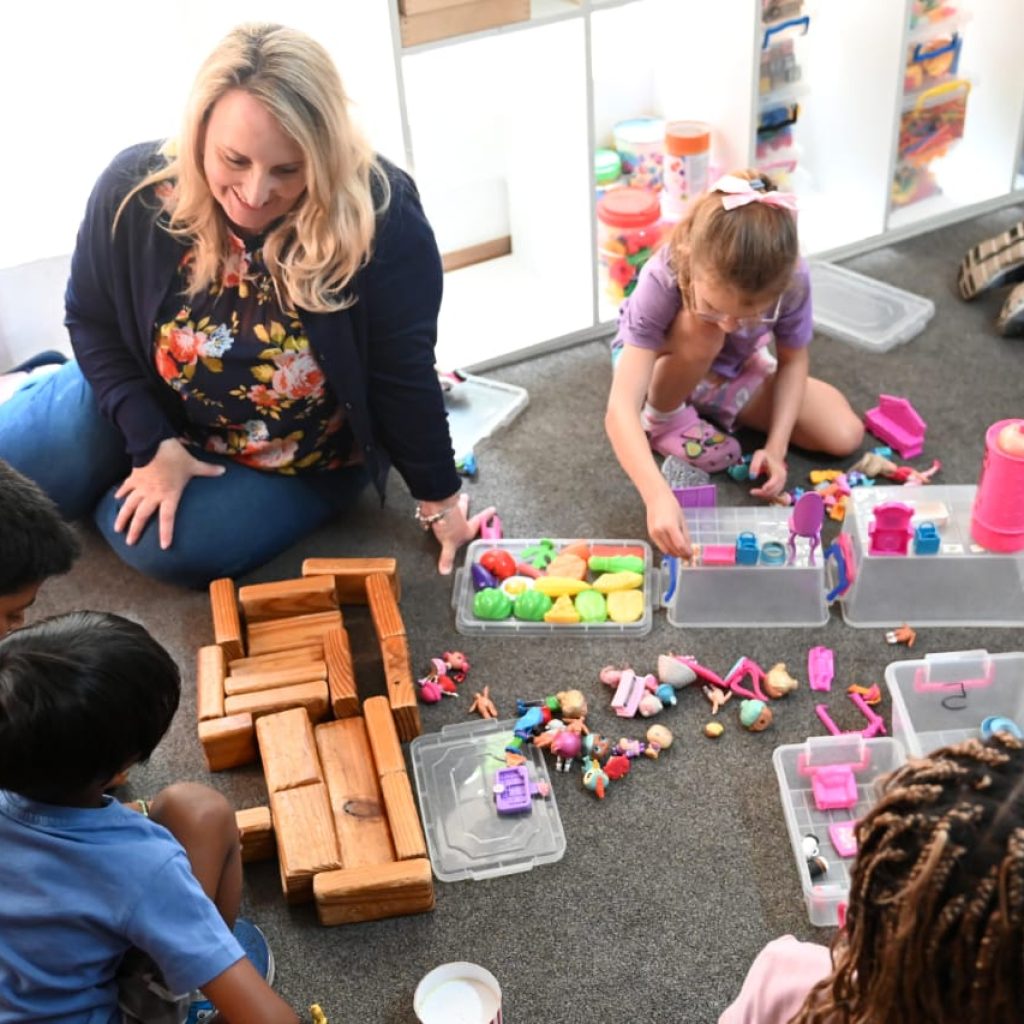
Bright sparks: Angela Voultepsis, Head of Department for Pre-Primary at Radford House, engages with some young learners.
Based on the questionnaire, selected children are invited for a week-long observation, during which they participate in activities and assessments.
“We teach them something new and we do an assessment, then based on the outcomes of those assessments, we would either accept them or say they would not cope in this environment,” Voultepsis said.
Many prospective students have already been assessed by an educational psychologist, who recommends Radford House as the ideal environment for intellectually gifted children.
“Sometimes they’re identified as gifted a little later when the teacher suddenly realises this child is really smart and they’re so capable and need to find another environment for them,” Voultepsis added.
Once accepted, learners aged between four and six years old engage in theme-related teaching, exploring complex topics that include plant physiology and geology. Voultepsis said that themes for study at Radford House are vastly different to those at other preschools. Here, the curriculum is tailored to meet individual needs, with students learning to read and write at their own pace.
“One of our maths lessons would be something like flower plus flower equals 20. What is the flower? What’s the value of the flower? And then we would extend it further and say, well, now that you know what the value of flower is, flower minus B equals 5. What’s the value of B? So, we’ll do those kinds of maths lessons,” she said.
Inside Education’s visit to Radford House revealed small classes and busy, colourful spaces: a library with a Minecraft area, sports fields and a playground designed for pre-primary learners
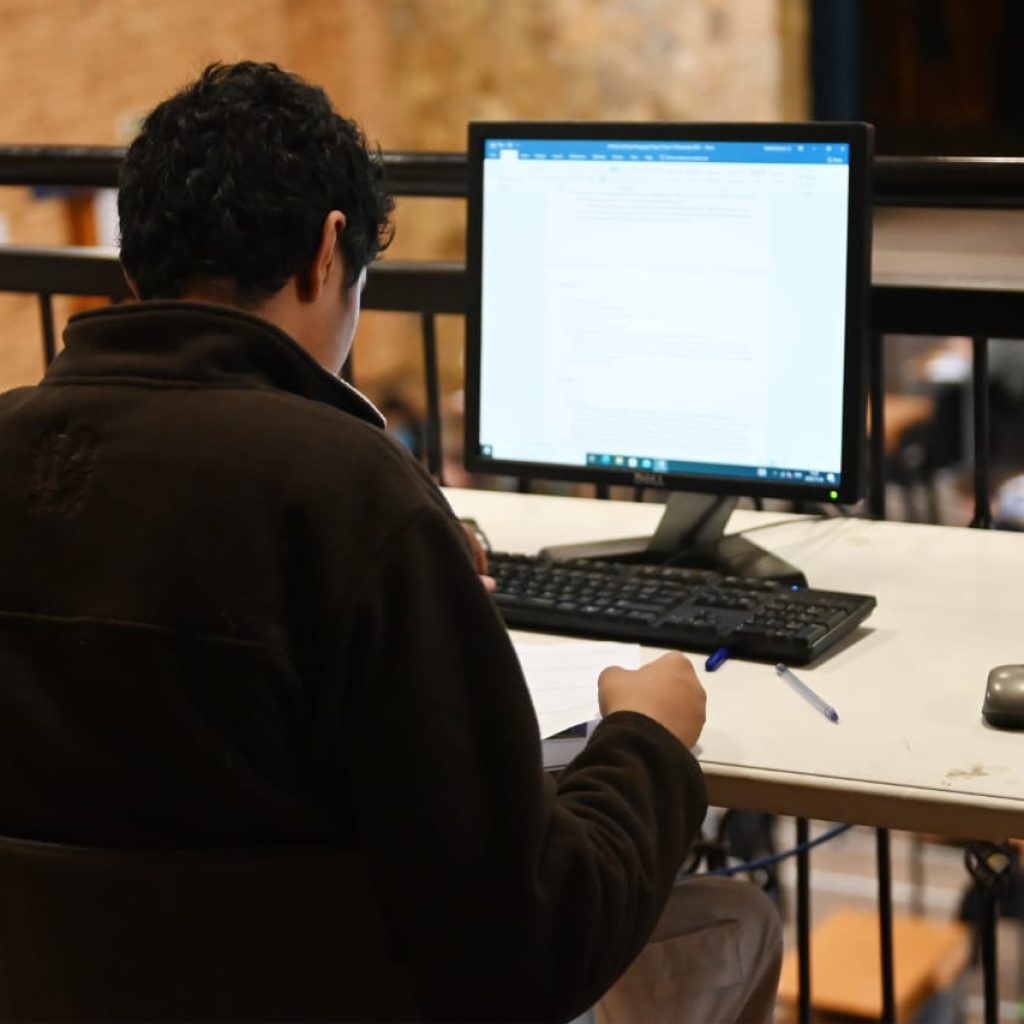
The school’s atmosphere is warm and welcoming, with teachers and students forming close bonds. Grade 11 students were writing exams, with the option to type or handwrite their papers.
“They love to play, but when it’s time to learn, they need more depth. They know stuff already that other children their age don’t, and so we need to help nourish that love for learning,” Voultepsis said.
Head of the school, Philip Kokot, said that the accepted learners have IQs of 125 and above, with some scoring as high as 145 to 150+.
To cater to these exceptional students, Radford House keeps class sizes small, with an average of 12 children per teacher in primary school and three to four learners per teacher in high school. This allows for personalised attention and creates space for more complex work, according to the school.
Kokot told Inside Education that the teachers had to adapt the syllabus and make the work “a little bit harder, more challenging, and a little bit out of reach … incorporate critical thinking skills, multiple intelligence thinking, and challenges”.
“When they’re given a topic, when they’re given a challenge, someone needs to get them excited. When a gifted child is properly inspired, they can go way beyond what a normal child can do,” he added.
The school also prioritises community service and outreach programmes. Radford House works with orphanages, where students tutor and interact with the orphaned children, aiming to promote their social responsibility and empathy.
Informed: Head of Radford House, Philip Kokot, says gifted children “go a little deeper, a little bit further, a little bit faster”.
“Many of our children are very academic or intellectual, but they’re not very good at social [interactions], so they need that [grounding],” he said.
Every Saturday, students participate in outreach activities, such as community clean-ups, walking dogs, or working at animal shelters.
Regarding support for potentially gifted children from disadvantaged backgrounds, Kokot said there was a trust fund contributed to by parents, which helps support students in need. He said parents and teachers had been trying to get the support of the government, but were “still trying”.
“The parents who have more money available, some of them put a little bit extra aside, and they help us with that support. The school’s main job is to pay the rent and electricity. When that’s paid, if there’s money left over, we can use that money for outreach work.”
“We are a school for gifted children. We’re not a school for rich children. So obviously, we do have high school fees, but when a child needs to be here, we make a plan,” he added.
Kokot defined gifted children as those with “an above-average capacity to interact with knowledge and ideas at a more rapid pace, who can solve problems, and who have memory and cognitive abilities that are not unique, but above average.” He likens it to having a brain that can “go a little deeper, a little bit further, a little bit faster”.
By contrast, in the country’s public schools — many of which are under-resourced and often beset with underperforming and demotivated teachers — spotting a gifted child can be far more difficult. Large class sizes, heavy workloads and pressure to meet basic literacy and numeracy targets can leave little time to stretch high-ability learners. Kokot said that for those gifted children who are unable to cope in a normal school environment, home schooling is one solution. He said that in his experience, gifted children often force themselves to fit in, but the social and emotional toll can be severe.
“[T]he gifted cohort or the gifted section of society tends to have the highest incidence of anxiety and stress,” he said.
“The problem is that teachers tend to focus more on marks rather than on intellectual potential. There are many very bright children who don’t do well at school because they’re too bright. If they find the work boring, if they find the work tedious, if they find that the teachers are too restrictive or too structured, then these children lose interest in school. Some of the brightest learners have just given up on school.”
Mauchline encouraged parents who feel that their child has additional educational needs to engage with their schools. This would ensure support that could include district help.
Despite policy commitments, the Department of Basic Education’s annual report shows that there is no specific budget or staff dedicated to gifted learner programmes. Support, when available, is funded under inclusive education, which is a broad umbrella that covers both special needs and high-ability learners. The department also has no central database of gifted students or schools catering for such.
Identifying gifted learners is crucial for their development and future contributions to society. By knowing who these learners are, the department could provide targeted support, enabling gifted learners to reach their full potential and cultivate future problem-solvers and leaders who can drive societal progress.
As Kokot emphasised, gifted learners have a unique ability to solve problems and benefit society, but they need exposure and support to realise their potential.
“Whatever your religious views or whatever your beliefs, somehow they were born with something special, an ability to solve problems in society, and an ability to use their brain in a way that should benefit the world around them. And the only way they’re going to do so is if they’re exposed to the world around them. That’s why there’s an effort to get them out there,” he said.
A learner studies at Radford House. Identifying gifted learners is crucial for their development and future contributions to society.
Internationally, systems like Singapore’s are more structured and centrally directed, identifying gifted learners early and offering tailored curricula. Singapore’s Ministry of Education describes its Gifted Education Programme as one that identifies students in Primary 3 through a two-stage process and trains teachers “with the knowledge and pedagogies to support high-ability students”.
“Test preparation activities are not encouraged as these could inflate the scores, which may then not reflect your child’s actual potential,” the Singapore ministry says.
A study by researchers Annari Milne and Mike Mhlolo of the Central University of Technology in Bloemfontein highlighted what South Africa could learn from that model. They found Singapore’s system displays “institutional alignment, clear focus on bold outcomes, and careful attention to implementation and evaluation”.
“One of the most outstanding realisations when visiting Singapore was that the different ministries (manpower, national development and community development) as well as sectors of the universities, technical institutes and schools share the same clear focus on the same bold outcomes,” the researchers found.
During the visit to Radford House, Inside Education spoke with Grade 5 learners Jessica Gray and Cesare Small. Both navigate complex concepts with ease, which they said was influenced by the school’s adaptive approach.
“I think my favourite part about being at the school is that they don’t teach in one specific way,” said Cesare. “Even in exams, you have different exams for special types of people. So you can either write on a piece of paper or you can type on a computer. So I think it’s not one set way of learning, it’s a bunch of different ways, so that you feel free to express if you’re confused or stuck on something. Test questions are complex and in-depth, which require critical thinking.”
Jessica said the school pushed learners beyond their limits, with the outcome being enhanced learning. “Right now, I’m doing advanced algebra, and it’s challenging, but it’s also exciting. I’m learning new stuff, and it’s helping me improve,” she said. “And also, the questions aren’t base level, they are higher level.”
Cesare said Radford is preparing her for future challenges. “You might not know what you want to study, but they’ll guide you. I want to be a paediatrician, and I feel confident that Radford will help me get there.”
As Kokot puts it: “A gifted child is like a cheetah; they need to run at 120km/h to thrive. We provide the space for them to do so.”
For many as yet unidentified gifted children in South Africa’s mainstream classrooms, however, the system still asks cheetahs to move at a walking pace.
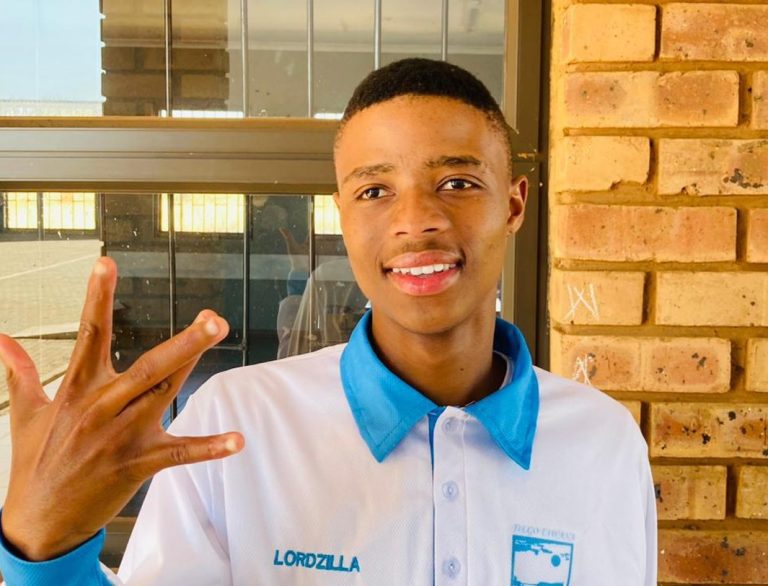
A 19-year-old Grade 12 learner from the North West province died after allegedly being forced to take part in a traditional initiation school shortly after completing his matric exams, the provincial education department said on Sunday night.
The North West Department of Education said it was “shocked and devastated” by the death of Onalenna Booi, a learner at Tiego Tawana Secondary School in Dithakong East Village, near Mafikeng.
The department said Booi was “taken forcefully” to the initiation school after finishing his exams in late November. His family reported him missing to police when they could not determine his whereabouts. Booi’s body was found by his family on 26 December.
The department did not provide details on the alleged initiation school or the circumstances of Booi’s death, but said the matter had been reported to the police.
Tiego Tawana Secondary School principal Pogiso Tshipo said the school was preparing for the 2025 matric results period while mourning the loss of a pupil who would have most likely achieved a university pass.
“As the school principal for this learner, I am extremely devastated by this sad news. I was expecting a bachelor’s pass from this learner because I know that he was one of the hard-working group of learners. I remember that I spoke to him around September 2025 and he promised to do well in his examinations,” Tshipo said.
“He was naughty just like all the learners, but when he started Grade 12, his behaviour drastically changed. You could see that this was a learner who was hungry and determined to perform well in his Grade 12 class. At our school I had 59 Grade 12 learners; now next year I will be releasing the results to only 58 learners. I don’t even know how we are going to handle this process as the school,” Tshipo said.
North West education MEC Viola Motsumi said the department would support the school and family.
“On behalf of the North West Department of Education, I hereby wish to convey my sincerest condolences to the entire family and the school community of Tiego Tawana Secondary School. It is really sad to receive such news while we, as a country, are awaiting the results of the Class of 2025,” she said.
“I am confident that the South African Police Service will be able to get to the bottom of this matter and that those responsible will be found and brought to justice. We will ensure that the family, learners and teachers are provided with psychosocial support during this difficult period,” Motsumi added.
In early December, Cooperative Governance and Traditional Affairs Minister Velenkosini Hlabisa said the Eastern Cape had already recorded deaths and made arrests linked to illegal initiation activities.
“Despite ongoing appeals for vigilance and full compliance with the Customary Initiation Act, the Eastern Cape has already recorded five tragic deaths, one in Buffalo City Municipality, two in Chris Hani District Municipality and two in OR Tambo District Municipality,” said Hlabisa at the time.
He called for unannounced inspections to take place at initiation schools, “particularly in high-risk areas, as part of a rigorous crackdown on unsafe practices and non-compliance”.
South Africa introduced the Customary Initiation Act in 2021 a bid to regulate customary initiation practices and initiation schools, including through oversight structures and compliance requirements.
The Act requires, among other things, that initiation schools be registered ahead of the relevant initiation season, and that norms and standards include age and health requirements and parental consent before circumcision.
It also requires that an initiation school be registered at least three months prior to the commencement of an initiation season, and that the registration is valid only for a specific initiation season, as indicated on the registration certificate.
The education department said a memorial service for Booi would be held on Wednesday, 31 December, at Tiego Tawana Secondary School Hall at 8am.
The funeral service will take place on Saturday, 3 January at house number 10599 in Dithakong East near the Church of Christ, at 7am.
More than one million South Africans, about 1.6% of the country’s population of 63 million, currently live overseas.
Emigration is never a solitary event or a purely economic decision. When one person leaves, an entire network of relationships is reshaped. This means that parents, grandparents, siblings and friends are left behind, making it challenging to maintain close bonds across continents.
Despite vast geographical distances and the challenges of differing time zones, the enduring parent–child bond motivates families to seek meaningful ways to stay connected.
Among the most powerful of these are transnational visits. For those who can travel, these visits serve as an emotional and relational lifeline: they allow parents to step into their adult children’s newly formed worlds, observe their daily routines, and build or maintain bonds with grandchildren born or raised abroad.
Although families stay connected through technology, parents emphasise that virtual contact cannot replace the desire for in-person connection. Yet this longing is often unmet. For many families, visiting is a deeply felt desire rather than a realistic possibility.
In a recent research paper I examined barriers to transnational visits from South African parents to their emigrant children. It intentionally centres on the experiences of parents travelling abroad, rather than on return visits to South Africa.
In total, 37 participants took part. They were South African citizens from a range of racial, cultural and religious backgrounds. They were between 50 and 85 years old. They were fluent in English and were parents of adult child(ren) who had emigrated and lived abroad for at least one year.
Most participants were women. Their children had emigrated to a range of countries, including Australia, New Zealand, the UK and the US. This aligns with global trends of South African emigration to English-speaking, economically developed countries.
The research uncovered the intertwined financial, emotional, physical, relational, and bureaucratic complexities that shape whether, how, and how often these visits take place.
Why visits matter
For transnational families, visits allow parents and children to revive and nurture attachments. They complement virtual interactions, video calls, instant messages and social media.
For parents, visiting their children’s homes bridges the gap between imagined spaces created through video calls and the lived realities of those environments. These experiences foster deeper emotional connections, enabling families to share closeness, engage in mutual care, and observe unspoken cues such as body language and tone, elements foundational to sustaining relationships.
Despite their importance, the rarity of transnational visits emerged clearly from participants’ narratives. While a small number of parents in the study were able to visit annually or every couple of years, this was the exception rather than the norm. For most, visits were rare events.
Although nearly all parents longed to visit more frequently, the majority had visited only once and several had never visited at all. Those who had visited spoke about long gaps between visits and the uncertainty of when or whether a next visit would ever be possible. This absence amplifies the loneliness experienced and leaves parents feeling increasingly “out of sync” with their children’s lives, at times even “irrelevant”.
Three main challenges
Parents consistently expressed a desire to visit more often. Yet this longing was constrained by the realities of their circumstances. Three major challenges emerged across the qualitative interviews.
Financial constraints: This was the most significant barrier, often preventing parents from realising their desire to visit their emigrant children. Air travel from South Africa to destinations such as Australia, New Zealand, Canada and the US is expensive. The South African rand’s weak exchange rate against strong currencies turns even modest flights into luxury purchases.
Retirees living on fixed incomes often find themselves caught between safeguarding their financial stability and meeting the deep emotional need to reconnect with their children and grandchildren.
“It is terribly expensive. If I now had to, I would scratch the money out from somewhere and I can afford it, but I need to look after myself as well. Even if you have money, you don’t spend your money on something that is really absurd, like the price of air tickets at this stage is completely absurd.”
Hidden expenses can also make visits even more challenging. Visa application fees, compulsory health insurance and medical examinations quickly add up.
Logistical strain: The geographical distance between South Africa and the popular emigration destinations such as Australia, the United States and New Zealand presents significant obstacles. For many elderly parents, long-haul travel is physically and mentally demanding.
As one participant shared:
“The trip to America … there’s a lot of jet lag, and it’s not an easy trip to make. You know, if your kids are in Europe or England, there’s no time delay, no jet lag or anything like that.”
Chronic illnesses, mobility limitations and fatigue make these journeys even more challenging. For some parents, the physical toll makes travel unmanageable or medically inadvisible.
Practical considerations, especially how long to stay, long enough to make the trip worthwhile but not too long to disrupt routines, add another layer of complexity. These decisions make planning a visit both logistically and emotionally taxing.
The emotional weight of saying goodbye: Every visit carries an inevitable ending. With no certainty about when, or if, the next visit will happen, each departure feels like a potential final farewell, especially for older parents. The joy of togetherness becomes tinged with the dread of parting, a heaviness that grows as the end of the visit approaches. For many, the farewell at the end of a visit is one of the most emotionally difficult moments.
As a grandmother describes:
“And then a big factor is the sadness with the goodbye and for weeks after that you still struggle and can’t get back on track properly. For me, it gets more intense every time.”
Some parents avoid visiting altogether because the emotional cost of departure outweighs the joy of being together.
Longing for presence
Many transnational parents must face the reality that limited financial, physical, or emotional resources will restrict the number of visits they can undertake in their lifetime. While digital communication helps families stay connected across borders, parents emphasised that virtual contact cannot recreate the intimacy that grows from in-person visits: the shared routines, playful moments and physical closeness.
Visits matter because they offer what digital technologies cannot fully provide: presence.
Sulette Ferreira is Transnational Family Specialist and Researcher, University of Johannesburg.
Professor Ephrem Redda’s recent presentation at the United Nations Institute for Training and Research (UNITAR) is offering fresh insight into how digital transformation is changing the face of higher education in South Africa and what this shift means for achieving Sustainable Development Goal 4 (SDG 4), which calls for inclusive, equitable, and quality education for all.
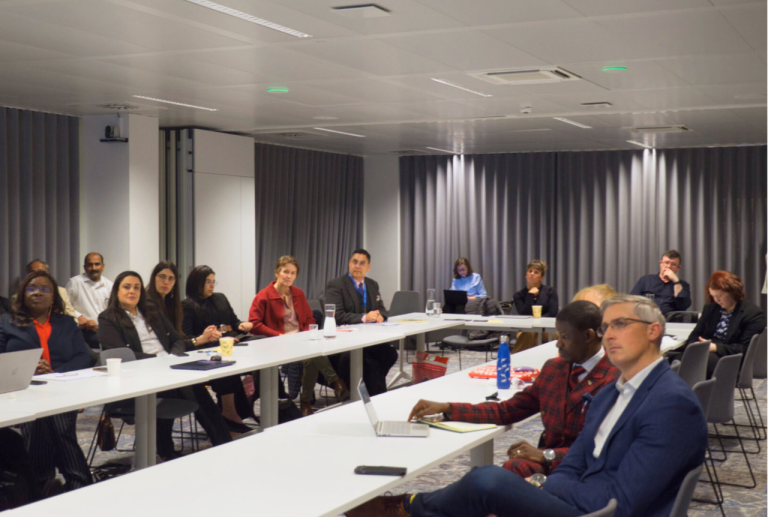
Prof Redda, representing the North-West University’s WorkWell Research Unit travelled to Brussels, Belgium, where he presented at the 3rd UNITAR International Research Conference from 3 to 4 December 2025.
His paper, “Advancing SDG 4 through Digital Transformation: Building Resilient and Equitable Higher Education in South Africa,” brought important questions to the table about how universities can better support students in an increasingly digital world.
For Prof Redda, the conference was more than just an academic gathering; it was a space filled with diverse voices, new perspectives, and meaningful conversations, he says.
“What really struck me was how global the room felt,” he shared. “I connected with colleagues from countries like Turkey, the USA, the UK, Uganda, and Zambia, among others. These interactions were inspiring and opened the door to potential collaborations across continents.”
In his presentation, Prof Redda explored how the COVID-19 pandemic pushed South African universities into fast-tracking digital transformation. His study found that while digital innovation had started before the pandemic, many institutions faced barriers such as limited infrastructure, financial challenges, and uneven digital readiness among staff and students.
But once the pandemic hit, universities had no choice but to adapt. Academics quickly upskilled, curricula were redesigned for online and hybrid teaching, and technology became central to how learning happened.
This moment of crisis also revealed the potential to create a more accessible and equitable higher education system, if the digital shift is approached thoughtfully and with fairness in mind.
Prof Redda’s research shows that digital transformation is not just a technological move; it is a chance to rethink how universities can support more students, strengthen teaching, and ensure no one is left behind.
His findings contribute to a bigger global conversation on how do we create higher education systems that are both future-ready and fair? As many countries face similar questions about access, inequality, and digital readiness, Prof Redda’s work offers valuable lessons from the South African context.
Prof Redda’s participation in this international conference reflects the growing global presence of NWU’s research community and highlights the important work being done to improve educational access and quality.
Making the right career choice plays a major role in your long-term professional success, but it all begins with making the right subject choices as early as Grade 9.
Many Grade 12 learners end up taking a gap year because they are unsure of what career path to follow. What causes this? Often, there is inadequate career guidance from an early stage.
This is why learners should start seeking career guidance as soon as they enter high school.
Career guidance forms part of the Life Orientation curriculum, as stipulated by the National Curriculum and Assessment Policy Statement. It helps learners reflect on their strengths, weaknesses, interests, ambitions, and abilities to understand which fields of study and careers they may be best suited for.
According to the Department of Basic Education, provincial education departments are responsible for hosting career events specifically targeted at Grade 12 learners.
Inside Education asked career advisers how learners can navigate the transitional phase from high school to tertiary education.
We also spoke to students about their experiences with career guidance.
Many experts agreed that initiating career guidance in Grade 9 is crucial for aligning subject choices with future aspirations.
The subjects you choose ultimately determine the opportunities available to you when you complete matric.
According to a review by the National Committee for Citizens in Education, students experience numerous academic benefits when schools and families work together.
In other words, career guidance should start at home.
When parents guide their children from an early age, learners begin high school with clarity about their goals, making it easier to work towards strong Admission Point Scores (APS).
Parents should discuss career options with their children and help them research subjects, qualifications and requirements.
Vessels Career analyst and life coach, Monisola Oloruntoba, told Inside Education that the role of the school is to invite a career coach to help give talks to learners from Grades 9 to 12.
“A lot of career coaches like me give free school workshops in their environment. This helps learners to ask the questions in their hearts. The group session will help with varied questions, and they all learn together,” she said.
“The schools say they have career counsellors, but unfortunately, a lot of them are not conversant with modern career coaching and careers, as they are not skilled themselves,” she said.
Oloruntoba encouraged schools and parents to invest in psychometric testing.
“For those who can afford it, the school can have the career coach help with psychometric tests in the later part of the grade 11 year – they can add this to the tuition for the year, and coaches can give bulk prices. Or parents can get this session for their children from grade 9 before subject choice, and by grade 11 for career choice.”
The National Career Advice Portal under the Department of Higher Education and Training guides learners through questionnaires and resources.
According to the portal, learners need to be aware of their interests, abilities and values before selecting subjects in grade 9.
Shirley Brooks, a career guidance counsellor based in Cape Town, advised students to think carefully about their general interests and the requirements of potential courses.
“Some students excel in a long academic path, while others thrive on shorter and focused programmes. It’s crucial to find a study path that aligns with your unique strengths and goals,” she said.
Many universities offer bridging programmes for learners who fall short in subjects like maths and science, as well as extended degrees and higher certificates that provide alternative access routes.
A higher certificate programme can be an excellent option for those who need more time to decide on a long-term commitment to university, or who want to improve their matric results to reapply for specific courses.
With a higher certificate, you will be well-positioned to either continue with your studies or enter the job market and gain experience in your chosen field.
The Academy for Environmental Leadership, for example, offers an accredited higher certificate in conservation ecology. Beyond a traditional gap year, this programme enables students to enter fields like conservation and ecology with both knowledge and practical experience.
The University of the Free State offers the GoStudy Career Guidance questionnaire.
This is a self-assessment tool to help learners and students make the right career and subject choices.
At the University of Johannesburg, the PsyCaD Career Services Unit helps students plan their futures and prepare for the world of work, from their first year right through to graduation.
The unit offers career guidance, assessments, mentoring and counselling through a variety of programmes and tools — including a Career Resource Centre and online platforms — to help learners and prospective students explore different study and career options.
The South African Qualifications Authority, in partnership with the Department of Basic Education, offers a National Qualifications Framework career guidance service that includes a website, career advice helpline, printed and digital guidance materials, and a weekly programme produced with SABC Education and aired on regional radio stations in nine languages.
For Grade 12 learners interested in studying at the Central University of Technology, career guidance focuses on helping them understand their personal interests, skills and values.
The university offers career-oriented programmes with pathways for both Grade 12 and FET/TVET students.
Sector Education and Training Authorities provide career guidance for learners in Grades 9 to 12 who are choosing subjects and considering career options.
Its guidance helps learners understand themselves, their interests, strengths and weaknesses so they can make suitable career choices.
In 2020, the South African Career Development Association developed an educational framework that includes counselling techniques, self-evaluation tools and information on careers and vocational preparation.
Grade 12 learners across South Africa told Inside Education how career guidance — or the lack of it — has shaped their decisions about life after school.
Lwethu Maseko is preparing to enter the University of Johannesburg next year and has already started thinking about how to build her career while studying. She shared some of the guidance that shaped her post-matric plans.
“The career advice I received is that as soon as I get to university, I should just make sure I do internships and start applying for bursaries to increase my network. I plan to take it. I was told that you first start with the harder stream, then you switch to the easier one if you can’t do it,” she said.
Patrick Shange credited his family with helping him to understand the value of focus and discipline, and to apply it.
“I’ll be going to the University of Johannesburg. I got career guidance at primary school. My father was very strict when it came to our education; he wanted us to know what we wanted so that we could push our grades until matric,” said Shange.
He said his father would constantly remind him to follow his dreams and pursue his passion.
“I always wanted to study accounting, and that is what I’m hoping to do at varsity. I worked hard on my final exams to make sure I push my APS score,” he said.
Eighteen-year-old Hlamalani Sono from Hoërskool Ben Vorster in Tzaneen is passionate about geography and aviation. Family members working in similar fields inspired her interest.
“I want to study a geography-related field or pursue pilot training at a flight academy. Choose a career that you know won’t feel like a burden, but one where when you wake up in the morning, you will be happy with.”
Seventeen-year-old Bonolo Sibotho from Tlokweng Senior Secondary School explored multiple fields before choosing a career “driven by purpose”.
“I was advised to look at culinary arts, accounting and healthcare, but I simply chose to go with healthcare because it’s in high demand and I get to play a huge role in making a difference in people’s lives,” he said.
Tylor Dilamika, who completed the commerce stream, said she is excited to enter a field that matches her interests and personality.
“I did commerce in high school, and based on that, what I would love to study next year is either a degree in tourism management, a BAdmin in public management, or being a flight attendant. There are many more. I received career guidance from many of my loved ones, so much so that it’s difficult to count. The one piece of advice that stood out was being told, ‘Choose a career that excites you, stay curious and keep upgrading your skills’,” Dilamika said.
Siyanda Mziyako, from Emjindini Senior Secondary School, who has just completed matric, said: “Today I sign out as a Grade 12 learner. I leave with a full heart, grateful for every lesson, every challenge, and all career advice that has given me a direction. This chapter ends, but my story continues.”
The pressure of finishing high school may not have fully set in, but when it does, learners are encouraged to prioritise their mental health and choose careers that align with their dreams – not peer pressure.
Early and accurate career guidance reduces rushed decisions and can help combat unemployment.
Brown University’s president on Monday placed its campus police chief on leave as the Rhode Island university reviews its security policies after a gunman killed two students and injured nine others earlier this month.
Questions surrounding Brown’s security policies have only intensified since the Dec. 13 shooting that rocked the Providence community and led to a lengthy search for the killer.
Much of the focus has centered on whether the Ivy League school had security cameras installed in the building where the attack took place in and the overall ease of accessing campus buildings.
University President Christina Paxson said Rodney Chatman will be replaced by Hugh T. Clements, former police chief of the Providence Police Department.
Chatman had previously faced a vote of no confidence by the union representing school police officers in October. Local media outlets reported at the time that the union said the vote reflected “serious concerns over the failed leadership, contract violations, and policies that jeopardize public safety.”
The scrutiny over the school’s security has led to an investigation by the U.S. Department of Education, which said earlier Monday that officials are asking Brown for information to help determine if school officials violated federal campus safety and security requirements. This has included seeking security reports, audits, dispatch and call logs, and when emergency notifications have been utilized.
Meanwhile, hundreds gathered at the Cathedral Church of the Advent in downtown Birmingham, Alabama, on Monday to remember Ella Cook, a Brown sophomore who was killed in the attack.
On Dec. 13, gunman Claudio Neves Valente, 48, entered a study session in a Brown academic building and opened fire on students, killing Cook and 18-year-old freshman MukhammadAziz Umurzokov and wounding nine others.
Two days later, authorities say Neves Valente, who had been a graduate student at Brown studying physics during the 2000-01 school year, also fatally shot Massachusetts Institute of Technology professor Nuno F.G. Loureiro at Loureiro’s Boston-area home.
Neves Valente, who had attended school with Loureiro in Portugal in the 1990s, was found dead days later in a New Hampshire storage facility. Authorities say he killed himself. An autopsy determined that Neves Valente died Dec. 16, the same day Loureiro died in a hospital.
In Alabama, Cook’s family on Monday invited attendees to wear “Easter colors,” underscoring Cook’s Christian faith, at an Episcopal funeral service that also nodded to the Christmas season.
The Rev. Paul F.M. Zahl, who formerly led the church, read from several letters written by members of the Brown community to Cook’s parents, Anna Bishop Cook and Richard Cook, who raised Ella and her two younger siblings in the affluent Birmingham suburb of Mountain Brook.
“Ella was smart, confident, curious, kind, principled, brave. She had a big impact on campus in only three semesters,” wrote Brown professor of political economy David Skarbek. “I used to tell Ella, ‘We need an Alabama to Brown pipeline.’ In fact, her nickname on campus was Ellabama.”
Zahl told the congregation that the funeral was “a kind of bigger stage, a kind of more amplified mic” for Cook to spread her Christian faith. Zahl said he dreamed last week that he was skiing behind Cook and her family.
“Ella turned around and shouted confidently, self-assuredly, ‘Come on, will you?’” he said, saying he believed God had shown himself through the dream.
“I pray now that everyone who has loved Ella so much in this life would be given a vivid, individual feeling of Ella’s love, still present with us,” Zahl said. “Because Ella’s love is eternal and entirely altruistic.”
Cook was an accomplished pianist who was studying French, math and economics at Brown, where she also served as vice president of the college Republicans. Her political activity brought a wave of reaction from national and Alabama Republicans.
Alabama Gov. Kay Ivey ordered flags to be flown at half-staff statewide in Cook’s memory.
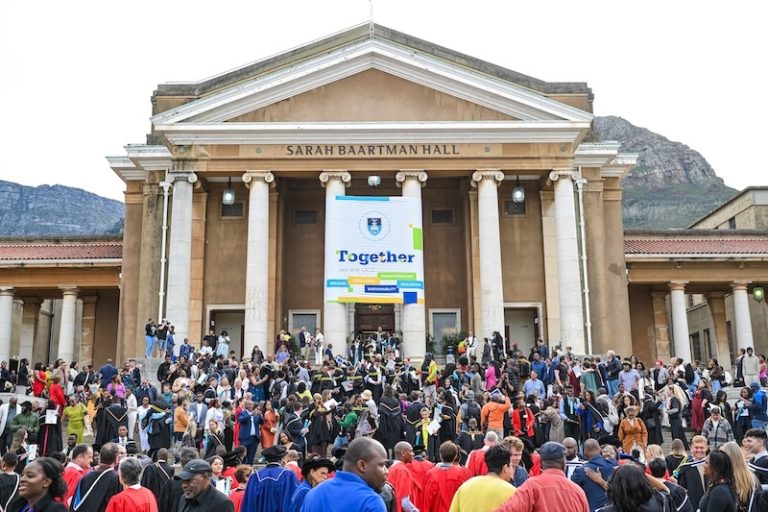
The University of Cape Town (UCT) has recorded strong performance in two major international rankings released in November 2025.
The ShanghaiRanking’s Global Ranking of Academic Subjects (GRAS) 2025 reported consistent results for UCT across several subjects, while the Quacquarelli Symonds (QS) Sustainability Rankings 2026 confirmed the university’s positive activity in environmental, social and governance-related indicators.
Top in South Africa in 10 subjects
Published on 19 November, the latest GRAS results place two UCT subjects in the global top 50 and four in the global top 100. All four subjects ranked first in South Africa:
Geography – ranked 47th (previously 43rd in 2024)
Public Health – ranked 49th (improved from the 51–75 band)
Oceanography – ranked 51–75 (up from the 76–100 band)
Mining & Mineral Engineering – ranked 76–100 (entering the top 100 for the first time)
Three of these subjects improved their positions compared to 2024. In addition, five other UCT subjects were ranked in the 101–150 band: Pharmacy & Pharmaceutical Sciences, Environmental Science & Engineering, Clinical Medicine, Atmospheric Science, and Ecology.
UCT had more subjects listed in the 2025 GRAS than any other university in Africa and ranked first in South Africa in 10 subjects, including Economics and Human Biological Sciences (both in the 151–200 band). Ecology was the only listed subject not ranked first nationally.
This year, GRAS evaluated nearly 2 000 universities across 57 subjects. The GRAS methodology is metrics-based, using indicators such as publication output, citation impact, international collaboration, papers in high-impact journals and major academic awards. GRAS rankings do not include reputation surveys.
Strong performance in QS Sustainability Rankings 2026
For these rankings, released on 18 November, UCT tied at 59th place globally with Queen’s University at Kingston, Canada. With 1 994 institutions included this year, UCT emerged in the top 3% worldwide.
UCT’s category positions were:
55th in Environmental Impact
111th in Social Impact
38th in Governance.
In the previous edition, UCT tied at 45th place out of 1 751 universities, again in the top 3%. The QS Sustainability framework evaluates universities across environmental (45%), social (45%) and governance (10%) indicators.
Commenting on the two rankings outcomes, Professor Jeff Murugan, acting deputy vice-chancellor for Research and Internationalisation, said: “They reflect the commitment of our researchers, students and professional staff to advancing knowledge that prioritises academic excellence and social responsiveness.”
He added that universities are expected to incorporate sustainability into their core missions of education, research and outreach: “It is encouraging to see UCT’s subject-level research strengths recognised alongside our growing contributions to sustainability. We remain focused on deepening this work through strong partnerships and a clear commitment to societal impact,” Professor Murugan said.
The Eastern Cape Department of Education has allocated R247 million of the R529 million Education Infrastructure Grant (EIG) fourth tranche payment, which is expected to ensure the continuation of construction work on school infrastructure projects in 2026.
In a statemen released on Tuesday, the department confirmed that the funds have already been paid to implementing agents to prevent work stoppages on critical infrastructure projects, particularly as schools prepare to reopen in January 2026.
The department further said the other remaining payments owed to other service providers will be processed once the adjusted budget becomes available early next year.
“We would like to extend our sincerest apologies to the affected Service Providers for the payment delay experienced and will endeavour to process the remaining payments as soon as the Department is able to in January 2026,” the department said in a statement.
The latest payment follows earlier challenges linked to budgetary constraints and the phased release of national infrastructure grant funding, which had raised concerns about possible disruptions to school construction projects.
The ECDOE said the release of the R247 million demonstrates its commitment to safeguarding infrastructure delivery and ensuring learners are not negatively affected by administrative or financial delays.