Home Blog Page 402

Alabama Students Throwing ‘COVID Parties’ To See Who Gets Infected: Officials

STUDENTS in Tuscaloosa, Alabama, who have been diagnosed with COVID-19 have been attending parties in the city and surrounding area as part of a disturbing contest to see who can catch the virus first, a city council member told ABC News on Wednesday.

Tuscaloosa City Councilor Sonya McKinstry said students have been organizing “COVID parties” as a game to intentionally infect each other with the contagion that has killed more than 127,000 people in the United States. She said she recently learned of the behavior and informed the city council of the parties occurring in the city.

She said the organizers of the parties are purposely inviting guests who have COVID-19.

“They put money in a pot and they try to get COVID. Whoever gets COVID first gets the pot. It makes no sense,” McKinstry said. “They’re intentionally doing it.”

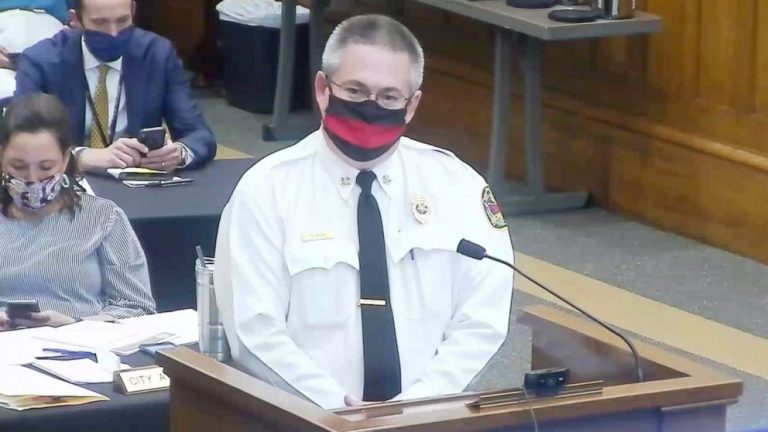
Tuscaloosa Fire Chief Randy Smith told the City Council on Tuesday that he has confirmed the students’ careless behavior.

In a briefing to the City Council, Smith expressed concern that in recent weeks there have been parties held throughout the city and surrounding Tuscaloosa County, “where students, or kids, would come in with known positive,” according to a video recording of the meeting obtained by ABC affiliate station WBMA in Birmingham.

“We thought that was kind of a rumor at first,” Smith told the council members. “We did some research. Not only do the doctors’ offices confirm it but the state confirmed they also had the same information.”

In his presentation, Smith, who wore a face mask, did not say what is being done to curb the behavior or what schools the students were from. Tuscaloosa is the seventh-largest city in Alabama and home to The University of Alabama and several other colleges.

Just hours after Smith’s briefing, the City Council unanimously passed an ordinance requiring people to wear face coverings when out in public.

They put money in a pot and they try to get COVID. Whoever gets COVID first gets the pot.

On Wednesday, Holly Whigham, a spokesperson for the fire department, told ABC News, “We are not releasing any statements about what was said last night.”

It was unclear if the COVID-positive students infected anyone at the parties they attended.

Richard Rush, a city spokesman, said in a statement to ABC News that the city “is currently working with local agencies and organizations to ensure that we do everything in our power to fight this pandemic.”

McKinstry said she fears that some people will attend the parties not knowing their intent and be exposed to infected guests.

“We’re trying to break up any parties that we know of,” McKinstry told ABC News, adding the infected students are obviously disregarding guidelines from the Centers for Disease Control and Prevention to self-quarantine for two weeks.

“It’s nonsense,” McKinstry added. “But I think when you’re dealing with the mind frame of people who are intentionally doing stuff like that and they’re spreading it intentionally, how can you truly fight something that people are constantly trying to promote?”

Arrol Sheehan, spokesperson for the Alabama Department of Public Health, said the state’s “Safer at Home Order” explicitly states that people who test positive “shall be quarantined to their place of residence for a period of 14 days.”

Sheehan stressed that violation of the heath order is a misdemeanor and fines for each violation can be up to $500.

“Suspected violations of the home quarantine order should be reported to law enforcement and the local health department,” she said in a statement to ABC News.

As of Wednesday, Alabama had recorded 38,422 COVID-19 cases, an increase of 10,696 in the last 14 days, according to data provided by the state Department of Public Health. At least 947 people have died in Alabama from the virus.

In Tuscaloosa County, 2,049 people had contracted the contagion and 38 deaths had occurred in the county, according to the Department of Public Health.

Word of the COVID parties came on the same day Alabama Gov. Kay Ivey announced she is extending the “Safer at Home” orders through July 31 because coronavirus infections continue to rise.

Under the extended orders, gyms, entertainment venues, child care facilities and barbershops are required to follow sanitation and social distancing rules. Retail stores are allowed to open with a 50% occupancy rate.

“Personal responsibility means it is everyone’s responsibility,” Ivy said at a news conference. “If we continue going in the wrong direction, and our hospitals are not able to handle the capacity of patients, then we’re going to reserve the right to come back in and reverse course.”

Alabama State Health Officer Dr. Scott Harris, who joined Ivy at the news conference, urged people to wear face coverings although they are not required statewide.

“We know face coverings aren’t perfect and they don’t stop everything,” Harris said. “But they do limit transmission.”

(Source: ABC News)

Supreme Court Of Appeals Ruling on Unisa Language Policy A Victory For Afrikaans – AfriForum

AFRIFORUM has welcomed the ruling of the Supreme Court of Appeal in favour of the lobby group’s case for the preservation of Afrikaans as a fully-fledged language of education at the University of South Africa (Unisa).

Afriforum’s head of cultural affairs Alana Bailey said the ruling was an enormous victory for Afrikaans, Afrikaans students and also for language rights in the country.

The court found that Unisa’s current language policy, which provides only for English as the primary language of tuition, is unconstitutional and unlawful.

Bailey said the ruling, which comes after a five-year-long battle, is of enormous interest for all Afrikaans students in the country, but also for the future of Afrikaans as a high-function language.

“The fact the Supreme Court of Appeal delivered this ruling is of great interest – it is the highest court that has yet ruled in favour of Afrikaans education on tertiary level. The cost order against Unisa further confirms the moral high ground of students who demand the right to education in their native language,” said Bailey.

“It is important that it is eventually acknowledged that access to tertiary education must be extended to not only create room for English first language speakers, but to also accommodate more native languages. Unisa has yet again excluded Afrikaans recently from their plans to encourage staff and students to master more languages. The ruling emphasises that Afrikaans also has a place on government-supported campuses.”

(Compiled by Inside Education staff) 

Court Battle To Force Basic Education Department To Feed 9 Million Learners Set For Thursday

NYAKALLO TEFU

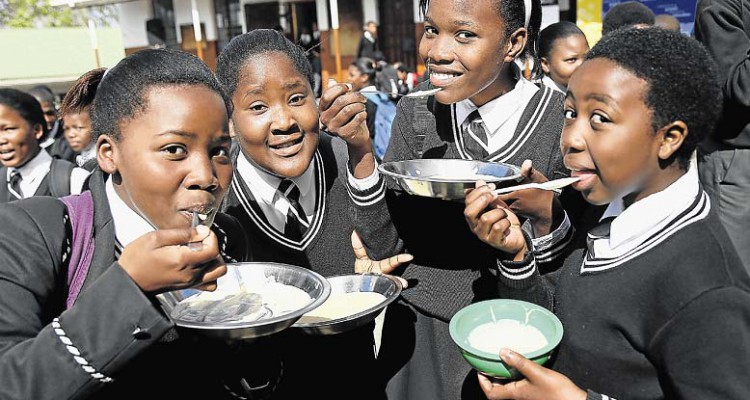
EQUAL Education (EE) and two Limpopo schools are heading to the North Gauteng High Court on Thursday in a bid to have nine million learners receive their daily meals through the government’s National School Nutrition Programme (NSNP). 

This comes after the Department of Basic Education failed to deliver on its promise to run the school feeding scheme during the COVID-19 induced lockdown. 

Represented by the Equal Education Law Centre and SECTION27, EE and the two Limpopo schools are asking the court for a declaratory order that there is a duty on government to ensure that all learners who qualify for the NSNP benefit receive their meals, regardless of whether their grades returned to schools on June 8 or not.   

“It is shameful that the national and provincial education departments must be dragged to court to ensure the delivery of school meals. The NSNP is fundamental to supporting the ability of children to learn and crucial to the right to basic education,” said EE in a statement.   

Basic Education Department made a promise that all provinces would roll-out meals to all qualifying learners from June, but this has not happened. 

“Nothing has materialized from these promises from the DBE, so our legal team in consultation with them and their responses have led us to going ahead with the litigation for the court hearing on Thursday,” said EE’s Tad Khosa.

The organizations said in Limpopo learners in Grade 7 and Grade 12 are not able to receive a meal at all.

(Compiled by Inside Education staff)

Gloves Off: IFP Goes To War With KZN Education Over Alleged Jojo Water Tanks Corruption

SANDILE MOTHA

THE GLOVES are off between the KwaZulu -Natal Department of Education and the Inkatha Freedom Party (IFP) over the alleged inflated prices for the purchase of JoJo water tanks dispatched to schools across the province.

The IFP, the official opposition in the legislature, is adamant that something went wrong in the procurement process of the tanks.

Last week, it emerged that the department forked out more than R28 000 for each JoJo tank, an amount the party says was exorbitant.  

“This is unheard of when you consider that a normal JoJo tank would cost anything between R4000 and R 5000. The explanation by the department that the amount includes transportation and installation is insufficient,” explained Thembeni Madlopha- Mthethwa, party spokesperson on education.

Madlopha-Mthethwa said she had raised the issue with the MEC for Education Kwazi Mshengu before the matter became public but was ignored.

“I first brought the matter to his attention verbally but the MEC blatantly ignored me. I subsequently made a follow up call to the officials to his office to provide me with an explanation, again I got no satisfactory response,” said Madlopha-Mthethwa.

She said the party has since made a written communique through the legislature to compel the MEC to provide answers, including what criteria was used for the department to arrive at such an amount.

Apart from the alleged inflated prices on the purchase of water tanks, the department has been rocked by what appeared to be an organised syndicate using the reopening of schools to amass quick cash.

Last month, a large consignment containing personal protective equipment destined for Zululand, Umlazi and Pinetown mysteriously disappeared. The consignment apparently was worth several millions. A probe is currently underway to ascertain the details and facts surrounding the vanishing of the consignment.

Meanwhile, Education Union of South Africa (Eusa) has escalated the matter further calling for a forensic investigation into contracts awarded to supply sanitisers and PPE’s to various schools.

The union claims that the tenders were awarded without following due processes.  

“We have a reason to believe that the rush to open schools was so that this corruption spree could take place. We have written to the office of the public protector demanding that a full scale investigation be conducted,” union spokesperson, Kabelo Mahlobogwane told Inside Metros.

He said the union also wanted the probe to shed  light on how possible it was for 3500 tanks in KZN to cost R600 million.

“We have visited many schools in KZN and we witnessed for ourselves that schools were supplied with 250 litres JoJo tanks instead of the 500 or more litres that the department claimed to have supplied,” added Mahlobogwane.

The provincial department on the other confirmed that it had forked out R28 000 for each water tank but insists it had done things above board.  

“Let’s me first clarify that the province is not responsible for the procurement process. The national department through the national treasury are responsible for this. The cost include delivery, installation and water, so in total it comes up to R 28 000,” said head of department, Dr Enoch Nzama.

(Compiled by Inside Education staff)

EC Schools Not Ready For Second Phased-in Reopening Due To COVID-19 Infections, Says MEC Fundile Gade

THE MEC of Education Fundile Gade has asked Basic Education Minister Angie Motshekga to postpone the second phased-in reopening of schools in the Eastern Cape, saying his province is not yet ready to accommodate more learners due to the rising number of COVID-19 infections.  

This comes after Motshekga announced that 6 million learners are expected to get back to school on July 6 despite rising concerns from parents, teachers’ unions and school governing bodies.

“Our institutions around the villages are becoming more saturated and they cannot work on a one size fits all system,” said Gade. 

“There have been 26 deaths in the education sector due to COVID-19 and 3 of them are children.”

Gade briefed the media on Tuesday morning about preparations for the second phased-in reopening next week.

Last week, more than 200 people tested positive for the virus at Makaula Senior Secondary School in KwaBhaca, formerly Mount Frere.  

The Eastern Cape currently has 26 195 confirmed COVID-19 cases.

Thus far, at least 200 schools in the province remain closed. 

Meanwhile, the Public Servants Association (PSA), which represents thousands of educators and administrative staff at schools across the country, has called for Gade to resign.

The organisation told the media on Monday that it was “shocked” by how the department had been handling Covid-19 at schools in the province to date.

Provincial manager for the PSA in Mthatha, Thami Makuzeni, said the MEC had failed to ensure the implementation of safety measures before pupils returned to school.

(Compiled by Inside Education staff)

Cosas Threatens Limpopo School Shutdown Over COVID-19 Concerns

ROLIVHUWA SADIKI

THE Congress of South African Students (COSAS) in Limpopo will be marching to the department of education in the province on Tuesday to hand over a memorandum of grievances to the MEC of Education, Polly Boshielo.

This follows the student organisation’s protest march to the department last week in which Boshielo was unable to receive the memorandum amid allegations that she was attending a portfolio committee meeting.

Some of the grievances to be addressed include examination papers which were originally prepared to be reviewed with the aim of aligning them to the COVID-19 impact and that the department put measures in place if COVID-19 cases are confirmed in schools.

Scalo Mahladisa, COSAS’ provincial secretary, said the students’ movement was of a firm view that the department has never been ready to open schools and that the 3711 schools indicated to be ready for reopening have never been and are still not ready.

“We are informed of the material conditions on the ground.  Over 42 schools did not reopen on a basis of non-compliance to the health protocols.  To date, nothing has been provided to address the anomaly.  Learners of the effected schools are left on their own,” he said.

Mahladisa also said it was common knowledge that many learners in Quintile 1-3 schools depends on school nutrition’s to survive and it should highlight how it is catering for learners from the 42 schools since they live in abject poverty.

“The department should consider them as they are left at home. It is failing to provide enough food for those who are at schools. What will happen because they are bringing more of them,” he asked.

He further said the department will not be able to accommodate other grades as they are in need of more than 46000 classes and that

“PPEs were not enough. Thermometers which were provided are dysfunctional and faulty and those who are using them were not trained,” he added.

We are expecting response to our peremptory from the Limpopo Department of Education within 12 days from receipt hereof.  

During his 2020 supplementary budget speech last week, minister of finance Tito Mboweni announced that all provinces will collectively receive R5 billion for the education catch-up plan.

Ten teachers, three pupils and one supporting staffer are alleged to have tested positive for the COVID-19, while 3 schools have since closed in the province.

At least 963 000 pupils from all other grades in the province are expected to return to school on 6 July.

(Source: Mukurukuru Media)

6 Million Learners Expected In Schools During Second Phase-in Amid COVID-19 fears

NYAKALLO TEFU

ABOUT 6 million learners are expected back at school on July 6 amid concerns by parents who fear the worst following the surge in COVID-19 cases across the country.

Since the reopening almost two weeks, which only saw only Grade 7 and Grade 12 returning, at least 775 schools have been affected by COVID-19 infections.

A total of 523 learners have contracted the virus while a staggering 1 200 staff members tested positive. This comes as the Department of Basic Education plans to allow the return of even more learners by Monday.

However, the return of more learners to school has raised serious questions and parents, teachers’ unions and school governing bodies (SGBs) are concerned about the safety of children as COVID-19 cases rise.

Basic Education said it was doing what it can to ensure measures are taken to keep learners safe from the virus. “We have been doing a lot of work to prepare for the next cohort of learners that are coming back on the 6th of July. It’s a large number. It’s about six million of them who are coming back. Provinces have been focusing on the preparations,” said Elijah Mhlanga.

Inside Education takes a closer look at provinces considered epicentres of the deadly coronavirus to assess the situation.

THE EASTERN CAPE PROVINCE|

The situation in the Eastern Cape is dire after 204 learners and hostel assistants tested positive at the Makaula Secondary School in KwaBhaca, formerly known as Mount Frere.

A team of clinicians and other primary healthcare workers have already been sent to the school to prevent further spread of the virus.

As of Monday, the Eastern Cape had 23,658 confirmed cases of the coronavirus.

The MEC for Education Fundile Gade said government was concerned by the infections at various schools in the province.

“Certainly, the province is highly concerned with the outbreak of infections at our schools that has let to closure of over 150 schools for decontamination,” said Gade on Monday.
“An instruction has been issued to all our 12 districts to provide an assessment about all our schools’ readiness to accept additional grades as of the 6 July. Obviously there’s a concern with our bigger schools and how additional learners will impact our capacity to social distance and retain COVID-19 health and safety protocols.”  

KWAZULU NATAL PROVINCE|

The province has so far recorded an increase in the number of positive Covid-19 cases in schools, according to Premier Sihle Zikalala, who also said the number of infected people in schools increased to 187 last week, of whom 139 were teachers and 37 pupils. Thus far, at least 63 schools in KwaZulu Natal have reported positive Covid-19 cases across nine districts.

Dr Vusumuzi Nzama, head of the provincial department of education, said preparations were underway to receive learners across the province.

“When we prepared the schools for the reopening, we made it a point that all schools are sanitized and made ready for at least 6 months. So schools are already prepared. There is enough space for learners who will be returning on July 6 and teachers have already been trained. They have already been given full orientation,” said Nzama.

Nzama said the biggest concern for the department was lack adequate funding to deal with the COVID-19 challenge.  

“We do not have adequate funds to sustain what we have already provided to schools. We are currently coping, but we see that as time goes on, we are going to have a problem with supplying schools with COVID-19 essentials. The matter is being dealt with by the provincial treasury.  However, there hasn’t been any positive response,” he said.

GAUTENG PROVINCE|

According to the Department of Health, Gauteng is preparing for the worst of the coronavirus cases in the coming weeks.

Despite being one of the hardest hit provinces with over 31 000 confirmed cases, the Gauteng Education Department said most primary and secondary schools will be able to operate as more pupils prepare to go back to class in July.

The department said while its aware of the rapid rise in COVID-19 cases in the province, it will also continue to monitor pupils’ return to school and implement all necessary measure to ensure all institutions are compliant.

“We are ready to receive the other learners. That is all the grades in Gauteng. We’ll be doing a rotational process and learners will be rotating with some coming two days a week, some coming three days. That’s how we’re going to be managing it in Gauteng,” according to spokesperson, Steve Mabona.

The total number of confirmed COVID-19 cases in Gauteng as at 28 June 2020 sits at 36 895, with 9738 recoveries and 174 deaths.

Out of a total of 28 317 contacts traced (these are individuals who were in contact with people who tested positive for COVID-19); 18 087 people have completed the 14 days monitoring period with no symptoms reported and therefore they are de-isolated.

A total number of 1332 of people are currently hospitalized in the public and private facility.

The Gauteng Education Department has urged all schools to adhere to COVID-19 protocols as more grades re expected to return.

THE WESTERN CAPE PROVINCE|

Since the reopening of schools in June, 134 of learners have tested positive for COVID-19. According to the Western Cape Education Department’s latest reports received this past Friday, 557 school staff members have contracted the coronavirus. This number includes educators and non-teaching staff. Western Cape Education Department’s spokesperson Kerry Mauchline said Gauteng has the highest number of active cases – “so considering the Western Cape as the ‘epicentre’ would not be correct.”

“It is important to note that as the extra grades return, not all of those learners will be at school at any given time. In order to maintain the 1.5m physical distance between learners, schools have been asked to submit Temporary Revised Education Plans on how to manage this. The majority of our schools have already submitted these, with some of the models chosen including having grades at school on alternating weeks, or alternating days, or in shifts,” said Mauchline.

Mauchline said on average, 25 schools out of 1 509 are closed in the Western Cape on any given day. However, this includes those which are not closed due to cleaning after a positive case, but also where schools are closed due to threats from protestors and for other reasons.  “Every day, nearly 1 500 of our schools are going about the daily essential task of educating learners without disruption, and the majority have not reported any cases of Covid-19. So we must see positive cases at schools within this greater context,” she said.

“A confirmed case does not necessarily require a school to be closed. In each case, a number of factors will be considered in making the decision.”

As of 1pm on Monday 29 June, the Western Cape has 16 550 active cases of Covid-19, with a total of 61 445 confirmed cases and 43 120 recoveries. The Western Cape has recorded an additional 38 deaths, bringing the total number of Covid-19 related deaths in the province to 1775.

(Compiled by Inside Education staff)

Professor Zeblon Vilakazi Talks About Leading Wits To New Research Frontiers

CHARLES MOLELE

PROFESSOR Zeblon Vilakazi, a top nuclear scientist who is globally recognised for his expert knowledge in physics and nuclear research, is fully cognizant of the challenges that lie ahead when he takes over the reins as new vice-chancellor and principal of Wits University in January 2021.

Vilakazi takes the reins from Professor Adam Habib, who leaves Wits at the end of the year to lead the School of Oriental and African Studies in the United Kingdom.

In an interview with Inside Education, Vilakazi acknowledged that the financial pain from the coronavirus pandemic is going to hit the country’s colleges and universities hard, and Wits University will be no exception.

His intimate familiarity with the institution and previous leadership roles at the university prepare him well for this role. Vilakazi has been with Wits since 2014 and served as Deputy Vice Chancellor for Research and Post Graduate Affairs.

His immediate priority in January 2021 would be to focus on the financial stability of the university and raising funds after the COVID-19 crisis brought unexpected costs when classes were interrupted and moved online.

Vilakazi said higher education is indeed going to be at forefront of the economic fallout from coronavirus and Wits needs to respond strategically.

“We need to respond strategically to the COVID-19 crisis. My priority will be to worry about the university’s finances. The job of any vice chancellor is to raise funds for the university, engage the Wits alumni and present a vision for the next few years during my term. Therefore, financial stability is going to be my immediate priority,” said Vilakazi.

He added: “As higher education, COVID-19 has given us huge challenges with regards to online learning and teaching. We also need to introduce blended learning. This means integrating the classroom experience with technology.”

Vilakazi, who will begin in his new role on 1 January, believes the 21st-century universities must be innovative.

He said universities must respond to challenges facing communities such as climate change, environmental degradation and social inequalities. 

“The second priority for me is to innovate. If you don’t innovate you will lose out. I would like Wits to be at the forefront of technological innovation and produce job creators instead of job seekers. We need to develop app devices and technology and produce our own Steve Jobs, Bill Gates, Jack Dorsey, etcetera.

“We have the resources to become the leading university of innovation and innovators in the African continent. We also need to produce talented social innovators who will create social networks that will respond to our societal problems such as climate change and inequality,” said Vilakazi.

“I do believe that as a university, our task is to respond to the challenges by asking key questions that society needs to address, among others is what kind of research questions will come out of this, both in terms of the science and medics.”

Vilakazi has been instrumental in developing key local and global partnerships that have cemented the University’s position as a leader in innovation, including a partnership with IBM for Quantum Computing.

 “In terms of the Fourth Industrial Revolution, we need to ensure South African universities are not found floundering in the backwash. We need to be in the leadership of Quantum Computing. We are currently working with University of Johannesburg on 4IR in Higher Education,” said Vilakazi.

He also chairs  South Africa’s National Quantum Computing Working Committee which seeks to develop a Framework for Quantum Computing and Quantum Technology driven research and innovation in South Africa.

“We are also working on digital mining technology systems – we will be partnering with a robotic system to do mining at deep level and ensure safety in mines. This is called Mining 4.0. Industry 4.0 offers new possibilities to combine increased productivity with stimulating workplaces in a good work environment.”

Vilakazi, who hopes to mend relations with student formations on campus, will have to learn how to communicate with his fellow millennials if he is to become more than just another vice chancellor and demonstrate grit and courage to confront a difficult challenge and beat the odd.

“My aim is to mend the relationship between management and student, resolve conflict and investigate the problem through open dialogue with students. It won’t be easy but it has to be done,” said Vilakazi.

Asked what keeps him up at night, or getting him out of the bed in the morning, Vilakazi said he was worried about the impact of coronavirus on higher education institutions and financial stability.

“My headache is the economic impact of the coronavirus. Every CEO must worry about the financial sustainability of the company. That’s my major concern at the moment,” said Vilakazi.

“It is an honour for me to have been appointed to this prestigious position. I am committed to working with my esteemed colleagues, fellow academics and smart, savvy students to create new knowledge, and to develop the high level skills required to move South Africa, and our economy forward. We also need to continue to develop the originators, innovators and critical thinkers who can help us solve the problems of the 21st Century.”

Vilakazi, who was born in Katlehong in Ekurhuleni, obtained his PhD from Wits in 1998 under the supervision of the late Professor J Sellschop, who also served as DVC: Research at Wits.

The title of his doctoral thesis is The Investigation of coherent correlated effects due to incidence of ultra-relativistic leptons on oriented crystalline matter.

This was followed by a National Research Foundation postdoctoral fellowship at the European Centre for Nuclear Research (CERN) in Geneva, Switzerland. 

(Compiled by Inside Education staff)

South Africa Is Ready For A ‘Re-look’ At Inclusive Education

Dr AVIVIT CHERRINGTON

AN education system that is truly inclusive seeks to foster a culture of competence and belonging by recognising the strengths, rather than the limitations, of human diversity.

Its underlying values and principles are interwoven into every aspect of quality teaching and learning, from classroom practice to school culture, and from curriculum design to national policies, thus contributing meaningfully towards a transformative social education that promotes democratic participation, mutual respect, and social justice.

To advance an education and training system in South Africa that is able to carry the responsibility of implementing such a vision requires critical and collaborative thinking beyond a ‘one-size-fits-all’ approach.

We live in a country where a large percentage of children continue to be excluded from accessing quality basic education due to multiple barriers of ability, language, gender or poverty. It is therefore absolutely essential for all education stakeholders to question whether current inclusive education practices and policies ensure that every child is able to pursue learning to his/her fullest potential towards optimal development as an active citizen of society.

There is a need to re-look at the foundation of inclusive education in South Africa, and this starts with all key education agents actively engaging with key practices, policies and structures from school to national level. STADIO Faculty of Education and Humanities’ School of Education is launching a new part-time Bachelor of Education Honours in Inclusive Education [BEdHons (Inclusive Education)] in July 2020.

Such postgraduate programmes provide a much-needed springboard for building the critical voice and capacity of the country’s teachers, members of school management teams, and future education academics towards shaping education transformation in the country.

Inclusive education is traditionally focused on ways of integrating learners with differences into the mainstream classroom and requires teachers to adapt their teaching style and resources to ensure that all learners receive adequate support to function at a similar level. However, it is inherently part of the human condition that children will present with differences in learning styles, preferences, and abilities and thus teachers must be challenged to think more broadly about Inclusive Education as a means to maximise participation in education rather than just to minimise barriers to learning.

A truly inclusive learning approach acknowledges and respects that learners bring diversity into the classroom and seeks to foster potential and flourishing of each individual.

However, socio-economic conditions that prevail in many communities also play a significant role in influencing learning styles and abilities: children come to school hungry, with high anxiety due to the prevalence of community violence, or lack of parent support and involvement.

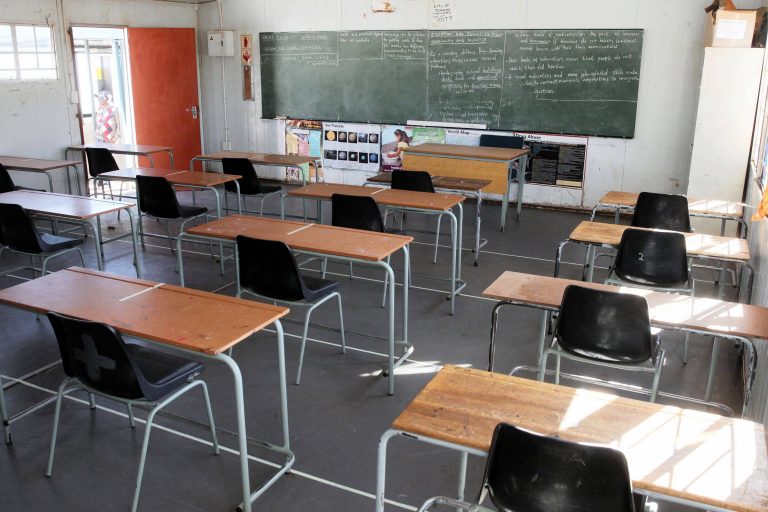
Access to quality learning is also hampered by poor infrastructure, over-crowded classrooms, an inflexible curriculum and ineffective school management encumbered by inadequate policies.

These factors make the issue of diversity and inclusivity in education a complex one.

The current challenges brought to light during lockdown and subsequent phasing-in approach to the re-opening of schools around the country have further highlighted the massive inequalities in the education system and what teachers are challenged with daily in the classroom.

It is also evident that schools are not just places for fostering academic achievement but essential in developing children holistically through health and nutrition programmes and psycho-social support. Relevant and contextual inclusive education training therefore is needed to consolidate and deepen teachers’ critical understanding and application of inclusive practice and policy in the context of the current local landscape.

All undergraduate education degrees in South Africa are required to engage students with the theoretical foundations and principles of inclusive education, however, it is up to the institutions themselves to map out how this topic is included in the curriculum. Some have designed specialised short courses or modules, while others choose to integrate the topic into the general education module.

However, beyond the initial four-year degree only a handful of public universities offer this specialisation at postgraduate level, and in the burgeoning arena of privately-funded higher education in the country STADIO’S School of Education is proud to be offering this specialisation as an Honours level.

The programme is aimed at examining inclusive education holistically from a social capabilities and systems perspective, encouraging students to re-construct education as an anti-discriminatory and non-exclusionary approach.

It is evident that inclusivity in education must move beyond the realm of inclusive education practitioners, educational psychologists, or remedial therapists to focus on promoting research and good practice at all domains of early childhood, basic and higher education. It is up to teachers and education graduates to re-define what inclusive practice, pedagogy, and policy should look like in the South African context, as well the broader field of transformative education.

As such, postgraduate degree programmes in education should also be designed to be inclusive, taking into account the many barriers that prevent practicing teachers and graduates from furthering their education at higher education institutions.

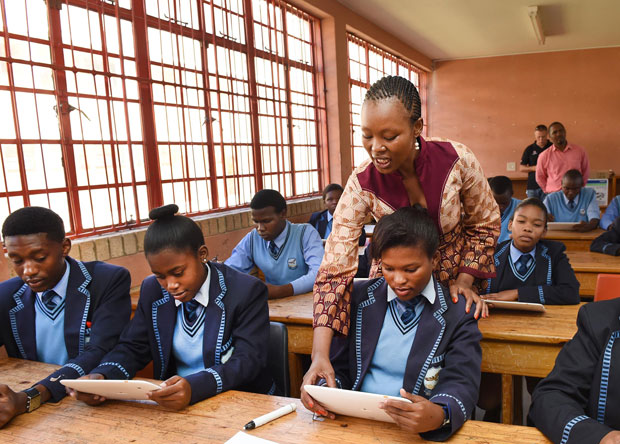
In line with current realities and the need to develop teachers who are technologically competent, the BEdHons (Inclusive Education) is delivered through the institution’s Flexible Hybrid Learning Environment (FHLE) model, which makes it possible for students anywhere around the country to further their studies part-time.

Study material is made available online through structured weekly “learning events”, which consist of presentations, readings, podcasts, discussion forums and webinars.

Unlike outdated higher education distance learning where students are mostly left to their own devices to work through the study packs and then required to submit assignments never having engage with their lecturer or peers, at STADIO’s School of Education students can conveniently access the relevant materials through their laptops or smart phones according to their work-home schedules while not losing out on opportunities to regularly engage in critical discussions with lecturers and fellow students.

The research-driven programme opens the door for developing education scholarship and engagement that seeks to widen current definitions within inclusive education for analysing inclusive classroom practices, examining the role of pedagogy and curriculum in fostering inclusive cultures, and evaluating whether current policies serve to inhibit or promote inclusivity in local and international education systems.

ABOUT THE AUTHOR

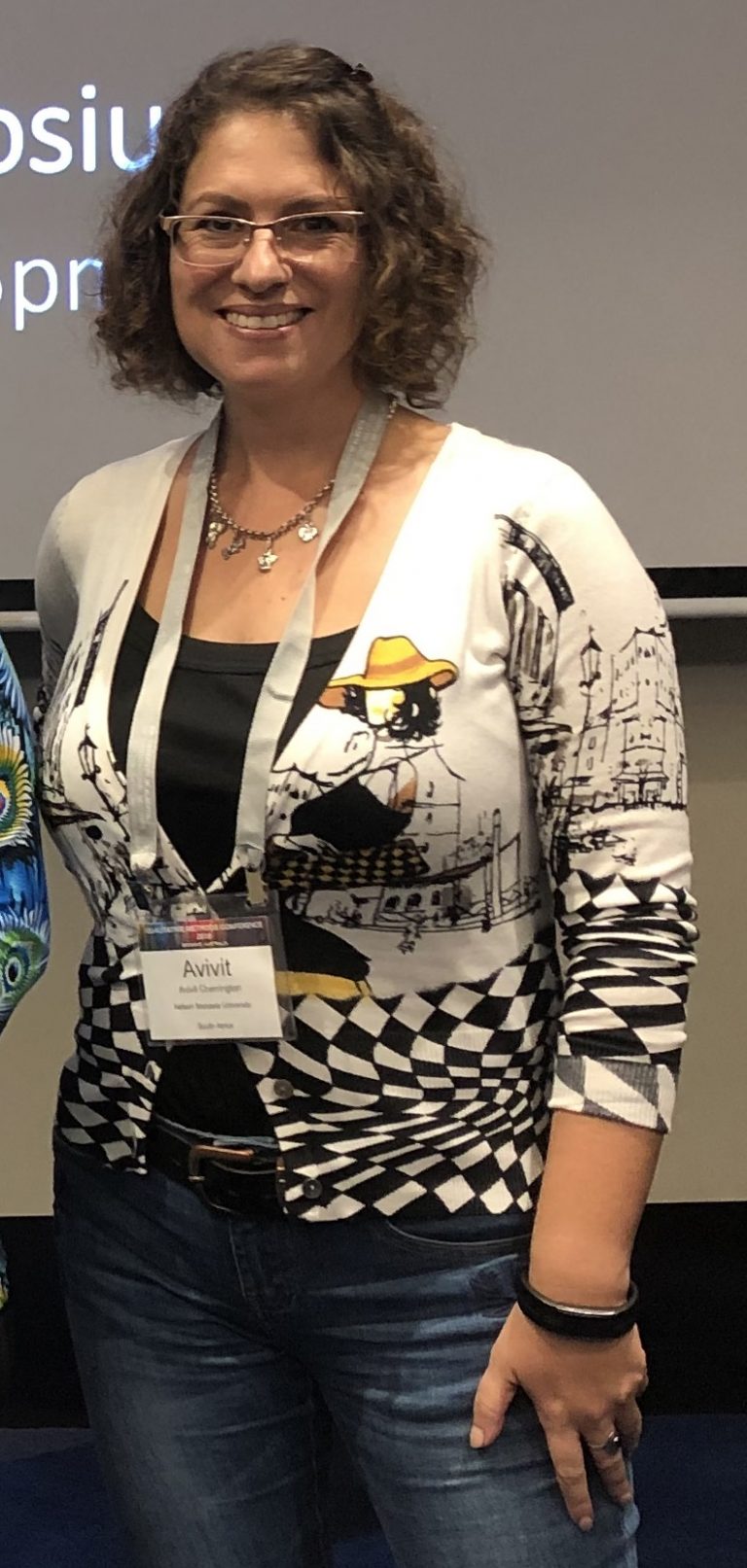
Dr Avivit Cherrington is a senior lecturer at STADIO Faculty of Education and Humanities’ School of Education (formerly known as Embury), and is the programme coordinator for the Bachelor of Education Honours in Inclusive Education [BEdHons (Inclusive Education)]. She is a Research Associate at Nelson Mandela University, Faculty of Education specialising in research on community well-being and transformative social change, and is the Chairperson of the Community and Social Psychology Division of the Psychological Society of South Africa (PsySSA).

Kholosa Biyana: South African Football Queen Who Is Also Book-smart

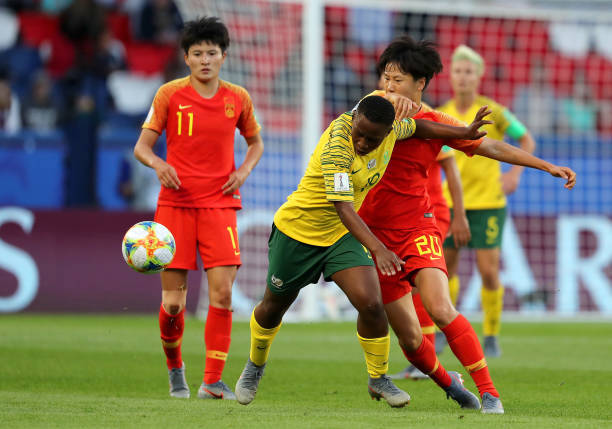
Three-time World University Games participant Kholosa Biyana has made enormous strides in her career so far, including having gone to a FIFA Women’s World Cup.

However, it is her continued resilience in studies that has made her dual career prospects possible.

Biyana, who was born in Eastern Cape has been playing soccer from the tender age of eight. She tells a heartfelt story of sacrifice from her father in particular.

“My dad was my support system, he would drive me to practice every day and he would have to drive back home an hour away, as I was in boarding school and they would not allow me to leave the premises alone,” says the grateful Biyana.

It is for this reason that her father remains one of her biggest inspirations.

Another value that was instilled by her parents was the importance of education and being able to have a dual career.

“Education is very important. I know I love football and I know I can make a living out of it but things are different in South Africa, as we do not have a professional league here.”

“I know there will come a stage when I won’t be able to play professional football,” she says. “I need to have something to fall back on. Injuries occur sometimes and I should be ready if something like that happens. Not only will education help me in the future, but I can also apply the knowledge I gain while playing soccer; aspects such as injury prevention, rehabilitation, sport psychology among others.”

Due to university sports in South Africa being cancelled for the reminder of the year, Biyana has used the lockdown to focus on her studies.

“I am doing my Honors degree in Biokinetics. It is very challenging but I have this time now, without football. We have been doing online learning from the second week of lockdown in April. They (university) have been giving us a lot of tests, assignments and presentations, and I will be writing exams soon.”

“Sometimes, I feel like quitting but I have one goal; to finish this year even if it means crawling to the finish line,” said the Honors degree prospect.

Biyana has participated in not one but three World University Games, consecutively from 2015 to 2019. Biyana cites the 2017 campaign in Taipei as one of her team’s best as they finished fourth overall, after she scored the only goal to send them to the semi-finals.

“It was a great experience because we all had the same goal,” she reminisces. “When we came back from those games, I think 7 of us got a national team call up which was great for USSA football.”

The impact University Sport South Africa has had on Biyana’s football career has been immense. She says, “Through education, you can achieve your goals. USSA is doing a great job because that is where most players get exposure. Some of the players are now in the Premier Soccer League and others in the Glad African Championship. Student-athletes must start taking advantage of the platform given to them.”

Biyana, who is a qualified diagnostic radiographer, also shared some words of wisdom with other student-athletes: “Our journeys are different, we won’t all play at the World University Games. Not everyone will represent their country at national level. Education is the best thing you can fall back on if things don’t work out the way you want them to. Let’s get that qualification!”

Biyana tells FISU about her experience at the FIFA Women’s World Cup last year: “I never thought I would get to that stage but eventually I did. I have learnt a lot from it, from playing against the best players in the world. It is an experience that no one can take away from me.”

She adds that representing South Africa is an honour. “There are thousands of soccer players in the country, they could be playing but in that particular time it was me, grabbing the opportunity and making sure I gave it my best when the opportunity came is the most important thing.”

Some of Biyana’s goals include playing in a top professional league, AFCON tournaments, an Olympics and another World Cup. And of course, finishing her degree!

(Source: University Sport South Africa)