Home Blog Page 48

Manamela hails SAQA’s new era of innovation and integrity

0

By Thapelo Molefe

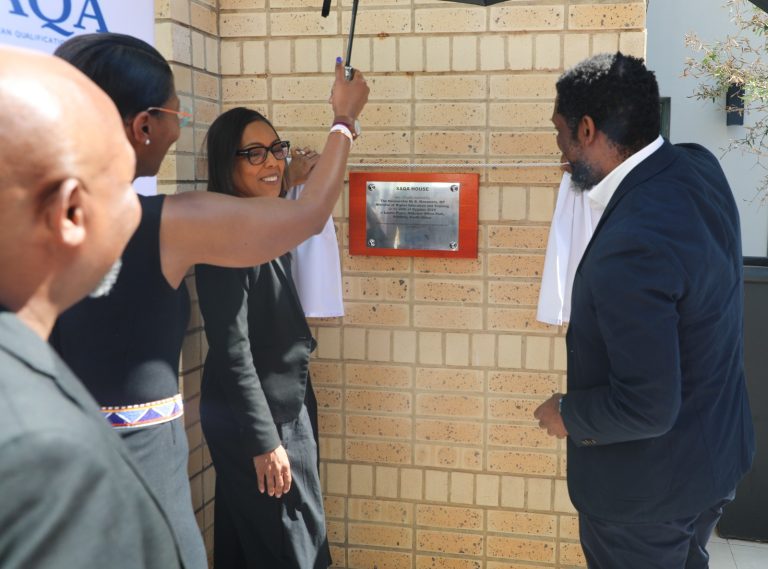
The Minister of Higher Education and Training, Buti Manamela, has hailed the South African Qualifications Authority (SAQA) as a beacon of transformation, integrity, and innovation in South Africa’s education landscape, as he officially opened the new SAQA House in Hillcrest, Pretoria on Friday.

The event, which coincided with SAQA’s 30th anniversary, marked what Manamela described as a renewed commitment to excellence, integrity, and inclusiveness in education and training.
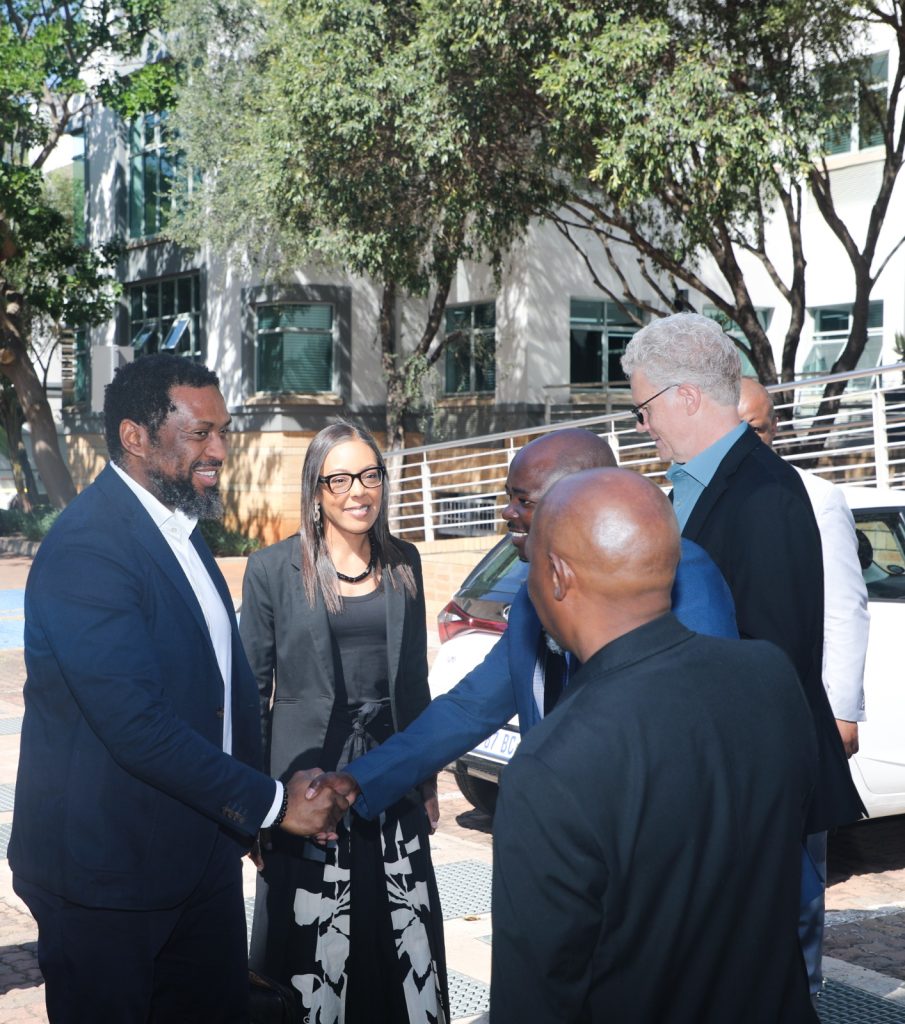
Manamela said far more than the unveiling of a new building, the occasion symbolised a bold new chapter for an institution that has, since its inception, been central to democratising education and recognising learning in all its forms.

“This new home represents not just bricks and mortar, but the living heart of South Africa’s qualifications system, one that connects aspiration with opportunity, and opportunity with hope,” Manamela said.

Reflecting on SAQA’s three-decade journey, the Minister paid tribute to its pivotal role in transforming a racially divided education system into one anchored on equity and inclusion.

Established in 1995 alongside the birth of democracy, SAQA was tasked with developing and maintaining the National Qualifications Framework (NQF), ensuring that all learning, formal, informal, or experiential is valued and recognised.

“From its very conceptualisation, SAQA has been a democratic tool transforming a previously inequitable system of race-based education into an integrated framework centred on the NQF,” Manamela said. “Today, the NQF stands as a cornerstone of our national education system, ensuring that every form of learning is recognised, valued, and connected.”

The minister highlighted that over the years, SAQA has emerged as a model of good governance and professionalism within the public sector, consistently achieving clean audits, advancing digital credentialing, and strengthening the recognition of foreign qualifications.

Manamela praised the authority for “building bridges where there were once barriers” and for creating pathways for citizens to pursue lifelong learning.

“Education is not preparation for life; it is life itself,” the Minister emphasised.

“Institutions like SAQA remind us that access to quality learning is not a privilege, it is a right that must be protected and advanced.”

Manamela also lauded SAQA’s growing global footprint, noting its leadership in regional and international forums on mutual recognition of qualifications, quality assurance, and digital transformation in education.

“Through this leadership, South Africa is not just participating in the global knowledge economy, we are helping to shape it.”

The National Qualification Framework covers 10 levels, starting with high school at level 1, through matric at level 4 then higher certificate, diplomas and degrees all the way to doctorates at level 10.
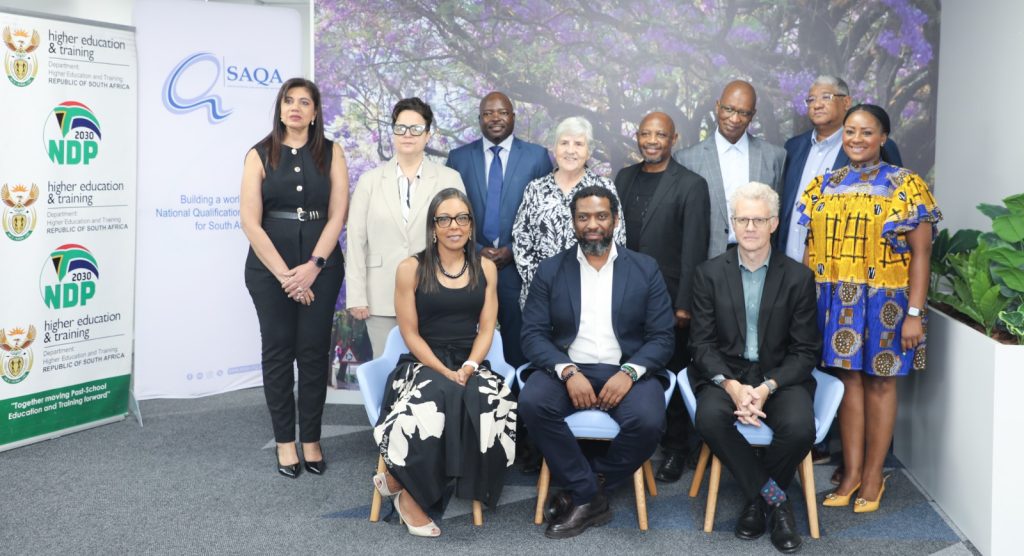
The Minister used the occasion to bid farewell to SAQA’s outgoing Board, led by interim chair Dr James Keevy, commending its members for their integrity and vision in steering the organisation through a period of unprecedented change.

Other board members include SAQA CEO Ms Nadia Starr, Ms Anne Kathleen Oberholzer, Mr Ashley Benjamin, Mr Bonisile McLaren Gantile, international governance expert Ms Jo-Ann Christine Agulhas, Dr Linda Meyer, Dr Mafu Rakometsi, Mr Mark Mamello Mafisa, Ms Sara Nyawa Dikwayo, representing the Chartered Accountancy profession, Dr Thabo Shadrack Mashongoane, Ms Trudi van Wyk, Mr Vijayen Naidoo, and Dr Whitfield Green.

“It is during this board’s tenure that SAQA achieved a series of milestones,” Manamela noted, “including consecutive clean audits, the rollout of digital credentialing initiatives, and the strengthening of international partnerships.”

In her reflection, SAQA CEO Starr described the new SAQA House as “a hub of thought leadership and critical reflection,” representing the spirit of collaboration and innovation that defines the NQF.

“This is more than just SAQA House — it is a tangible symbol of everything and everyone that makes the NQF a transformative tool,” Starr said.

“I look forward to the coming years of contemplation and collaboration as we advance the principles and promises of the NQF.”

As SAQA looks to the future, both Manamela and Starr underscored the institution’s mission to align South Africa’s education and training systems with global standards while empowering citizens through skills recognition, lifelong learning, and equitable access.

With a 30-year legacy built on trust and transformation, Mananela says SAQA now enters a new era, one defined by digital innovation, global leadership, and a steadfast commitment to ensuring that education remains the greatest enabler of social and economic change.

“May SAQA House stand as a beacon of learning, excellence, and service for generations to come,” Manamela concluded. “Together, we will continue to build a nation of lifelong learners, one qualification, one recognition, one dream at a time.”

INSIDE EDUCATION

TALIS 2024: Gwarube lauds SA as continental leader for evidence-based policymaking

0

By Charmaine Ndlela

“Education is not a spectator sport; it is a national imperative that must be accessible to all,” said Basic Education Minister Siviwe Gwarube, speaking at the launch of the Teaching and Learning International Survey (TALIS) 2024 South Africa Report on Thursday.

TALIS, a large-scale international survey led by the Organisation for Economic Co-operation and Development (OECD), collects detailed self-reported data from teachers and school leaders on their working conditions, teaching practices, and learning environments.

The data supports evidence-based education policy formulation.

Gwarube noted that South Africa remains the only African nation to have participated in TALIS twice—first in 2018 and again in 2024.

“We stand here with a sense of pride, as this places our country in a position of continental leadership in evidence-led policymaking,” she said.

Addressing school safety, Gwarube acknowledged incidents of violence in schools but described them as showing a “downward trend.” She emphasised ongoing efforts to make schools safer.

“We signed a Safer Schools Protocol with the South African Police Service earlier this year, and rollout has begun in crime hotspot areas such as Inanda Township in KwaZulu-Natal, Emfuleni and Manenberg in the Western Cape, and uMtata and Nelson Mandela Bay in the Eastern Cape,” she said.

The Minister also revealed that South Africa now has one of the youngest teaching cohorts globally.

“This means our efforts to attract young people into the profession are bearing fruit,” she said.

The average teacher age has dropped from 43 in 2018 to 41 in 2024, while the OECD average rose to 45. In addition, 62% of South African teachers reported that teaching was their first-choice career, up from 49% in 2018.

On gender representation, Gwarube noted that 62% of teachers are women, but only 32% of principals are female.

“Despite this leadership gender gap, South Africa is performing above the OECD average of 15% for female school principals,” she added.

She further stressed the importance of mother tongue-based bilingual education (MTbBE), which equips teachers to work effectively in multicultural and multilingual classrooms.

“In 2025, the MTbBE programme will extend mother tongue instruction beyond Grade 3 into Grade 4, starting with mathematics and natural science and technology,” Gwarube announced.

The minister also said the department is committed to reducing administrative burdens so that educators can focus on teaching.

“A mandate task has been given to the newly operational National Education and Training Council to develop tools and systems to ensure teachers are not overburdened by administrative tasks,” she said.

Gwarube said the TALIS findings align with the department’s curriculum reforms and literacy accelerator programmes.

“TALIS confirms what our reforms already recognise: strong foundations are not optional—they are the oxygen of learning,” she said.

Gwarube also paid tribute to South Africa’s educators:

“To all our teachers: your work is not in vain. Your voices, captured in this report, are now part of our agenda for transformation. Let us move forward with the courage to change, the humility to learn, and the urgency to act,” she said.

INSIDE EDUCATION

Eight Milnerton High School pupils to appear in court on assault charges

0

By Lebone Rodah Mosima and Marcus Moloko

Eight Milnerton High School pupils are expected to appear in the Cape Town Magistrate’s Court on Thursday on charges of assault with intent to inflict grievous bodily harm.

The group was caught in a video allegedly assaulting a Grade 10 pupil.

Two additional videos have emerged in connection with the violent assault of a Milnerton High School learner, according to Western Cape Education Department spokesperson Bronagh Hammond.

The first video, which surfaced on social media on Wednesday, shows a Grade 10 pupil being viciously beaten by fellow students.

The footage sparked nationwide outrage and renewed calls for decisive action against school bullying.

The incident — currently under investigation by the provincial education department — occurred on October 16 after school hours.

The 16-year-old victim is seen being assaulted with a belt, hosepipe, and stick by a group of older boys, reportedly members of the school’s first rugby team.

Other learners can be seen watching and cheering during the attack.

The department confirmed that eight Grade 11 learners have been suspended in connection with the incident.

Hammond said the school – which is conducting its own investigation – was adhering to legal procedure.

“There is a process that’s taking place. That is what we have to respect,” she said.

“The disciplinary process is governed by law. The school needs to have a disciplinary hearing now. They’re currently gathering evidence. Two other videos have come to light involving some of the learners in the first video, and that will be placed in the investigation file.”

Hammond added that the alleged offenders cannot be expelled immediately.

“If the school had expelled the learners, then they would have every right to walk in the door of that school the next day, and this whole process would fall apart. The school is following due process as governed by law,” said Hammond.

“The disciplinary hearing needs to happen, and then only will there be a recommendation, and it is the head of department, not the school, that makes the decision regarding expulsion.”

The victim, who recently completed chemotherapy after a battle with cancer, has reportedly asked to be home-schooled due to the trauma caused by the attack.

His mother, in an audio message shared on social media, said the assault had dealt a devastating blow to her son’s recovery and emotional well-being.

INSIDE EDUCATION

Gondwe reaffirms SA’s commitment to skills development at AU Skills Week

0

By Palesa Nguqu 

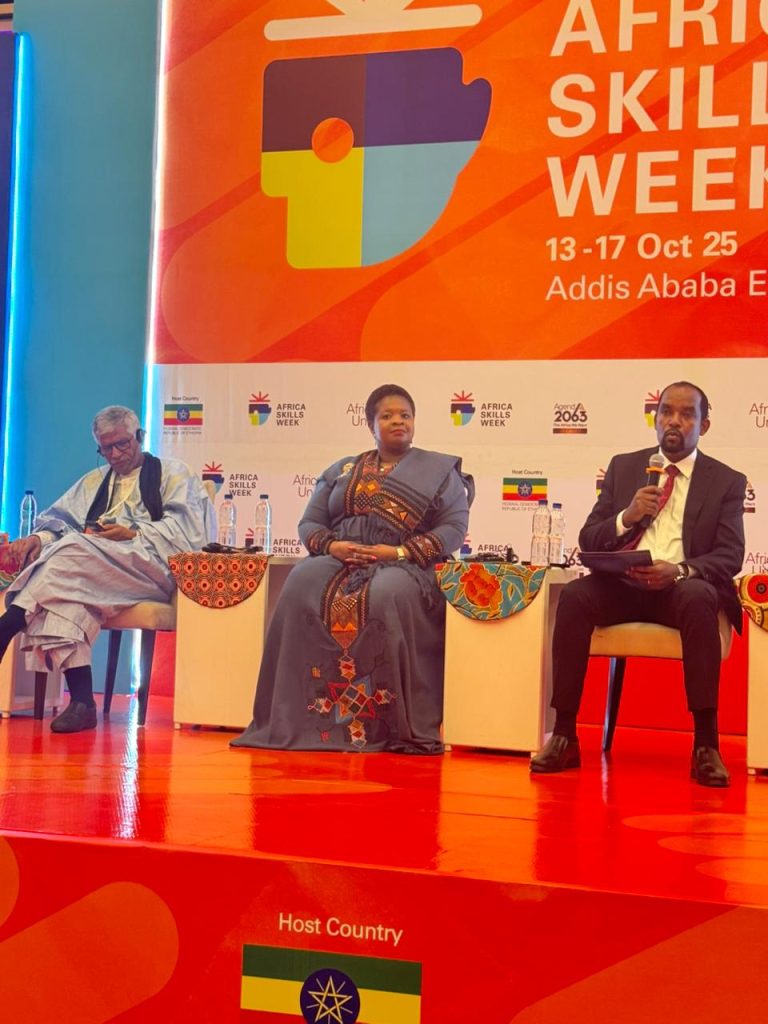
Deputy Minister of Higher Education and Training Dr. Mimmy Gondwe says the African Union (AU) Skills Week has demonstrated the continent’s collective resolve to build a skilled, innovative, and resilient workforce.

Gondwe made the remarks at the conclusion of her working visit to the Africa Skills Week, held from 13 to 17 October 2025 at the AU Headquarters in Addis Ababa, Ethiopia.

Held under the theme “Powering Africa’s Industrial Future: Skills for Innovation, Growth, and Sustainability,” the annual event serves as a continent-wide platform for promoting youth skills development and brings together policymakers, educators, industry leaders, and youth from across Africa to share best practices, launch strategic initiatives, and strengthen collaboration aimed at empowering young Africans for employment and entrepreneurship.

“We must continue to collaborate, share knowledge, and implement strategies that empower our youth and unlock Africa’s full potential. Together, we can shape a brighter future for all Africans,” said Gondwe.

The Skills Week aligns with the broader goals of Agenda 2063, the AU’s strategic framework to transform Africa into a global powerhouse focused on economic growth, social inclusion, and sustainable development.

During the week-long programme, Gondwe participated in a high-level ministerial panel on skills development and attended both the opening and closing ceremonies.

A key highlight of the event was the launch of the Continental TVET Strategy 2025–2034, which underscores Africa’s commitment to building a skilled workforce capable of driving innovation and economic resilience.

On the sidelines of the Skills Week, Gondwe held bilateral meetings with key stakeholders, including Ethiopia’s Minister of Labour and Skills, H.E. Muferihat Kamil Ahmed, to exchange best practices on youth skills development and explore the use of artificial intelligence (AI) to link unemployed youth with job opportunities.

She also met with AU Commissioner for Infrastructure, Energy, and Digitisation, Lerato Mataboge, to discuss potential collaboration between the DHET and the African Union.

“The five-day Africa Skills Week brought together over 850 participants from AU member states, regional organisations, TVET leaders, academics, and youth. It promoted learning, dialogue, and collaboration. South Africa remains committed to knowledge sharing, research, and implementation — ensuring no African youth is excluded from the skills revolution that will define the Africa we want and need,” said Gondwe.

According to Gondwe’s spokesperson, Sipho Stuurman, South Africa’s readiness for the Fourth Industrial Revolution (4IR) must be treated as a systemic transformation of education — encompassing policy, financing, institutional preparedness, and industry participation, rather than being viewed merely as a curriculum reform.

He noted that this aligns with the AU’s Continental TVET Strategy, which prioritises employability, lifelong learning, and integration with science, technology, and innovation.

“The Department, through the TVET Branch and with support from SETAs such as ETDPSETA and merSETA, has launched 15 operational 4IR centres,” Stuurman said.

He further advocated for curriculum updates across all qualifications to include digital literacy, data and AI basics, automation, robotics, and critical thinking skills.

Stuurman also underscored the importance of modular micro-credentials, noting that they allow learners to progressively accumulate skills and adapt to rapidly changing labour market needs.

“The post-school education and training (PSET) system should incorporate modular micro-credentials so learners can accumulate skills progressively,” he said.

He added that expanding workplace-based learning through stronger employer partnerships is essential to ensure that learners gain practical experience with real 4IR technologies.

Highlighting a successful example, Stuurman said the Takealot–DHET Memorandum of Understanding (MoU) illustrates how the TVET system can align with global megatrends.

“Takealot, one of South Africa’s largest e-commerce platforms, represents a real-world ecosystem that links digital transformation, green innovation, and youth employability — positioning TVET as a vital driver of future-ready, opportunity-driven skills development in South Africa,” he said.

INSIDE EDUCATION

Siviwe Gwarube, Santana sign basic education MoU with Brazil

0

By Charmaine Ndlela

Basic Education Minister Siviwe Gwarube and her Brazilian counterpart Camilo Santana on Tuesday signed a Memorandum of Understanding (MoU) that the department said was indicative of a “far-reaching and deepening cooperation” between the two BRICS nations.

The signing took place following the second day of the fourth G20 Education Working Group (EdWG) Senior Officials’ Meeting.

The partnership, according to the basic education department, will focus on teacher development and 21st-century skills, vocational education and training, and early childhood education through the exchange of best practices and pedagogical strategies.

It will also include the implementation of student-level information systems in schools, and the promotion of health and active citizenship.

“Through this partnership, we reaffirm our shared commitment to improving learning outcomes, promoting active citizenship, and ensuring that education continues to serve as a powerful tool for reducing poverty and inequality,” Gwarube said.

In June this year, during the BRICS Ministers of Education Meeting in Brazil, Gwarube and Santana signed an MoU to cooperate on teacher development, school nutrition and early childhood development. Said Gwarube at the time: “This MoU will assist mitigating poverty barriers to education. Participating in these multilateral platforms allows us to mobilise international resources to improve educational outcomes in our country.”

The G20 EdWG is focusing on three “critical priorities”: Quality foundational learning, mutual recognition of qualifications, and professional educational development for a changing world.

The ministers’ meeting will take place on Tuesday in Skukuza,

INSIDE EDUCATION

Over 900,000 matriculants ready for 2025 NSC exams — Gwarube says system ‘ready and secure’

By Palesa Nguqu and Simon Nare

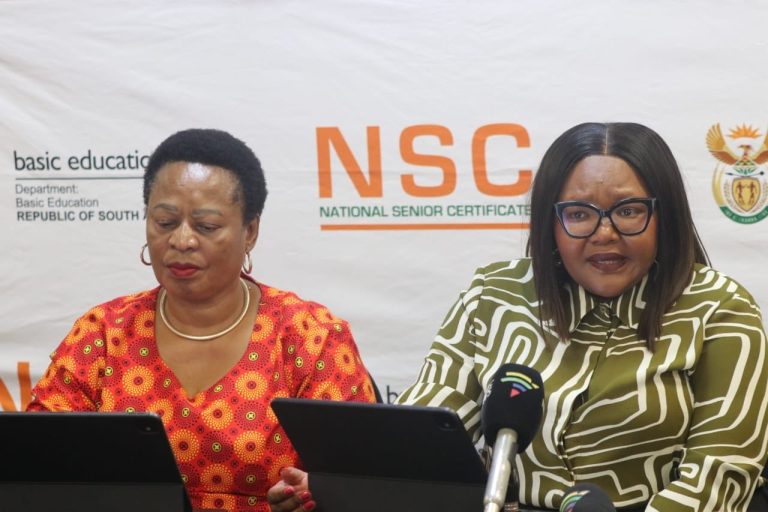
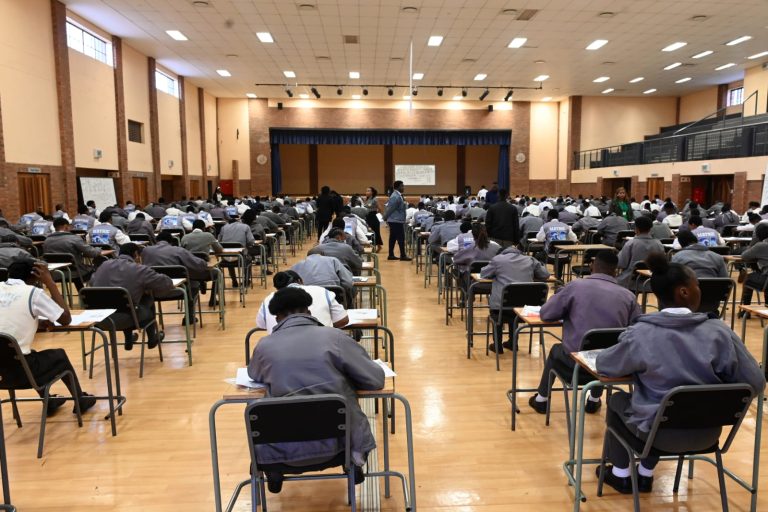
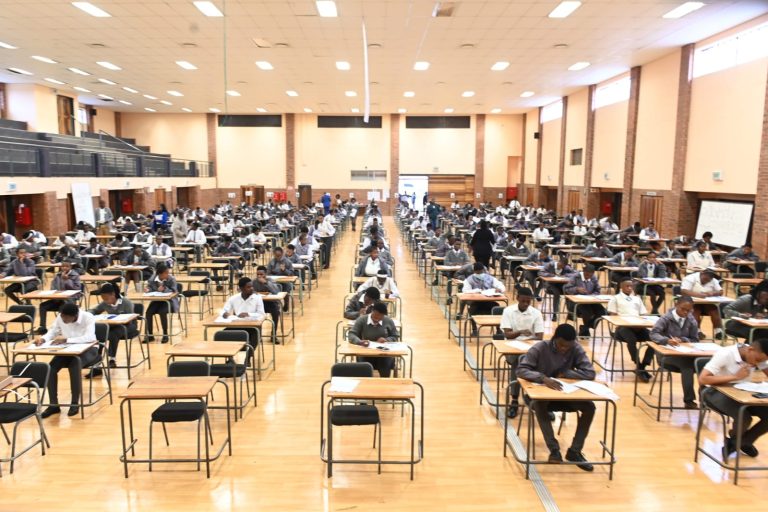
South Africa is gearing up for one of its largest exam operations as more than 900,000 candidates prepare to sit the 2025 National Senior Certificate (NSC) examinations on Tuesday.

Minister of Basic Education Siviwe Gwarube has described the national exam operation as one of the largest and most complex public assessment outside of national elections.”

Speaking at a ministerial media briefing in Pretoria, Gwarube said the Department of Basic Education (DBE) was confident in its readiness.

The matric exams are set to start on Tuesday morning and are expected to end on November 27 2025. 

“The systems are securely in place, the security measures are sound, the educators are prepared, and our learners are ready,” she told dozens of reporters.

According to Gwarube, 903,561 candidates will write the exams — 766,543 full-time learners and 137,018 part-time candidates — marking the highest number since the democratic exam system was established in 1996.

“This year, we have over 766 000 candidates who have registered as full-time candidates. This is the highest number since the public exams started in 1996. We also have just over 137 000 part-time candidates. In total, we have over 900 000 candidates who will sit for the 2025 National Senior Certificate Matric Exams,” said Gwarube.

“We wish the class of 2025 well for the exams.”

To ensure inclusivity, the department has finalized examination versions modified for Braille, large print, and South African Sign Language.

A total of 6,955 examination centers across the country — including 6,396 public schools and 579 independent schools — have been approved to host the exams.

To strengthen oversight, 57 national monitors and thousands of provincial officials have been deployed to ensure compliance and security.

Gwarube stressed that the integrity of the exams remains non-negotiable, with every stage — from paper setting to marking — undergoing multiple layers of verification.

“Let us all rally behind our matriculants, lighting their path with encouragement, discipline, and love, so that when results are released on January 12, 2026, they reflect not only academic achievement but the enduring strength, unity, and possibility of our education system,” the Minister said.

According to the department, over 130,000 learners participated in intensive Autumn, Winter, and Spring revision camps held at 665 centers, focusing on critical gateway subjects such as Mathematics, Physical Sciences, and Geography, with attendance levels exceeding 80%. Learners also received Mind the Gap guides, literature study packs, self-study kits, and digital resources to aid preparation.

Marking preparations are already in progress, with 185 marking centers and more than 40,000 trained officials, including markers, invigilators, and moderators.

Marking is scheduled to begin on December 2, 2025, following staggered staff arrivals from November 27 to December 1.

Meanwhile, Umalusi — the Council for Quality Assurance in General and Further Education and Training — has confirmed its readiness to oversee the process, saying measures are in place to protect the integrity and security of the examinations, including training personnel and monitoring high-risk centers nationwide.

In a one-on-one interview with Inside Education, Gwarube said the department had employed robust measures to ensure the final examinations proceed smoothly and securely.

“Printing, packaging, and distribution security protocols have been tested and tightened, markers are being trained, and the examination centres have been verified. Our focus is to guarantee that every learner is afforded a fair, credible, and smooth examination process,” said Gwarube.

She added that the department was fully prepared to administer the exams and would continue working closely with provinces, districts, and schools to maintain stability and oversight throughout the examination period.

When asked about performance expectations, Gwarube said the department was not anticipating a decline in the pass rate but was instead optimistic about an improved overall outcome.

“This confidence is based on the intensive interventions made throughout their schooling years, and from extra tuition in matric, including winter and autumn camps and weekend classes to enhance teacher support and curriculum recovery initiatives. Our ambition is to improve the quality of education so that more young people can access universities, TVET colleges, and the world of work,” she said.

The department, she noted, had widely circulated exam preparation materials to ensure that learners remain on track and aligned with the examination programme.

Addressing concerns over exam paper leaks, Gwarube revealed that a forensic investigation firm had been appointed to trace the source of last year’s leaks and prevent similar incidents this year.

“Preliminary information shows that the leak did not originate from the Department of Education, and our systems remain secure. We are comfortable that there will be no leaks from the department,” she said.

Gwarube acknowledged that 2025 had come with its share of challenges but assured the nation that the department had identified and mitigated recurring risks.

“Firstly, the issue of school safety, particularly criminal activity around schools and intimidation in some hot spot communities, continues to concern us. We are addressing this through our ongoing collaboration with the South African Police Service,” she said.

The minister also highlighted the psychosocial well-being of learners as a key focus area, saying that expanded learner support programmes and counselling services were being prioritised.

“The psychosocial well-being of learners is something we are prioritising; we have expanded learner support programmes and counselling to ensure that matriculants are emotionally and mentally ready to sit for the exams,” Gwarube said.

INSIDE EDUCATION

All nine provinces declare readiness for the 2025 matric exams

0

By Charmaine Ndlela

All nine provincial education departments across South Africa have confirmed their state of readiness to ensure the smooth and incident-free administration of the 2025 National Senior Certificate (NSC) examinations.

KwaZulu-Natal Education MEC, Sipho Hlomuka, said the province was “fully prepared” for the start of the NSC examinations, reaffirming the department’s commitment to academic excellence.

“Our provincial vision remains clear: every learner who sits for the final examination must pass. We know that external factors sometimes make a 100% pass rate difficult, but we are determined not to fall below 95%,” said Hlomuka.

In the Western Cape, the Department of Education has confirmed full readiness, with 77,442 candidates set to write the final exams — 67,606 full-time and 9,836 part-time or repeat candidates.

The province noted that two subjects have only one registered candidate each: Lesotho First Additional Language and Setswana Home Language.

The Northern Cape Department of Education also confirmed that all systems are in place for the successful and credible delivery of the 2025 NSC exams.

“The registration of examination centres underwent a comprehensive audit by provincial and district officials using a national monitoring tool. A total of 148 centres have been registered across the province,” the department said.

A total of 16,056 candidates have been registered — 14,210 full-time and 1,846 part-time.

Additionally, 148 chief invigilators have been appointed and trained to manage and monitor exam processes across the province.

“We urge the Class of 2025 to approach their examinations with honesty, discipline, and integrity, in line with the oath they have taken. With confidence, we believe that the Class of 2025 will rise to the occasion and make the Northern Cape proud,” the department added.

In the Free State, all plans and logistics for the October/November NSC examinations have been finalised. A total of 48,141 candidates will be writing — 39,352 full-time and 8,789 part-time.

The department reported 100% operational readiness:

  • – Concessions: All 3,726 applications processed.
  • – Exam Centres: All 409 centres registered or audited; 19 independent centres accredited by Umalusi.
  • – Personnel & Venues: All monitors, chief invigilators, and invigilators appointed and trained. Venues meet standards for lighting, spacing, and furniture, with resident monitors assigned to high-risk centres.
  • – Learner Communication: Admission letters issued to all learners.

The 409 centres are distributed as follows:

  • – Thabo Mofutsanyana: 113 centres (13,770 candidates)
  • – Motheo and Mangaung (MMED): 125 centres (14,660 candidates)
  • – Lejweleputswa: 76 centres (10,110 candidates)
  • – Fezile Dabi: 65 centres (7,392 candidates)
  • – Xhariep: 30 centres (2,209 candidates)

The department wished the Class of 2025 “a good run and excellent results.”

In Limpopo, Premier Phophi Ramathuba urged matriculants to aim for a top-five national ranking, calling on learners to surpass last year’s performance through dedication and community support.

The province has registered 127,000 learners (full-time and part-time) across 1,648 examination centres.

Gauteng has confirmed full readiness, with 192,745 candidates registered and 1,040 centres audited and deemed compliant.

Invigilators have been trained, and security measures strengthened.

The province has also rolled out “high-flyer” and “just-in-time” revision programmes to support learners.

In the North West, the Department of Education said preparations are complete, following an audit by Umalusi.

The department hosted a Provincial Prayer and Pledge Signing Ceremony on 17 October 2025, where Grade 12 learners committed to upholding examination regulations and avoiding irregularities.

The Mpumalanga Department of Education has also confirmed readiness, with 583 examination centres successfully audited. MEC Lindi Masina said candidate registration was finalised through the SA-SAMS system, with data uploaded by 30 June.

“A total of 69,980 candidates have registered to write the 2025 NSC examinations — an increase of 2,749 from last year,” said Masina.

The 2025 NSC examinations will officially begin on Tuesday, 21 October, with learners writing Computer Applications Technology, and conclude on 27 November 2025.

The Minister of Basic Education will announce the national and provincial pass rates on Monday, 12 January 2026, and individual results will be released the following day.

INSIDE EDUCATION

SAOU calls for year-round recognition of teachers beyond World Teachers’ Day

By Johnathan Paoli

The South African Teachers’ Union (SAOU) has called for a sustained, year-long celebration and recognition of teachers, warning that the emotional strain, professional isolation, and looming teacher shortages threaten the stability of the country’s education system.

SAOU executive officer, Paul Sauer, said this decision reflects the urgent need for deeper, more consistent appreciation for educators, particularly at a time when many are leaving the profession due to exhaustion and lack of support.

“In the current circumstances, where teachers are experiencing emotional exhaustion and where the wellness of teachers can be measured by the number of good teachers leaving the education system, the time has come to provide more focused acknowledgement to our teachers,” Sauer said.

The SAOU’s call for greater recognition comes against the backdrop of a worldwide crisis in teacher supply.

According to data from UNESCO and Education International, there is currently a global shortage of 44 million teachers capable of meeting basic education needs.

Sub-Saharan Africa, in particular, has been hit hard by this shortfall, with the number of qualified teachers declining sharply over the past two decades.

UNESCO’s 2025 Fact Sheet reveals that the proportion of qualified primary school teachers in the region has dropped from 85% to 69%, while qualified secondary school teachers have decreased from 79% to 59%.

This decline coincides with a rising population of school-age children and the introduction of early childhood development (ECD) programmes, which have increased the demand for teachers even further.

Since 2000, Africa’s expansion of ECD initiatives has created a global need for an additional six million preschool teachers, UNESCO reports.

The union warned that unless South Africa takes proactive steps to retain its teaching workforce, the country could face severe teacher shortages within the next 15 years.

Sauer expressed concern about the Basic Education department’s proposed Early Retirement Programme, which would allow teachers aged 55 to 59 to exit the system voluntarily.

While intended to rejuvenate the teaching workforce, Sauer said the policy could “escalate the problem” by accelerating the loss of experienced educators at a time when replacements are already scarce.

In addition to early retirements, South Africa continues to lose qualified teachers through emigration and career changes.

Many educators seek opportunities abroad or in other sectors due to better pay, improved working conditions, or professional development prospects.

Sauer highlighted the emotional and social dimensions of teaching, noting that educators often struggle with professional isolation and a lack of institutional support.

Strong relationships between teachers, parents, learners, and school management teams are essential to fostering a healthy school environment, the union said.

Without this sense of connection and recognition, teacher morale, and by extension, learner outcomes, inevitably decline.

As nearly one million learners across the country begin their National Senior Certificate (NSC) examinations, the union reminded South Africans that behind every matriculant stands a team of teachers who have guided them from their first day in Grade R.

“Teaching is a work of heart, and teachers are at the heart of education,” Sauer said.

The union appealed to communities to show tangible support for educators, not only during October but throughout the year, including public recognition, encouragement and collaboration between schools and communities to improve teachers’ working conditions.

INSIDE EDUCATION

How to deal with exam stress, according to experts

0

By Charmaine Ndlela

As more than 900,000 full- and part-time candidates prepare to sit for the start of the 2025 final exams on Tuesday, educators and psychologists are urging learners to stay calm, plan ahead, and protect their mental health.

Experts say the key to coping with exam stress lies in balance, preparation, and self-care – including regular breaks, healthy sleep, and realistic study schedules. Avoiding last-minute cramming, focusing on what you know, and setting achievable daily goals can make a major difference in performance.

To help learners manage anxiety, the South African College of Applied Psychology (SACAP) in August launched its 42-minute Matric Study Hacks Webinar, an interactive session offering science-backed techniques and practical tools to improve focus and reduce panic. The initiative preceded the global commemoration of World Mental Health Day on 10 October under the theme Together for Mental Health.

SACAP said that coping with exam stress is really about balance, preparation, and self-care.

Youth mentor Kagiso Kgomane, founder of For The Youth By The Youth, encouraged the Class of 2025 to see exams as part of a larger journey.

“As you enter this final stretch of your high school journey, I want to remind you that this year is not just about exams – it’s about perseverance, self-belief, and laying the foundation for the future you want.

“We believe in the power of young people to change the world. Your voice, your choices, and your dreams matter. No matter where you come from, your future is still yours to shape.”

He said grade 12 pupils should ask for help when they need it and support each other. “Whether you pass with distinctions or face challenges along the way, what matters is that you keep moving forward. We believe in you, now it’s time for you to believe in yourself.”

High-school teacher Asemahle Cwayela advised learners to focus on what they understand rather than cramming or stressing about what they can’t remember.

She said that while some learners might struggle with coping mechanisms, it was important to remain calm and focused. She encouraged learners to approach exams with a goal in mind, to use the material provided by teachers, and to trust their preparation.

Cwayela also cautioned against sharing last-minute notes with classmates, saying this often creates panic and self-doubt instead of confidence.

INSIDE EDUCATION

Government and party leaders rally behind Class of 2025 matriculants

By Lebone Rodah Mosima

Government has extended its best wishes to the Class of 2025 matriculants as they begin their final examinations, urging them to write with confidence, pride, and determination to succeed.

“This period marks the culmination of 13 years of learning, commitment, and perseverance. Learners are encouraged to approach the examinations with focus, confidence, and determination. Your hard work represents not only personal achievement but also a vital contribution to the development and progress of our country,” government said in a statement.

“Government further appeals to parents and guardians to provide the necessary support and a conducive environment for learners during this crucial time. A calm, encouraging atmosphere at home helps to reduce anxiety and allows learners to perform to the best of their ability. Families are encouraged to ensure that learners maintain healthy routines, including adequate rest, nutritious meals, light exercise, and regular study breaks to sustain concentration and overall well-being.”

President Cyril Ramaphosa also wished learners good luck, acknowledging that matric exams can be “quite challenging” but expressing faith in their ability to rise to the occasion.

“Many who have written these exams before you have always done well, and I know you will not disappoint,” said Ramaphosa.

The African National Congress Youth League (ANCYL), on the other hand, described the exams as the culmination of years of hard work, dedication, and perseverance.

“The ANCYL calls on all learners to approach their examination with focus, discipline, and confidence. These exams are not only the conclusion of their schooling journey, but the beginning of a new chapter of opportunity, growth, and contribution to the development of our nation,” the league said in a statement.

The Youth League also reminded learners to apply for the National Student Financial Aid Scheme (NSFAS) for the 2026 academic year before applications close on 15 November 2025, encouraging them to seize the opportunity to secure funding for their tertiary studies.

The South African Democratic Teachers’ Union (SADTU) noted that the National Senior Certificate (NSC) exams play a crucial role in benchmarking the quality of South Africa’s education system.

“The journey of the Class of 2025 has not been easy. Their learning was disrupted by the COVID-19 pandemic in 2020 and 2021, during their Grade 7 and 8 years,” SADTU said.

“We commend both learners and teachers for their resilience, hard work, and determination in overcoming these challenges and making it to this crucial stage.”

SADTU called for the examination period to proceed without disruptions and urged all education stakeholders — parents, communities, transport providers, and government — to support learners.

The union also appealed to communities to protect schools from violence and vandalism and to avoid blocking roads to schools during protests.

“To the learners, we say: remain disciplined and avoid any conduct that could jeopardise your chances of obtaining that all-important National Senior Certificate,” SADTU added.

Inkatha Freedom Party (IFP) leader Velenkosini Hlabisa congratulated learners for reaching this milestone.

“It has been a long journey from Grade R to Grade 12. We congratulate them in advance, as many of their peers who started this journey did not make it this far. I thank them for their perseverance and encourage them not to give up as they are about to cross this bridge,” he said.

Hlabisa also commended educators who “sacrificed weekends and holidays” to prepare learners for success despite difficult circumstances.

The government appealed to parents and guardians to provide a calm and supportive atmosphere at home.

“Families are encouraged to ensure that learners maintain healthy routines, including adequate rest, nutritious meals, light exercise, and regular study breaks to sustain concentration and overall well-being,” it said in a statement.

Department of Correctional Services (DCS) National Commissioner Makgothi Thobakgale praised educators and support staff for preparing inmates for their exams.

“Education not only empowers offenders with knowledge, but also paves the way for a second chance in life. At DCS, we remain steadfast in our belief that learning transforms lives and restores dignity,” said Thobakgale.

He said DCS schools have consistently achieved strong academic results, with 13 schools achieving a 100% pass rate in 2024, up from nine in 2023.

“To all our matriculants, both inside and outside correctional centres, you carry the hopes of your families and your communities. We believe in your potential and eagerly await celebrating your success,” he added.

ActionSA Gauteng congratulated learners for their courage and resilience.

“You have overcome challenges — from disruptions in our education system to personal hardships — and you have shown what it means to be resilient,” the party said.

ActionSA also highlighted Gauteng’s high youth unemployment rate of around 47%, urging learners to see their exams as a gateway to opportunity.

“To every matric learner — remember that this is not just the end of one chapter, but the beginning of another. Whether your path takes you to university, college, a trade, or entrepreneurship, know that you can succeed. Your dreams are valid, your voice matters, and your future is worth fighting for,” the party said.

Gauteng Premier Panyaza Lesufi noted that the province has consistently ranked among the top three performing provinces in the NSC results, with an 88.4% pass rate in 2024, behind the Free State (91%) and KwaZulu-Natal (89.5%).

“On behalf of the Gauteng Provincial Government, I wish the Class of 2025 all the best in their upcoming final examinations. May your hard work and dedication throughout the year bear fruit as you prepare for these exams, which mark the culmination of your basic education,” said Lesufi.

The Afrika Mayibuye Women’s Movement emphasised education’s transformative power and called for collective moral support.

“Education remains one of the most powerful tools for liberation and social transformation,” it said.

The movement encouraged parents and women to dedicate 30 minutes of prayer for matriculants and to visit schools wearing movement regalia, holding placards with messages of encouragement.

“Let us give our children the moral and spiritual strength they need to overcome this final hurdle with courage and confidence,” the movement said.

Build One South Africa (BOSA) also encouraged matriculants to strive for excellence but criticised the limited access to Science, Technology, Engineering, and Mathematics (STEM) subjects in public schools.

“This effectively bars thousands of learners from pursuing tertiary education in high-demand fields and limits the country’s ability to build a skilled workforce,” BOSA said.

The party said it would present proposals to the National Education and Training Council (NTEC) to expand access to STEM subjects.

Umalusi CEO Mafu Rakometsi extended his best wishes to learners writing both matric and Adult Basic Education and Training (ABET) exams.

“May you remain focused and dedicated as you approach your final exam. Adult Education not only equips you with knowledge and skills but also opens pathways for further education and employment,” he said.

He confirmed that Umalusi officials have been deployed to monitor the exams and ensure compliance with regulations.

Minister of Basic Education Siviwe Gwarube recently visited Harry Gwala High School in Khayelitsha, Cape Town, where she joined learners in signing the National Senior Certificate Pledge.

“You have overcome difficulties and uncertainties, and now you stand on the threshold of one of the most defining moments of your young lives. As you prepare to write your National Senior Certificate examinations, you will take a pledge today that commits you to approach this milestone with honour and integrity,” she told learners.

Gwarube urged them to reject cheating and dishonesty, saying such actions “harm the credibility of the entire system.”

“May you go forward with pride, and may your efforts shine as brightly as your dreams,” she said.

“I wish all matriculants the best for their final examinations. Write with confidence, honesty, and the belief that you are shaping a better South Africa and a better Africa.”

INSIDE EDUCATION