
Inside Education went to a few schools in Soweto to capture the back to school excitement. Many grade 1s were going to school for the very first time and there were more smiles than tears.

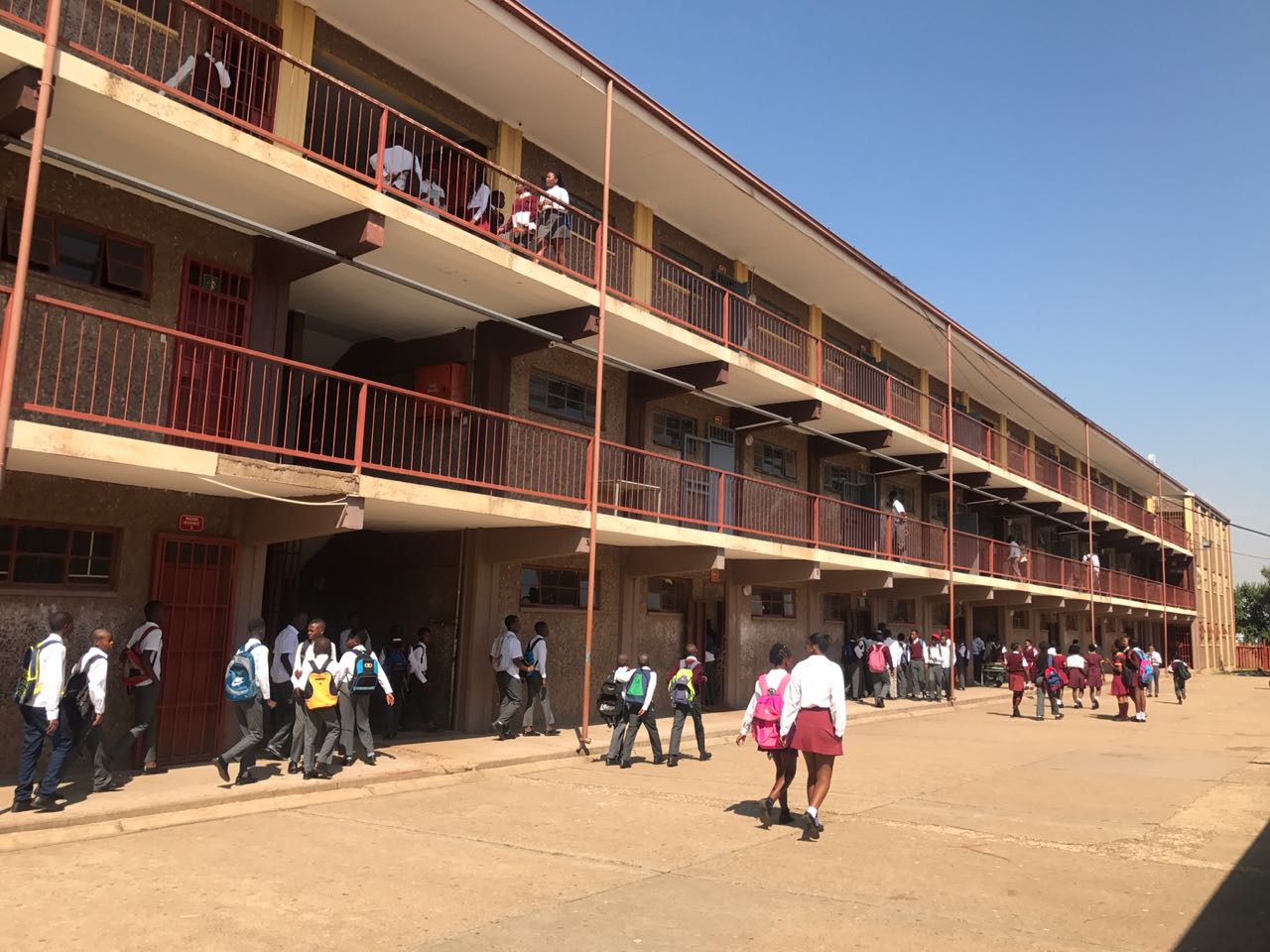
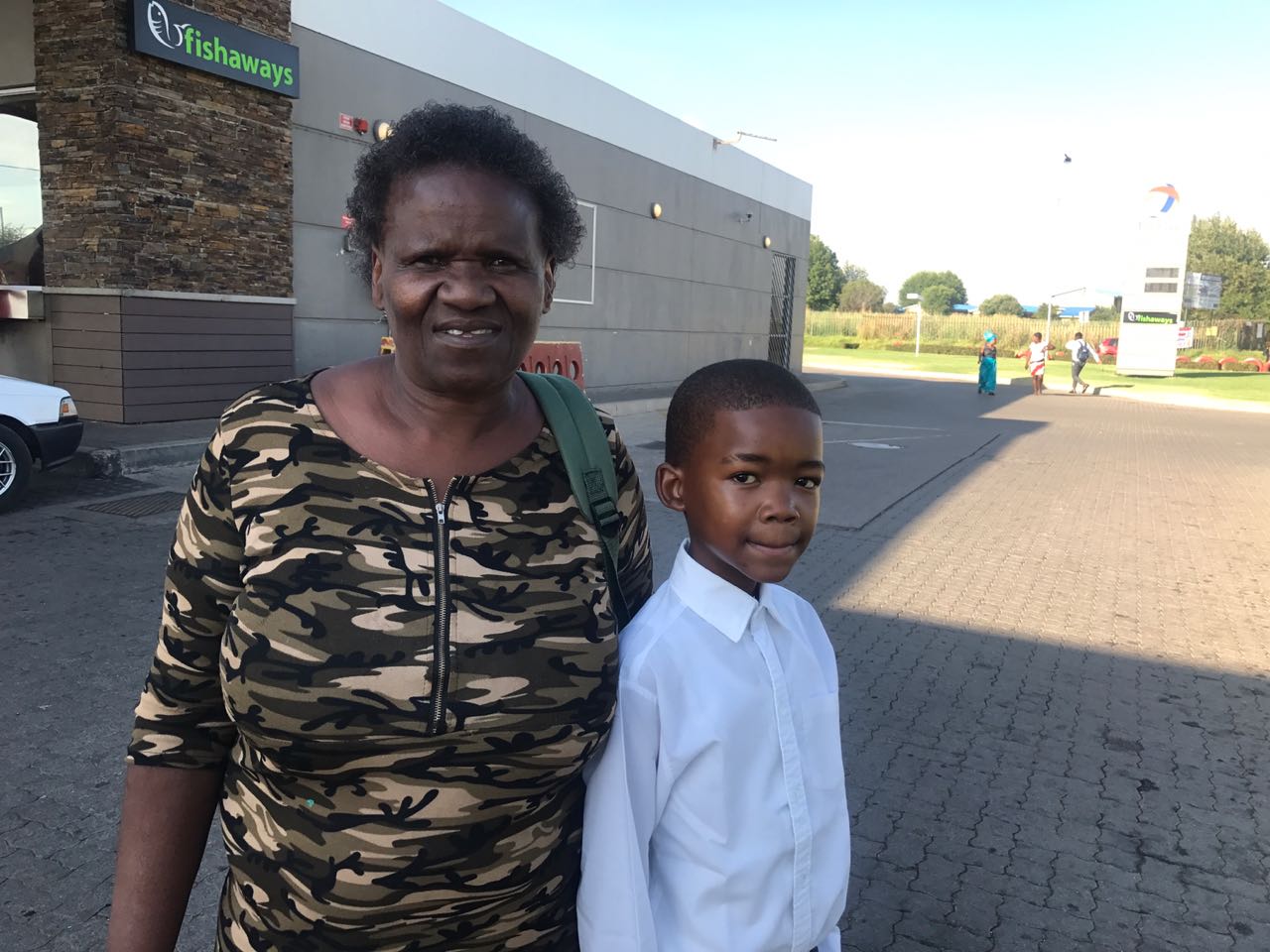
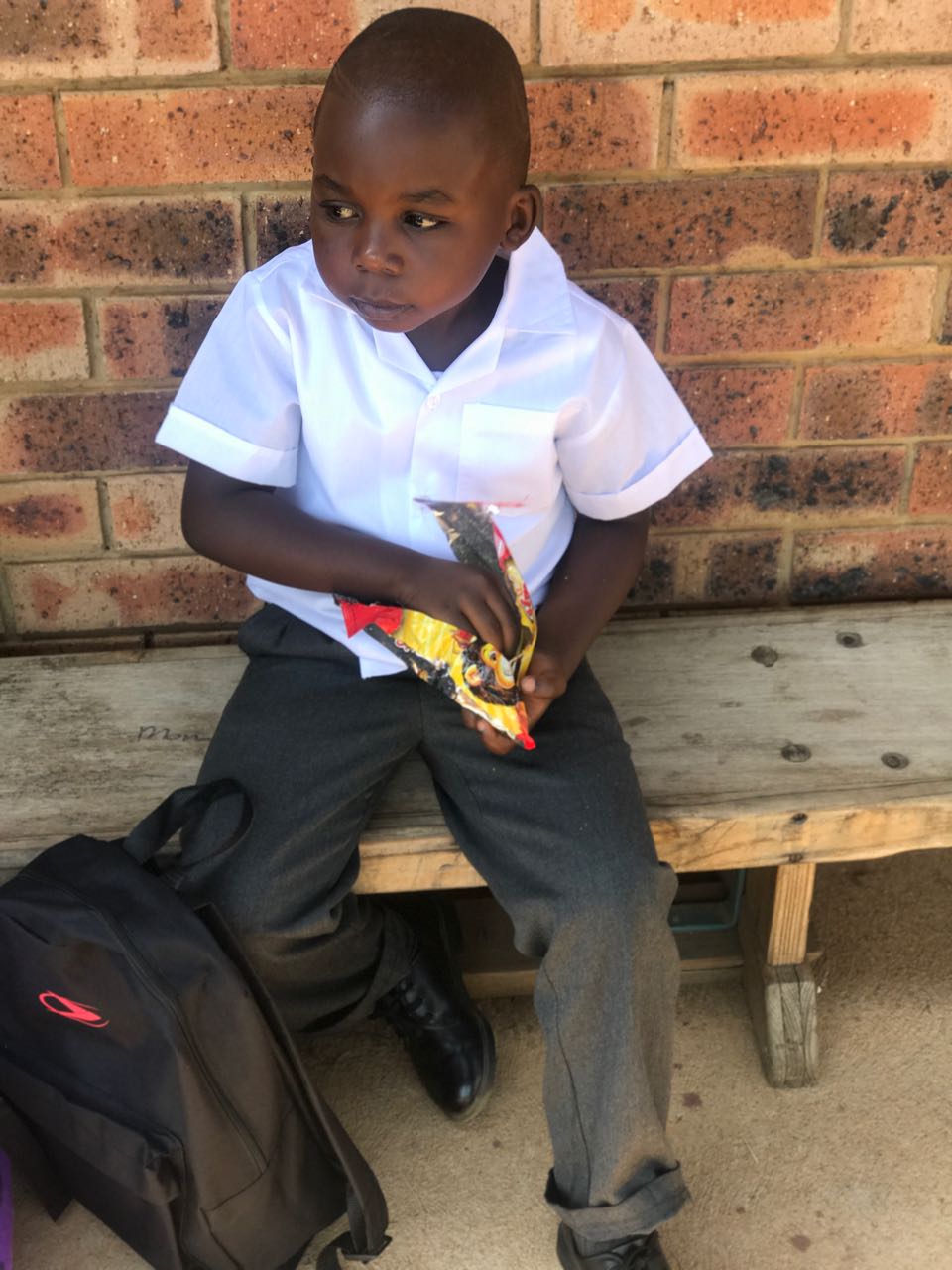

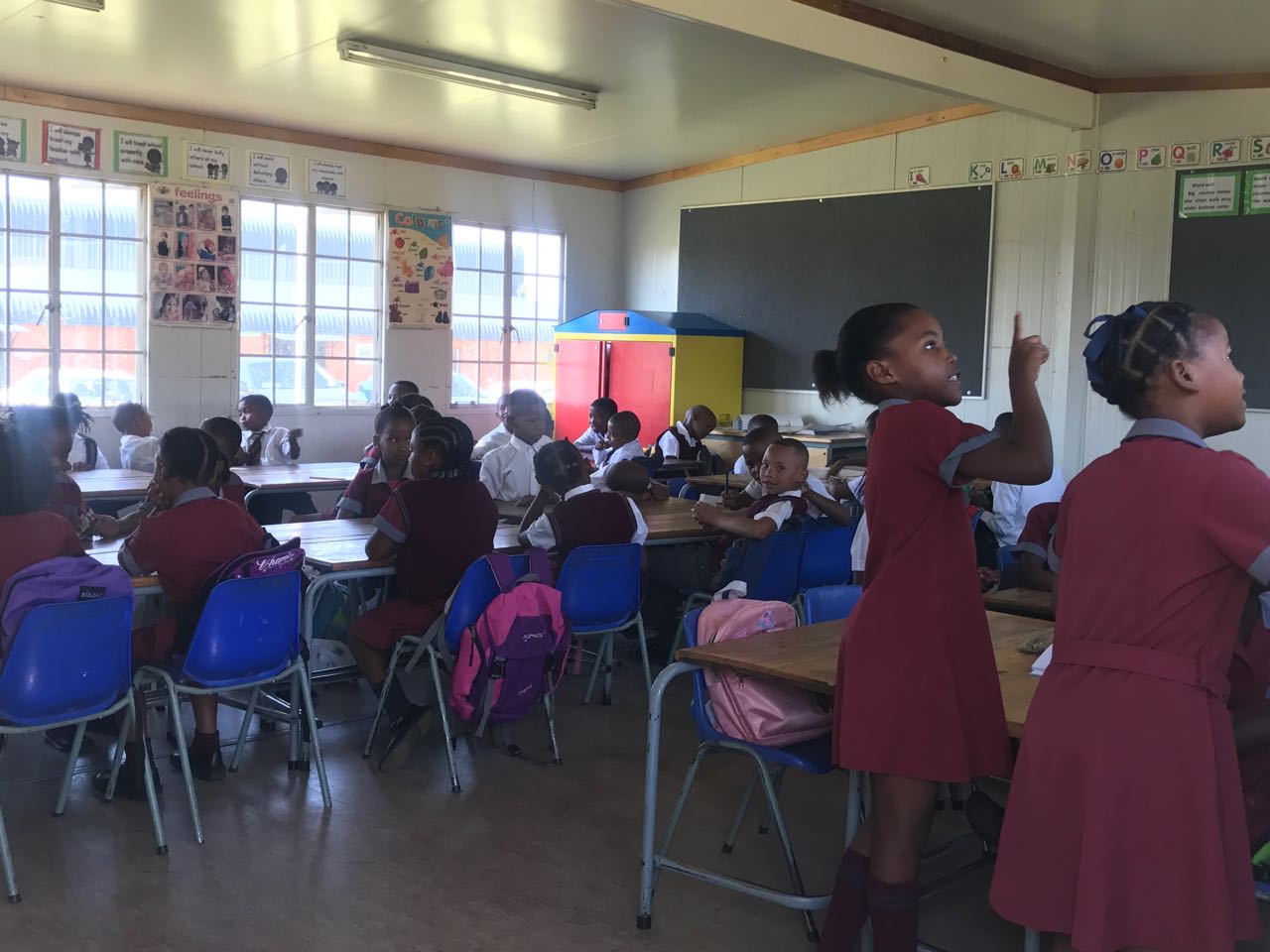
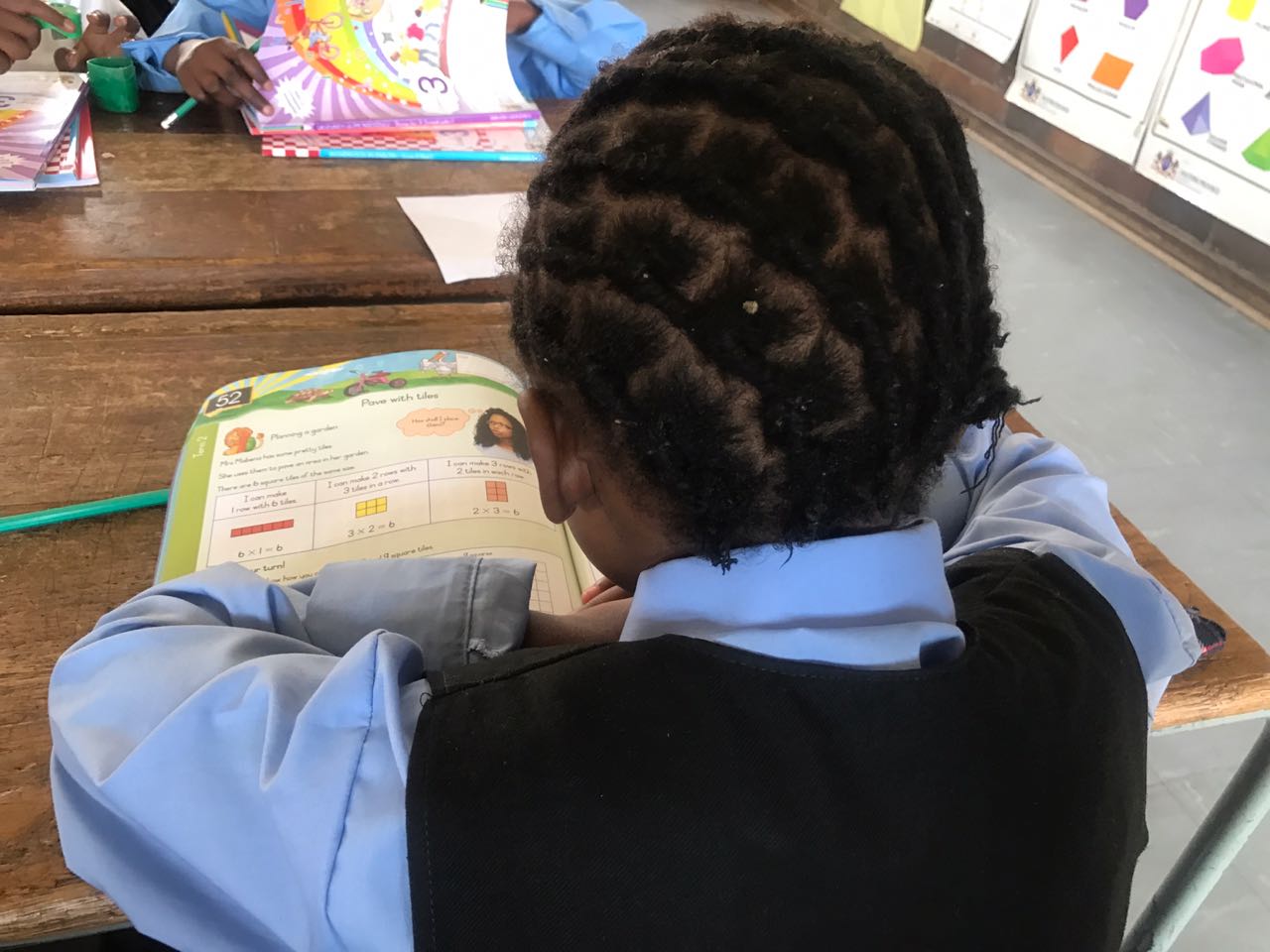
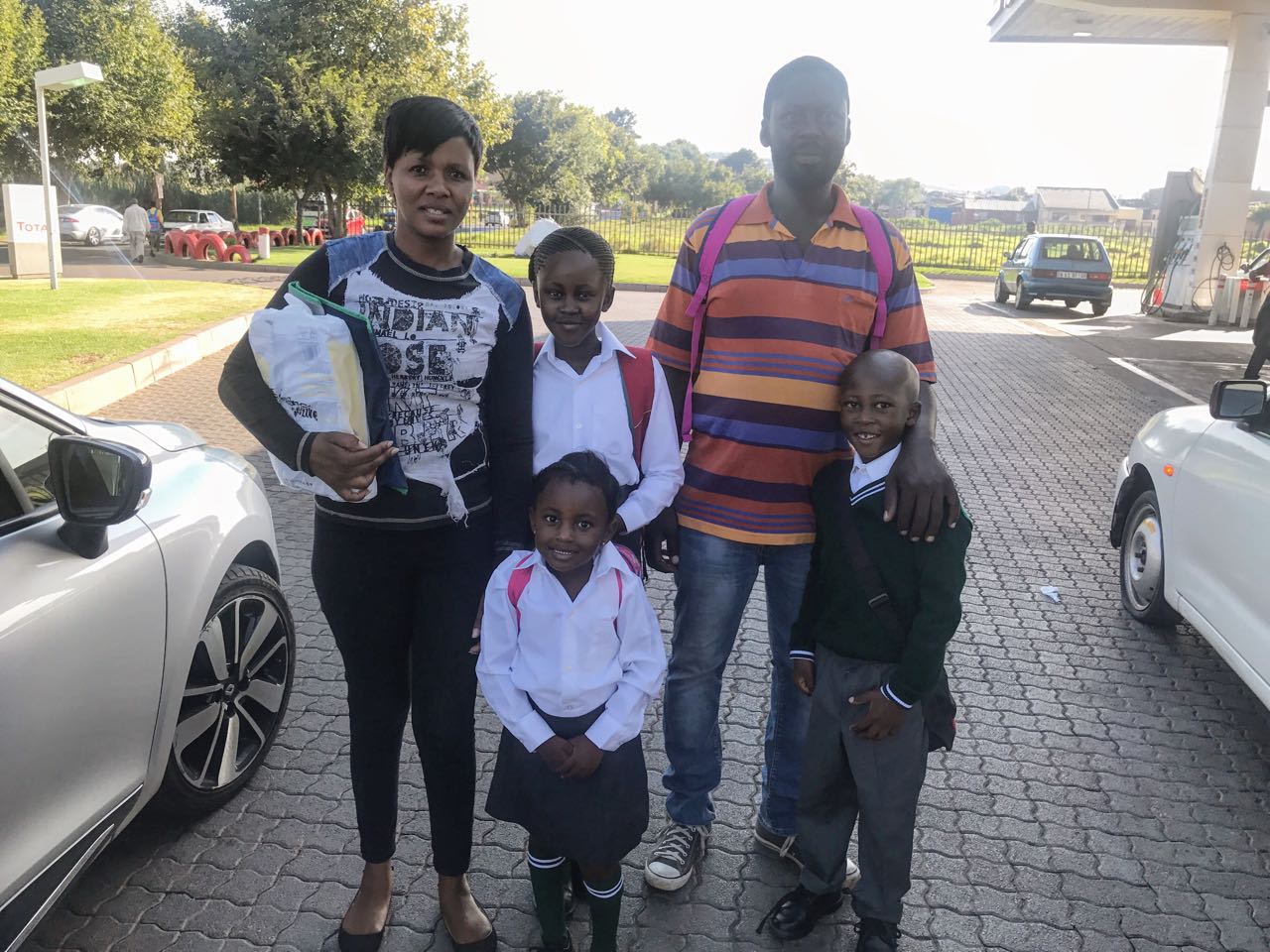
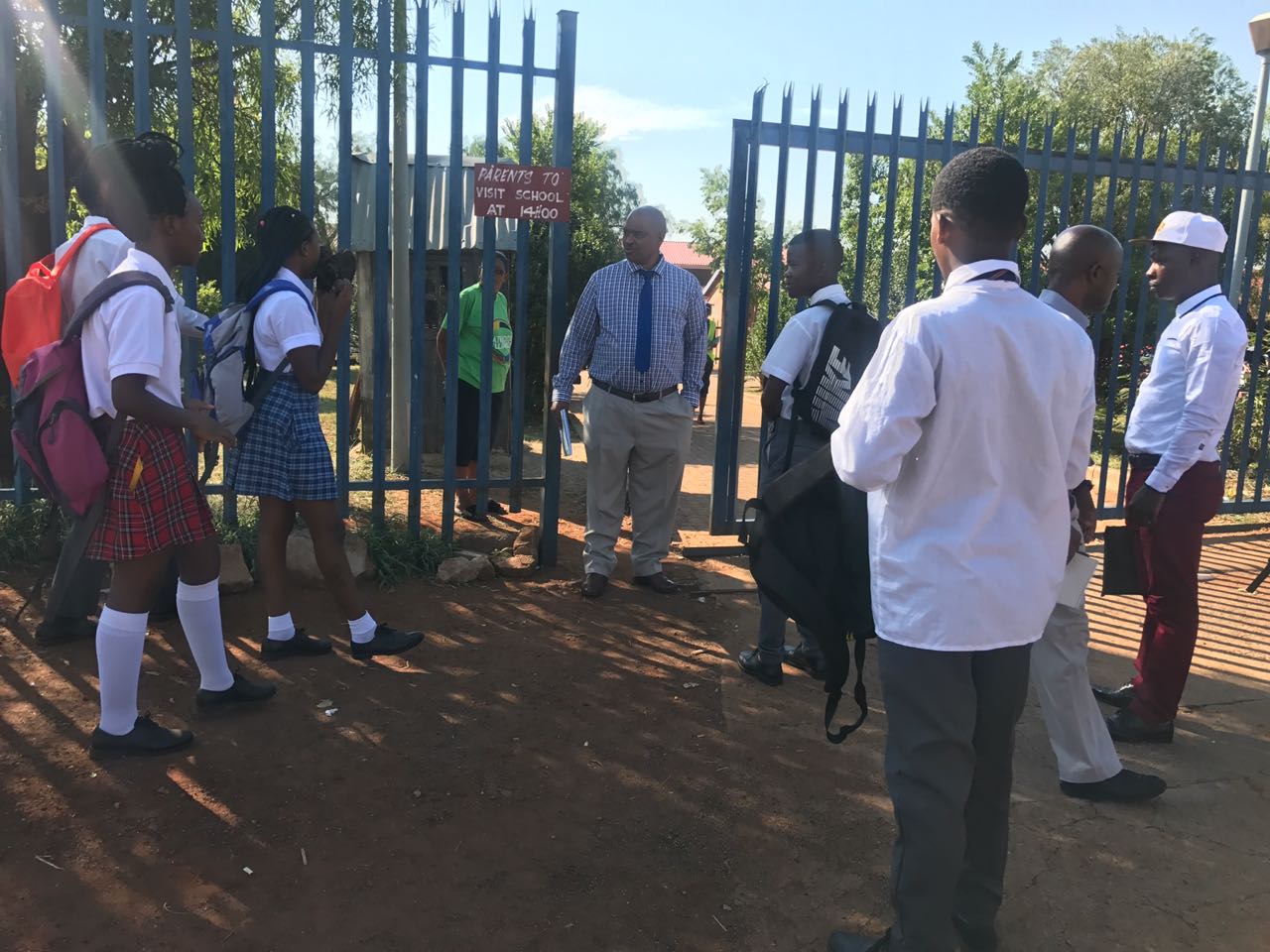


Inside Education went to a few schools in Soweto to capture the back to school excitement. Many grade 1s were going to school for the very first time and there were more smiles than tears.

When people discuss the challenges related to e-learning (the use of electronic technology to facilitate learning), they tend to focus on access. This can mean access to financial resources to buy equipment as well as geographical constraints: some regions are simply too remote and underdeveloped to be properly connected to the internet – or even the electricity grid – which are of course both crucial for e-learning systems.
There are also socio-cultural challenges to the use of e-learning, particularly in Africa. Critics argue that the use of e-learning in African higher education could erode African culture and identity. They fear that e-learning platforms might prioritise Western culture and that this is somehow “un-African”. These critics fear that the use of e-learning will somehow destabilise the existing patterns and behaviours in African higher education.
But, based on my research, I would argue that e-learning is very important in Africa. This technology offers a chance to increase communication in the process of learning and to stretch educational offerings across borders. E-learning can also allow academics to build new networks beyond their own borders. So while knowledge from and about the West can come to Africa, the reverse is also true: the continent’s own knowledge can reach much further through e-learning.
There should be a drive across Africa to invest in e-learning, as has been seen in similar economies like Latin America and India.
Most African countries have progressive policies related to e-learning, and have embraced it in theory. However, at the practice level, a lot still remains to be done, especially by those who must share this information: educators.
At the same time, mechanisms must be put in place to ensure that it’s used without being perceived to undermine African people’s efforts, knowledge and cultures.
Those who criticise e-learning because of its perceived threat to African cultural identities clearly see globalisation – and the resulting spread of technology and innovation – as a danger that aggravates the disparities between the Western world and African countries.
But e-learning is both a technological and a social innovation. At its best, it can address problems within a particular social context. For instance, my colleagues and I have used e-learning to complement our teaching in a Masters programme in health information management in Kenya, Tanzania and South Africa. This has saved money since students and staff didn’t have to travel. It’s also been an opportunity for invaluable cross-cultural learning.
African cultural identities will not be eroded by e-learning. On the contrary, the sort of cross-cultural experiences found in my example help to strengthen the continent’s cultural identity. At the same time, they are a way to better understand and accommodate diversity.
Critics also suggest that e-learning is an example of forcing technology on African people. This idea arises because of the power and economic disparities between the West and Africa. But it lacks a proper understanding of the problems the technologies are meant to solve.
For instance, large swathes of Africa are remote. People in those areas want to continue learning, but struggle to do so because they are far from cities or major centres. E-learning is a way to appropriately respond to this demand, quickly and cheaply.
Part of the problem here is that people do not distinguish between westernisation and modernity. Westernisation is cultural emulation of the West which leads to unquestionable adoption of Western ideologies, technologies and content. Modernisation is the acceptance of changes that are compatible to – and brought about by – science, technology and their functional requirements in people’s lives.
A resistance to modernity, in the form of e-learning, could actually hinder socio-economic development in Africa.
E-learning is a mature socio-technical innovation. It has many benefits and can address some of the educational challenges in African higher education. Its critics must be heard so that their fears can be overcome. Those of us working in the field of e-learning, as well as those providing the platforms, will need to help people to distinguish between the sources of the technology – often, Western nations or organisations – from the benefits it brings.
 It will also be important to prepare Africa’s educators for this technology. They must know how to use it, how to infuse it with local and relevant content, and how to provide students with authentic learning.
James Njenga, Senior Lecturer, Department of Information Systems, University of the Western Cape
This article was originally published on The Conversation. Read the original article.

Bonile Khanyi
A teacher was stabbed to death on Saturday, allegedly at the hands of one of his grade 8 learners.
Kingston Vhiya, who was a teacher at the Bosele Middle School near Kuruman in the Northern Cape, was allegedly stabbed by the boy in the early hours of Saturday morning after the boy accused him of failing him.
According to reports, the 15-year-old boy went to the teacher’s house in the early hours of Saturday morning and began pelting the house with stones.
Northern Cape police spokesperson Lieutenant-Colonel Dimakatso Mooi confirmed the incident.
“I can confirm that a teenage boy has been arrested for the alleged murder of Kingston Vhiya. It is believed that the boy went to the victims’ home on Saturday morning and threw stones and rocks at his windows,” said Mooi.
“When the teacher came out to talk to him, he didn’t see anyone there and as he turned around, the boy stabbed him to death.”
Mooi said the teenage boy was arrested at the scene on Saturday.
Speaking to Inside Education on Tuesday, Education spokesperson Geoffrey van der Merwe said that while the Department of Basic Education (DBE) could not divulge the specifics of the incident, a team of officials and the MEC for Education, Martha Bartlett will visit the family of the deceased on Wednesday to extend their condolences.
The boy is expected to appear in the Mothibistad magistrate’s court today on a charge of murder.
Bonile Khanyi
The Department of Basic Education says it’s all systems go for the 2018 academic year.
Most provinces have confirmed they’re ready but Gauteng, the Northern Cape and the Western Cape are still dealing with admission and space issues.
In Gauteng, the department announced that there were more than 31,000 pupils who still needed to be placed in schools while nearly 900 learners are yet to be placed in the Northern Cape’s Frances Baard and John Taolo Gaetsewe district municipalities.
In the Western Cape more than 11,000 pupils don’t have a confirmed place in a school for the year, mostly in Grades 1 and 8.
According to the department, this was because more than 150,000 learners migrated to the Western Cape over the past five years, placing the schooling system under enormous pressure.
Speaking to Inside Education on Monday, the department’s spokesperson Elijah Mhlanga said he was confident that there’ll be a good start to the academic year.
“Readiness checks were done in 2017 and we are confident that with all the work done we are sure to have a good start to the calendar year,” said Mhlanga.
Mhlanga said textbooks and all the required resources were delivered to all schools last year.
He also outlined the department’s plan to ensure that they “utilise each and every school day for curriculum coverage to be improved in all schools”.

Bonile Khanyi
Calm has been restored and it’s back to business after chaos erupted at the University of South Africa (Unisa) in Tshwane.
On Monday morning, South African Students Congress (Sasco) wanted to hand over a list of demands to the university’s management and barricaded the entrances to Unisa’s Sunnyside campus forcing students who came to register to climb over the gates to make their way to registration queues.
Students at the Unisa Sunnyside Campus are now jumping over the gates to gain access to the university in order to register. There have been concerns of a stampede breaking out (@AlexMitchley) pic.twitter.com/9WSs9nbJJX
— Team News24 (@TeamNews24) January 15, 2018
Unisa Spokesperson Martin Ramotshela told Inside Education there appeared to be a scuffle between Sasco and the Economic Freedom Fighters Student Command (EFFSC).
“There seemed to be a power struggle between Sasco and the EFF. One student body would not allow people to enter the campus while another was trying to get students inside campus so they can register,” said Ramotshela.
The EFFSC wanted students to be allowed in to register before the deadline on Friday while SASCO agreed with management to resume tomorrow.
#UnisaProtest: EFF students wing and PYA clash in opinion as they debate to resume registration or commence with process tomorrow. pic.twitter.com/Sjl4SWMqUF
— Neo Motloung (@NeoMotloung_) January 15, 2018
He also said the university had deployed all its executive management to mediate the situation.
Registration has resumed and late applicants can now apply for a course of their choice after the university announced it would re-open applications for the 2018 academic year for first-time entering undergraduate students.
The deadline for late applications is on Friday, January 19.
Chester Makana
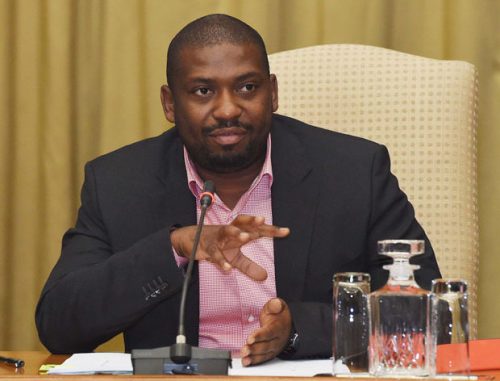
An increasing demand for training and vocational education over the past years dictates that more investment should be diverted to the sector, Higher Education deputy minister, Buti Manamela said on Monday.
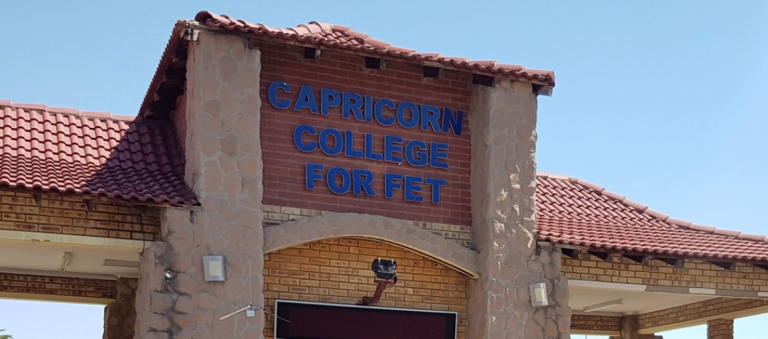
Manamela was visiting the Capricorn TVET college application centre at the Polokwane’s Peter Mokaba stadium where hundreds of students lined up for registration. He said the number of students considering TVET colleges had increased over the past four years and this was a call for attention.
“We are very excited that there is a huge demand for the TVET education,” said Manamela.
“This means that as government we need to invest more in expanding the sector,” he said.
Registration at the centre resumed on Monday morning after a stampede resulted in a suspension of the process. Six were injured and rushed to nearby hospitals, while two others were hit by a vehicle outside the campus. According to interviews by the SABC, some prospective students started queuing on Saturday afternoon, vying for space at the institution which already indicated that it could only cater for 1200. Some also slept at the local sports facilities.
Manamela said TVET colleges statistics had increased from 350,000 to at least 750,000 over the past four years.
“This shows that more people are responding to TVET colleges, therefore we need to respond to that,” he said.
However, Manamela did not reveal how the government would respond the system demands.
Manamela acknowledged that the free education announcement contributed to the increased number of students applying to higher education institutions.
In December last year, President Jacob Zuma announced that education would be free for students whose families had an income of less than R350,000.
The move encouraged aspiring professionals to join queues at various colleges.
Thuso Sekgobela,25, from Bolobedu was among top five applicants who submitted applications at the stadium on Monday.
She joined the queue around 1:20 am.
She said she was quick to complete the form and submit her application, and was optimistic she will be admitted.
Sekgobela said the process on Monday was better than last week.
According to Capricorn TVET management, successful applicants will be informed of their acceptance within two days.

When most of us think about learning, we imagine a teacher and a classroom. In reality most of the things we know, and a great number of the skills we acquire as children and adults, are learned outside the classroom – in conversations with peers, engaging in community service, on the playground.
Educators and researchers are increasingly recognising opportunities for growth presented outside the classroom, and are working to integrate them into classroom learning experiences.
Games, in particular, are being seen as learning spaces. This is because they enable players to develop non-cognitive skills, such as patience or discipline, which are important for career and life success. Gameplay also develops a number of cognitive skills, including critical thinking and problem solving.
The African continent has a long history of gameplay that extends back to pre-slavery and precolonial times. Board games, in particular, have been used to teach, or reinforce, values as well as cognitive and motor skills.
Games have been part of the social fabric of many African societies for hundreds of years. The Morabaraba board game was historically used to share cattle herding strategies in parts of southern Africa (for example South Africa, Bostwana and Lesotho) and discuss information related to war strategies. And legend has it that Oware was used in 1700s Ghana by Ashanti King Katakyie Opoku Ware I to resolve issues between married couples. Today, board games remain equally popular and culturally significant.
Though a growing number of researchers around the world are making the connection between playing and learning, the learning potential of African board games remains severely under-explored. My research – which focuses on mechanics, rules and context – suggests that the creative use of these games could play an important role in formal education.
The board games explored in my research include Oware (Ghana), Bao (Tanzania), Moruba (South Africa), Morabaraba (South Africa), as well as Omweso or Mweso (Uganda).
I broke down some of the mechanics and rules of each game, as well as the context in which they were and are played. This enabled me to identify some of the learning outcomes of each game’s mechanics.
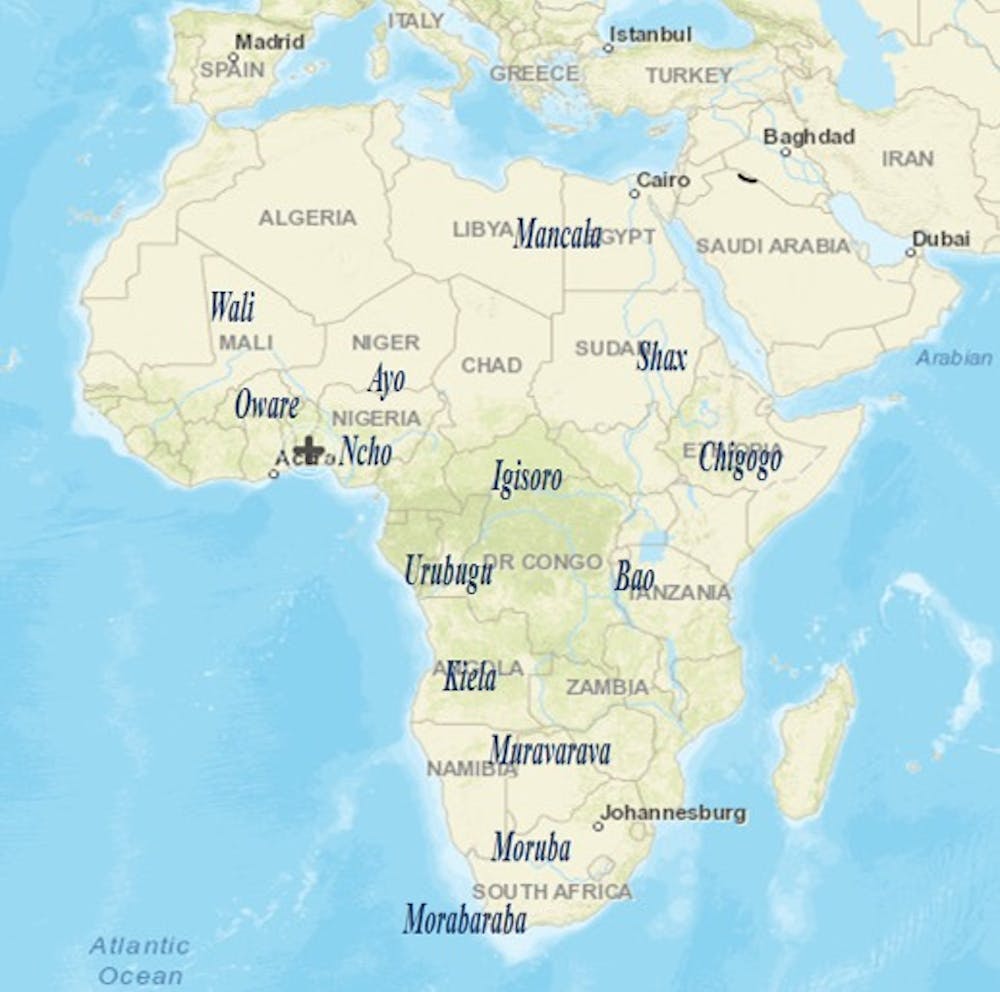
Popular board games across the continent.
The boards games could be referred to as “strategic games” as they involve strategic thinking. Most – with the exception of Morabaraba – are also from the same family of games, Mancala.
My analysis shows that the board games should be viewed as unique, and different. Each has its own mechanics, requires specific skills and produces distinctive learning outcomes. This means that the games could potentially be used to teach a variety of concepts and skills across a number of subjects and at different educational levels.
Oware is one of the most played and known African board games in the world – and its rules show its learning potential.
It is played on a board of 12 holes, with 48 seeds or pebbles equally distributed between two players. The seeds or pebbles are dropped one by one into consecutive holes by players who take turns to play. The aim of the game is to capture 25 seeds. This requires players to use multiple strategies and techniques.

Playing Oware teaches strategic thinking and arithmetic. Patience, spatial thinking, communication, decision making and negotiation skills are some of the other learning outcomes it facilitates.
But the game mechanics of Oware suggest that it could even prove to be useful in a biology classroom. The life cycle of a cell is defined by a series of events that lead to its division and replication. Like the cell, Oware gameplay is characterised by a series of cyclical, repetitive movements, guided by the game mechanics or rules. Thus, using Oware mechanics or rules, the concept of cell life cycle can be explained to students in a biology course.
The full learning potential of games like Oware is yet to be completely uncovered, but it’s clear that it can be used to introduce students to new concepts they may easily understand because of their familiarity with game. Learning is made fun and enjoyable.
Games are certainly alternative spaces for learning and can advance education. The educational potential of African board games has long been argued by ethnomatheticians (who study the relationship between mathematics and culture) and anthropologists – including scholars such as James Owusu-Mensah, Arthur Powell, Oshon Temple, and Kofi Poku Quan-Baffour.
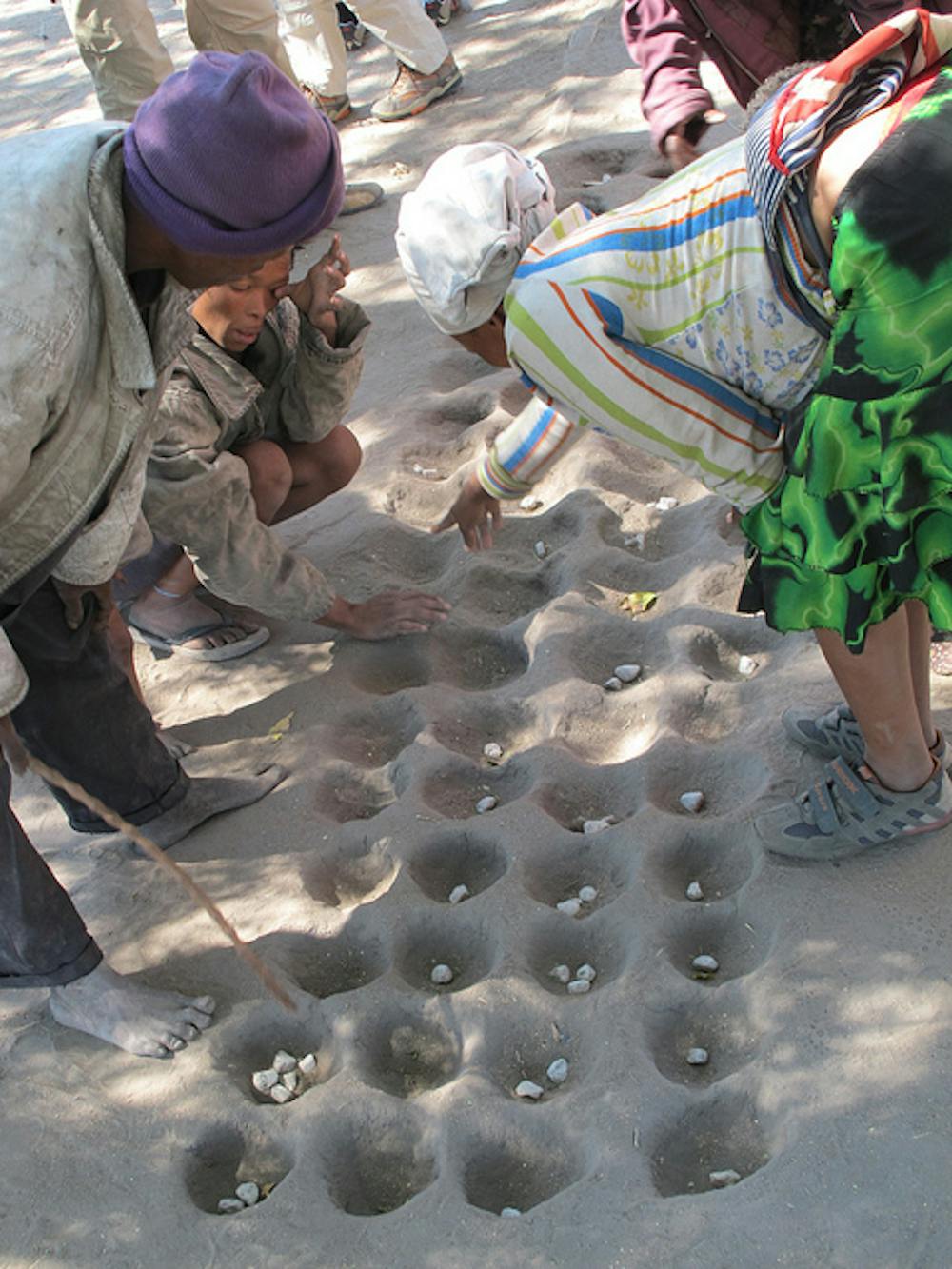
The field of Game Studies is emerging and, across the world, educators and researchers are exploring games to understand and enhance learning. But many of the digital games that are celebrated for their educational value are expensive and inaccessible to most people. African board games, on the other hand, are simply made and can even be reproduced, or designed, in a playground by digging holes on the ground.
 The moment is therefore ripe for African board games to assume their proper place in this emerging field. An inventory of these games is an excellent first step, but there is much work to be done.
Rebecca Y. Bayeck, PhD Candidate, Learning Design & Technology & Comparative & International Education, Learning Performances Systems Department, College of Education, Pennsylvania State University
This article was originally published on The Conversation. Read the original article.
Thabo Mohlala
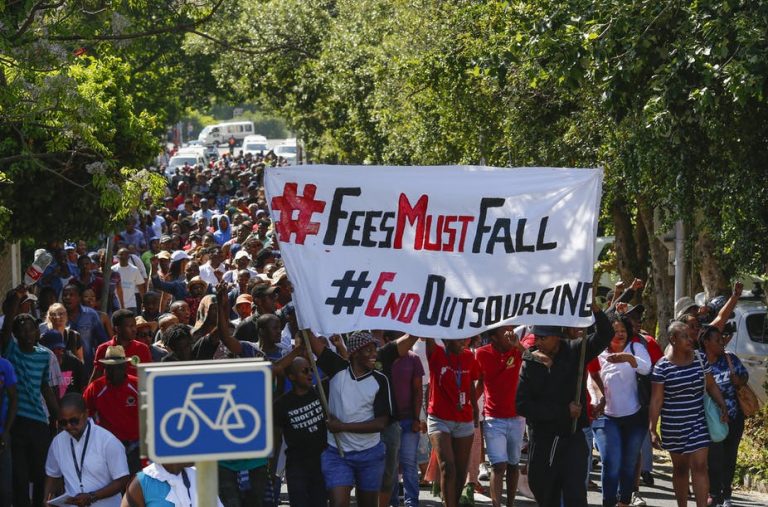
The sudden climb down by several university management to allow for walk-in registrations was a result of intense pressure applied by student political organisations. They wanted to ensure all deserving students got an opportunity to register.
This was according to the South African Students Organisation’s (Sasco) secretary, Fasiha Hassan and the Economic Freedom Fighters Student Command’s (EFFSC) Phuthi Keetse, during a wide-ranging interview with the SABC on the unfolding registration process at various universities and TVET colleges.
Last year, through Universities South Africa (USAf), institutions vowed they would not allow students to register in person. They wanted students to do so online. They have since adopted a “flexible approach” and allowed walk-ins after the registration process was going on in an orderly manner.
The student leaders agreed there was no basis for university management to oppose the walk-ins since this method proved to be the most effective way of registering students throughout the years. They both rejected the suggestion that they threatened to destabilise the start of the academic year if universities didn’t allow for their demand for walk-in applications.
“Walk-in registration process is nothing new. It has been happening all the years and works well if universities put proper systems in place. We have seen it work in the past and all it takes is to dedicate an office and personnel to deal with students who come to register. And the institutions have the capacity to do so and we have seen proceeding well,” said Hassan.
Keetse said disallowing walk-in registrations was going to disadvantaged students from poor communities.
“It is unfair to expect students who come from deep rural areas to register online when they have no access to internet facilities or walk long distances to get to one. And in some instances, these don’t work efficiently,” said Keetse.
He said the influx of students into universities and TVET colleges was due to the announcement of the free higher education which saw the threshold for qualifying students revised.
“Most students knew only in December after President Jacob Zuma announced at the ANC conference. And they didn’t have time to register online and they only way they could register was to go to the institutions in person,” Keetse said.
The student leaders also blamed the stampedes and chaos in TVET colleges on the poor handling of the registration process by the institutions’ management.
Thabo Mohlala
There is a flicker of hope after this week’s stampedes caused by an influx of prospective students at Capricorn and Motheo TVET colleges. This could be signalling a new awareness that students are beginning to have faith in the colleges as important education centres.
On Thursday, several students were hurt when sstudents pushed throught the gates at Capricorn TVET College while their counterparts in the Free State stormed the gates of the Motheo TVET College during registration.
This took many by surprise as it was anticipated these scenes to unfold at university campuses. University management have also took precautionary measures by initially barring students from applying at campuses in person.
According to Christopher Brink, president of the International Association of Colleges in Southern Africa (IACSA), even though it is too early to read into these incidents, this should be a welcome development. He said TVET Colleges have a good curriculum that could go a long way in helping the country deal with the current youth unemployment as well as carry out vital development projects the country needs.
“However, the problem is our education system is still designed in such a way it promotes the career pathing that university is the only place to go after completing matric,” said Brink. He said the number of young graduates who constitute a big chunk of the jobless is enough evidence that universities are not the be-all and end all.
He said the university curriculum does not teach practical skills that lead to job creation but is geared to producing academics who must find employment elsewhere upon graduation. Unfortunately the quality of education at TVET colleges has been downplayed, Brink said, to an extent that most learners only enrol at these colleges as second choice or even third choice. He said it would be good if we saw more learners going to the colleges as their first choice as this would not only would create a pool of young artisans but would also help promote the stature and integrity of the colleges.
Last month, Hlengiwe Mkhize, Minister of the Department of Higher Education and Eraining (DHET), told Inside Education that TVET colleges form a critical component of their post-schooling policy. She said they re-positioned them as specialised skills production hubs to specifically address the high youth unemployment rate.
Mkhize said they would follow a model used by Nordic countries, Germany and Switzerland which integrated learning in a manner that combines both theoretical concepts and work experience.
DHET has set itself a target of producing 30,000 artisans a year as prescribed by the National Development Plan.

Vicky Abraham
The banning of holy assemblies and biblical lessons at government schools has resulted in thousands of parents turning to homeschooling.
Nearly 100,000 children are currently homeschooled. Parents view homeschooling as an essential platform to teach and embed Godly ethical values in their children’s lives. Some of the other reasons cited for homeschooling are: quality education, creating a strong positive bond between parents and children and accommodating those with special needs. Safety considerations and financial constraints are part of the reasons home education has expanded.
Additionally, parents do not want to expose their children to the physical and psychological dangers they are exposed to at traditional schools. These include; bullying, peer pressure, harassment, drugs, physical assault and rape.
Homeschooling was legalised two years after the birth of democracy in 1994. The legalisation, was enforced after the arrest and incarceration of Andre and Bokkie Meintjes, a couple that had decided to homeschool their children. The persecutions and injustices meted out to parents, resulted in the formation of the Association for homeschooling and intervention from a US-based Home School Legal Defense Association (HSLDA) and homeschoolers from the USA. Subsequently, the Meintjes were released from jail.
In 1998, the Pestalozzi Trust was established by a “group of Christians to protect the rights and freedom of all families to educate their children at home according to their own religious and or philosophical persuasions, pedagogical convictions and cultural traditions”.
Nevertheless, 20 years later, it seems parents are not enjoying the right and freedom they have fought for to educate their children freely without interferences from the Department of Education. Towards the end of 2017, the department introduced a proposed draft policy, which, among other things, requires parents to apply to the HOD for the registration of their children to be educated at home.
Part of the requirement is for parents to conform to what the department deems to be: “reasonable conditions set by the HOD, to keep a record of attendance and a suitable timetable for a learner, understand the curriculum, provide and facilitate education in a manner that is consistent with the law.” Most parents are not excited about the contents of the policy, and are set to oppose it in their responses to the department. Some of their concerns were raised on different homeschooling websites. Parents are required to submit their comments about the draft policy to the department by January 31.
Karin van Oostrum from the Pestalozzi Trust said: “The policy is based on sound principles, but the practical provisions are unworkable and in fact violate the very principles the Department of Basic Education (DBE) articulates in the policy document itself. We are ready and willing to work with the DBE to develop a workable framework based on those sound principles.”
One parent, Adriette Schoeman, posted on the Pestalozzi Trust website: “As a concerned parent about my child’s education, I put my child’s education as a high priority and my right as a parent is to educate her the way I want. Nobody can tell me what to and how to educate my child”.
A parent known only as A. Bullock wrote: “I have two daughters in Grade 5 & 7 they are happy at home and homeschooling them has made a positive impact on them as young children. They have improved in languages and maths because when they don’t understand a concept we take our time. My one daughter experienced bullying at the tender age of 9 years old and this is one of the reasons I have decided to take the responsibility as a parent for my children’s education seriously.”
There are thousands of children who are homeschooled and most parents have opted for the USA and Cambridge education syllabus for them, as opposed to the South African education system.
Hendra said: “Parents have the Constitutional Right to choose the curriculum that best suits the needs of their children. I cannot see how imposing a broken system on anyone will be in the best interest of children. We are using a curriculum that is listed as one of the top in the world and you want to force us, parents, to use one that is one of the worst in the world. In my opinion, your actions are what should be looked at as damaging to kids, as forcing something that clearly isn’t working on families who chose a better system is going backward not improving things.”
In response to Inside Education’s media enquiry, spokesperson for the Department of Basic Education (DBE), Troy Martens said:
“Basic education is a right enshrined in the constitution, we need to ensure that if children are being kept out of school that they are in fact getting a reputable education at home. This is the right of every child and it is the responsibility of the Department to ensure this happens. The policy makes provisions for us to monitor if this is indeed taking place.”
Chairman and Treasurer for the Pestalozzi Trust and former chairman for the Association for homeschooling in SA, Bouwe van der Eems says there are no accurate statistics for homeschooling. According to the 2012 census, 57000 children were homeschooling back then, and Van der Eems said: “If an average growth of 10% per annum is assumed, this number should be around 100000 in 2017.”
“The problem is that, the National Curriculum did not only remove Christianity, but also replaced Christianity with multi-faith religions. This was one of the main objections from homeschooling parents, private schools, school boards and various religious organisations, when the National Curriculum was introduced in 2002,” said Van der Eems.
He said there were numerous incidents where parents were shocked by the moral values promoted in the prescribed CAPS curriculum books, chosen by homeschool curriculum providers. Those types of incidents motivated homeschooling parents to choose curriculums that did not promote values that conflict with their Christian values.
However, Martens said: “Perhaps there are the occasional isolated incidents, but that statement is ridiculously untrue”.
Van der Eems said many parents chose home education for reasons related to moral values and to avoid bullying, and if it was important for parents to protect their children from the morality that was prevalent in schools, then home education most was certainly a good choice for such parents.
“Public schools will teach what the government or the teacher has on the agenda. This may not be consistent with your family values. To most families who choose homeschooling, the values their children would be taught in a public school are not acceptable. One of the biggest homeschooling benefits is that your children’s value system is learned at home not from peers, not from special interests, and not determined by the government,” said Van der Eems.
He said parents thought it would be confusing for their children to learn one religion at home and another at school.
“Public schools do not offer religious instruction for individuals who want to instil those values unto their children as part of daily instruction. Many Christian parents believe that it is their responsibility to teach God’s Word daily, not occasionally, and more and more public schools teachings are in direct contrast to Christian values,” says Van der Eems.
Martens said it was the responsibility of all parents whether they were in the public, private system or home schooling to teach their children morals and values.
“This is not something that should be outsourced to schools. They should come to school with good morals and values from home,” said Martens.
Martens claimed that: “Religious practice is allowed at schools, but it is not taught as a subject. Learners are welcome do their religious education in their spare time. We are a secular society and freedom of religion is a right enshrined in the constitution, therefore we cannot force religious education on learners.”
In an article titled, “Reasons for homeschooling” founders of South African Home-school Curriculum, Shirley Erwee and Wendy Young explained that while there were many parents who believed schools were doing an excellent job with their children, there was an equal number of parents who find that a school failed their child for one reason or another.
“Failed, does not refer to a pass mark for a grade but rather that they have failed to realise that each child is an individual or that each particular child learns differently to others, or even that the child has been bullied by peers. But in classes of 35 to 40 children, how can a teacher cater for each child,” they said in the article.
Parents believe they can offer quality education to their children at an affordable fee through homeschooling.
“Because home education does not have all the overheads that are associated with schools such as buildings, transport, clothing etc, it offers much better value for money. Children get more education for the same amount of money,” said Van der Eems.
He said homeschooling was also beneficial for children with special needs. Those who learned quickly could learn at a pace fast enough for them, while those who needed more time could also have a suitable pace set for them.
Parents could adjust schedules around work and do what they wanted to do with their children. The arrangement also worked well for parents who were working from home or who travelled a lot. Van der Eems said, “Home education allows parents to work their careers to the fullest while being able to educate their children and being able to travel when they need and want to.”
South African Homeschool Curriculum said home education offered parents the chance to hone their child’s gifting and talents and then raised them in their weaker areas to an acceptable standard. Another explanation was that it allowed parents to interact on a deeper heart level where their children’s characters could be moulded as they spent time together in the home environment.
“While there are definitely parents out there who cannot wait to get their kids into school and out of their hair, there are many who homeschool for the very opposite reason: they genuinely like spending time with their kids. They like getting to know them, learning with them and just being around them. Many families find that home education contributes to helping them find time to foster loving ties between all family members. Teens seem to benefit enormously from this interaction, and rebellious, destructive behaviour often begins to diminish soon after homeschooling begins,” said Van der Eems.
The removal of children from traditional schools was also motivated by health reasons, because it emerged that some are “increasingly encouraged to make use of ADHD drugs” in order to achieve better results said Van der Eems. Parents who were concerned about the adverse effect of the ADHD drugs, therefore chose to remove their children from traditional schools to avoid such adverse effects.
