Home Blog Page 56

Successful AI integration in schools worldwide

By Shaimaa Olwan

AI integration in schools worldwide has become a transformative force, reshaping how teachers teach and students learn. Schools are finding innovative ways to incorporate artificial intelligence into everyday classroom activities. These real-world case studies of successful AI integration demonstrate how technology is transforming education across diverse cultural and economic contexts.

“Schools that thoughtfully implement AI tools see improvements not just in academic outcomes, but in student engagement and teacher effectiveness,” explains Michelle Connolly, an educational consultant with over 16 years of classroom experience. The success stories span from English as a Foreign Language classrooms using AI chatbots to enhance language acquisition to science programmes employing virtual reality for immersive learning experiences.

While schools face challenges like connectivity issues and the need for proper teacher training, the global movement towards AI integration in education continues to gain momentum.

Schools in countries like Finland, Singapore, South Korea, and India are pioneering approaches that bridge technological innovation with sound pedagogical practices, creating blueprints for others to follow.

The Evolution of AI in Education

Artificial intelligence has transformed from theoretical to practical tools in classrooms worldwide. Educational AI technologies have progressed rapidly, creating new opportunities for personalised learning while presenting unique implementation challenges.

From Theory to Practice

The journey of AI in education began with simple computer-assisted instruction systems in the 1960s. These early programmes laid the groundwork for today’s sophisticated AI technologies in education systems.

Over the decades, AI evolved from basic programmed learning to intelligent tutoring systems. The 2010s marked a turning point when machine learning algorithms became sophisticated enough to analyse student performance patterns and adapt learning materials accordingly.

“I’ve witnessed how AI has shifted from a futuristic concept to an essential classroom tool that helps teachers identify learning gaps more efficiently,” notes Michelle Connolly, founder and educational consultant.

Today’s AI educational tools can:

  • Generate personalised learning paths
  • Provide instant feedback on student work
  • Automate administrative tasks
  • Create adaptive assessments

Milestones in Educational AI

The first major milestone came with intelligent tutoring systems like Carnegie Mellon’s Cognitive Tutors in the 1990s. These systems could track student progress and adjust difficulty levels based on performance.

The launch of adaptive learning platforms like Knewton in 2008 represented another leap forward, demonstrating how successful integration of computers into classroom teaching could personalise education at scale.

Between 2015 and 2020, natural language processing advancements enabled AI to assess written work and provide meaningful feedback. Schools began implementing chatbots to answer student questions outside class hours.

Most recently, AI-powered technologies have been integrated into developing countries’ educational policies, helping bridge educational divides. These systems support teachers rather than replace them, addressing teacher shortages while maintaining human guidance.

Building a Foundation: Developing AI Literacy

AI literacy forms the essential groundwork for successful technology integration in education. Proper development involves thoughtful curriculum design, comprehensive teacher training, and focusing on critical thinking and problem-solving skills that prepare students for an AI-driven future.

Curriculum Design and Teacher Training

Creating effective AI literacy programmes requires careful planning and resource allocation. Schools worldwide are developing curricula that introduce AI concepts progressively from primary years onward.

“I’ve seen how crucial it is to build teacher confidence before expecting them to introduce AI in classrooms,” explains Michelle Connolly, educational consultant and founder of LearningMole.

Successful teacher training programmes typically include:

  • Hands-on workshops where teachers experience AI tools firsthand
  • Collaborative planning sessions to develop cross-curricular AI activities
  • Ongoing professional development rather than one-off training sessions

The most effective schools pair teachers with technology specialists to co-develop lessons. This partnership ensures AI concepts are taught accurately while remaining pedagogically sound.

Essential AI Skills for the Future

The AI literacy skills students need extend beyond basic technical knowledge to include critical thinking and ethical reasoning. You’ll find the most successful programmes focus on developing a blend of technical and human-centred capabilities.

Key skills include:

  1. Data literacy – Understanding how data powers AI systems
  2. Algorithmic thinking – Recognising patterns and problem-solving
  3. Ethical reasoning – Evaluating AI impacts on society and individuals
  4. Critical analysis – Questioning AI outputs and understanding limitations

Project-based learning provides an excellent framework for developing these skills. When you engage students in creating simple AI models or evaluating existing ones, they gain a deeper understanding through practical application.

Role-playing exercises also help students grasp AI ethics concepts by considering multiple perspectives. This approach builds empathy alongside technical knowledge—a powerful combination for responsible AI citizenship.

Case Studies of AI Integration

Various educational institutions worldwide have embraced artificial intelligence to enhance learning outcomes and transform teaching methods. These case studies highlight practical implementations and their measurable benefits for students and educators.

Asia: Pioneering AI Schools

In Singapore, Nanyang Primary School has successfully integrated AI into their mathematics curriculum. Their adaptive learning platform analyses students’ performance and customises exercises based on individual learning patterns.

Japan’s Fujitsu Learning Systems partnered with 50 schools to implement AI-driven language acquisition tools. The system uses speech recognition to help students perfect pronunciation and provides real-time feedback, improving speaking confidence by 40% within six months.

“The success in Asian schools comes from balancing technology with human teaching,” explains Michelle Connolly, an educational consultant with 16 years of classroom experience.

South Korea’s KAIST School has introduced AI teaching assistants that help with marking and provide personalised feedback, allowing teachers to focus on complex teaching aspects.

Europe: Innovative Educational Reforms

Finland’s Helsinki Education Department has pioneered cross-cultural AI integration across 30 primary schools. Their AI-enhanced reading programme recognises when pupils struggle with specific concepts and provides additional resources.

CountryAI ImplementationKey Outcome
FinlandReading support system27% improvement in comprehension
EstoniaPredictive analytics18% reduction in dropout rates
SpainVirtual science labs35% higher engagement scores

The Romanian education system’s AI integration demonstrates how smaller countries can implement educational technology effectively. Their case studies show 31% improved scores in coding and computational thinking.

Estonia’s TalTech School uses AI to predict potential dropouts through behavioural pattern analysis, enabling early intervention and support for struggling students.

Americas: Blazing a Trail in Adaptive Learning

In Canada, Toronto District School Board has implemented an AI-powered maths platform that adapts to each student’s pace. Teachers receive weekly insights about class progress, helping them identify knowledge gaps.

Arizona State University’s pilot programme in 15 secondary schools uses AI systems for adaptive learning that have reduced achievement gaps by offering:

  • Personalised learning pathways based on individual progress
  • Early detection of learning difficulties
  • Automated assessment for immediate feedback
  • Custom content suggestions aligned with curriculum goals

“The most successful AI implementations happen when technology enhances rather than replaces the teacher-student relationship,” notes Michelle Connolly, founder of Learning Mole.

Peru’s educational ministry has documented how AI technologies in developing countries can bridge resource gaps, allowing schools in remote areas to access quality educational materials through low-bandwidth AI applications.

AI Tools and Applications in the Classroom

Schools worldwide are revolutionising learning with AI tools that enhance personalisation and engagement. Modern classrooms now integrate technologies that adapt to individual student needs while providing interactive experiences that boost participation.

Adaptive Learning Platforms

Adaptive learning platforms use AI to customise educational content based on each student’s abilities and progress. These systems analyse student performance and adjust difficulty levels automatically, ensuring learners receive appropriate challenges.

Popular platforms like DreamBox for maths and Lexia for reading track student responses and create personalised learning paths. The effectiveness comes from real-time feedback that helps pupils master concepts before moving forward.

“As an educator with over 16 years of classroom experience, I’ve seen adaptive learning platforms transform struggling students into confident learners by meeting them exactly where they are,” explains Michelle Connolly, an educational consultant and founder.

Many schools report improved test scores after implementing these systems, particularly in subjects requiring sequential skill building. Teachers benefit too, gaining insights from detailed analytics that highlight areas needing additional support.

Enhancing Engagement with Generative AI Tools

Generative AI tools are changing how students create and interact with learning material. Applications like ChatGPT and DALL-E help pupils generate stories, artwork, and presentations, fostering creativity while building technical skills.

These tools are particularly valuable for differentiation. A Year 8 history class might use AI-powered applications to create personalised historical narratives or virtual museum exhibits, allowing different entry points based on interest and ability.

Teachers are using AI tools to create engaging lesson materials, saving time while producing high-quality resources. For example, language teachers use AI to generate culturally relevant dialogue scenarios that students can practise with.

Project-based learning benefits tremendously from these applications, as students can focus on higher-order thinking rather than mechanical tasks. When implemented thoughtfully, these tools support, rather than replace, human creativity and critical thinking.

Ethical Implications of AI in Education

As AI systems become more prevalent in classrooms worldwide, schools must navigate complex ethical considerations to ensure these tools benefit all learners. The responsible implementation of AI in education requires careful attention to privacy concerns, equitable access, and proper governance structures.

Data Privacy and Security

When implementing AI in education, protecting student data is paramount. Schools collect vast amounts of information through learning platforms, which raises significant ethical consequences regarding how this data is stored, used and shared.

“As an educator with over 16 years of classroom experience, I’ve seen the anxiety that data collection can cause among parents and students. Schools must prioritise transparency about what information is being gathered and how it’s protected,” explains Michelle Connolly, educational consultant and founder.

You should consider these key privacy measures:

  • Clear consent procedures for data collection
  • Robust security protocols to prevent breaches
  • Limitations on data retention periods
  • Restricted access controls for sensitive information

Children’s data deserves special protection. Many countries have enacted specific regulations governing educational data, requiring schools to implement stronger safeguards for AI systems that track learning behaviours.

Fair Access and Transparency

The benefits of AI in education should be available to all students, regardless of socioeconomic background. Equitable access to AI tools remains a significant challenge as schools with fewer resources may struggle to implement these technologies.

Transparency in how AI makes decisions is equally important. When an AI system determines a student’s learning path or assesses their work, both teachers and students should understand how these judgements are made.

Michelle Connolly notes, “Having worked with thousands of students across different learning environments, I’ve observed that children respond best when they understand why certain recommendations are made for their learning. AI systems must be explainable at a level appropriate for their users.”

Consider these aspects of fairness:

Fairness DimensionKey Considerations
Geographic equityRural vs urban access to technology
Economic equityCost barriers to AI implementation
Algorithmic biasEnsuring AI doesn’t reinforce existing prejudices
TransparencyClear explanations of how AI makes decisions

AI Governance in Schools

Proper governance frameworks are essential for ethical AI implementation in education. Schools need clear policies that outline responsible AI use, including accountability measures when systems fail or produce harmful outcomes.

Effective AI governance involves multiple stakeholders. Teachers, administrators, students and parents should all have input into how these technologies are deployed in educational settings.

“Drawing from my extensive background in educational technology, I believe schools need comprehensive AI policies that balance innovation with ethical safeguards,” says Michelle Connolly. “These policies should be living documents that evolve as technology and our understanding of its impacts develop.”

Schools should establish ethics committees dedicated to reviewing AI applications before implementation. These committees can assess potential risks and ensure alignment with educational values and goals.

Regular audits of AI systems help identify bias or other issues that may emerge over time. This ongoing oversight ensures that educational AI remains beneficial and doesn’t inadvertently disadvantage certain student groups.

Impact of AI on Educational Outcomes

AI technologies are reshaping the educational landscape with measurable improvements to student achievement. These tools create more tailored learning experiences while giving teachers powerful resources to enhance their instruction and assessment practices.

Personalised Learning and Student Performance

AI-powered educational systems are transforming how students engage with content by delivering truly personalised learning experiences. These systems use machine learning to improve learning outcomes through continuous assessment of student progress and adaptation to individual needs.

When you integrate AI into your classroom, you’ll notice students progress at their optimal pace. Struggling learners receive additional support while advanced students encounter appropriately challenging material, preventing both frustration and boredom.

“Having worked with thousands of students across different learning environments, I’ve seen how AI-driven personalisation can dramatically improve engagement and achievement,” says Michelle Connolly, founder and educational consultant with 16 years of classroom experience.

Research shows schools using AI-powered adaptive platforms have seen up to 30% improvement in test scores, particularly in mathematics and science subjects where concepts build upon each other sequentially.

Teacher Support through AI-Driven Tools

AI tools are revolutionising how you manage administrative tasks, freeing valuable time for meaningful student interactions. Automated marking systems can assess objective assessments instantly, while more sophisticated systems provide feedback on essays and complex assignments.

These AI-driven tools enhance educational quality by offering data-driven insights about student performance. You’ll receive detailed analytics highlighting both class-wide trends and individual student needs, allowing for more targeted interventions.

Key Benefits for Teachers:

  • Reduced marking time (up to 70% for some assessment types)
  • Early identification of struggling students
  • Data-driven lesson planning
  • Automated differentiation suggestions

The most successful implementations occur when AI tools complement rather than replace teacher expertise. Your professional judgement remains essential for interpreting AI recommendations and maintaining the human connection that drives educational success.

Challenges and Concerns

As schools adopt AI technologies, several key issues arise concerning ethics, information quality, and the changing nature of human relationships in education settings. These challenges require careful consideration to ensure AI enhances rather than hinders the educational experience.

Navigating Misinformation and Plagiarism Risks

The integration of AI in education brings significant concerns about data quality and accuracy. When students use AI tools for research and writing, they may encounter misleading information that appears credible but lacks factual basis.

AI writing tools make plagiarism easier and harder to detect. Students might submit AI-generated work without proper understanding of the content, undermining genuine learning.

“As an educator with over 16 years of classroom experience, I’ve observed that teaching critical evaluation skills is essential when introducing AI tools in the classroom,” notes Michelle Connolly, educational consultant and founder. “Students need guidance to question AI outputs rather than accepting them as fact.”

To address these concerns, you can:

  • Implement clear policies about AI usage
  • Teach students to verify information from multiple sources
  • Use plagiarism detection tools designed to identify AI-generated content
  • Create assignments that require personal reflection and unique experiences

The Debate on AI and Human Interaction

A central ethical concern in AI education is whether technology might reduce meaningful human connections in learning environments. Face-to-face interactions help develop crucial social skills that screen-based learning cannot fully replace.

Teachers worry about becoming technicians rather than mentors. The human elements of encouragement, inspiration and emotional support remain essential for effective learning but are difficult to replicate with AI.

Cultural differences also affect AI integration in classrooms. Research shows that different societies have varying comfort levels with technology in education, requiring adaptable approaches.

Finding balance is crucial. You can use AI to handle routine tasks whilst preserving time for meaningful discussions and personalised feedback. The goal should be using technology to enhance rather than replace human educational relationships.

Global Perspectives on AI in Education

Around the world, educational systems are finding innovative ways to use artificial intelligence to enhance teaching and learning. Countries are developing their own approaches while also following shared guidelines that help make AI integration effective and ethical.

OECD’s Guidelines and Standards

The Organisation for Economic Co-operation and Development (OECD) has become a key player in shaping how AI is used in education globally. Their framework provides important guidelines that help schools implement AI tools responsibly. These guidelines focus on transparency, security, and putting human values at the centre of AI development.

“As an educator with over 16 years of classroom experience, I’ve seen how following established guidelines like those from the OECD helps schools avoid common pitfalls when adopting new technologies,” says Michelle Connolly, educational consultant and founder.

The OECD encourages countries to:

  • Ensure AI systems respect privacy and data protection
  • Make AI technologies accessible to all students regardless of background
  • Focus on using AI to complement rather than replace teachers
  • Regularly assess the impact of AI tools on learning outcomes

Schools following these guidelines have reported better outcomes when integrating AI into different curricula.

Cross-Cultural Educational Innovations

Different cultures are adapting AI to fit their specific educational needs and values. This creates a rich landscape of AI-driven education worldwide with diverse approaches.

In Asian countries, AI often focuses on personalised learning paths and exam preparation. European schools tend to emphasise critical thinking and creativity through AI projects. Meanwhile, African educational institutions are exploring how AI can help overcome resource limitations and reach remote areas.

These cultural differences lead to fascinating innovations. For example:

RegionKey AI ApproachNotable Benefit
AsiaAdaptive learning systemsPersonalised progression
EuropeCollaborative AI projectsEnhanced critical thinking
North AmericaTeacher support toolsReduced administrative burden
AfricaMobile learning platformsIncreased educational access

Global collaboration between educational institutions is creating communities where successful AI practices can be shared and adapted across borders, enriching educational experiences for students everywhere.

Preparing for the Future

Education systems worldwide are adapting to integrate AI technology, focusing on developing skills that will remain relevant in an increasingly automated workforce. Schools are reimagining their curricula to balance technical knowledge with uniquely human capabilities that AI cannot easily replicate.

The Role of AI in Future Employment

The job market is evolving rapidly as AI transforms industries across the globe. Many routine tasks are being automated, creating both challenges and opportunities for today’s students. Schools must prepare young people for a workplace where AI-driven technologies will be commonplace.

“As an educator with over 16 years of classroom experience, I’ve seen how vital it is to help students understand not just how to use AI, but how to work alongside it,” says Michelle Connolly, founder and educational consultant at Learning Mole.

Successful schools are teaching students to:

  • Identify which tasks AI excels at versus human strengths
  • Develop complementary skills to AI capabilities
  • Understand the ethical implications of AI in the workplace

Case studies from countries like Singapore and Finland show schools introducing AI literacy alongside traditional subjects. These programmes often include real-world simulations where students solve problems that require both AI tools and human judgement.

Investing in the Next Generation’s Skills

Educational institutions are integrating ethical discussions and practical AI experiences into their curricula. This investment focuses on developing skills that will remain valuable despite technological advancement.

Key skills being prioritised include:

Human-Centred SkillsTechnical Skills
Critical thinkingData literacy
CreativityAI fundamentals
Emotional intelligenceCoding basics
CollaborationDigital ethics

Several international schools have implemented comprehensive AI education that touches all subjects. In Japan, for example, secondary schools teach AI concepts through cross-curricular projects that combine science, ethics, and humanities.

The most successful programmes don’t treat AI as a separate subject but as an integral part of preparing students for future careers. This holistic approach acknowledges that tomorrow’s workers will need both technical understanding and uniquely human capabilities.

Enhancing Education Beyond the Classroom

AI technologies are transforming learning experiences outside traditional classroom settings, creating opportunities for immersive education and cross-disciplinary applications that prepare students for future careers.

Extended Reality and Virtual Classrooms

Extended Reality (XR) combined with AI is revolutionising how students learn beyond physical classrooms. Virtual classrooms now allow pupils to experience historical events, explore anatomical structures, or visit faraway locations without leaving their homes.

“Having worked with thousands of students across different learning environments, I’ve seen how virtual reality transforms abstract concepts into tangible experiences, particularly for visual learners,” explains Michelle Connolly, educational consultant with 16 years of classroom experience.

Several schools in Finland and Singapore have successfully implemented AI-powered virtual learning environments that adapt to individual learning paces. These systems provide real-time feedback even when teachers aren’t physically present.

Students with mobility challenges particularly benefit from these technologies, as they can participate in field trips and laboratory experiments virtually. The educational experience becomes more equitable and accessible for all.

Interdisciplinary Impact of AI

AI’s integration in education extends beyond individual subjects, creating connections between traditionally separate disciplines. Students now engage with technology that mirrors real-world applications in industry, healthcare and transport.

For example, secondary schools in South Korea have implemented programmes where students use AI tools to analyse environmental data while simultaneously developing maths, science and geography skills. This interdisciplinary approach better prepares them for future careers.

The integration of AI-powered technologies also helps students understand complex systems through simulation. Healthcare scenarios allow students to practise diagnostic skills, while transport models demonstrate physics principles in real-world contexts.

Many schools have established partnerships with local industries to provide real-world challenges for students to solve using AI tools. These collaborations bridge the gap between theoretical knowledge and practical application, making learning immediately relevant.

Learning Mole
Jozi My Jozi calls for standardisation of volunteerism for broader impact in communities

0

By Akani Nkuna

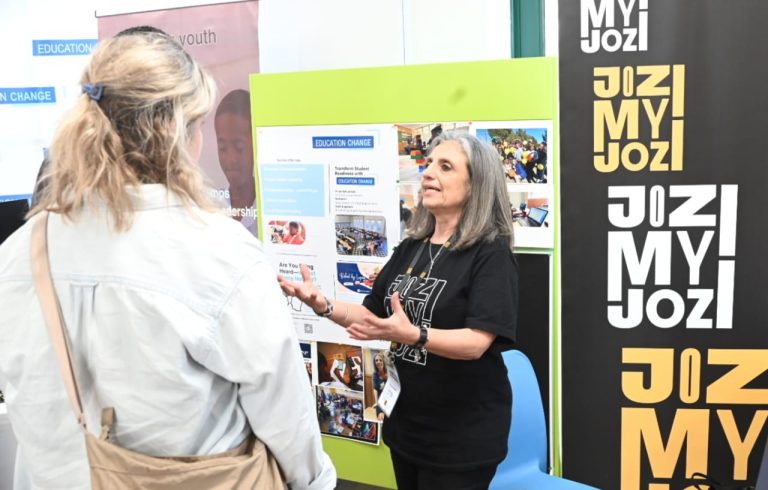
The leader of the Education Workstream at Jozi My Jozi, Ria de Villiers, has called for the standardisation of volunteering amongst Non-Government Organisations (NGOs), community leaders, schools and individual entities to deepen and enhance the influence that volunteering has on communities.

“We need to talk to each other, so that we can scale-up volunteering so that it is not limited to small boxes of individuals, ensuring that it becomes a tool for social cohesion. Building Jozi and also building our nation,” she said on Saturday.

“By standardisation I do not mean making volunteering grander, but rather to work according to a model that covers safety and security for the children going out to do it, that covers the sense of purpose. If we had a way of doing it with proper guidelines, it could be deeper and better.”

De Villiers was speaking to Inside Education at an event in Kingsmead College, Johannesburg, on Saturday, 20 September, where various NGOs, community leaders, students and teachers held a conference about youth impact, particularly in building and serving communities through the act of voluntary work.

Karinah Chengalaryan, a student participant at the Jozi My Jozi Impact Youth 2025 event. PHOTO: Eddie Mtsweni

The conference sought to encourage inter-school volunteering collaboration and featured panel discussions from leaders of leading NGOs and students involved in voluntary work in both their individual capacity or through NGOs, including efforts on how to track the impact of voluntary work across the province.

De Villiers dubbed the conference as the turning point where cohesion and collaboration between NGOs, private and public entities will work to ensure that efforts undertaken by the stakeholders advances community building and fosters a thriving nation.

“This is the beginning of our journey with school children because that is where the real heart of volunteering is. We all care about the country, we care about Jozi, and if we could get learners to cross the divide between rich and poor, under-served and privileged, we are going to have a brilliant country,” she told Inside Education.

Director of Service at Kingsmead, Karen Landi emphasised that the conference sought to encourage dialogue between all the stakeholders and dissuade elements of persistent silo operations and dissonance. The main objective across the NGOs is uniform, centred on community service, she said.

“We are not communicating enough – the schools are not communicating with each other, NGOs all need to be talking more, the parents and the children — and currently the conversations are not happening,” she said.

“One of the main objective today is to move forward with discussions about how we can be more engaging in terms of service. In order to do that, we need the voices of the different stakeholders.”

A student volunteer and receiver of The President’s Award, Karinah Chengalaryan, told Inside Education about the importance of students volunteering within their communities. This, she said, assists in bringing about a positive difference despite the harshness of the environment from which some of them emerge.

Chengalaryan urged students to take responsibly in harnessing a better reality in their communities, and be willing participants of change and consideration — particularly between their peers — to ensure that no one is left behind in terms of development and opportunities.

“Volunteering opened up my horizons. I realise that I am a student of privilege and because of that, I feel I have a greater responsibility to give back to the community that does not necessarily have the privileges that I have. I have the ability to help them and uplift their lives,” she said.

INSIDE EDUCATION

NSFAS ‘reprioritises’ R13.3bn to cover 2025/2026 higher education shortfall

By Charmaine Ndlela

The National Student Financial Aid Scheme (NSFAS) has announced new funding measures to tackle a major shortfall for the 2025/2026 academic year.

The financial aid scheme and the Department of Higher Education and Training (DHET) have “reprioritised” R13.3 billion from their existing budget to 34,000 students with blocked registrations, as well as R15,000 to second-semester registrations.

According to spokesperson Ishmael Mnisi: “These funds came out of the recoveries we received from loans paid by former students and the money that was paid to institutions for either accommodation or tuition, which was not utilised fully. Institutions had to bring it back to NSFAS, and therefore, we had to ask permission to utilise it for 2025.”

In August 2025, NSFAS announced that it faced a funding shortfall of R10.6 billion for universities and R1.6 billion for technical vocational education and training (TVET) colleges. This left students who provided registration data after the March 31 deadline in limbo and prevented some students from registering for the second semester.

According to NSFAS, the deficit was the result of an increasing number of students qualifying for higher education funding; the ongoing cost-of-living crisis, which expanded the eligibility criteria; and declining state resources.

Students who were affected by the funding deficit included university students who applied during the TVET cycle, students whose registration confirmations were received after the registration portal had been closed, students who had successful appeals that were unfunded, and second-semester registrations.

“Student accommodation providers who were impacted…will also be in a position to now receive payments for services rendered,” NSFAS said in a press statement.

Housing providers have reported severe financial strain due to NSFAS failing to pay them on time, resulting in students being evicted from their residences or forced to live in unsafe conditions.

According to the Democratic Alliance, responding to the announcement, “In Kimberley alone, more than 500 students from Sol Plaatje University and Northern Cape Urban TVET College are now facing eviction.

Landlords, some unpaid for over a year, say they have lost all trust in the fund and are demanding transparency. Because of these failures, students cannot pay rent or tuition fees and are left in an impossible situation. They are facing evictions, falling behind on studies, and growing increasingly frustrated with NSFAS’s administrative chaos — from a botched system switch to delays in allowances and accommodation payments.”

A 2023 study conducted by Higher Health found that 63% of university students who depend on NSFAS funding reported high levels of financial stress, which negatively impacted their academic performance and mental health.

INSIDE EDUCATION

Maharishi Invincibility Institution pushes plan to turn Joburg CBD into education and opportunity hub


By Johnathan Paoli

The Maharishi Invincibility Institute (MII) has outlined an ambitious plan to reshape education and urban development in Johannesburg, combining holistic, consciousness-based learning with demand-driven skills development and community transformation.

Speaking at the institute’s breakfast, MII CEO Dr. Taddy Blecher, emphasised the urgent need to rethink education in a rapidly changing economy where traditional degrees are no longer sufficient to guarantee employment.

“Today, a B.Com. or a computer science degree isn’t enough. The world is moving too fast and is too specialized. Employers care most about the quality of the human being they’re empowering. Attitude is everything. If a person can put their heart and soul into work, they can grow quickly, and that’s what we nurture here,” he said.

The institute’s approach integrates a combination of curriculum components, all crafted to directly meet the requirements of large employers and includes amongst other elements local and international industry exams.

Students gain practical work experience for at least three years, participate in entrepreneurship programs, and often start their own businesses, even if they do not plan to become entrepreneurs, ensuring graduates are adaptable and highly employable.

The results have been striking.

Through its partnership with Bryte, MII has achieved a 100% job placement rate for graduates in the insurance sector, with Bryte already employing the first 250 graduates, and committed to employing a total of 1,000 graduates.

Blecher cited other programs, including the Cybersecurity Academy and the Human Interface Academy, together with ABSA bank, which combine work experience, technical training, and leadership development to produce highly skilled professionals ready to enter critical sectors.

Research shows that at least one year of quality work experience triples a young person’s chances of securing employment.

MII extends this further, ensuring students have access to three years of structured work experience, mental health support, remedial education, nutrition, physical activity, and meditation.

Published research, including a British journal study, has shown that daily transcendental meditation over 60 days significantly reduces PTSD and depression among students, transforming both their well-being and their learning outcomes.

Financial accessibility remains central to the institute’s philosophy.

While students pay only R200 a month, MII operates a “Learn and Earn” system, where students contribute to funding bursaries for their peers.

Last year, this model generated nearly 15 million rand, with projections close to 20 million rand in 2025.

Coupled with perpetual maintenance and bursary funds, the institute is working to ensure it can educate future generations sustainably..

Dr. Blecher also highlighted MII’s role in urban revitalization through what it calls the “Michelangelo Principle”—removing what is not essential to reveal the inherent beauty of Johannesburg’s CBD.

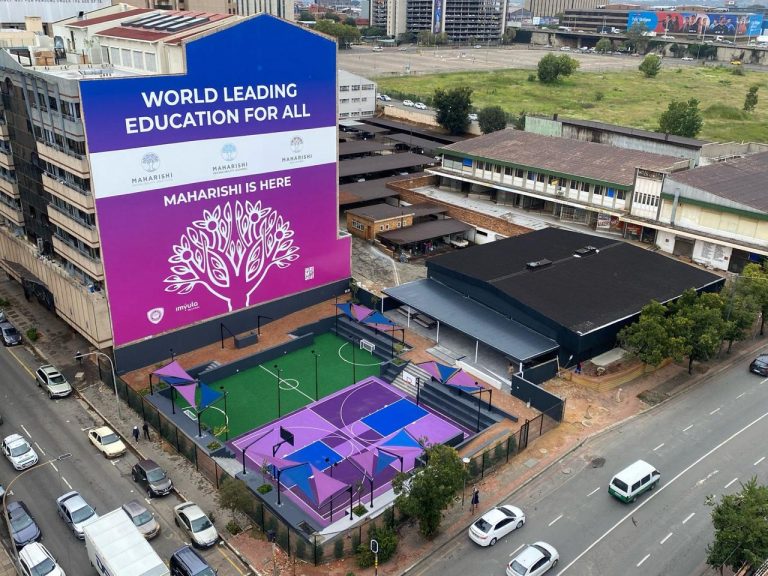
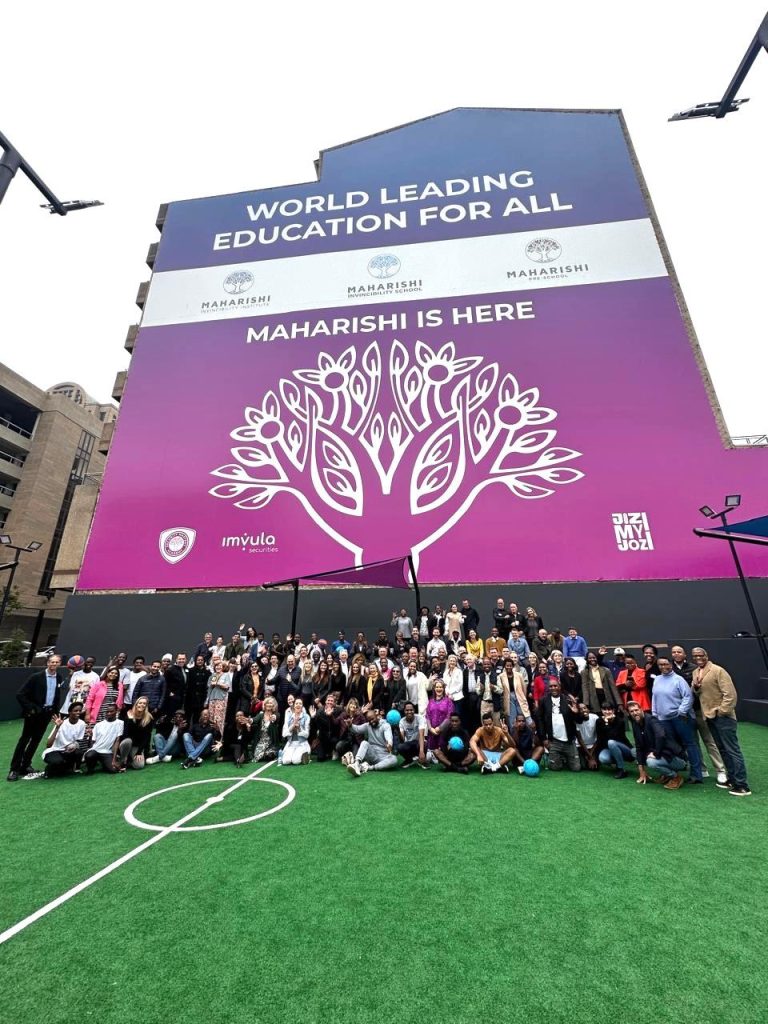
Projects include the Jozi Field of Dreams, the city’s first full-size soccer field, launching in November, and the redevelopment of buildings into multi-purpose sports and cultural centres.

These initiatives provide safe, functional, and inspirational spaces for students and the community.

Safety and professional development are reinforced through a three-year Security Mastery Academy developed with CAP Security, training students to commander-level security positions rather than short-term certifications.

Other urban improvements include solar-powered streetlights and public space upgrades, enhancing both safety and sustainability.

MII aims to establish an “Education Town” that will eventually host over 10,000 students by 2031–2034, forming a cluster comparable to Boston’s higher education ecosystem.

By integrating institutions such as Wits Business School and the University of Johannesburg, the city could support 150,000 students, positioning Johannesburg as Africa’s leading education and trading hub.

International recognition reinforces the institute’s innovative model.

Stanford University cited MII in its 2025 publication, Reimagining Higher Education, as one of the twelve most innovative educational institutions globally, and one of only two from Africa.

Locally, MII has leveraged Black Economic Empowerment policies to integrate youth into the economy, assisting partner companies in achieving level-one BEE status while fostering graduate employment.

Dr. Blecher concluded with a vision that combines social impact and economic transformation.

Through holistic education, practical skills, entrepreneurship, urban revitalization, and community engagement, the Maharishi Invincibility Institute is positioning itself as a transformative force in South Africa, redefining how young people learn, work, and contribute to society.

PHOTO: Supplied

INSIDE EDUCATION

UP researcher enlists public to track elusive African Striped Weasel

0

By Rafieka Williams

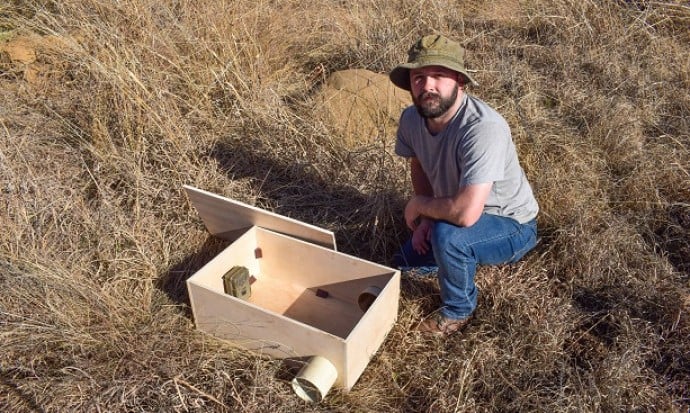
Post-doctoral researcher Kyle Smith, from the University of Pretoria’s Zoology Department, is on a quest to find and expand the study of the African Striped Weasel.

His goal is to expand research on this underresearched species, in doing so, contribute to a deeper understanding of the natural world.

In August 2025, Smith issued a public appeal, asking citizen scientists and the wider public to help locate the tiny but lethal nocturnal predator as part of efforts to protect the species.

Speaking told Inside Education that the response had been overwhelming.

“I’ve been swamped by emails and messages of sightings — not always of striped weasels, but that is part of the project, to make people aware of the weasels and how to distinguish them from other similar looking species. The public response has been great and many other media networks across the country have joined in to help and share our request for sightings to the public.”

The African Striped Weasel is a slender, black-and-white mustelid with a white tail, measuring 27 to 31cm in length. It is often mistaken for the striped polecat. Though indigenous to South Africa, it can also be found across much of sub-Saharan Africa.

Smith believes that expanding knowledge about under-researched animals like the African Striped Weasel will eventually drive conservation efforts, ensuring they do not face the risk of endangerment.

“The striped weasel is not classified as endangered. We do not have the data or results, yet, to say that they are at risk of becoming endangered. This we will hopefully reveal at the end of the project,” he said.

According to the International Union for Conservation of Nature (IUCN), more than 47,000 species of animals and plants face extinction in 2025.

Although sightings are rare, Smith has encountered the species before. In 2019, he recorded two individuals in the Knersvlakte region on the West Coast.

“I can’t reveal too much about the data we’ve collected thus far, but the inland regions of the Cape and the KZN midlands are where most of the sightings seem to come from,” he said.

His research involves both tracking and data collection, as well as engaging with local communities where the weasels may be living close to people.

“This research will hopefully allow for more research on mustelids in the future – a family that has not received much research attention in the past. With the success of this project, we hope to show other students and researchers a pathway to accomplish similar success with other elusive species that are not only limited to mammals,” Smith said.

His work will contribute to broader studies in zoology and conservation conducted by the University of Pretoria, Sol Plaatje University, and the Swedish University of Agricultural Sciences.

How you can help with the African striped weasel project

If you have information about sightings of African striped weasels, contact Kyle Smith via:

WhatsApp at 073 620 8517 or send sightings through to his social media handles on Instagram: @africanstripedweaselproject or @kylezoologist

Please include the following details:

The date and time of the sighting (at the very least, the month and year)

GPS coordinates or as precise a location as possible

Additional information includes:

Photographic evidence (regardless of quality)

Any other observations, such as sightings of prey caught, interactions with other species or, in cases of dead animals, speculations on the cause of death

GPS coordinates of burrows

Sightings include roadkill and other dead animals, as well as animals seen in neighbouring countries.

INSIDE EDUCATION

Manamela defends SETA administrators, promises deep reform of skills development system

0

By Johnathan Paoli

Department of Higher Education and Training (DHET) Minister Buti Manamela has defended his decision to place three major Sector Education and Training Authorities (SETAs) under administration, describing it as “unprecedented but unavoidable” and essential to restoring public trust in South Africa’s skills development system.

Addressing Parliament’s Portfolio Committee on Higher Education this week, Manamela said of the interventions: “This is not routine housekeeping. It is about rescuing the credibility of our skills development system, protecting billions in public funds, and safeguarding the futures of thousands of young people who depend on SETAs for work, dignity, and livelihoods.”

The briefing, which also covered the National Student Financial Aid Scheme’s (NSFAS) readiness for the conclusion of the 2025 academic year, drew a packed committee room and set the stage for far-reaching reform across the post-school education and training (PSET) sector.

Manamela, who took office in July this year, said he inherited a sector in turmoil.

Governance failures had accumulated for years, and three SETAs – Services, Construction, and Local Government- had reached breaking point.

The Services SETA, one of the largest, was engulfed by procurement irregularities flagged in a 2022 forensic report. Boards recycled service providers, ignored recommendations, and failed to implement consequence management. By mid-2025, the acting CEO resigned, resulting in paralysis.

The Construction SETA, previously under administration between 2020 and 2022, relapsed by 2024. Whistleblowers alleged intimidation while R80 million in wasteful expenditure was recorded.

Auditor-General (AG) reports repeated the same findings year after year.

The Local Government SETA faced the most serious collapse, with National Treasury flagging an irregular CEO appointment, unlawful dissolution of oversight committees, and possible criminal procurement practices.

Municipal projects stalled, learners went unpaid, and reserves were frozen.

Across all three, Manamela said, boards were either unwilling or unable to act, CEOs were conflicted, and learners were left stranded.

In August, after consultations with the National Skills Authority (NSA), Manamela formally sought advice and gazetted the decision to place the three SETAs under administration.

Anticipating criticism, Manamela stressed that his actions were grounded in Section 15 of the Skills Development Act, which allows intervention where there is mismanagement or non-performance.

In both Services and Local Government SETAs, he said, the dual role of CEOs acting as accounting authorities created untenable conflicts of interest.

To stabilise governance, the minister appointed three administrators whom he claims were vetted, qualified, and chosen for competence rather than political loyalty.

Their mandates include restoring compliance, enforcing consequence management, ensuring learner support, and submitting 90-day turnaround plans by November.

Manamela confirmed that legal challenges had been filed in Labour and High Courts, but insisted that the substance of mismanagement was uncontested.

“Our actions were lawful, necessary, and proportionate to the risks. Administration is not the end of the matter; it is only the beginning of broader reform,” he told MPs.

DHET Director-General Nkosinathi Sishi provided technical evidence, pointing to CFO resignations, whistleblower complaints, audit reports, and Treasury investigations that revealed conflicts of interest, questionable payments, and repeated governance breaches.

The NSA, he said, endorsed urgent intervention.

Both Manamela and Sishi acknowledged that the problems extended beyond the three SETAs and reflected weaknesses in the SETA model itself.

Planned reforms include closer cooperation with the Auditor-General, possible rationalisation of SETAs into a more coherent PSET system, and stronger alignment with national economic priorities.

The Organisation Undoing Tax Abuse (OUTA) – which has for years independently investigated the entities — said in August that administration was not a solution on its own. “Unless credible boards and ethical CEOs are appointed within two months, the move will fail like so many before it.”

OUTA CEO Wayne Duvenage, at the time, questioned why the Insurance SETA, with its serious governance failures, was left untouched. Duvenage also said there were concerns about the administrators appointed. At least two had been fingered in allegations of maladministration and corruption. “This looks like cadre deployment, not a clean-up,” Duvenage said at the time.

Although dominated by the SETA crisis, the meeting also reviewed NSFAS progress.

CEO Waseem Carrim assured MPs that stabilisation measures had eased the 2025 funding impasse. A R13 billion reprioritisation secured with Treasury had covered students whose applications or registrations were blocked earlier this year.

Applications for the 2026 cycle opened on 16 September and close on 15 November, with Carrim pledging faster, more transparent processes.

Around 70% of applicants come via SASSA, and NSFAS aims to finalise all eligibility decisions by 15 December, informing students simultaneously to prevent confusion.

The agency has strengthened its backend systems with cloud technology, expanded application platforms, including WhatsApp, Telegram, and USSD; and introduced innovations such as digital signatures, biometrics, and optical character recognition to streamline funding decisions.

Outreach campaigns are under way in partnership with schools, libraries, and Thusong centres to ensure rural students are not left behind.

On accommodation, Carrim reported that R3.8 billion had been disbursed to over 4,000 private providers supporting 121,000 students.

Payment delays, especially in the Northern Cape, are being resolved, and a new accommodation protocol has been published for consultation ahead of the 2026 academic year.

Parliamentary committee members welcomed the interventions but warned that close oversight would remain vital.

INSIDE EDUCATION

Gwarube and Malatsi hand over smart tablets to Cape Town learners

0

By Lebone Rodah Mosima

Minister of Basic Education Siviwe Gwarube and Minister of Communications and Digital Technologies Solly Malatsi have handed over smart learning tablets to learners at the Forest Village Leadership Academy in Cape Town, in what they described as a joint effort to bridge South Africa’s digital divide.

The initiative forms part of the government’s ongoing drive to expand digital access in education through public–private partnerships.

In July, the ministers handed out tablets at Glenvista Primary School in Johannesburg.

Speaking on X about the Forest Village handout on Friday, Gwarube said: “These smart tablets, donated by Primedia, form part of our ongoing drive to expand school connectivity, digital literacy, and access to coding and robotics education within South Africa’s basic education system.

“These tablets will help support learners in building competence in reading, mathematics, and digital skills, laying a strong foundation for lifelong learning and opportunity.”

Gwarube said the handover was a testament to “the power of partnerships”.

She said that both departments have been handing over smart devices around the country with the support of corporate partners.

“[W]e know that in South Africa, the digital device still remains very much along the lines of those who have access to economic opportunities and those who do not,” she said.

Gwarube acknowledged that parliament had expressed dissatisfaction with the department’s pace in expanding connectivity. She said the initiative was part of efforts to ensure every learner has access to a device.

She said that the handover demonstrated government’s commitment to making sure no learner is left behind in the digital age.

She also described the initiative as an important step in preparing learners for the 21st century, encouraging early engagement with technology and building a foundation for success in a rapidly changing economy.

Malatsi said the handover “forms part of our drive to bring smart devices to underserved communities, helping young learners explore coding, robotics and STEM subjects so they can thrive in the digital world”.

INSIDE EDUCATION

Takealot, DHET partner to bridge skills gap

0

By Levy Masiteng

The Department of Higher Education and Training (DHET) and Takealot have partnered to bridge the gap between education and employment by offering industry-relevant skills training and e-commerce business opportunities to young people, through the Takealot Township Economy Initiative.

The signing ceremony of the memorandum of understanding between the DHET and Takealot took place at Takealot in Kempton Park on Wednesday.

During the ceremony, both organisations said the partnership aims to equip students with the skills and knowledge needed to thrive in the digital economy.

Deputy Minister of Higher Education and Training, Mimmy Gondwe, said that the initiative has four main initiatives. The first was the adoption of three TVET colleges near its distribution centres in Kempton Park, Durban, and Cape Town, to provide students with work-integrated learning opportunities and industry experts to support curriculum development.

The second initiative included an expansion of Takealot’s bursary programme. Gondwe said her department will match the funding, thereby enabling more students to access education, particularly in high-demand skills areas such as ICT, logistics, and e-commerce retail.

Gondwe said that Takealot will also use its logistics and delivery network to ensure timely delivery of textbooks to students across various campuses, nationwide.

The fourth initiative involves the township economy, whereby the partners will support township entrepreneurs and small to medium-sized enterprises to participate in the digital economy, providing training, funding, and access to Takealot’s platform.

Takealot CEO Frederik Zietsman said the company employed 7,500 people, supported 33,000 livelihoods, and hosted 50,000 sellers on its platform.

“[W]e empower multiple more people to earn a livelihood and to have careers within our ecosystem,” Zietsman said.

Gondwe said that staff and students will benefit from mentorship, career guidance, and volunteerism from Takealot employees, and that more importantly, Takealot will extend free access to online learning resources, offering a global college catalogue of skills training directly to students.

Gondwe also emphasised the importance of public-private partnerships in addressing the country’s high unemployment rate.

“Today’s MoU builds on our Takealot Township Economy Initiative agreements in Mpumalanga and Gauteng and now takes them national, with clear roles, measurable outcomes, and shared accountability,” she said.

Zietsman highlighted the company’s commitment to using e-commerce to improve lives.

“Our purpose statement is truly our conviction. We live day in, day out, with the conviction of using e-commerce to change lives in South Africa for the better.”

The Takealot Township Economy Initiative aims to create 20 000 new opportunities by 2028.

Zietsman said Takealot had already supported over 130 TVET learners through work-integrated learning programmes and has a “Yes for Youth” programme that supports over 120 learners and graduates.

INSIDE EDUCATION

KZN launches school safety programme to tackle violence, crime

0

By Thapelo Molefe

KwaZulu-Natal (KZN) Premier Thamsanqa Ntuli on Thursday unveiled a province-wide School Safety Programme aimed at addressing rising incidents of violence, crime, and drug abuse in schools.

Speaking at the Archie Gumede Conference Centre in Durban, Ntuli said the initiative was a bold commitment to inspire new hope by creating safer, stronger, and more prosperous communities, starting with schools.

Since January 2024, KZN has recorded more than 2,300 cases of sexual harassment, violence, theft, gang activity, drug abuse and faction fighting in schools.

“These are not just statistics. They are broken lives, interrupted education, and communities in distress. We cannot and will not stand by,” Ntuli told delegates.

The School Safety Programme will recruit and train student ambassadors to champion accountability and create safer school environments, while also establishing confidential reporting channels for learners to raise concerns about bullying, gender-based violence, and substance abuse.

In addition, security infrastructure will be strengthened through the installation of CCTV cameras in 20 schools across eThekwini, King Cetshwayo, and Amajuba districts. 

The initiative will further promote arts, culture, and sports as preventative tools, using platforms such as poetry, debates, and other activities to encourage positive social messaging and awareness.

The programme will be implemented through a Memorandum of Understanding between the Departments of Community Safety and Liaison, Education, Sport, Arts and Culture, and the South African Police Service.

The launch was attended by representatives from law enforcement, senior government officials, educators, and community leaders, reflecting a broad commitment to making schools safer.

Ntuli emphasised that the responsibility for safe schools extended beyond the government.

“School safety is a collective responsibility. Communities must guard against vandalism and crime. Parents must remain present and guide their children. Learners, your voices matter, your leadership matters,” he said.

He warned that the province’s future depended on ensuring that schools remained “true havens of growth.”

“The safety of our children is non-negotiable. It is the foundation on which our province and our nation will stand or fall. No child in KwaZulu-Natal should ever fear walking into a classroom, and no parent should fear sending their child to school,” Ntuli said.

INSIDE EDUCATION

CETA-funded beneficiary tops PDBA class at GIBS

By Thebe Mabanga

Trailblazing academic and sector policy expert Jeanette Mosia is a focused, deeply spiritual mother of two who uses her success not only to uplift her family but also to show young people that their background does not define their future.

Her latest accomplishment is to finish top of her class in the Postgraduate Diploma in Business Administration (PDBA) at the University of Pretoria’s Gordon Institute of Business Science (GIBS), in a programme funded by the Construction Education and Training Authority (CETA).

Her life mantra, displayed as her WhatsApp status is: “Distraction leads to deception, deception leads to dislocation, dislocation leads to disruption.”

It is taken from renowned evangelist Bishop Dale Bronner’s sermon and means that if you are distraction from your purpose, it can lead you to be deceived by life’s temptation and once dislocated from your path, it can ruin your life, career, and family life.

“For me it highlights the importance of having a stubborn and resolute focus regardless of what life throws at you.” says Mosia.

“ What looks like a small distraction can lead you into a negative chain, you can easily entangle yourself in a web that you do not know how to get out of.”

It is this single-minded determination that allows her to juggle her work as a programme manager at the Trade and Industrial Policy Strategies (TIPS) in Pretoria, running her ministry with her husband, Bonngwe Mosia, whom he credits for support and running their household with two small children and juggling studies which following the PDBA, now involves taking on an MBA in October.

The fourth of five children and the first to graduate in her family, Mosia was born in Makhubung village outside Mahikeng in the North West.  

After completing her high school in Mmabatho, she studied at the University of Cape Town (UCT), where she obtained a BSc in Construction Studies in 2008, followed by an Honours the year after and an MSc in Project Management in 2012.

For the CETA funded programme, she was alerted by a friend and former colleague and promptly applied for a four-month International Executive Development Programme.

It was literally while undergoing orientation in April 2024 that she learnt that she will be doing a yearlong programme that requires her to attend class one week every month.

Mosia, 39, believes this was divine intervention as she may never have agreed to such a commitment willingly given her work and ministry.

She has now seen it through with flying colours.

She notes that her favourite part of the program was doing immersion in Dubai, Shenzhen in China and Hong Kong as these gave her firsthand experience of how other countries do business and transform cities as well as the value of strong leadership and commitment to development.

CETA funds such programmes to help build leadership not just for the South African built environment but for the broader corporate sector.

“My goal when I joined the programme was  to facilitate my transition from technical roles to more strategic and executive roles and I am ready for it.” says Mosia.

Mosia says between a full-time job, studying, raising small kids, and co-leading a church ministry with her husband, she does not get to have much time left to herself.

The two activities that “ignite her soul” are ballroom dancing, which she has not done in years, and completing a road race, which she cannot do consistently but compensates for it with daily walks.  

She has time to occasionally read for pleasure and counts John Maxwell as among her favourite authors for his bible centered philosophy on leadership.  

CETA, with its aim to provide skills development services to the construction sector and implement the objectives of the National Skills Development Strategy, plays a crucial role in ensuring that the construction sector is equipped with the critical and scarce skills necessary for economic sustainability and global competitiveness.

The CETA officially entered into a Memorandum of Understanding (MoU) with the University of Pretoria’s Gordon Institute of Business Science (GIBS) in 2024 to foster collaboration and strengthen the South African construction and built-environment sector.

In terms of the MOU, Gibs will design and deliver specialised learning programmes tailored to the needs of professionals within the construction sector.

These programmes span from entrepreneurial development to executive leadership development programme, and engage in thought-leadership, research, and skills planning.

CETA chief executive Malusi Shezi says the construction Seta aims to train 120 women to occupy key positions within the construction industry.

“We have made it clear that 60% of the beneficiaries of the international executive development programme is women. This was to ensure that women occupy key positions within the construction sector, which was traditionally dominated by men, says Shezi.

“We did not want a situation where companies would say we are not hiring women because we cannot find them. We have now made it possible for them to put women in key executive positions. We made sure we increase the pool so that there is no reason for companies not to transform. Women deserve to be given opportunities.”

Professor Morris Mthombeni, dean of GIBS, says collaborative partnerships with institutions such as CETA hold immense value “as they enable us to collectively develop innovative solutions for the skills challenges facing our nation.”

INSIDE EDUCATON