Home Blog Page 66

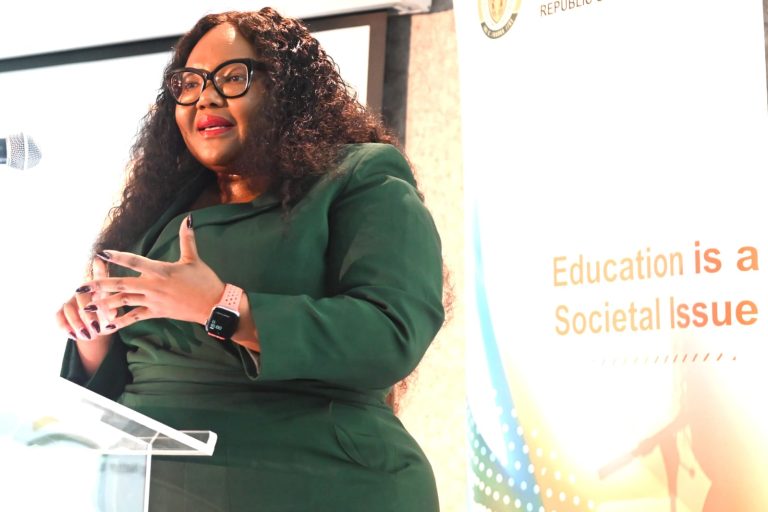
Women in STEM must be an expanding goal: Gina

0

By Johnathan Paoli

Science, Technology and Innovation Deputy Minister Nomalungelo Gina has highlighted the need to showcase women’s contributions to science, technology, engineering and mathematics (STEM), despite the ongoing underrepresentation of women at senior and strategic levels in the sectors.

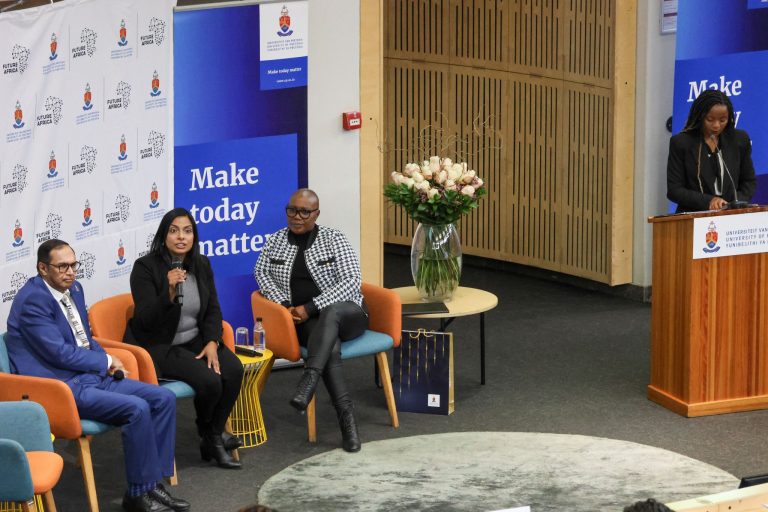
Delivering the keynote address during the 7th Annual Women in Science Symposium at the University of Pretoria (UP), Gina recognised the event as both a celebration and a call to action for systemic transformation.

“As we look toward the future, let us expand our definition of success in science. It is not only about the accolades or the statistics, it is about building a culture and a legacy that enables every young girl—regardless of where she is born or the circumstances she faces—to see herself as a scientist, an innovator, a leader,” Gina said.

The deputy minister welcomed government initiatives such as mentorship networks, women-led research funding and the South African Women in Science Awards as part of efforts to shift the landscape.

However, she cautioned that the struggles of gender equity remained a reality that transcends statistics.

“Representation must go beyond numbers. It must be measured by agency, the power to influence decision making, set research agendas and mentor the next generation,” she said.

Opening the symposium, UP’s director for Internationalisation and Strategic Partnerships, Dr. Rakeshnie Ramoutar-Priesch, underscored the urgent need to bridge the gender gap in STEM.

“While we celebrate progress this Women’s Month, we must also confront the reality. True equality means more than participation, it means women leading innovation across every scientific discipline,” she said.

The symposium’s second session, “unpacking STEM careers”, showcased how women were shaping diverse scientific fields.

Head of Corporate Affairs at L’Oreal South Africa, Thandi Kunene, revealed the science behind beauty, from artificial intelligence to sustainable chemistry.

“Women still make up less than 30% of the global STEM workforce. Being bold, building visibility and telling the stories of women in science are key to breaking barriers. At L’Oreal, we don’t just hire scientists, we empower science-led innovators,” Kunene said.

She urged learners to see opportunities not only in labs but also in industries ranging from green technologies to digital science.

Representing students, UP SRC president Vhutshilo Muambadzi cautioned against “representation without transformation.”

“Let us stop asking if women belong in science. Let us start asking how science can better serve women and society,” she declared.

In a session focused on early exposure to STEM, UP’s Sci-Enza Outreach Programme manager Puleng Tsie highlighted the need to reach young girls with hands-on science experiences.

“When girls see women scientists who look like them, when they touch, build and experiment, science becomes part of their normal. It becomes theirs,” Tsie said.

This sentiment was echoed by panellists including Hafsa Essop from the university’s radiography department, TuksSport High School head girl Thato Semono and Universities South Africa CEO Phethiwe Matutu.

They spoke about overcoming self-doubt, navigating male-dominated classrooms and the importance of safe spaces where young women are encouraged to “dream boldly and fail forward”.

UP Vice-Principal for Research, Innovation and Postgraduate Education Sunil Maharaj noted that 57% of the university’s academics were women, with women also holding 50% of its prestigious South African Research Council’s research chairs.

“My heartfelt wish is that in the near future we can dispense with terms like ‘male-dominated world’ as a never-to-be-repeated anachronism,” Maharaj said.

As proceedings closed, Gina stressed that gender equity in STEM would not occur by accident, but must be designed, championed and sustained.

INSIDE EDUCATION
Gwarube wants stronger partnerships to transform Free State education

0

By Thapelo Molefe

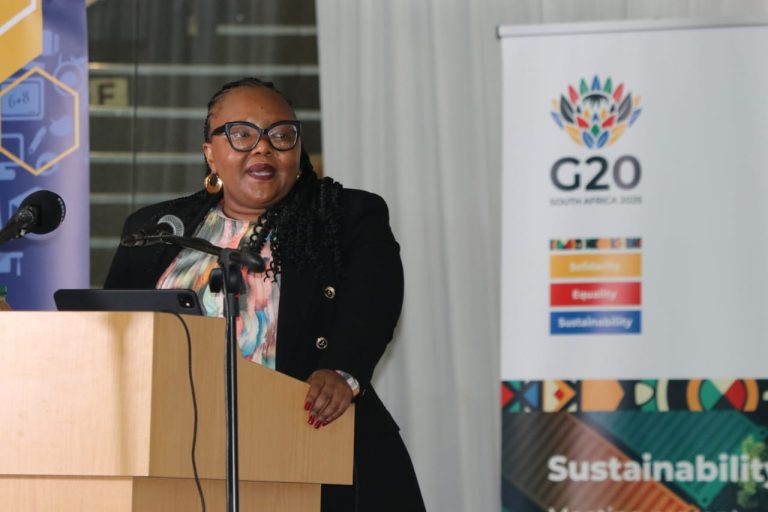
Basic Education Minister Siviwe Gwarube has called for a deliberate and practical partnership between the government, universities and communities to transform the education system in the Free State.

She said global priorities must connect directly to local classrooms.

Speaking at the G20 Free State Indaba, Gwarube said South Africa’s presidency of the G20 in 2025 came with a commitment to take the G20 to the people, ensuring that policies shaped internationally reflected the realities of learners and teachers across the country.

“This is about ensuring that global debates on education are not abstract, but connected to the classrooms in Thaba Nchu, the early childhood centres in QwaQwa, the high schools of Bloemfontein and the rural schools stretching across the province,” she said.

Gwarube outlined key priorities aligned with G20 education goals, including improving foundational literacy and numeracy, strengthening teacher professional development in the face of technological and environmental change, and expanding early childhood development (ECD) access.

She stressed that while high-performing countries like Finland and Singapore offered lessons, South Africa needed its own approach rooted in local realities and aimed at transformation.

The minister proposed six key focus areas for the Free State, starting with aligning policies between the national department, the provincial education department and local universities to ensure a coordinated approach to teacher training and education priorities. 

She also called for the creation of professional learning communities that linked subject advisers with academics to share best practices and strengthen the bridge between theory and classroom reality. 

Addressing the challenge of teacher shortages, particularly in rural areas, Gwarube emphasised the need to match teacher supply with demand. 

She further highlighted the importance of strengthening teaching practice placements for student teachers to give them relevant exposure, as well as smoothing the transition from university to classrooms through aligned induction programmes. 

Lastly, she urged for joint monitoring, evaluation and research to inform evidence-based reforms tailored to the province’s specific needs.

“If we commit to these actions, we will align teacher education with national and provincial priorities, close the gaps between oversupply in some subjects and shortages in others, and treat teacher development as a lifelong journey,” Gwarube said.

INSIDE EDUCATION

70 learners hospitalised after suspected food poisoning at Eastern Cape school

0

By Johnathan Paoli

Emergency Medical Services (EMS) teams in the Eastern Cape rushed to Gobizizwe Agricultural School in Ngqeleni on Wednesday after a suspected mass food poisoning incident left about 70 learners requiring urgent medical attention.

According to Eastern Cape health department spokesperson Siyanda Manana the alarm was raised earlier in the day when learners began showing symptoms consistent with food poisoning, including nausea, vomiting, abdominal pain and dizziness.

“About 70 school children were taken to Nelson Mandela Academic Hospital, Mthatha Regional Hospital and Ngangelizwe Community Health Centre. Those in serious condition were airlifted to hospital,” he said.

Manana confirmed that the learners were stabilised on-site, with several placed on intravenous drips before being transported to hospital.

The cause of the suspected food poisoning has not yet been confirmed.

The department has assured parents and the community that all affected learners were receiving treatment and that no fatalities were reported.

Officials have urged parents to remain calm while investigations continue.

The provincial education department is also involved in the probe, and counselling services are expected to be provided to the affected learners.

Authorities have indicated that an update will be issued once the investigation yields results.

INSIDE EDUCATION

Gwarube wants closer collaboration between basic education and higher learning

By Johnathan Paoli

Basic Education Minister Siviwe Gwarube has stressed the urgent need for a stronger, more deliberate partnership between her department and higher education institutions (HEIs).

Speaking during the G20 Education Seminar under the theme “From Dialogue to Implementation” at Unisa in Pretoria on Tuesday, Gwarube explored practical strategies for strengthening South Africa’s teacher education system while aligning with global G20 priorities.

“The Department of Basic Education invests heavily in curriculum innovation, teacher development and systemic reform. But for too long, our efforts have run alongside each other, not in full alignment. That must change. We need a shared stewardship of the education system, where the DBE and universities operate not in parallel, but in true partnership. Where accountability is reciprocal and leadership is collective,” Gwarube said.

She identified six strategic areas for collaboration between the department and HEIs. They include policy alignment and responsiveness, professional learning communities, teacher supply and demand planning, strengthening work-integrated learning, seamless induction and continuous professional development, and joint monitoring, evaluation and research.

The minister said the proposals could improve outcomes by aligning teacher preparation with systemic needs, bridging the gap between theory and practice, ensuring equitable teacher distribution and embedding continuous learning in teaching careers.

She underscored that the G20’s call for transformative leadership must be met with practical commitments rather than rhetoric.

“This conference must not be remembered for eloquent speeches, but for the partnerships it forges and the commitments it inspires. If we do this right, the ripple effects will be felt not just in Unisa’s lecture halls, but in every classroom in South Africa and far beyond,” Gwarube urged.

She stressed that foundational learning was a moral imperative and that teachers must be prepared to address challenges posed by artificial intelligence, climate change, migration and economic uncertainty.

Basic Education Deputy Minister Makgabo Reginah Mhaule reflected on South Africa’s historic role as 2025 G20 president and chair of the Education Working Group.

“It’s an honour and a strategic imperative to address you today, not simply as deputy minister, but as a teacher and an alumna of this university. In 2025, we will lead with clarity, courage and conviction, advancing three priorities: quality foundational learning, mutual recognition of qualifications and educational professional development for a changing world,” she said.

Mhaule said basic education must produce learners who met higher education’s expectations, warning against systemic misalignment.

Welcoming delegates, Unisa principal and Vice-Chancellor Puleng LenkaBula described the seminar as a platform for meaningful dialogue and collective responsibility.

“As South Africa prepares to host G20 activities, we are called to amplify the voice of the Global South. Investment in teacher development and early learning infrastructure is not only a national priority, but a global necessity. Empowerment is realised in classrooms, communities and the lives of learners and educators” she stated.

Gwarube praised Unisa’s leadership in teacher education, noting its reach across the continent and its pivotal role in producing educators across all phases from early childhood to postgraduate studies.

INSIDE EDUCATION

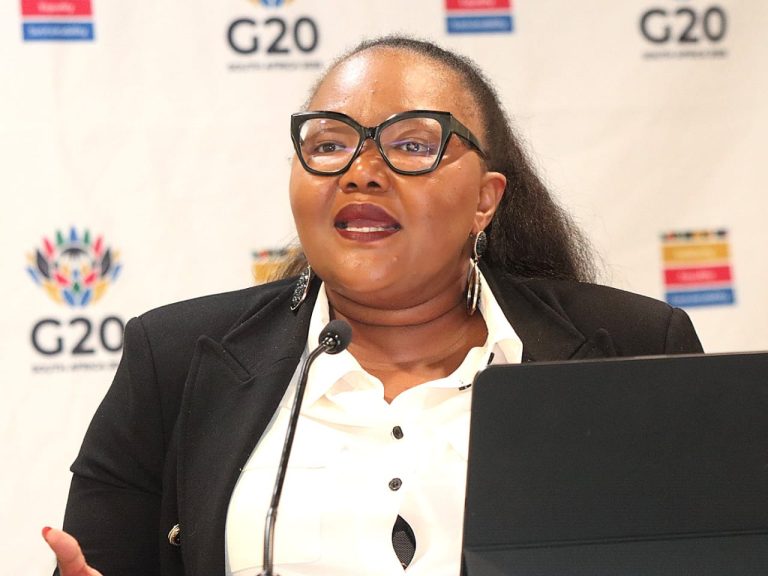
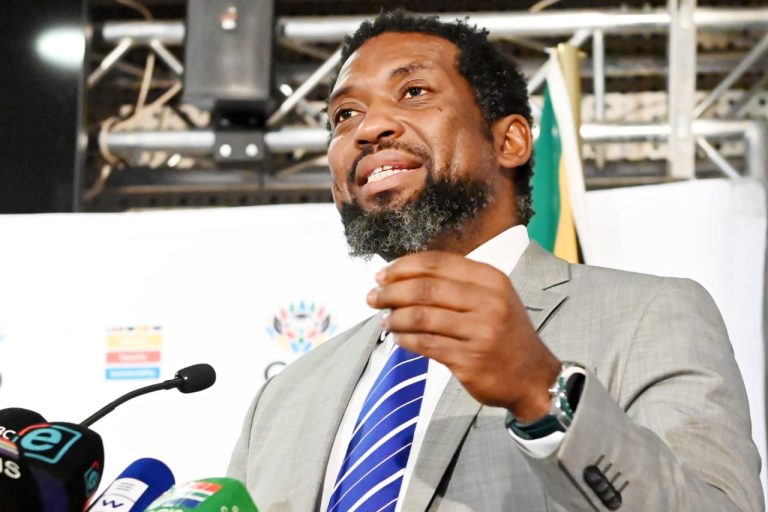
Manamela confident on overhauling PSET sector

By Johnathan Paoli

Higher Education and Training Minister Buti Manamela has committed to decisive, phased interventions for the Post-School Education and Training (PSET) system over the next four years, acknowledging persistent structural weaknesses.

Addressing reporters in Pretoria, Manamela outlined a plan to reform the system, saying the past 19 days of nationwide consultations with students, educators, unions, institutions and employers had revealed both deep frustration and high expectations for change.

“We will reimagine and reengineer our Post-School Education and Training system for a changing world. We will fix what is broken. We will strengthen what works. And we will build what is missing. We do this because South Africa deserves a system that delivers skills, knowledge and opportunity for all – and because our future depends on it.,” Manamela stated.

His vision is anchored on six objectives: creating a unified system, expanding equitable access, aligning skills with economic needs, improving quality, strengthening governance, and ensuring sustainability.

These objectives will be driven by five strategic pillars.

Economic renewal and jobs will ensure that graduates are employable and institutions align with growth sectors, while a green just transition will position skills development to support climate resilience and low-carbon innovation.

Public sector capacity must be increased to deliver services effectively, the country’s intellectual sovereignty will be strengthened through research and innovation, and no community must be left behind.

The minister detailed a three-phase timeline.

Within three months, the department wishes to stabilise the National Student Financial Aid Scheme (NSFAS) and initiate a sustainable student funding model; establish the PSET Reengineering Task Team; and realign and tighten oversight of Sector Education and Training Authorities (SETAs).

Additionally, the department is launching three flagship projects: “Skills to Work Transitions” connecting unemployed youth to training and jobs; “Career Choices” guiding learners from early school years into suitable career pathways; and “Literacy for Empowerment” targeting four million functionally illiterate adults.

Within 12 months, Manamela said the department would pilot autonomous college and new CET (Community Education and Training) models; launch TVET curriculum pilots in emerging industries; establish a national PSET database; roll out the National Senior Certificate for Adults as an alternative school-leaver pathway; and complete legislative reviews and accelerate campus infrastructure upgrades.

Within four years, the department plans on fully implementing the sustainable funding model, consolidating SETA and CET reform, driving system-wide digital learning, institutionalising lifelong learning pathways, and expanding research capacity and global partnerships.

Video by Kgalalelo Setlhare Mogapi.

Manamela stressed the need to rebalance the system, which he said was “heavy at university level and quite lean when it comes to TVET and community colleges”.

He announced plans to invest in short-term, work-oriented programmes such as automotive spray painting, bricklaying and energy transition skills, ensuring young South Africans were first in line for green economy jobs.

The minister acknowledged “fundamental challenges” at NSFAS, including governance instability, corruption allegations and delayed allowance payments.

While 800,000 students have received allowances, others remain unpaid due to administrative backlogs.

Manamela warned that without reform, the current funding model risked collapse.

“We must relook at the current student funding model, identify priority skills and mobilise resources from SETAs and the National Skills Fund,” he said.

NSFAS board leadership is reviewing vacancies, including the CEO position, with the aim of appointing competent candidates to stabilise operations.

Responding to questions about SETA board appointments, Manamela said nominations for chairpersons have closed and the department was assessing candidates’ skills and capacity.

Additional member nominations were reopened to accommodate applicants without master’s or PhD qualifications, especially from labour and community sectors.

On recent grade tampering allegations at the University of Cape Town, Manamela confirmed that the institution had requested the department to lead an investigation. He commended the university over its willingness to cooperate fully and commit to accountability.

Manamela emphasised that the government could not reform the sector alone, calling for a “broad national compact for skills and knowledge” involving students, staff, business, labour, civil society and communities.

This compact would be formalised at a Higher Education National Convention in 2026 to set the sector’s long-term direction.

The department will hold a detailed briefing in September on preparations for the 2026 academic year, including NSFAS reforms, institutional readiness and funding priorities.

INSIDE EDUCATION

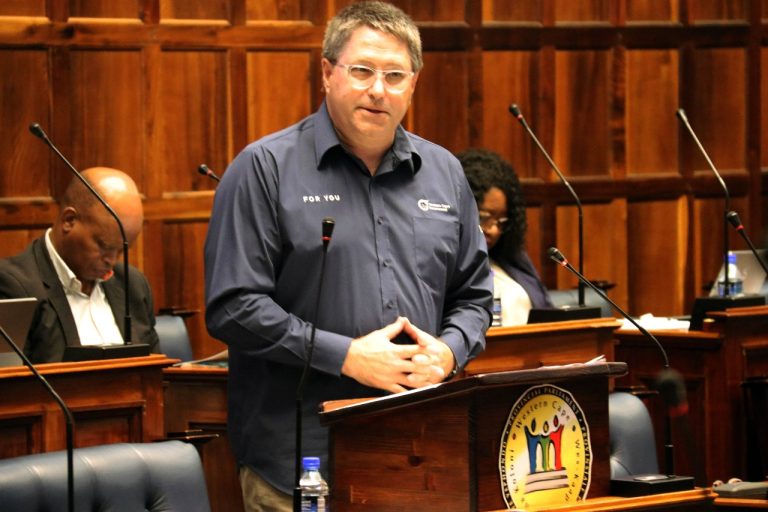
Sadtu slams Western Cape education for zero increase in 2026 teacher posts

By Johnathan Paoli

The SA Democratic Teachers’ Union (Sadtu) in the Western Cape has expressed outrage at the provincial education department’s decision to maintain the same number of funded educator posts for 2026, warning that this will deepen existing pressures on schools and governing bodies.

In a strongly worded statement released on Monday, Sadtu provincial secretary Sibongile Kwazi accused the provincial education authorities of failing to prioritise the needs of learners and teachers.

This follows a series of consultations over the last month.

“The current situation has already placed pressure on school governing bodies, and it will further strain their budgets as they are compelled to provide funding for the additional posts in 2026. Sadtu reiterates that more posts could be provided had the employer listened to the union on the reviewal of the Annual Systemic Evaluations and the Back on Track programme,” Kwazi said.

According to the union, the decision to keep the educator post “basket” at 35,934, the same as in 2025, was confirmed during a meeting last month with education MEC David Maynier and finalised at a session with HOD Brent Walters.

During the session, the department reportedly presented two scenarios for the 2026 staffing plan.

One option involved declaring more teachers “in excess” at certain schools next year, followed by their redeployment to other institutions.

Sadtu rejected this, saying it would cause further “instability” in the education system.

Option two, which all unions ultimately accepted, retained the current number of posts in order to provide “greater stability” for schools, according to the department.

While Kwazi acknowledged that maintaining the current staffing level was preferable to further redeployments, the decision failed to address the systemic shortages that have forced many school governing bodies (SGBs) to pay for additional educators out of their own budgets.

Under the 2026 post basket in terms of teacher-pupil ratios, primary schools will remain at 1:35 secondary schools at 1:37, and the system-wide ratio remaining at 1:36.

Kwazi argued these ratios were already too high and would have a direct impact on the quality of teaching and learning.

One positive note from the consultations, according to Sadtu, was the department’s commitment to fully integrate Grade R into the educator staff establishment from 2026, albeit with funding drawn from a separate source.

The department also assured that Grade R practitioners who successfully upgraded their qualifications would be recognised as fully qualified teachers, with all associated benefits.

Kwazi said this was step toward the universalisation of early childhood education.

However, the union raised concerns about the department’s restrictive approach to hiring substitute teachers.

In 2026, substitutes will only be approved for educators on maternity leave, those taking long-term leave under the Policy on Incapacity Leave and Ill-Health Retirement, and for teachers who have been suspended.

The department is expected to issue its formal post establishment circular to all ordinary public and special schools by 29 August, outlining the official allocation of posts for the 2026 school year.

INSIDE EDUCATION

Gwarube stresses children, not politics, is the focus of BELA regulations

By Johnathan Paoli

Basic Education Minister Siviwe Gwarube has called for calm and urged political leaders to resist politicising the Basic Education Laws Amendment Act following criticism over the recently gazetted draft regulations.

Gwarube reportedly defended the process, emphasising that the regulations were not designed to rewrite the Act, but to ensure its smooth implementation.

“There are still leaders in the country who are hellbent on politicising this piece of legislation – a piece of legislation that’s going to help us bring coherence in the school system and our education system,” Gwarube said.

The department echoed the minister’s sentiment, strongly rejecting allegations that the regulations stemmed from any private political agreements.

Department spokesperson Elijah Mhlanga told Inside Education that the minister’s approach had consistently prioritised learners’ interests above all else.

“The minister has been consistent with her position that we should all participate in the BELA processes without losing focus on the interest of the children,” Mhlanga said.

The dispute arose after Parliament’s Portfolio Committee on Basic Education chairperson Joy Maimela expressed concern that the regulations could dilute the intent of the BELA Act, which seeks to make Grade R compulsory and overhaul school admission and language policies.

Maimela argued that publishing only two sets of draft regulations instead of the full package weakened coherence and risked undermining Parliament’s goal of building a more inclusive education system.

She warned that clauses referring to the “surrounding community” and introducing “feeder zones” could revive exclusionary practices Parliament intended to dismantle.

However, criticism has not been limited to Parliament.

GOOD Party secretary-general Brett Herron accused Gwarube of using the regulations to “intentionally weaken” the BELA Act by reintroducing wording allegedly linked to a previous bilateral agreement with trade union Solidarity and lobby group AfriForum.

Herron warned that phrases such as “surrounding community, including language preference” could be used to defend historic exclusionary practices, particularly around Afrikaans-medium schools, undermining the Act’s intent to broaden access.

He said his party was prepared to challenge the regulations legally if they were not amended.

The BELA Act, which was signed into law last year, represents one of the most significant education reforms since 1994.

By making Grade R compulsory, it aims to strengthen early childhood education, while changes to admissions and language policies seek to reduce disparities that persist across the public school system.

Gwarube has repeatedly stated that the public comment process, open until 5 September, is central to ensuring the regulations reflect the nation’s diversity and constitutional commitments.

She urged parents, teachers, advocacy groups and learners to study the draft documents and submit their views.

Maimela, despite her criticisms, has also encouraged broad participation, pledging that the committee would exercise “robust” oversight to ensure the Act dismantles inequality rather than reinforces it.

For the department, the path forward is ensuring the debate is grounded in the needs of learners rather than in political rivalries.

With tensions high and stakeholders from across the political spectrum weighing in, the regulations are becoming a focal point for broader debates on transformation, equity and language in education.

As the deadline for public submissions approaches, the coming weeks will determine whether consensus can be built around regulations that balance the Act’s transformative goals with the practical realities of the school system.

INSIDE EDUCATION

Gondwe urges for continued women empowerment through education

By Johnathan Paoli

Higher Education and Training Deputy Minister Mimmy Gondwe has called on women to persist in education, become leaders and break cycles of poverty.

She has further urged government, business and industry partners to provide practical support.

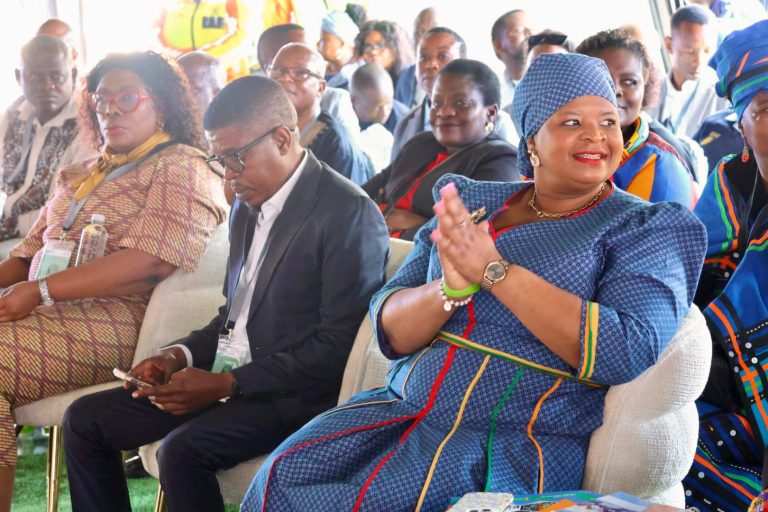
Gondwe led the department’s official Women’s Month event in partnership with the Fibre Processing & Manufacturing Sector Education and Training Authority (SETA) at the Limpopo Community Education and Training (CET) College’s Mageme Community Learning Centre.

“Let us rise above inequality, gender-based violence, poverty and despair. Let us uplift one another as women, as Basadi and Bo Mme who believe in each other and a better tomorrow,” Gondwe said.

The outreach programme, held in Sekgakgapeng Village was aimed at showcasing the contributions of CET and SETA sectors in advancing the development of women, particularly those not in employment, education, or training.

The gathering drew students, educators, traditional leaders, municipal representatives and partners from business and industry, united in a common vision of women’s empowerment through skills development and lifelong learning.

Gondwe reflected on the dual purpose of Women’s Month, honouring the historic struggles of women while recommitting to building better futures for communities.

Marking 10 years since CET colleges were established, the deputy minister acknowledged the sector’s significant strides in providing accessible education and training, especially to rural communities.

However, she also highlighted persistent challenges, including infrastructure shortages, low enrolment rates and poor academic performance.

Despite these hurdles, Gondwe noted one undeniable strength in the CET sector, namely the “women or female factor”.

Women now account for over 70% of CET college enrolments, while female lecturers constitute nearly 80% of the teaching staff.

Drawing a powerful connection between the present and the past, Gondwe invoked the legacy of the 20,000 women who marched to the Union Buildings in 1956 to protest apartheid pass laws.

Addressing the women students in attendance, many of whom balance academic pursuits with roles as mothers, caregivers and breadwinners, Gondwe lauded them as “modern-day warriors” determined to rewrite their life stories.

The deputy minister reiterated the department’s commitment to transforming the Post-School Education and Training sector into an inclusive system that regarded CET colleges not merely as “second chance” institutions, but as vital centres for renewed opportunities.

She called for CET colleges to be adequately resourced, inclusive and responsive to the realities of women in rural and township communities.

Acknowledging the personal sacrifices many women make to further their education, Gondwe encouraged perseverance and underscored the importance of collaboration.

She called on partners from SETAs, Technical and Vocational Education and Training colleges, industry, traditional leadership and other government entities to expand practical training opportunities, financial and nutrition support, and enterprise development.

Paying tribute to CET lecturers, Gondwe praised their dedication in sustaining learning centres despite limited resources.

The day’s programme also featured an address from the Mogalakwena executive mayor Ngoako Taueatsoala, who urged the community to work collectively towards building a more inclusive and robust economy.

Gondwe left attendees with a final call to action to rise above inequality, gender-based violence, poverty and despair.

INSIDE EDUCATION

Northern Academy wins Curro Halala Cup

By Levy Masiteng

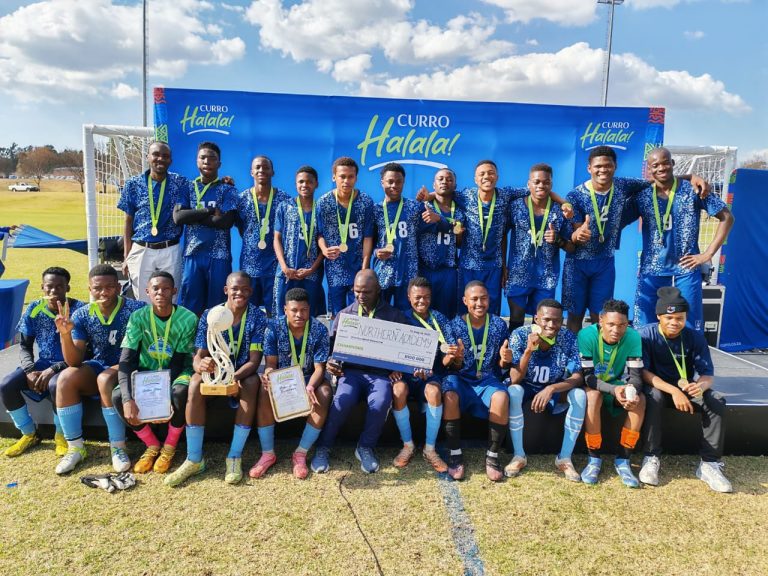
Northern Academy emerged victorious in the inaugural Curro Halala Cup over the weekend, defeating Norkem Park High School 8-7 in a dramatic penalty shootout after the match ended 1-1 in regular time. 

The final, held at HeronBridge College in Johannesburg, was a closely contested game that showcased the talents of South Africa’s top school football teams.

The four days of football showcased many of the country’s top schools.

As champions, Northern Academy took home a R100,000 grand prize and the coveted Curro Halala Cup trophy. 

The team’s coach, Hendrick Mukwevho, expressed his pride and gratitude.

“I feel incredibly proud of my team, these boys mean the world to me. I must commend the entire Norkem squad as well; they fought with everything they had, and it was one of the toughest matches we have played,” he told Curro Sport.

Curro Holdings CEO Cobus Loubser congratulated the winners.

He said it was important to create opportunities for young talent to develop and shine.

The cup brought together 60 of South Africa’s premier school football teams, with the top 16 teams competing in the grand finals. 

Katlego Rhenoster from Northern Academy was named Best Player of the Tournament, Omolemo Sekowe from Clapham High School won the Golden Boot Award, and Manaka Kelelo from Northern Academy took home the Golden Glove Award. 

Hillcrest High School received the Halala Cup Spirit Award for embodying the essence and passion of the beautiful game.

Curro aims to use the platform to shine the light on rising talent. 

INSIDE EDUCATION

Nzimande wants coordinated AI adoption across higher education institutions

By Johnathan Paoli

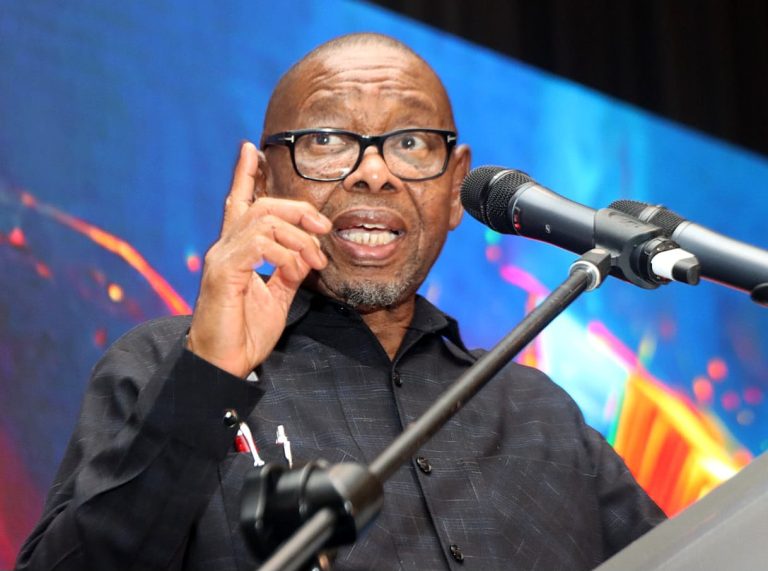
Science, Technology and Innovation Minister Blade Nzimande has urged the country’s universities to accelerate the adoption of artificial intelligence (AI) technologies.

He warns that while South Africa is not lagging behind, it must move faster to ensure equitable access, ethical safeguards and full integration into teaching and research.

Nzimande outlined government’s vision for embedding AI in higher education and detailed a series of initiatives already underway.

“We’re not ahead of the curve, but we are not late either. From the Department of Science, Technology and Innovation, our involvement in AI has been significant, especially in research. Our 2022–2032 Decadal Plan, called for by our 2019 White Paper, identifies digital skills development as a key priority for building a strong digital economy,” Nzimande said.

This follows the University of Cape Town’s recent moves to integrate AI into its academic programmes, which Nzimande said reflected broader progress in the sector.

The department has established the Centre for Artificial Intelligence Research, which is a network of nine universities and 12 research centres that focuses on machine learning, language technologies and other core AI fields.

Nzimande noted in a Newzroom Afrika interview that these projects were being expanded to all 26 public universities.

Partnerships with IBM, the Association of University Vice-Chancellors and the Africa Institute for Mathematical Sciences are driving digital skills training across campuses.

Nzimande highlighted the need to bring every public university on board, adding that AI offered opportunities to strengthen African languages as mediums of science and academia.

On concerns about the potential misuse of AI, Nzimande highlighted South Africa’s participation in Unesco’s global programme on AI ethics.

He stressed that AI must serve “positive human uses and social justice” warning against its weaponisation, as seen in military conflicts.

He also praised cooperation with China through the Forum on China-Africa Cooperation and other platforms, which aims to build AI capacities in developing countries while addressing ethical considerations.

Nzimande acknowledged disparities between historically advantaged and disadvantaged universities, warning that without targeted intervention, the AI revolution could deepen educational inequality.

“We are supporting the vice-chancellors’ efforts to assess all universities and will introduce additional measures to help historically disadvantaged institutions build capacity in AI research and digital skills,” he said.

The department plans to adapt past initiatives such as the University Capacity Development Programme to target science and technology competencies.

Private sector collaborations with IBM, Huawei and others are being leveraged to ensure equitable access to AI tools, while South Africa’s G20 presidency is being used to push for global commitments that prevent poorer nations from being left behind.

Highlighting the breadth of AI-related work, Nzimande pointed to projects in data analytics and adaptive cognitive systems, cybersecurity research, speech and language technologies, and forensic identification systems using AI to assist in identifying unclaimed bodies in mortuaries by combining DNA testing with advanced data matching.

The department is also finalising a National Artificial Intelligence Strategy, informed by the National Advisory Council on Innovation, to identify priority areas for AI development and application.

Nzimande recently attended the Belt and Road Ministers of Science and Technology Conference in China, where AI featured prominently on the agenda.

At the continental level, South Africa is contributing to the Science, Technology and Innovation Strategy for Africa 2032, which prioritises AI among its focus areas.

“Artificial intelligence is no longer a peripheral issue, it’s central to economic development, social progress, and scientific advancement. We must ensure that as we build capacity in AI, we do so inclusively, ethically, and with the goal of using technology for human development,” Nzimande said.

With AI poised to reshape education, research and the economy, Nzimande urged South Africa’s higher education sector to act decisively to integrate AI, close existing gaps and prepare the next generation for a rapidly evolving digital world.

INSIDE EDUCATION