
By Johnathan Paoli
Science, technology, and innovation (STI) play an important role in addressing national and global challenges, according Minister Blade Nzimande.
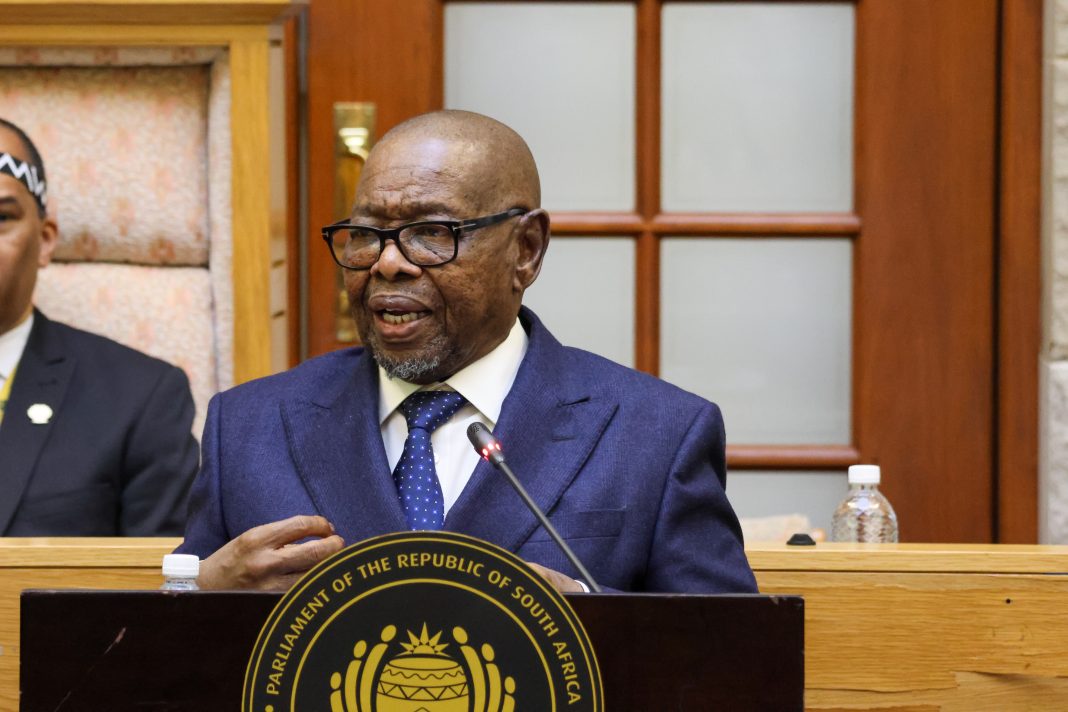
Delivering the Science, Technology and Innovation Department’s 2025/26 budget in Parliament on Wednesday, Nzimande stressed placing STI at the core of government, education, industry and society.
“We deliver this budget vote against the background of a complex set of national and global challenges. This budget illustrates our commitment to take science, technology and innovation to the villages, townships and all the corners of our country. I trust we can rely on the support of all Honorable Members in fulfilling this noble task,” Nzimande said.
The minister tabled a R9.06 billion budget framed by global disruptions, domestic socio-economic challenges and the need for inclusive growth.
He highlighted key programmes such as the Hydrogen Society Roadmap, Vaccine Innovation Manufacturing Strategy and the Square Kilometre Array project.
Innovations in mining, agriculture, health, artificial intelligence and renewable energy were among the department’s achievements, alongside the growth in women-led scientific publications.
The minister acknowledged underfunding, pledging a multi-pronged strategy to boost investment through Treasury engagements, public-private partnerships, international collaborations and state-owned entities.
Nzimande urged collective action to strengthen STI and reaffirmed South Africa’s global commitments, including support for Palestinian researchers.
Deputy Minister Nomalungelo Gina showcased initiatives like the Municipal Innovation Fund, Indigenous Knowledge Systems and the Grassroots Innovation Programme.
She stressed youth development, STEM education, disability inclusion and gender transformation, noting that 55% of postgraduate research grants now went to women.
The African National Congress’ Tsakani Shiviti strongly backed the budget, warning against further cuts and calling for enhanced investment in the South African National Space Agency (SANSA) and domestic satellite capabilities.
She emphasised STI’s role in job creation and disaster management.
In contrast, uMkhonto weSizwe Party’s Thembinkosi Mjadu rejected the budget, condemning corporate capture, declining postgraduate funding and inadequate rural innovation.
He proposed restoring R2.4 billion for bursaries and full funding for SANSA.
Democratic Alliance MP Tumelo Ramongalo advocated an outcomes-driven STI system, urging support for entrepreneurs.
He warned against the elitist perception of science and demanded inclusive reforms.
The Economic Freedom Fighters’ Suzan Thembekwayo criticised cuts to research funding and the declining support for Black women scientists.
She celebrated local talent and called for strategic investment in transformation, monitoring and infrastructure.
The Inkatha Freedom Party’s Sanele Zondo supported the budget, stressing urgency in STI investment.
He urged stronger public-private partnerships and more innovation hubs linked to TVET colleges and rural areas.
Patriotic Alliance MP Jasmine Petersen also supported the budget, calling it a vital investment in youth and the future.
She called for AI integration in schools and research infrastructure to make South Africa a continental innovation leader.
ActionSA’s Malebo Kobe rejected the budget as “regressive,” condemning underfunding and slow transformation.
She raised concerns about dysfunction at the Technology Innovation Agency and SANSA, and the lack of capitalisation of the Innovation Fund.
In his reply, Nzimande reaffirmed the department’s commitment to transformation and innovation.
He acknowledged criticism over underfunding, calling on MPs to collaborate in securing more resources.
Highlighting the department’s achievements during the Covid-19 pandemic, in AI and health, and its growing role in supporting women scientists, Nzimande said: “We’ve been punching above our weight.”
As South Africa confronts the future, the minister said the STI sector’s ability to drive development would depend on sustained investment, inclusive policies and a shared national vision.
INSIDE EDUCATION