
By Thapelo Molefe
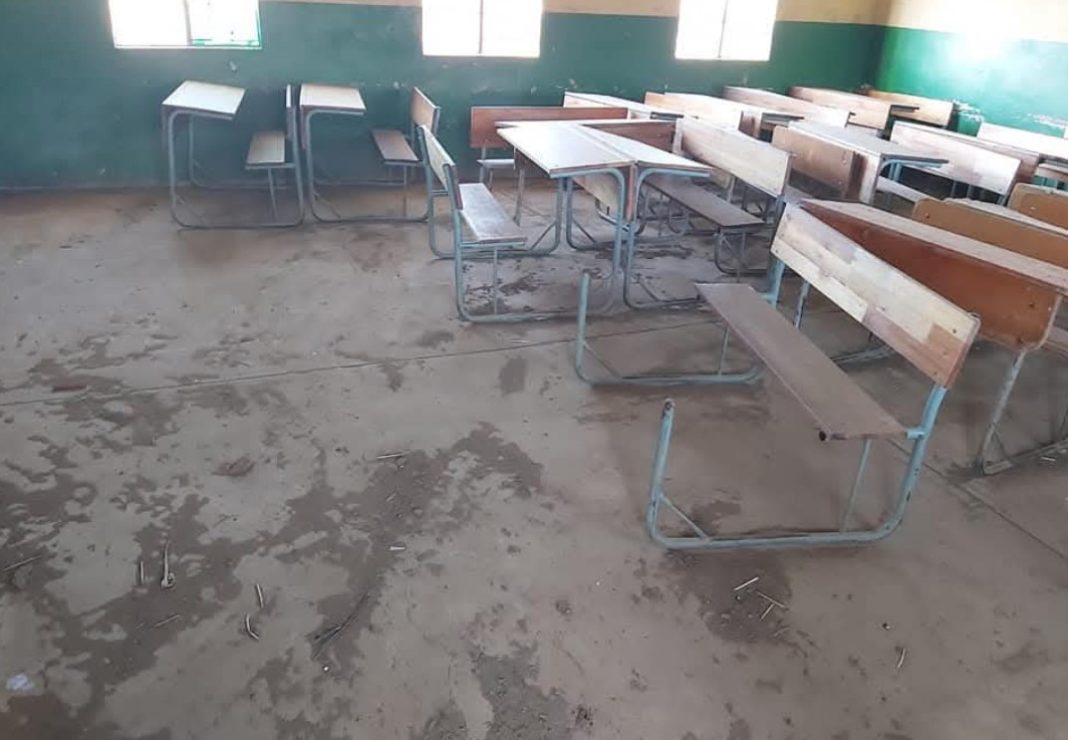
Overcrowded classrooms, crumbling infrastructure and teacher shortages are undermining pupils’ constitutional right to basic education, the South African Human Rights Commission said.
In its 2026 State of Schools Report, released on Monday, the commission said most schools were operational at the start of the academic year, but safety risks, shortages of learning materials and inadequate pupil transport persisted.
“Overall, these findings underscore that the state of schools in South Africa reflects systemic, persistent, and deeply interconnected challenges,” the commission said.
Among the most pressing concerns identified were infrastructure and sanitation failures, shortages of educators and support staff, inadequate school security, gaps in scholar transport and delays in providing support to learners with special educational needs.
In Limpopo, the commission identified severe overcrowding, educator shortages, inadequate infrastructure, continued reliance on pit toilets, shortages of furniture and learning materials, unreliable water supply and weak school security.
The report also raised concerns about barriers affecting undocumented learners and broader social challenges affecting the functioning of schools.
In the Eastern Cape, longstanding problems included deteriorating infrastructure, delays in learner support services and unresolved infrastructure backlogs.
KwaZulu-Natal also faced teacher shortages, overcrowding, infrastructure problems, inadequate access to water and sanitation, as well as safety risks within school environments.
In the North West, the Commission highlighted widespread infrastructure deterioration, inadequate sanitation and scholar transport, shortages of learning materials, vandalism and insufficient fencing.
Mpumalanga schools faced deteriorating infrastructure, shortages of furniture and learning materials, inadequate security and delays in placing learners with special educational needs.
In Gauteng, although learner placement and resource availability were generally adequate, the report identified continuing challenges involving infrastructure, sanitation, overcrowding, security and learner support.
The Western Cape had comparatively better-resourced schools, but inequalities persisted, alongside overcrowding and reliance on mobile classrooms.
In the Free State, concerns included scholar transport constraints, unsafe conditions for learners waiting for transport and social challenges affecting learner well-being.
Northern Cape schools were generally functional, although overcrowding, infrastructure maintenance and security remained concerns.
The Commission said the findings demonstrated that access to basic education was not only about ensuring that schools opened, but also about providing conditions that allowed learners to receive effective teaching and learning.
It further emphasised that the right to basic education, protected under section 29(1)(a) of the Constitution, was immediately realisable and not subject to progressive realisation within available resources.
The Commission referred to the Constitutional Court judgment in Governing Body of the Juma Musjid Primary School v Essay N.O., which affirmed the immediate nature of the right to basic education.
“Unlike other socio-economic rights, it is not subject to progressive realisation within available resources,” the Commission said.
To address the identified shortcomings, the SAHRC has requested the Department of Basic Education and provincial education departments to submit detailed responses within 60 days of the report.
The responses must outline both short-term interventions and long-term plans to address the challenges identified during the monitoring visits.
The commission said the interventions should include time-bound remedial plans, clear responsibilities for the national and provincial education departments, measurable implementation milestones and regular progress reports.
INSIDE EDUCATION