
By Marcus Moloko
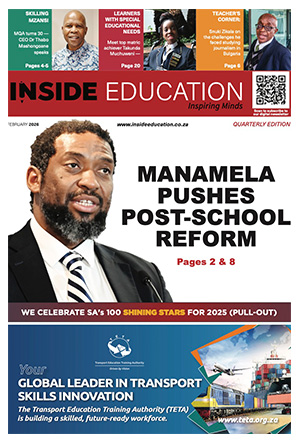
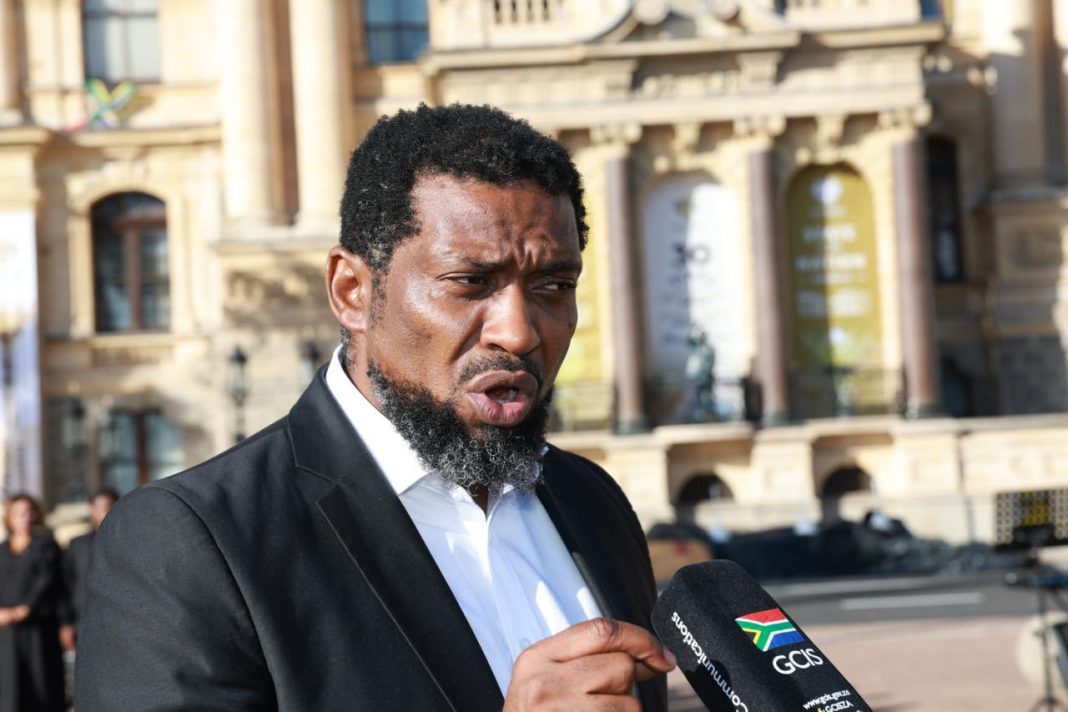
Minister of Higher Education and Training, Buti Manamela, has reiterated that the National Student Financial Aid Scheme (NSFAS) continues to serve as a critical pillar of student access in South Africa.
Speaking before President Cyril Ramaphosa’s State of the Nation Address (SONA), Manamela confirmed that more students have been approved for funding in the 2026 academic year, widening participation.
ALSO READ: Joburg ramps up youth role in air quality policy ahead of Wanderers conference
For the 2026 academic cycle, NSFAS has provisionally approved 626,935 first‑time applicants, while 427,144 continuing university students successfully met academic progression requirements.
To ensure a smooth start to the year, NSFAS disbursed R3.6 billion in allowances to universities and R679 million to TVET colleges in early February.
These upfront payments cover registration, tuition, and initial living expenses, preventing students from being excluded from registration due to financial barriers.
Manamela emphasized that this proactive disbursement reflects NSFAS’s effectiveness in stabilizing the academic calendar and safeguarding access for vulnerable students.
While Manamela acknowledged that NSFAS has performed well in dispensing bursaries, challenges remain in addressing the “missing middle” students from households earning between R350,000 and R600,000 annually.
“The money is there, but we’ve had only a few students applying. We have instructed our department to work together with NSFAS and the University of South Africa forum, alongside all stakeholders, to see how we can effectively use those resources to unlock potential,” Manamela said.
He further admitted that while bursary distribution has been effective, the loan scheme has faced hurdles.
ALSO READ: WATCH: Ramaphosa opens Nelson Mandela Rules training academy at Drakenstein prison
“There have been some challenges, and we’re hoping that the team we’ve put in place to look at how we can effectively deal with the challenge of the missing middle will be able to deliver a turnaround. We should be able to communicate something in the next few days,” he added.
Manamela also touched on the broader issue of capacity in the post‑school education system. Responding to questions about the promise of building two new universities, he said: “we’ll have to hear from the President what he says today about infrastructure in the post‑school education and training system. There’s more demand for university seats, and even more demand for TVET college seats. The important thing now has become the establishment of those universities legally. We’re exploring means to do that, and as soon as we can mobilize sufficient resources, we should be able to broaden out.”
He stressed that expansion is not limited to new institutions.
“Certain universities have individually grown, which means more space. So it’s not just about building two more universities, but also about growing the existing stock of universities, which is much more cost‑effective.”
INSIDE EDUCATION