
By Charmaine Ndlela and Thebe Mabanga
Photos by Eddie Mtsweni
The Transport Education and Training Authority (TETA) has partnered with the South African National Editors’ Forum (SANEF) to strengthen collaboration between the media and the transport sector.
The partnership will, later this year, launch a two-year training programme for young journalists to report on the transport and logistics sector.

This was announced at a breakfast held in Sandton on Tuesday, where industry leaders emphasised the importance of building a sustained and meaningful relationship between the media and the transport and skills sector.
ALSO READ: Seseko and Microsoft drive digital skills revolution across 48 schools
Delivering the keynote address, TETA CEO Maphefo Anno-Frempong said the engagement marked a shift from once-off interactions to a more structured and ongoing partnership.

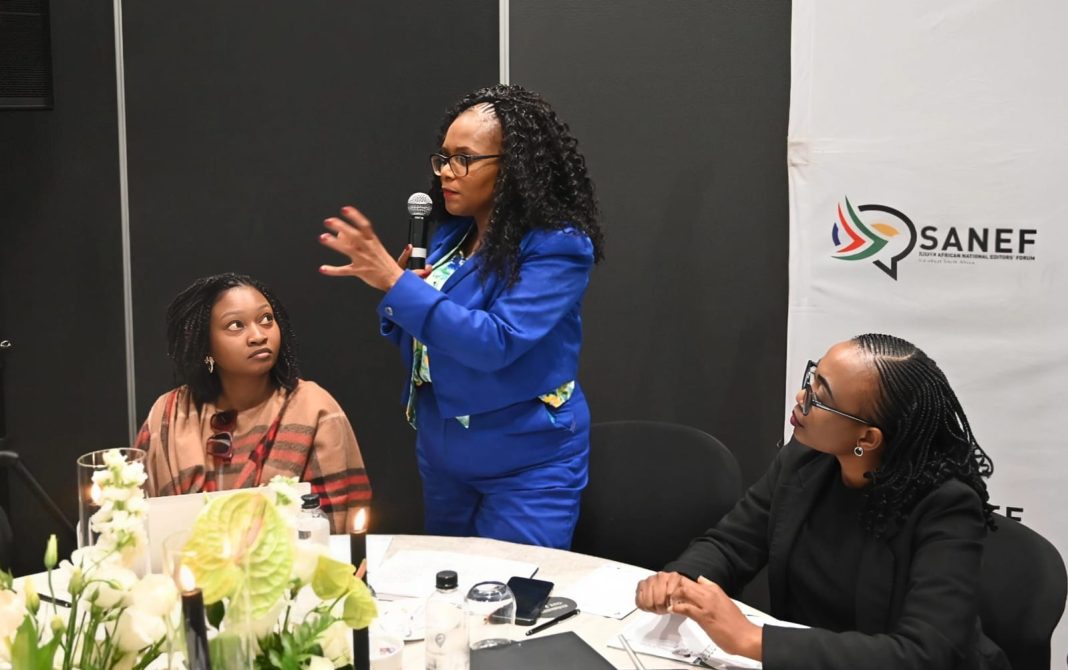
Teta/SANEF Strategic Stakeholders Breakfast Engagement. Photo: Eddie Mtsweni
“We saw the need to engage not as a once-off, but to build a strategic relationship that is based on transparency, engagement and collaboration,” she said.
Regarding the training programme for journalists, she said: “We will be introducing a programme aimed at training young journalists to cover the transport sector and skills development. The intention is to develop a pipeline of transport-specialist journalists who can engage meaningfully and shape a more informed public discourse.”
Reggy Moalusi, the executive director of SANEF, said that as the forum marks 30 years of existence, journalist training remains one of its key areas of focus, with a dedicated education and training committee.
Moalusi noted that the media industry is grappling with a changing landscape as it evolves towards digital.
He said the journalists who will be trained as part of the TETA programme will be exposed to understanding media as a business.
ALSO READ: Gwarube warns against misinformation on draft history curriculum
Both TETA and SANEF said the partnership will prioritise informed, balanced and contextual reporting, positioning the media as a key stakeholder in driving accountability and shaping public understanding of the transport sector.
Anno-Frempong said TETA’s skills development programmes aligns with the National Skills Development Plan 2030, which prioritises employability, capacity building and inclusive economic growth.
TETA is also expanding its job creation efforts through international partnerships.
Anno-Frempong said that the authority is working with a Switzerland-based shipping company that has secured up to 5,000 job opportunities annually for South Africans on global cruise and shipping lines.
“The requirements are steep, and that is why our focus is on ensuring that young people are adequately trained and supported to meet global standards,” she said.
She added that inclusivity remains central to these initiatives.
“Our responsibility is to ensure that these opportunities are not exclusive. We must put in place support systems that enable young people from all backgrounds to access them,” she said.
In the 2023/24 financial year, TETA generated approximately R1 billion in revenue, which has been directed towards bursaries, skills development programmes and workplace-based learning opportunities. This is through a mixture of mandatory and discretionary grants.
The transport sector is a key driver of South Africa’s economy, contributing between 8% and 9% to national Gross Domestic product (GDP) and supporting over 1.4 million jobs.
ALSO READ: Explosives used to break into North West primary schools, steal laptops
To further strengthen post-school education, TETA has funded a Fourth Industrial Revolution (4IR) centre at South West Gauteng TVET College and continues to expand partnerships across Technical and Vocational Education and Training (TVET) institutions.
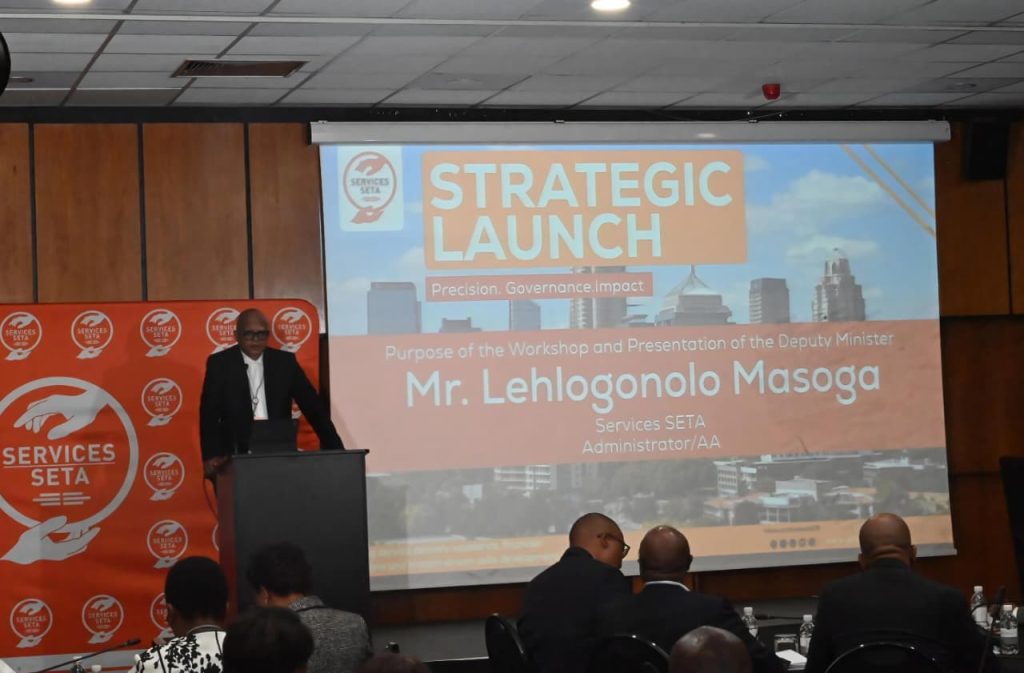
Also speaking at the event, Dr Felleng Yende, CEO of the Fibre Processing and Manufacturing SETA and Chair of the SETA Forum, called for greater collaboration to maximise the impact of skills development initiatives.
“We need to come together, collaborate and strategically identify the country’s needs. Only then can we invest in programmes that will make a meaningful difference,” she said.
Yende said that from 2019 to 2024, SETAs invested R5 billion in TVET colleges to modernise curricula, develop lectures, and improve infrastructure.
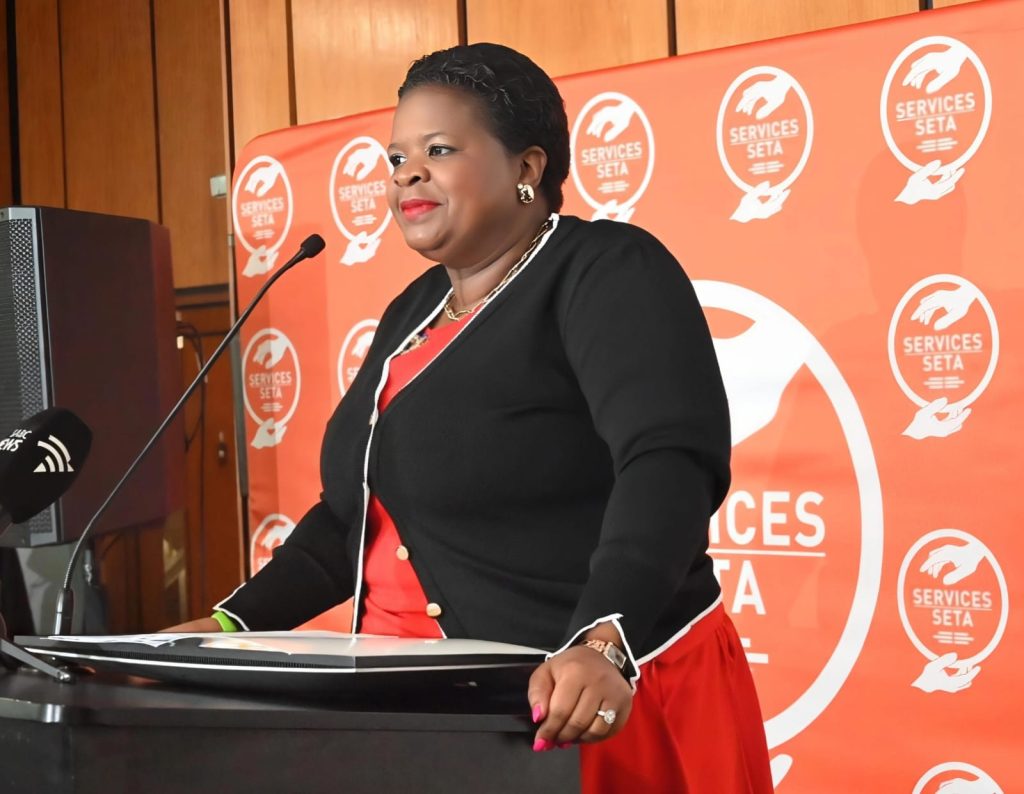
SETAS also invested, R 300 million in community colleges over the same period, as well as R6 billion in universities to help fund the
“missing middle”. This investment has benefited about 1,2 million learners.
Yende emphasised that SETA investments go beyond financial commitments. “These are not just statistics. They represent human journeys, economic interventions and deliberate public investment aimed at reshaping South Africa’s labour market,” she said.
She also highlighted emerging sectors such as renewable energy and green hydrogen as critical to future job creation.
“We are investing in sectors that will define the future of work and create sustainable opportunities for young people,” she said.
Yende urged stakeholders, including the media, to play a constructive role in strengthening the system. “Criticise us, but do so with solutions. Bring research and insight that can help strengthen what we are building,” she said.