
By Lebone Rodah Mosima
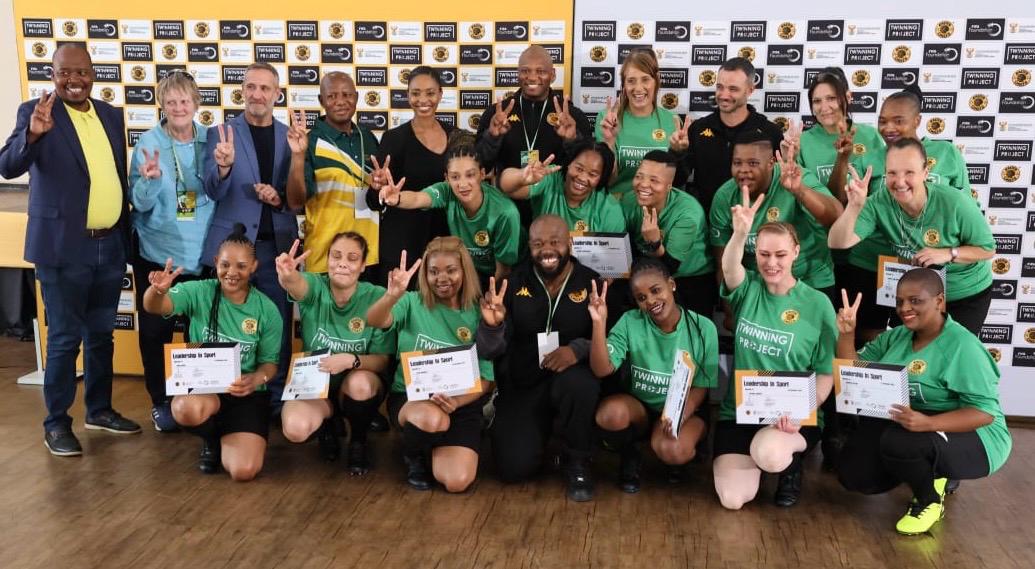
The acting national commissioner of correctional services, Tlabo Thokolo, on Wednesday hailed rehabilitation and partnerships with sporting bodies as he marked the graduation of a second cohort of female offenders from Johannesburg Female Correctional Facility.
Speaking at a ceremony in the Johannesburg Management Area for women who completed a coaching and life-skills programme run with the Twinning Project and football club Kaizer Chiefs, Thokolo said the initiative was “more than a ceremony, but a statement of hope, possibility, and the power of rehabilitation when institutions, communities, and committed partners work together”.

He said the programme was a practical expression of the Department of Correctional Services’ mandate. “Our mission is rooted in transforming lives, restoring dignity, and equipping those entrusted to our care with the skills and knowledge to rebuild their futures,” Thokolo said.
The course, delivered in partnership with the UK-based Twinning Project and Kaizer Chiefs, combines football coaching, mentorship and structured life skills training. Thokolo said such “evidence-based interventions open doors that once seemed firmly shut” by building “confidence, discipline, teamwork, and resilience” that extend beyond the sports field.
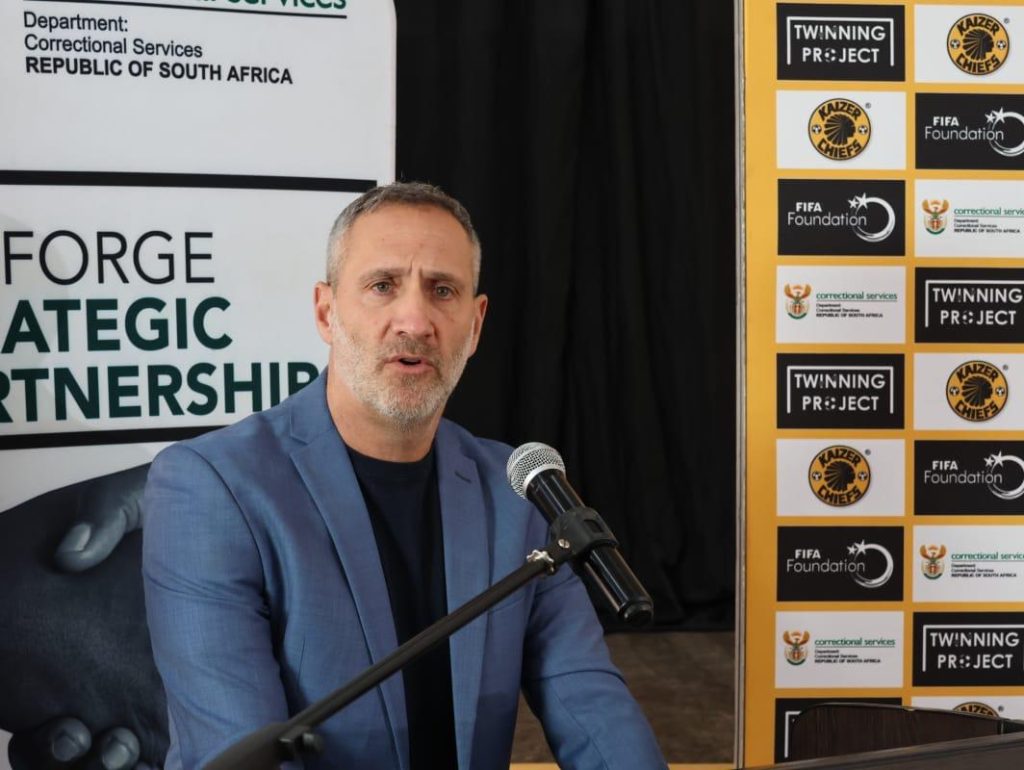
“[To] the Twinning Project and Kaizer Chiefs, thank you for bringing your leadership, expertise, and unwavering belief that everyone deserves a second chance. Your involvement inspires the women graduating today,” he said, adding that the collaboration showed how the criminal justice system could be transformed “not in theory, but in practice”.
Addressing the graduates directly, Thokolo praised their decision to join and complete the programme. “You chose to participate. You chose to learn. You chose to commit yourselves. And you are a proof that change is not only possible, but powerful,” he said. “The skills you have gained are tools for your future, and your future remains full of potential.”
He acknowledged the difficulties of returning to society after serving time in prison, but said the department was committed to expanding opportunities that support reintegration.
“We know that reintegration is not always easy, but with the right support and the right mindset, it is achievable. You are not defined by your past. You are defined by your courage to change and your readiness to build something better,” Thokolo said.
“As the Department of Correctional Services, we reaffirm our commitment to creating opportunities that enable offenders to return to society as active, positive contributors,” he said.

INSIDE EDUCATION