
By Thapelo Molefe
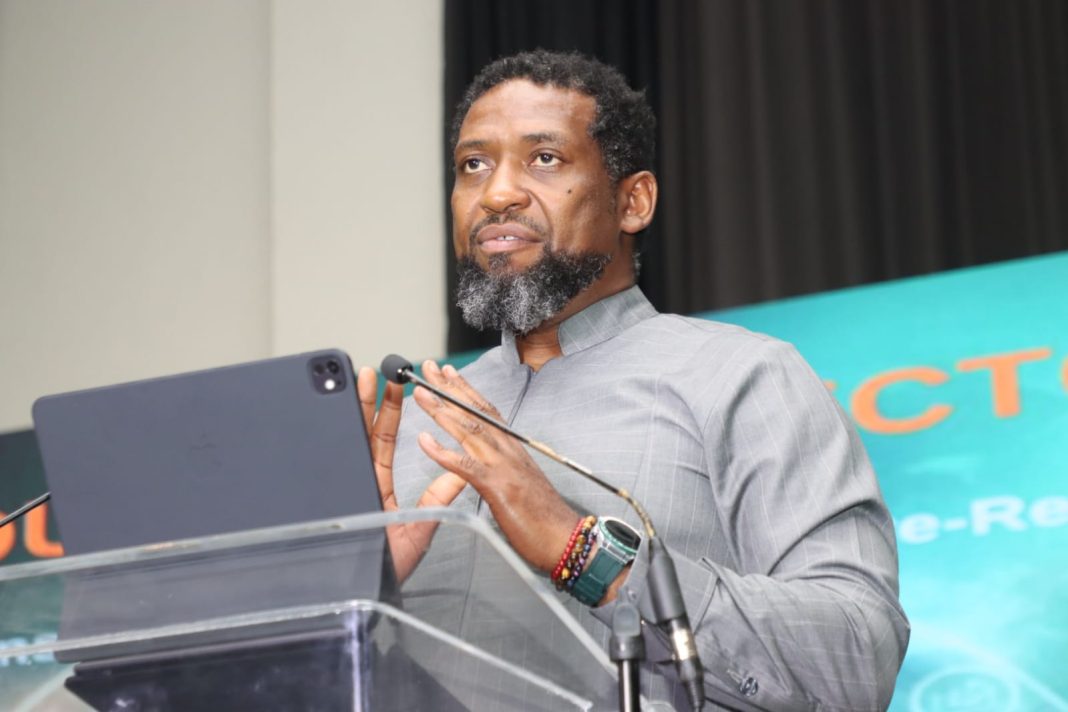
South Africa’s early learning crisis will not be fixed in primary schools alone but in the universities that train foundation phase teachers, Higher Education and Training Minister Buti Manamela said on Tuesday, directly reinforcing concerns raised earlier by Basic Education Minister Siviwe Gwarube.
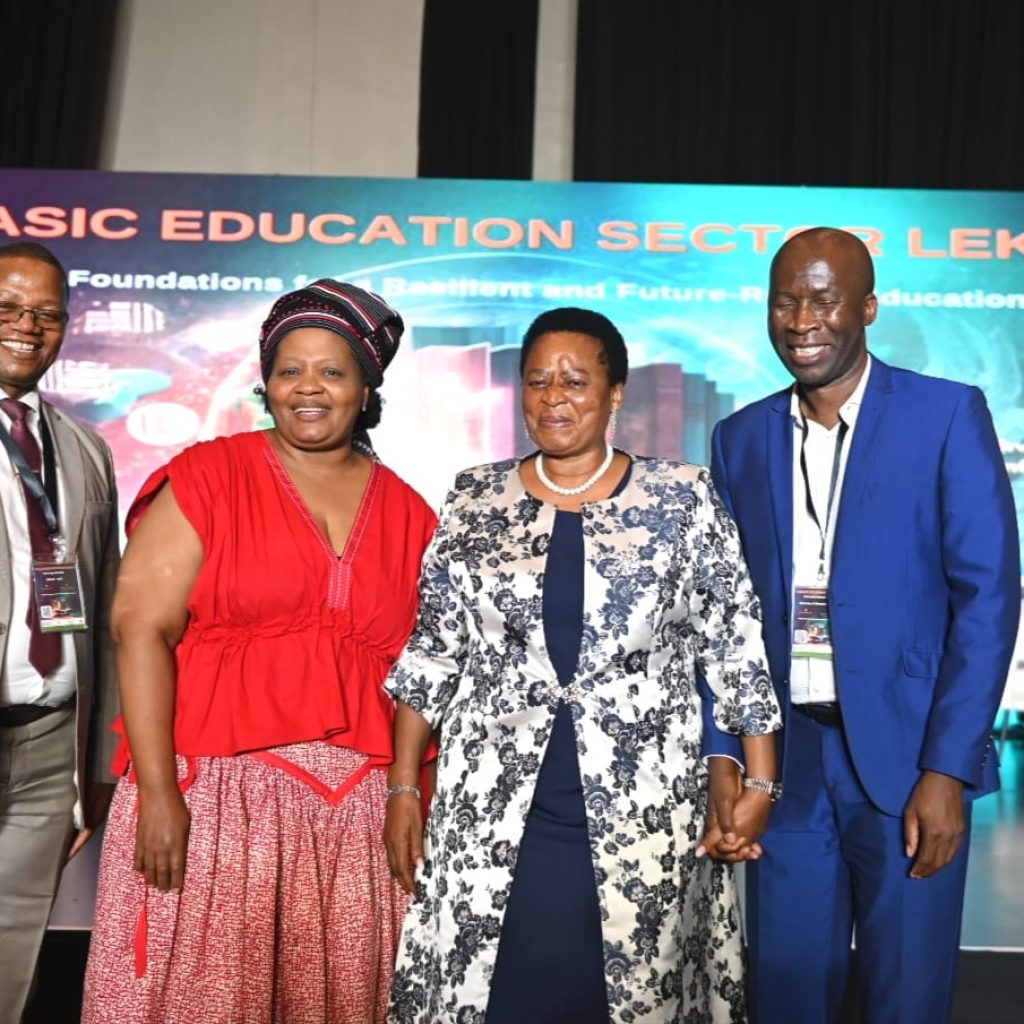
Speaking towards the close of the first day of the Basic Education Sector Lekgotla at the Birchwood Hotel and Conference Centre, Manamela said the weak literacy and numeracy outcomes identified by Gwarube were rooted in how teachers are prepared long before they enter classrooms.
“The foundation phase is the bedrock of the entire education system,” Manamela said.
“It is here that confidence is built, attitudes towards learning are formed, and potential is either unlocked or constrained.”
ALSO READ: Hybrid learning urged as public universities hit limits on first-year intake
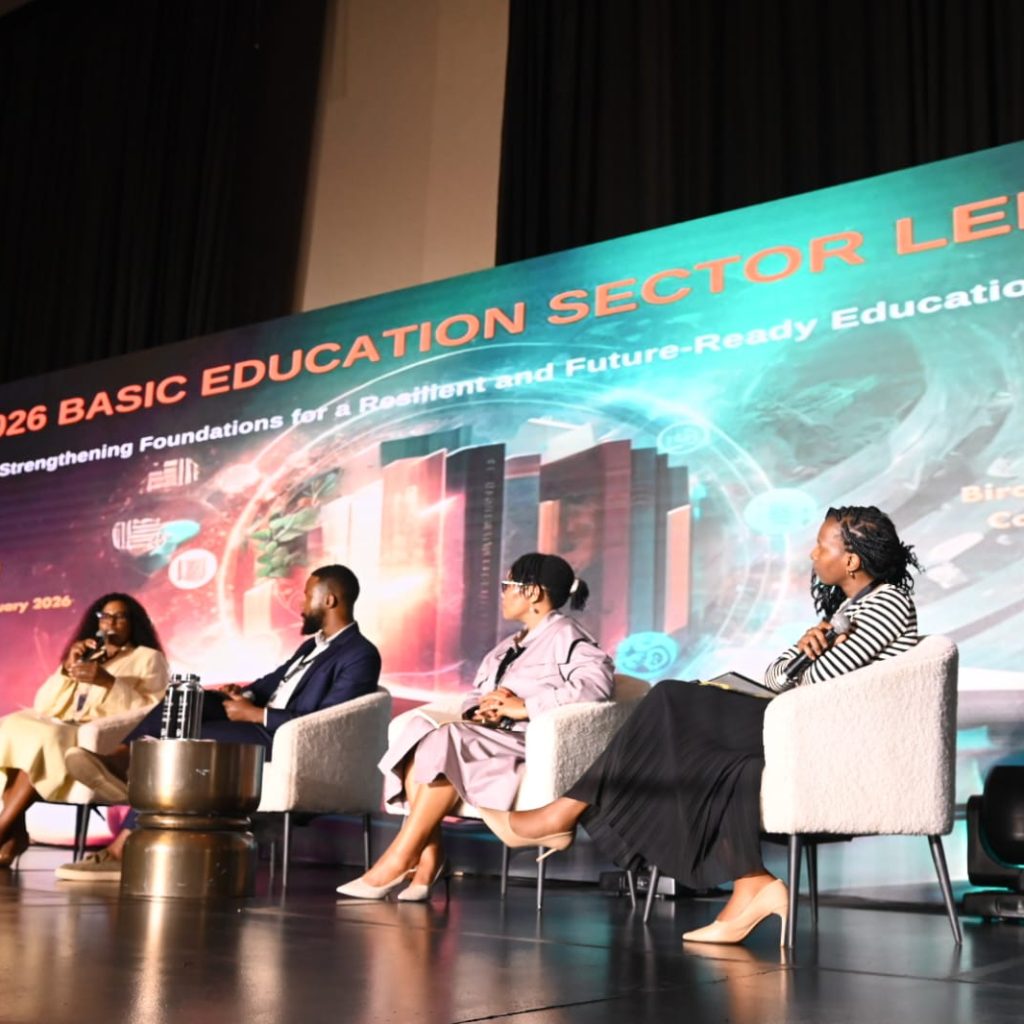
The three-day Lekgotla has brought together national and provincial education authorities, teacher unions, education bodies and development partners to assess system performance and set priorities for 2026.
While Gwarube’s opening address framed early learning failures as a national emergency, Manamela focused on the post-school sector’s responsibility to respond decisively.
“Investment in foundation phase teachers is not optional. It is imperative,” he said.
“The quality of learning in our classrooms is inseparable from the quality of teaching and scholarship in our universities.”
Manamela paid tribute to university academics, describing them as “teachers of teachers” whose work turns education policy into lived classroom experience.
“These are professionals whose knowledge, compassion and commitment translate policy into practice and transform the promise of quality education into reality,” he said.
He pointed to tangible outcomes of recent reforms in teacher education. In the 2024/25 academic year, 20 of South Africa’s 26 universities offering Bachelor of Education degrees with foundation phase specialisation graduated 6,761 new teachers.
ALSO READ: Eleven school children killed in Vanderbijlpark crash
“This did not happen by accident,” Manamela said.
“It reflects a deliberate, sustained and coordinated effort by the higher education sector to respond to national needs.”
The minister said government was backing this effort with significant resources, noting that more than R1 billion is invested annually through the University Capacity Development Programme to support curriculum renewal, staff development, and student success.
“Our goal is simple and unapologetic,” he said. “Every university student must be taught by a quality educator — one with strong disciplinary knowledge, sound pedagogy and a deep commitment to excellence.”
Manamela also highlighted the persistent gap between basic education outcomes and post-school opportunities, describing it as “one of the most decisive fault lines in our system”.
“There can be no quality education without a qualified, motivated and professionalised teaching workforce, especially in early childhood and foundational learning,” he said.
As the Lekgotla continues, Manamela called for sustained collaboration across departments, saying the education system must be built “deliberately, patiently and collectively” to give children a strong start and meaningful opportunities beyond school.
INSIDE EDUCATION