
By Lebone Rodah Mosima
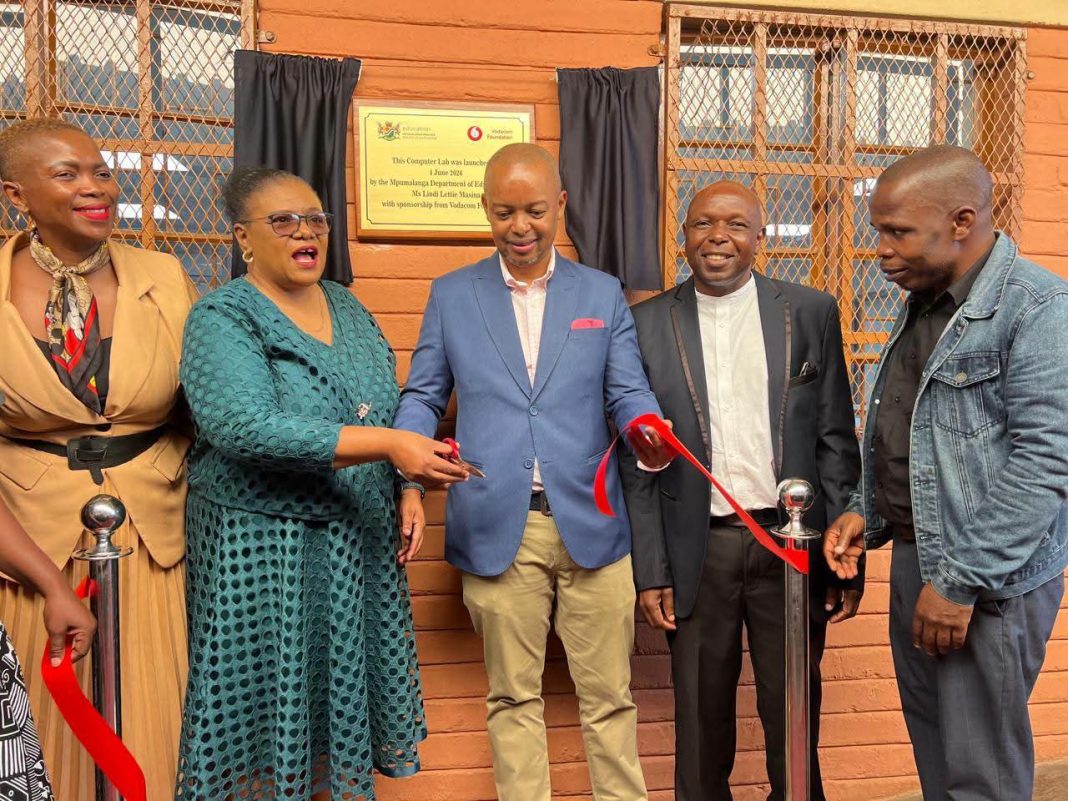
Vodacom Foundation has invested R4 million in advanced information and communication technology (ICT) infrastructure at Silindokuhle Special Needs School in e-Mangweni, Mpumalanga, as part of efforts to expand digital access for learners with disabilities.
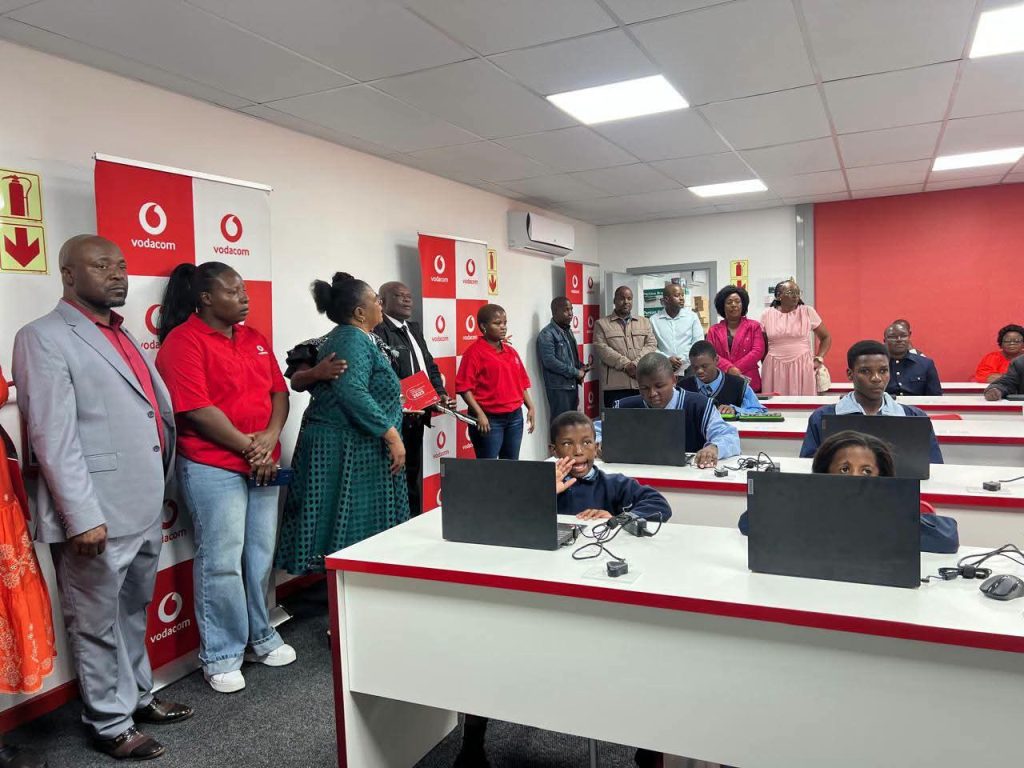
The investment includes a fully installed local area network (LAN), specialised assistive technology, renovated computer laboratories and a secure storage facility.
The project forms part of the School of Excellence (SoE) model, a partnership between Vodacom Foundation and the Mpumalanga Department of Education.
Vodacom Mpumalanga managing executive Monde Ngcukana said technology could help unlock opportunities for all learners, regardless of their circumstances.
“This initiative at Silindokuhle Special Needs School is about more than just connectivity. It is about dignity, inclusion and ensuring that no learner is left behind in the digital age,” said Ngcukana.
“We are proud to partner with the Department of Education to bring meaningful solutions that empower learners with disabilities to learn, grow and thrive.”
Vodacom Foundation said the SoE model, launched in 2019 in support of government’s Education Vision 2030, currently reaches about 40,000 learners at 39 schools across South Africa.
Each school is linked to an Early Childhood Development Centre, Teacher Centre and Vodacom ICT Academy, creating an integrated support network for learners, educators and surrounding communities.
Silindokuhle Special Needs School caters for learners with severe physical disabilities, including those who are deaf, visually impaired and learners with intellectual disabilities.
Ngcukana said a visit to the school three years ago revealed significant barriers to ICT access, as conventional computers were not suitable for many of the learners.
“We partnered with the Vodacom Foundation at head office to build a computer centre tailored to the needs of these learners, in line with similar facilities established elsewhere in the country,” he said.
Vodacom has also deployed computer teachers and psychosocial support workers to assist learners and support their development.
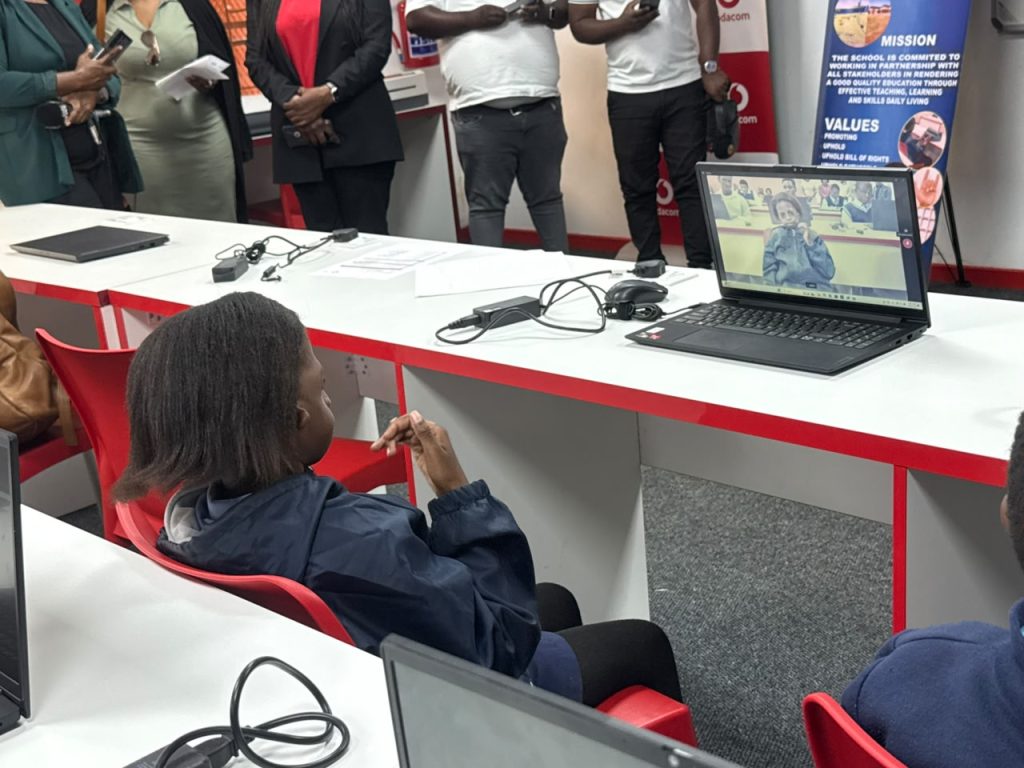
Ngcukana said all 39 Schools of Excellence are equipped with interactive whiteboards, allowing teachers to conduct lessons across multiple schools through internet-connected cameras and touchscreen technology.
Dedicated connectivity links enable learners to conduct research, complete assignments and apply for tertiary education opportunities.
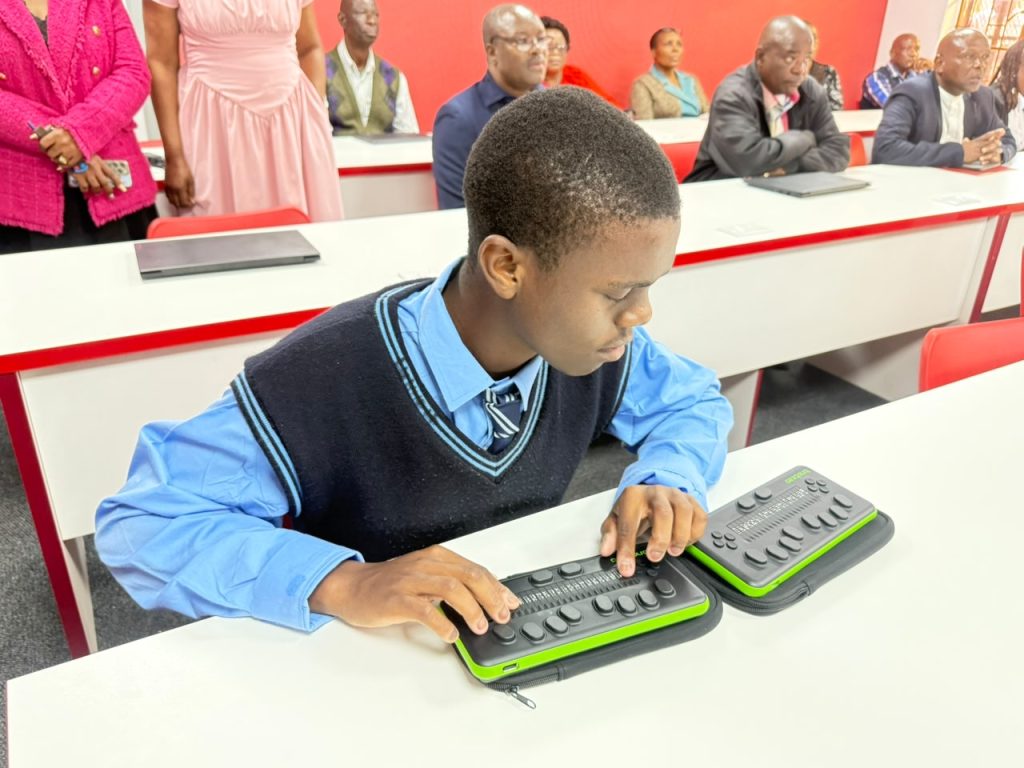
According to Vodacom, the intervention includes specialised assistive technologies designed to improve accessibility and promote inclusive learning.
The company said educators had received customised training to ensure effective use of the technology, while an ICT specialist had been assigned to provide ongoing technical support and capacity building.
“These tools will significantly improve learners’ ability to access educational content, communicate effectively and participate more independently,” Vodacom said.
Ngcukana said the initiative could serve as a model for future partnerships with special-needs schools as Vodacom expands its technology-driven education programmes.
He urged communities to help protect the facility and its equipment.
“If anything happens to this equipment, it affects not only individual learners and families but the wider community, because this school supports surrounding schools as well,” he said.
The Mpumalanga Department of Education said the digital laboratory would also support the Ubuhlebuzile e-learning programme, aimed at narrowing the digital divide in Quintile 1 to 3 schools.
As part of the project, Vodacom donated 30 laptops, a ViewPlus Rogue Sheet tactile Braille printer, Fusion software licences, 13 talking scientific calculators, 12 Braille note-taking devices and 18 portable book readers with Wi-Fi connectivity.
Photos: Supplied/VodacomFoundation
INSIDE EDUCATION