
By Lebone Rodah Mosima
Science communicator and journalist Sibusiso Biyela says the future of inclusive science on the continent depends on whether scientific knowledge can be meaningfully communicated in African languages – not as a symbolic gesture, but as a necessity.
Inside Education spoke to Biyela about his dedication to making science accessible beyond the confines of English.
Biyela’s commitment to African-language science journalism took shape in 2017, while he was attempting to write a science news article about the discovery of Ledumahadi mafube, a newly identified dinosaur species found in South Africa.
Although the dinosaur’s name was scientifically derived from Sesotho, which he said he found interesting, the process exposed a deeper problem.
“I found it difficult to write much about the discovery when every second scientific term needed translating without any Zulu language counterparts,” Biyela said.
Growing up, Biyela learned science exclusively in English, while isiZulu remained the language of his cultural and everyday life.
He describes this linguistic and cultural divide as more than an inconvenience, creating a lasting barrier between science and his identity.
“As I immersed myself further into the universe science opened for me, I found that barrier existing between myself and the rest of my cultural and linguistic identity as a Zulu,” he said.
“Having benefitted so much from the satisfaction of my curiosity that science provides, it pains me to not be able to share that joy with others through my mother tongue.”
He said the lack of scientific discourse in African languages contributes to the perception that science and technology are foreign or inaccessible to African communities.
He added that the loss is mutual: African-language speakers miss out on science, and science misses out on their perspectives, including the dignity of engaging in institutions through a language they are proud of.
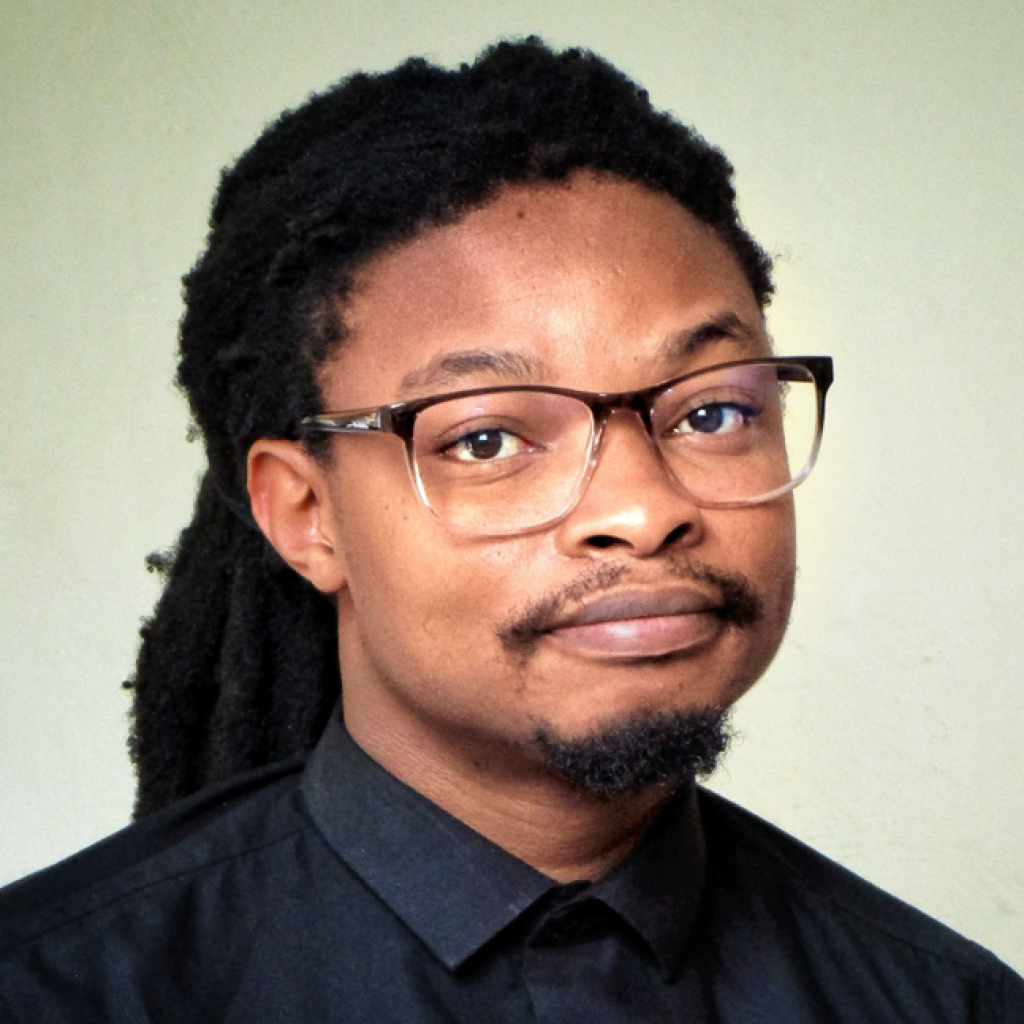
Biyela placed these challenges within a broader discussion about decolonising science communication. He said this does not mean rejecting science, but rather acknowledging its complex and often violent colonial history, while opening scientific inquiry to new voices and ways of knowing.
“Decolonising science means that we understand that what we understand about science today is coloured by colonial history of violence and the many excuses that justified the Atlantic Slave Trade and Apartheid, and continues to justify many people’s understanding of human history that justifies black people’s lot in life in the present day,” he said.
He said wider participation in scientific discourse — particularly beyond a small group of dominant global languages — could fundamentally expand what questions science asks and what knowledge is valued.
Reflecting on the impact of writing about dinosaurs in isiZulu, Biyela said it changed how audiences engaged with and talked about these ancient creatures, making them more responsive and culturally connected in ways English-language communication never could.
Despite growing interest, Biyela acknowledged that many African researchers and communicators he has spoken to still face structural barriers — particularly limited access to resources — which often pushes them to seek opportunities abroad.
Although some governments have promised increased research funding, he said the long-term impact remains uncertain.
While progress has been slow over the past decade, Biyela sees more African-language science discussions emerging through community radio, social media, and podcasts.
“If I could predict the future, I would quit my job as a journalist and become a stockbroker or crypto-bro, but my best would be that in ten years’ time, there will be a lot more people like myself doing this kind of work,” he said.
“That can only happen if we all stay motivated to continue this work. And that can happen with support from the government and other institutions, not for handouts, but for the value that we continue to demonstrate comes from this kind of work”.
One of the most ambitious aspects of his work involves explaining complex concepts, such as particle physics terms like “flavour,” “colour,” and “spin”, in isiZulu. He said these concepts are challenging because their scientific meanings differ entirely from everyday English usage.
“I do not want to be the next clever science communicator or linguist to create terms that no one else uses, so the best way to balance scientific accuracy with cultural relevance would be to create these terms publicly with the help of the very people who would be making use of these terms,” he said.
He said that rather than imposing scientific terminology, he and his team — through the iLukuluku podcast — co-create new isiZulu scientific terms with linguists and listeners in public, drawing on existing but underused words and leaving room for community feedback.
For Biyela, African-language science communication is not about translation alone, but about participation — ensuring that African languages are not only vehicles for culture, but also for curiosity, inquiry, and discovery itself.
INSIDE EDUCATION