
By Charmaine Ndlela
South Africa’s severe shortage of donor organs has received a significant boost following the installation of Africa’s first liver perfusion machine at the Wits Donald Gordon Medical Centre (WDGMC), a breakthrough expected to increase the number of organs suitable for life-saving transplants.
The new technology keeps donor livers viable outside the body for extended periods while providing transplant specialists with real-time data on organ function before surgery.
ALSO READ: 50 years after Soweto Uprising, EWSETA focuses on preparing youth for jobs of the future
South Africa records one of the world’s lowest deceased organ donation rates, at just 1.4 donors per million people.
Thousands of patients remain on transplant waiting lists, while fewer than 300 organ transplants are performed annually.
Dr Bilal Bobat, a specialist gastroenterologist at WDGMC, said many patients deteriorate while waiting for suitable donor organs due to the ongoing shortage.
“Too many patients in South Africa deteriorate while waiting for a transplant because there are simply not enough donor organs available,” he said.
In a statement, WDGMC said the liver perfusion machine preserves donor organs outside the body for longer periods, allowing clinicians to assess their condition more accurately before transplantation.
Traditionally, donor livers are stored on ice and must be transplanted within about 10 hours. The new technology extends this window and allows for more detailed organ assessment.
The innovation is also expected to increase the number of usable organs by enabling transplant teams to evaluate livers that may previously have been deemed too risky.
WDGMC currently has more than 30 patients awaiting liver transplants and nearly 600 patients on its kidney transplant waiting list.
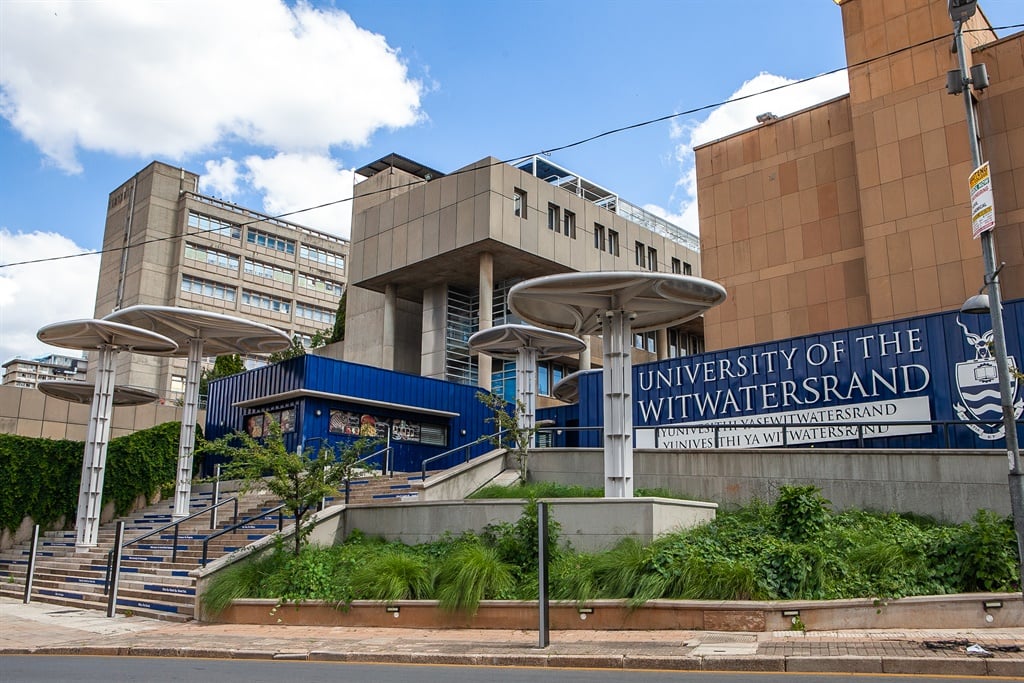
The centre, South Africa’s first private academic hospital, houses the country’s largest transplant unit and is the only centre in sub-Saharan Africa offering living-donor liver transplants for children.
Having performed more than 1,000 liver transplants, the unit is internationally recognised for its work in specialised transplant care, research and surgical training.
Bobat said the development marks a key milestone in a country where every donor organ is critical.
“This technology represents an important milestone for transplant care in a country with severe organ shortages, where every organ counts. For patients on the waiting list, it provides a greater chance of receiving a suitable organ in time, increasing the pool of viable organs and reducing uncertainty,” he said.
Clinicians say the machine is expected to reduce post-transplant complications, shorten hospital stays and improve recovery outcomes.
Professor Jerome Loveland, Head of Solid Organ Transplantation at WDGMC, said the introduction of liver perfusion technology would strengthen transplant care, research and medical training across Africa.
ALSO READ: Gwarube pushes school hygiene overhaul beyond pit toilet eradication
“As a transplant programme, our responsibility extends far beyond the operating theatre,” Loveland said.
Despite the breakthrough, clinicians emphasised that increasing public awareness and organ donor registration remains essential.
According to the Department of Health, more than 4,300 South Africans are currently waiting for organ transplants, yet fewer than 1% of the population is registered as organ donors.