
By Charmaine Ndlela
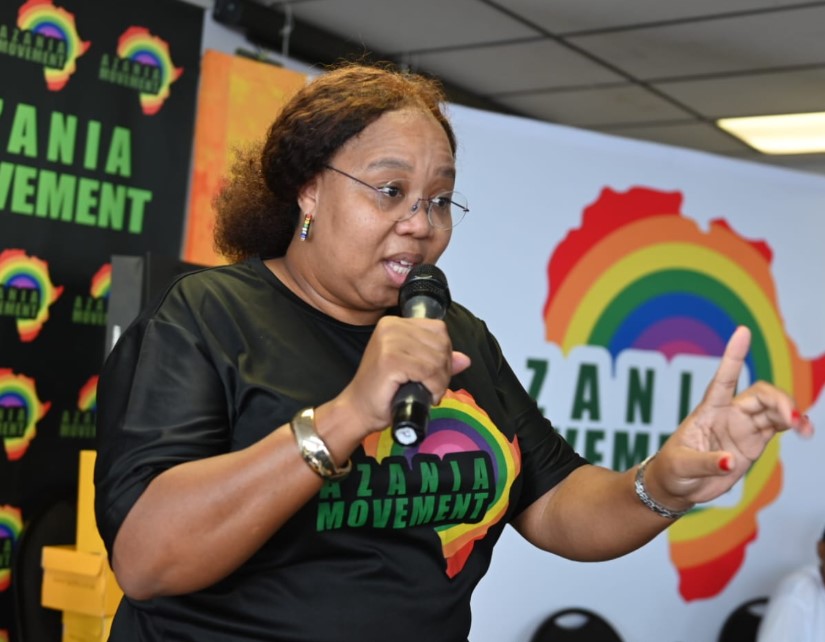
The Azania Movement has launched a back-to-school drive that includes oversight visits to schools, saying it aims to monitor education standards and assess learner support systems.
The youth-led, non-partisan organisation visited Central College High School in Ekurhuleni, Gauteng province, as part of what it said was advocacy for education quality, service delivery and learner development.
Speaking to Inside Education, Azania Movement Chief Administrator Anelisa Nkonjwa said the visit was part of a long-running programme focused on mentorship and leadership development.
“This visit forms part of a programme that has been personally led by the President of the Azania Movement (Nolubabalo Mcinga) since 2016, focusing on youth mentorship, leadership development, and empowerment,” said Nkonjwa.
She said the drive aligns with the movement’s civic education programme.
“As a movement, this visit is aligned with our civic education programme, which places young people at the centre of social, economic, and political transformation,” she said.
“We believe the youth are not only the future, but the present drivers of change, and they must be equipped early with values, critical thinking skills, leadership capacity, and an understanding of governance and citizenship.”
Nkonjwa said the visit was intended to be substantive, with the movement engaging directly with learners.
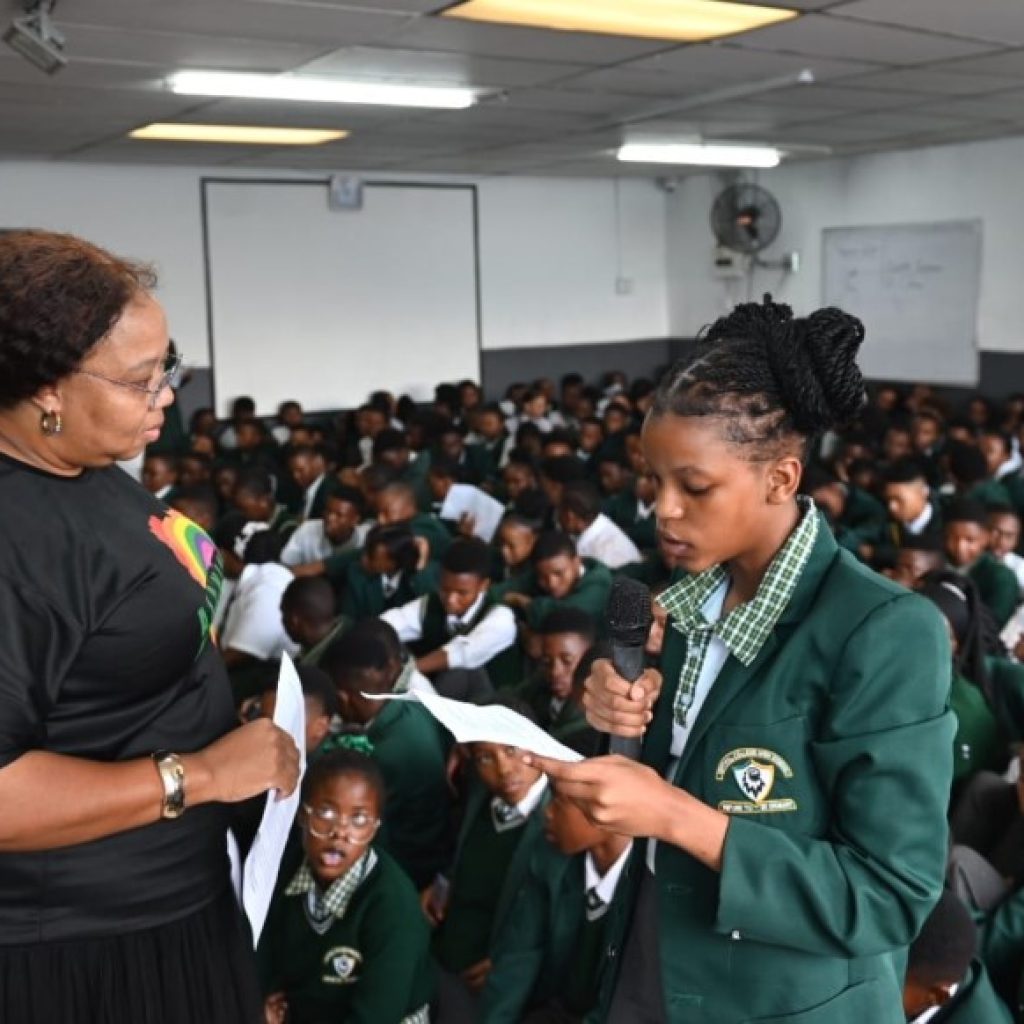
“Our presence at the school was not symbolic. It reflects who we are and what we stand for as a movement, rooted in empowering young people, nurturing conscious learners, and supporting schools as spaces that produce active, informed, and responsible citizens,” she said.
“Engaging learners directly allows us to listen, guide, and expose them to opportunities such as civic participation and continental leadership platforms.”
“In essence, this visit reaffirms our belief that investing in youth is investing in the future of South Africa and Africa, and that meaningful transformation begins by walking alongside learners where they are.”
She also raised concerns about wider challenges in the education system, including discipline, teacher support and learning standards.
“There is an overemphasis on children’s rights at the expense of teacher authority, which has compromised discipline and safety in schools,” she said.
“Teachers are increasingly vulnerable and unsupported.”
“The 30 percent pass mark lowers standards and weakens learner potential instead of encouraging excellence,” she said.
Nkonjwa said senior-phase learners also lacked pathways to develop practical skills.
“The absence of vocational and entrepreneurial subjects prevents the early identification and development of practical talents,” she said.
She cited a case in which efforts to introduce cosmetology were unsuccessful.
“The school was informed that there is no annual teaching plan and no trained facilitators for such subjects, despite strong interest in vocational skills development,” she said, adding that outsourcing skills programmes remains a viable option.
The movement’s visit also followed concerns raised about infrastructure and service delivery constraints at the school, including rental and utilities.
“Central College operates as a non-profit organisation and pays exorbitant rent,” said Nkonjwa.
“The school pays for water and electricity but does not have access to the meters, which are kept by the landlord. They must rely on the landlord to load utilities.”
She said the school had not been allocated land by the municipality, which she said limited facilities for learners.
“Despite operating for over ten years, producing strong matric results, and easing pressure on public schools, the Ekurhuleni Municipality has not allocated land to the school,” she said.
“This deprives learners of playgrounds, sports facilities, and open spaces that are critical for their physical, mental, and emotional well-being,” she said.
Nkonjwa described Central College as a diverse institution.
“The school is co-educational, multicultural, and multi-faith, and it does not discriminate on religious or cultural grounds,” she said.
But she said inequalities persisted.
“Inequality is evident in infrastructure limitations, lack of technology compared to schools in affluent areas, and limited capacity to meet sports and extracurricular expectations,” she said.
Despite these constraints, she said teaching and learner support at the school were strong.
“Teaching commenced on the first day of the school calendar, syllabus coverage is on track, and there is a clear commitment from management and educators to deliver quality education,” she said.
“The school operates as a family-oriented institution and provides emotional, cognitive, and psychosocial support, including food for learners who arrive hungry, and a zero-tolerance approach to bullying,” she said.
Nkonjwa said Central College High School and Eyrie Brook Primary School in Brackenhurst still had capacity for new learners, particularly in Grade 1 and Grade 8.
“These schools can assist learners who have not yet been placed in government schools and are awaiting late admissions,” she said.
The movement plans to expand the drive to more schools.
“The Azania Movement will continue visiting schools across Ekurhuleni, Gauteng, and other provinces as part of our education oversight and civic education programme,” she said.
“Further locations will be announced as engagements are confirmed.”
INSIDE EDUCATION